Is civet meat good?
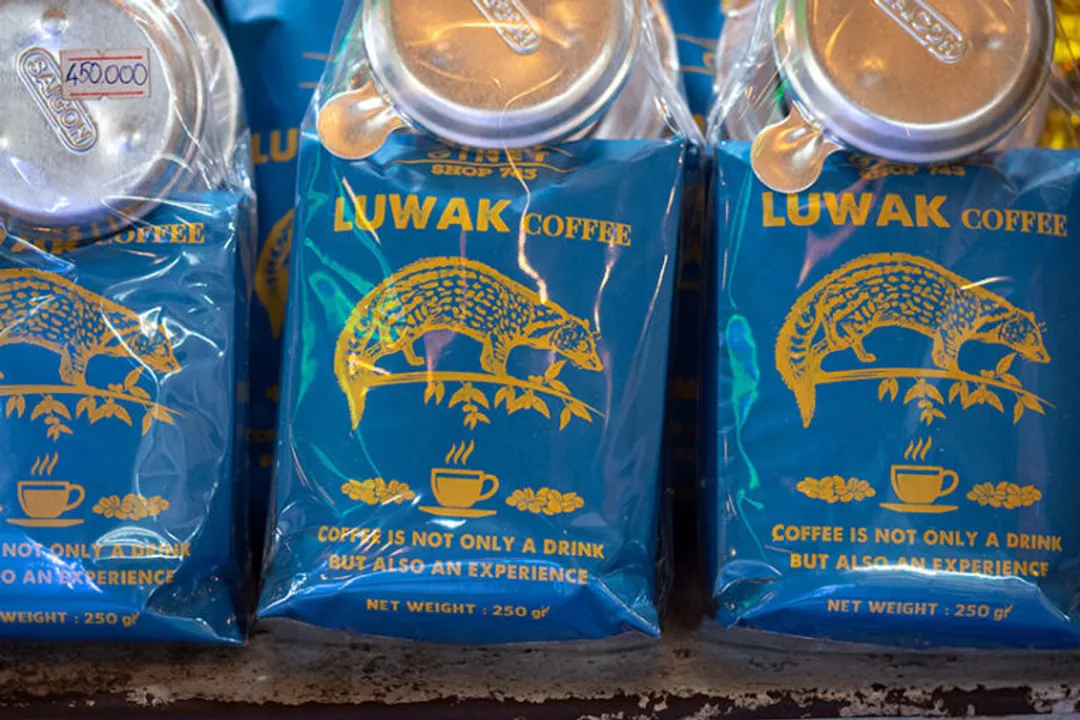
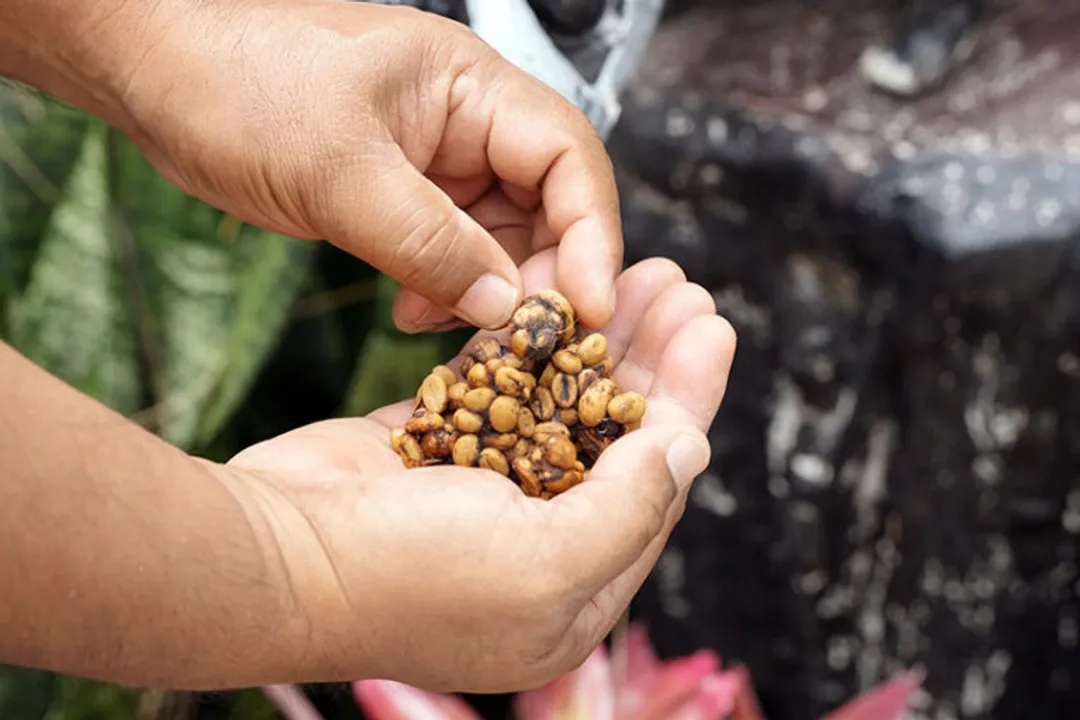
The term "civet" often brings to mind the distinct, musky scent used in perfumery or, more commonly in recent years, the highly prized, processed coffee beans known as Kopi Luwak. [1] However, the origin of this term points to a real animal—the civet—which is, in some cultures, also a source of meat. Understanding whether civet meat is "good" requires moving past its association with coffee and examining its taste, its context as a culinary item, and the associated safety and ethical considerations surrounding its source. [5]
# Animal Identity
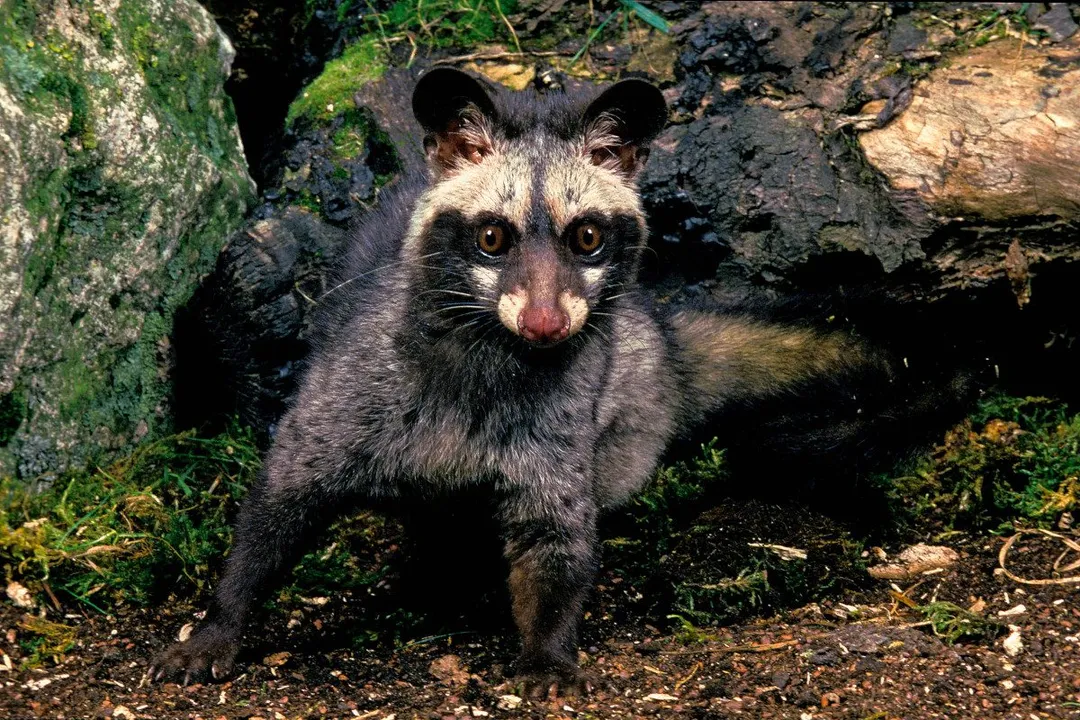
To discuss the meat, we must first clarify the creature itself. Civets are small, carnivorous, cat-like mammals found across Asia and Africa. [6][5] Despite the common name often applied to them, such as "civet cat," they are not actually felines. [6] Biologically, they belong to the family Viverridae. [9] This distinction is important because general assumptions about meat derived from members of the cat family may not accurately apply to civet meat. [4] They are varied in species and habitat, ranging from the African palm civet to the various species native to Southeast Asia. [6]
# Flavor Profile
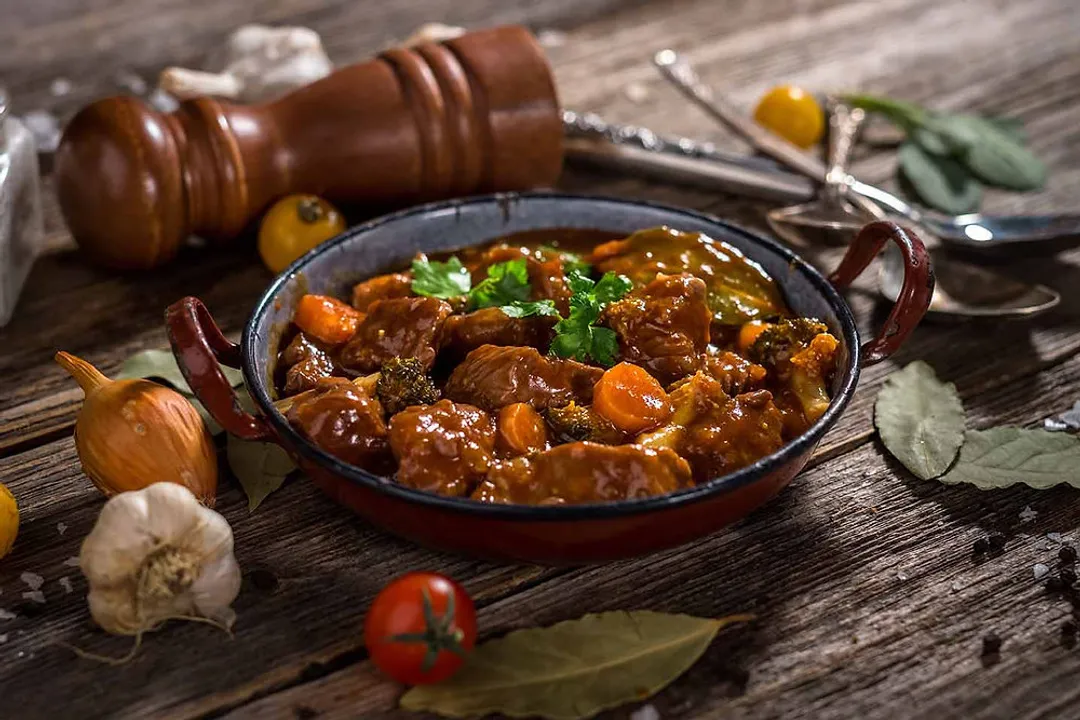
The question of palatability—whether the meat is good to eat—is subjective, depending heavily on cultural background and personal preference. Available descriptions of civet meat consumption suggest a unique flavor profile, often categorized within the broader spectrum of wild game available in certain regions. [2] Some anecdotal reports suggest that the taste of civet meat has been compared to that of chicken. [2] In regions where it is traditionally consumed, it forms part of the local diet, though it is not a commonly discussed food item in global culinary spheres compared to other forms of non-standard meat. [4]
# Geographic Context
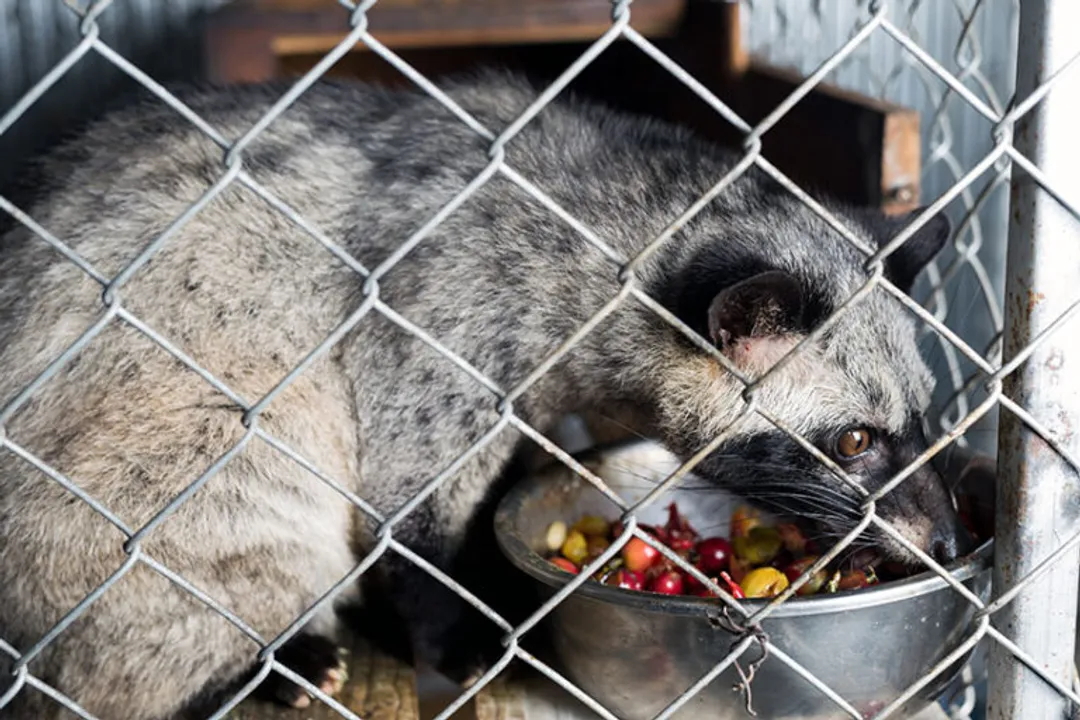
The consumption of civet meat is not widespread globally; rather, it is tied to specific local traditions where these animals are endemic or have been introduced. [6] In these areas, the civet is regarded as a type of bushmeat or game meat. [6] The act of consuming civet meat places it within a category of food sources that are often hunted or harvested locally, rather than being part of a standardized agricultural system. [5]
When we look at the global discussion surrounding civets, it is almost entirely dominated by the coffee trade, which often overshadows the meat's culinary role. [8] This disparity means that information about its preparation, traditional recipes, and general acceptance is largely localized, making a broad assessment of its "goodness" difficult to form without specific regional knowledge.
# Health Considerations
For any meat to be considered "good," safety and preparation are paramount concerns. When considering wild game like civet, questions naturally arise regarding safe handling and cooking. [3] For instance, there are practical cooking inquiries, such as whether civet meat is safe to prepare alongside other meats like chicken, indicating a need for clear, safe preparation guidelines. [3]
Furthermore, because civets are wild animals, there is an inherent risk profile associated with zoonotic diseases, a fact that has been widely acknowledged in discussions surrounding the civet's role in the Kopi Luwak coffee production, where health risks linked to the animal's natural environment are noted. [8] Any evaluation of civet meat as a food source must therefore account for potential pathogens or environmental contaminants that could be present in wild-caught specimens. [5]
Considering the context of consumption, a significant factor determining the quality or "goodness" of civet meat is the distinction between wild capture and captive farming. Wild game inherently carries unpredictable variables regarding diet and parasite load, whereas farmed animals, even if ethically questionable, might offer a more controlled (though potentially less flavorful) product, mirroring patterns seen in the production of other exotic meats globally. [6]

# Ethical Sourcing
Any discussion about utilizing a wild species for food today must confront ethical implications, and civets are no exception. The intense focus on the welfare of civets, particularly those kept in captivity for coffee production, has generated substantial controversy. [8] These ethical debates surrounding the caging, feeding, and handling of civets necessarily influence how the consumption of their meat is perceived by a broader, ethically conscious audience. [5][8] Even if the meat itself were deemed palatable, the means by which the animal was acquired—whether through regulated hunting or illicit trapping—becomes a defining factor in its modern acceptability. [5]
When assessing the 'goodness' of civet meat, it is important to look beyond immediate taste impressions. The nutritional composition, which is likely high in protein given its carnivorous classification, would be a key factor for anyone considering it a viable food source, similar to examining the macro-nutrient breakdown of common game meats. [6] However, without standardized agricultural data on farmed versus wild populations, any precise evaluation of its health profile remains speculative, meaning consumers rely heavily on the reputation and practices of the local source.
Related Questions
#Citations
AN EXPLANATION OF CIVET IN BOTH ITS' SENSES - Flavors of Paris
What does civet cat taste like?
Is civet safe with chicken? : r/Cooking - Reddit
Is cat meat edible? I've heard that the Chinese eat dog meat ... - Quora
Viverridae - The Civet Project
Civet - Wikipedia
Civet cat becomes SARS scapegoat - NBC News
Why civet coffee could be a health and ethical nightmare
Meet the civet, the animal that poops the world's most expensive coffee