What animal meat is beef?
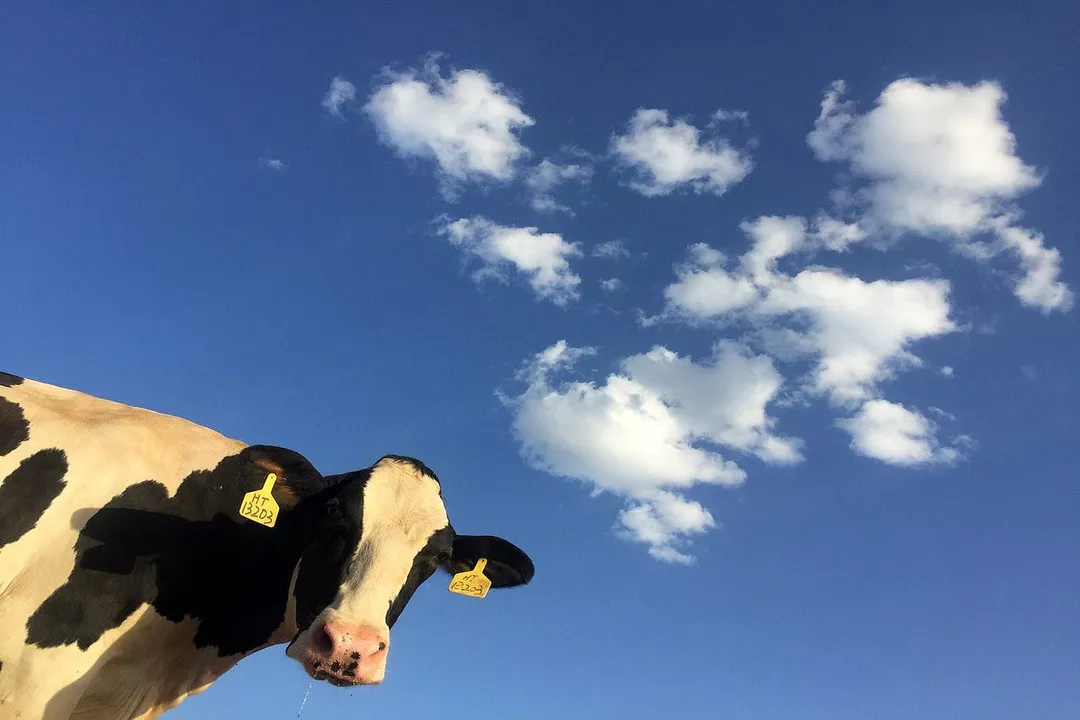
The meat generally referred to as beef comes from mature bovine animals, most commonly cattle raised specifically for meat production. It is a staple protein source globally, and while the definition seems simple—meat from a cow—the terminology surrounding bovine flesh is actually quite layered, encompassing various stages of the animal's life and gender. Understanding what defines beef requires looking beyond the simple "cow meat" label to appreciate the distinctions recognized in butchery and language.
# Bovine Source
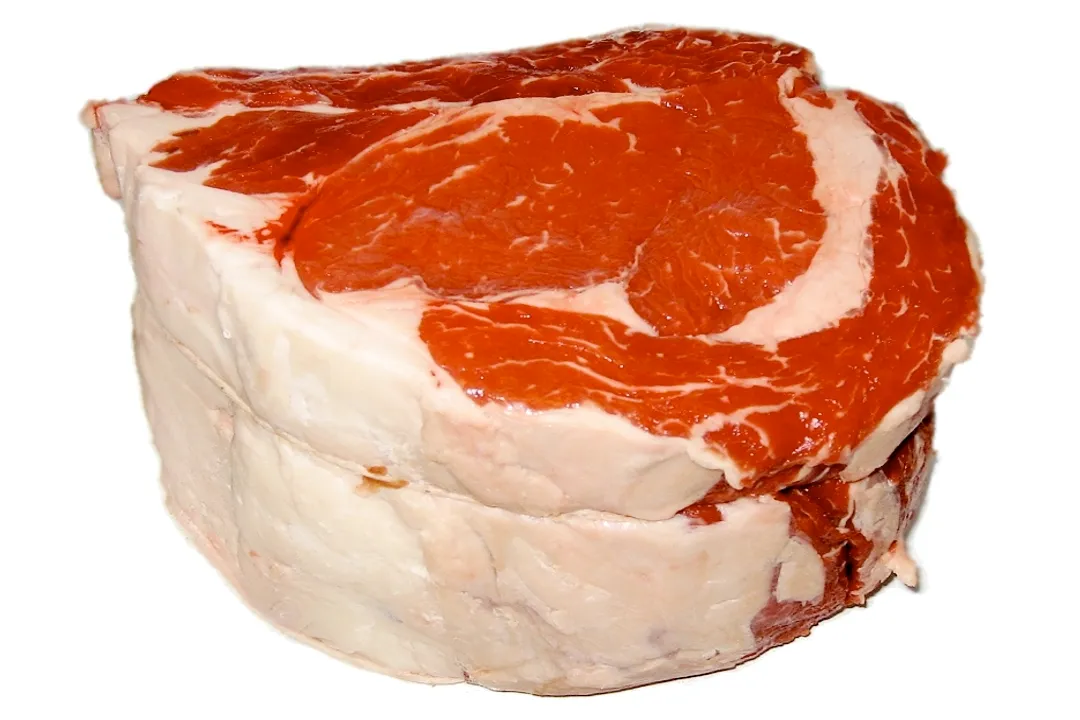
The primary animal yielding beef is cattle, but the exact term used for the meat can depend on the animal’s age and whether it has been castrated. A steer, which is a young male bovine that has been castrated before reaching maturity, is a major source of commercial beef. Mature female cows that are past their prime for dairy or breeding purposes also contribute to the beef supply. While meat from bulls (intact adult males) is technically beef, it is often tougher and less frequently found in standard consumer markets due to its stronger flavor profile. The fundamental characteristic binding all these sources together is their classification within the Bos taurus or Bos indicus species.
# Word Roots

The English language possesses a fascinating duality when naming animals and the meat derived from them, a pattern often traced back to the Norman Conquest. While the name of the living animal, like cow or ox (often referring to castrated males), has Germanic roots, the name for the cooked meat itself frequently originates from Old French. For instance, buef in Old French evolved into the modern English beef. This linguistic separation is evident across other common animals: sheep becomes mutton, and pig becomes pork. This historical linguistic inheritance is why we don't commonly call cow meat "cow" when served on a plate; the term beef serves as the accepted culinary name for bovine flesh.

# Color Science
From a nutritional and culinary standpoint, beef is categorized as a red meat. This designation is not arbitrary or based solely on tradition; it is rooted in the biochemistry of the muscle tissue. The distinctive deep red hue characteristic of raw beef is attributable to high concentrations of myoglobin. Myoglobin is a protein found within muscle cells that functions to store oxygen, making tissues that are used frequently or for sustained work naturally richer in this pigment. This contrasts with poultry, for example, which has lower myoglobin levels, resulting in lighter-colored flesh. The specific shade of red in beef can even offer a subtle clue to its freshness or the diet of the animal, although this requires expert assessment.
# Meat Distinctions
It is important to distinguish beef from other meats derived from young cattle or related species. The meat from calves, which are young bovines typically slaughtered before they are fully grown, is known as veal. Veal is significantly lighter in color and generally has a milder flavor compared to standard beef because the younger animals have less developed muscle mass and lower myoglobin content. Furthermore, while the term "beef" is strictly for cattle, consumers sometimes encounter meat from the Bison species, which is commonly referred to as buffalo meat. Although both are large bovines, they are biologically distinct, meaning buffalo meat technically falls outside the strict definition of beef.
To further clarify these common sources and names, one might observe this pattern in butchery terminology:
| Animal Term | Common Culinary Meat Term | Typical Age/Sex |
|---|---|---|
| Steer/Cow | Beef | Mature/Castrated Male |
| Calf | Veal | Young Bovine |
| Pig | Pork | Various |
| Sheep | Mutton/Lamb | Various |
| Chicken | Poultry | Various |
This table illustrates how the English language separates the animal from the food product, a concept highlighted by historical linguistic drift. Observing these standardized names helps consumers navigate the meat counter with better clarity regarding the product's source animal.

# Practical Implications
While the definition centers on the Bos species, the actual dining experience is heavily influenced by the how and when the animal reached maturity. For instance, the practices of castration and age at harvest directly impact the tenderness and fat marbling—key determinants of flavor and texture appreciated by chefs and home cooks alike. A consumer seeking extremely tender cuts might prioritize meat labeled as coming from a younger steer, whereas meat from older, leaner dairy cows, while still beef, will often require different preparation methods, such as slow cooking, to break down connective tissues effectively. Recognizing the origin animal helps set expectations for texture and flavor before the food even hits the grill. When sourcing cuts marketed simply as "beef," the implied expectation is that the meat originates from cattle older than calves but generally younger than older breeding bulls, balancing desirable tenderness with substantial muscle development.
#Videos
Why Is Beef Called “Beef”? - YouTube
Related Questions
#Citations
Beef - Wikipedia
Is the meat of cow, bull, buffalo all called beef out there - Reddit
Cow is Beef, Chicken is Chicken: The Different Names of Meats in ...
Historical reason for different names of animals and their meat
Why Is Beef Called “Beef”? - YouTube
What is beef? Is cow meat beef? - Quora
Why is beef called a "red" meat? - Ask USDA
Why Beef Is Not A Cow?. The short history of English language
Beef | Definition, Grades, & Facts - Britannica