What is gui meat?
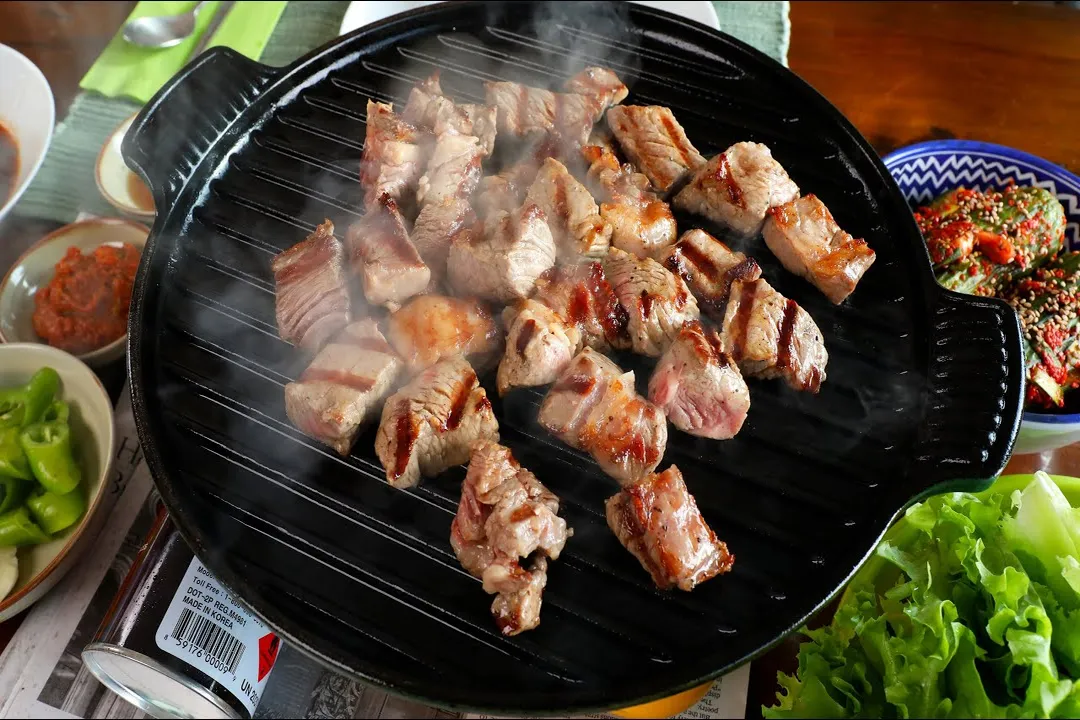
The term gui in Korean cuisine refers quite broadly to any food that has been cooked by grilling. While many outside of Korea primarily associate gui with the smoky, social experience of Korean barbecue, the category encompasses far more than just marinated beef strips. It is one of the fundamental cooking classifications in the Korean culinary tradition, grouping together items that share the characteristic of direct dry heat application.
# Defining Grilling
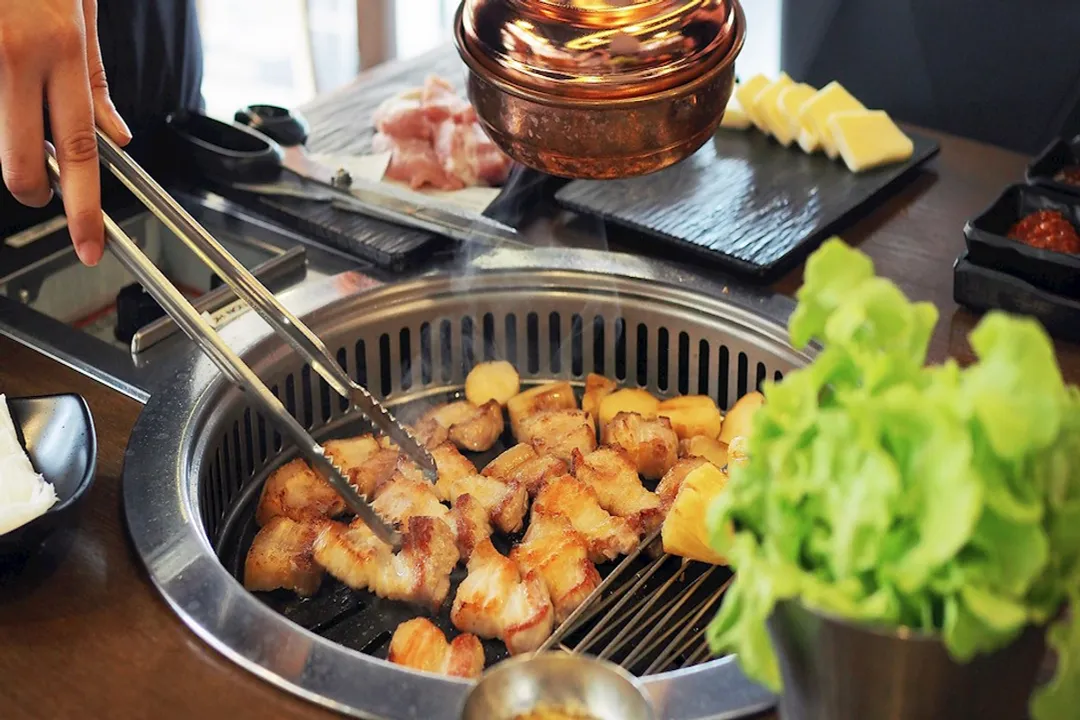
At its most basic, gui describes the cooking method, rather than a specific ingredient or final flavor profile. This method distinguishes itself from other cooking techniques like jjim (steaming) or bokkeum (stir-frying). Because the application of heat is direct, gui dishes often develop a desirable exterior char and smoky depth that other methods struggle to replicate.
While the prompt asks specifically about gui meat, it is important to note that this preparation style is adaptable. Ingredients suitable for gui range from various cuts of meat and seafood to simple vegetables. However, the globally recognized form of gui usually involves beef or pork cooked either in a restaurant setting on a built-in grill or prepared at home over charcoal. The emphasis on high heat is key; a very thin slice of meat cooked quickly on a flat, oiled pan might be considered bokkeum or pan-fried, whereas the same cut exposed to open flame or a perforated grate moves firmly into the gui classification.
# Core Meats
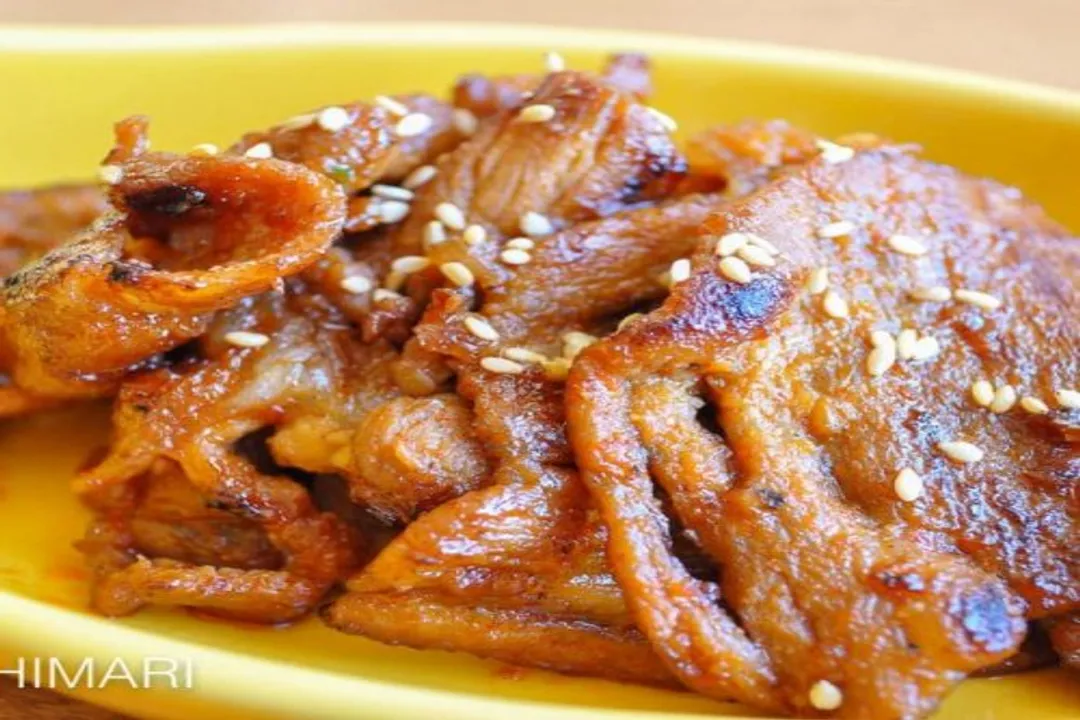
When people discuss gui meat, they are often referring to expertly prepared beef, though other meats feature prominently. A well-known example is Soegogi Gui, which specifically refers to grilled beef. Recipes for this dish often detail how the beef is prepared, suggesting a specific marinade composed of ingredients like soy sauce, sugar, sesame oil, and garlic to tenderize the meat and build flavor before it hits the heat source.
The scope of gui meat extends into less common cuts, demonstrating the nose-to-tail approach common in traditional Korean cooking. For instance, Gopchang Gui involves grilling beef tripe—the intestines—which is seasoned and cooked until it achieves a chewy texture. This highlights that gui preparation is applied to maximize the eating quality of diverse animal parts, not just prime cuts of steak.
In professional and communal settings, the meat—whether thinly sliced short rib (galbi) or marinated beef—is frequently cooked right at the table. This interactive element transforms the meal from simple consumption into a shared event. The quality of the final product heavily relies on the type of heat source. While modern indoor grills might use gas or electric heat, true depth of flavor often comes from cooking over charcoal.

# Preparation Nuances
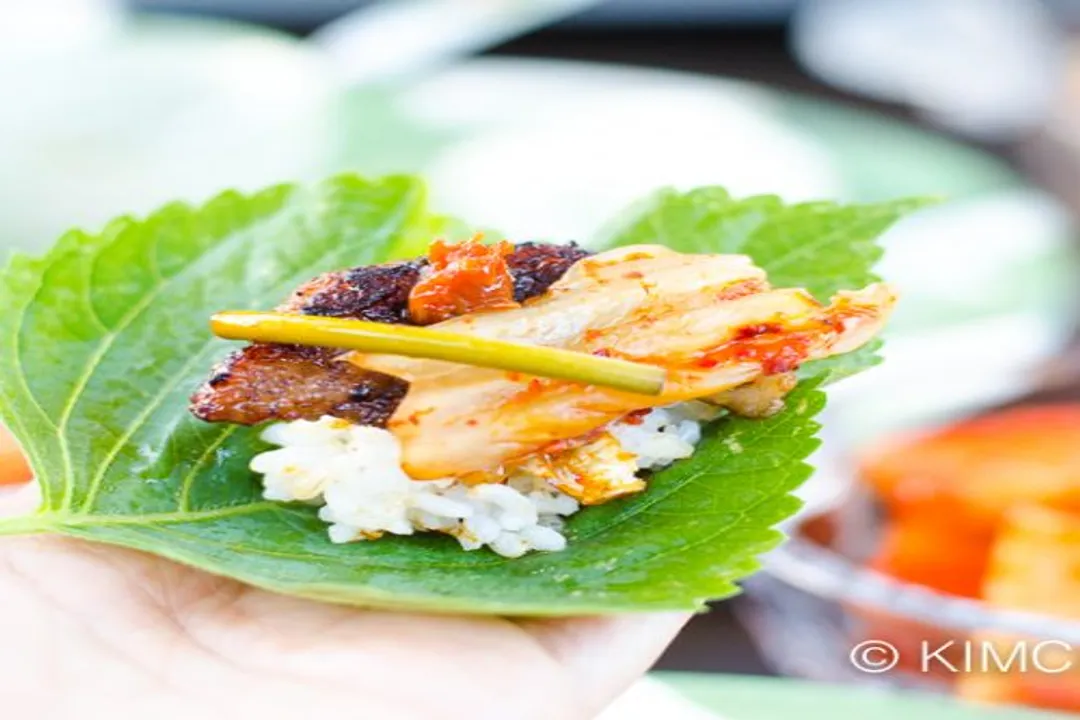
The preparation stage for gui meat is where much of the flavor is locked in. Marinades are common, especially for beef, acting as both tenderizers and flavor carriers. The balance within these marinades is crucial because the high heat used for gui has a dramatic effect on sugars.
If you are attempting to replicate high-quality gui at home, especially with marinated cuts, pay close attention to the sugar content of your marinade. High amounts of honey or sugar, while delicious, caramelize very rapidly under the intense, direct heat of charcoal. This rapid reaction can lead to the exterior burning black while the interior remains undercooked or tough. A practical approach involves applying the marinade generously, but perhaps wiping off any excess liquid pooling on the surface just before placing the meat on the grill, or relying more on soy sauce and aromatics for initial flavor, finishing with a light brush of a sweeter glaze only in the final minute of cooking. This small adjustment can drastically improve the surface char without sacrificing internal juiciness.
The preparation is not limited to marinades. Even non-marinated gui relies on careful seasoning, often just salt and pepper, to allow the natural flavor of the beef or pork to dominate, which then depends entirely on the quality of the cut and the cooking technique.
# Grilling Methods and Experience
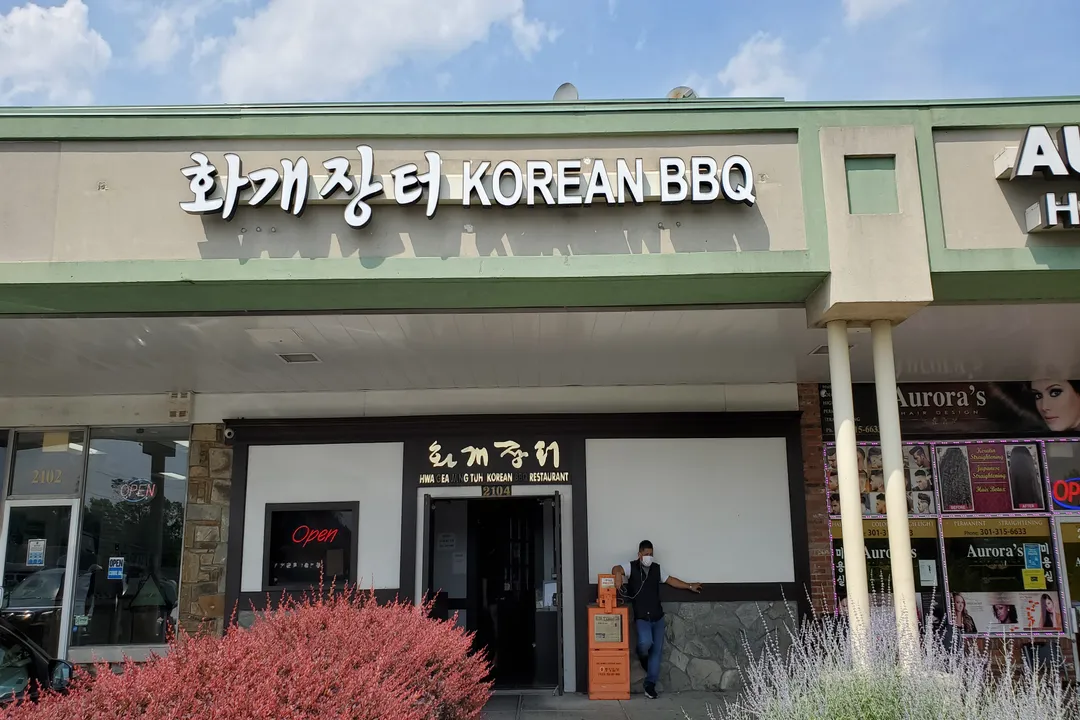
The way gui is presented and eaten is integral to the experience. It often involves patrons grilling their own food at the table, which necessitates a certain level of tableside equipment. This environment is inherently social. Unlike a dish served fully prepared from a kitchen, the continuous grilling and immediate consumption mean the food is eaten piping hot off the heat source.
Visually, many gui dishes are characterized by the appealing contrast between the dark, smoky sear marks and the lighter, richly flavored interior of the meat. The texture profile is also highly valued: a successful gui should offer a slight crispness or chew on the outside, followed by a tender, yielding center.
Considering the logistics of grilling indoors, understanding the equipment matters. In many Korean settings, the grill apparatus is vented directly to remove smoke efficiently, a design feature essential when cooking fatty meats over open flame inside an enclosed dining area. This engineering allows the intense heat necessary for good gui without overwhelming the dining room with smoke. If you are using a home grill pan without dedicated venting, choosing leaner cuts or relying on lower-to-medium heat, accepting a less traditional char, might be a necessary compromise for comfort and air quality.
# Beyond the Barbecue Context
While Korean barbecue (gogi-gui) dominates the global perception of gui, looking at the broader spectrum helps appreciate the term's true scope. The general concept of grilling extends to seafood and even vegetables, meaning a skewer of marinated peppers or a whole grilled fish cooked over coals also falls under the gui umbrella.
This classification system shows that the Korean kitchen places high importance on cooking food directly over fire or high heat as a distinct preparation style, independent of specific ingredients. Many traditional Korean meals feature multiple small dishes (banchan) alongside a main course, and a grilled component—whether it's meat, tofu, or vegetables—is a staple way to introduce textural contrast and smoky depth to the overall spread.
For example, consider a typical home meal. If the main event is a stew (jjigae), the accompanying gui might be simple grilled mushrooms or slices of seasoned zucchini, ensuring that variety in texture and flavor is present across the table, rather than every component being soft or soupy. This contrasts with Western grilling, where the term "barbecue" almost exclusively implies a large piece of meat as the central focus of the cooking event. In the Korean context, the gui element acts as an important, often smaller, textural counterpoint within a larger meal structure.
In summary, gui is fundamentally about applying dry, high heat to food on a grate or over an open flame. While its fame rests on savory, often marinated meats like beef (Soegogi Gui), it is a versatile cooking technique applied to nearly any ingredient that benefits from char and smoke. Understanding this technique as a core pillar of Korean cooking reveals a methodology focused on extracting maximum flavor and texture from the ingredients through the elemental process of grilling.
Related Questions
#Citations
In Korean cuisine the word gui or guee is a grilled dish ... - Facebook
Gui | Traditional Barbecue From South Korea, East Asia - TasteAtlas
Gui (food) - Grokipedia
Korean-style grilled beef BBQ (Soegogi-gui) recipe by Maangchi
Gui (food) Facts for Kids
Gui Fei Meat is a very popular dried meat in South East Asia ...
Hwagaejangtuh Story of Chadolbagyi Gui
Gui Archives - Kimchimari