What are the four main types of meat?
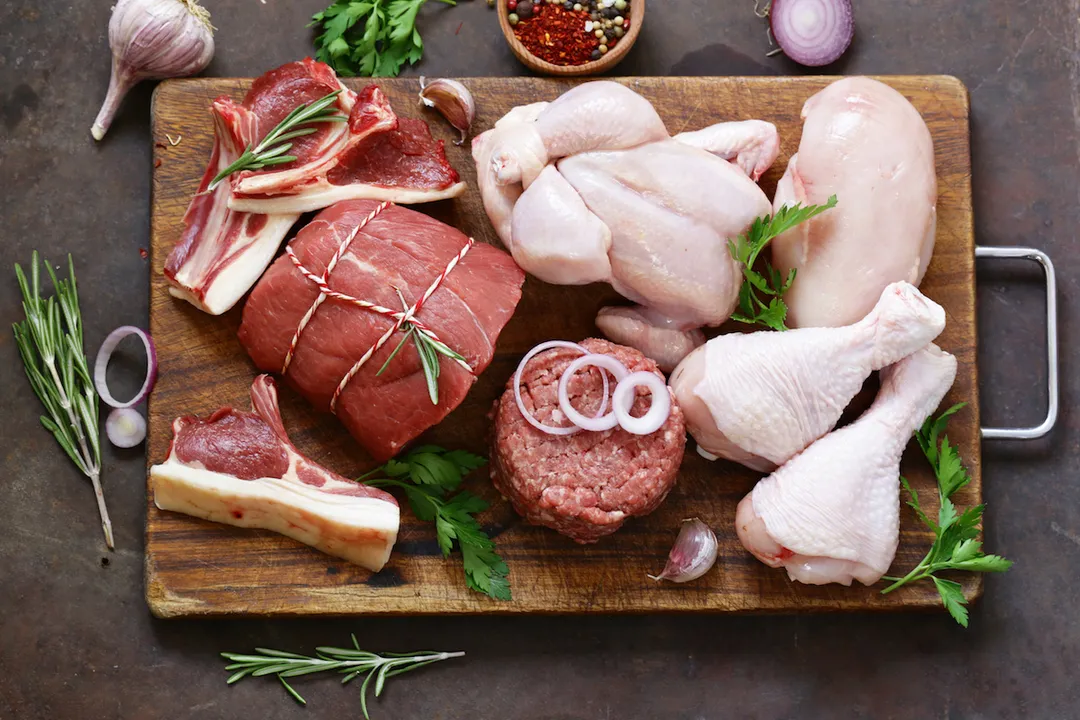
The world of edible animal flesh is vast and varied, deeply woven into global economies and cultural traditions across history. [3] While the term ``meat'' itself once served as a general word for any food in Old English, today it most commonly refers to the edible muscle, fat, and connective tissue of an animal consumed by humans. [3] To navigate this diverse category, food science and culinary practice often rely on key distinctions, primarily based on the source animal and the resulting color of the flesh. When seeking to understand this spectrum, it is most helpful to divide the primary sources into four main, commonly accepted categories: Red Meat, Poultry, Fish, and Seafood. [1] This categorization helps consumers and chefs alike appreciate the unique nutritional profiles, textural differences, and optimal cooking approaches for each group. [1][2]
# Color Classification

The most immediate way to categorize meat is by its color, which is directly tied to the concentration of myoglobin, a protein responsible for transporting oxygen within muscle cells. [1][3] Meats with higher myoglobin content appear redder, while those with lower concentrations appear lighter, leading to the culinary distinction between red and white meat. [1]
The scientific definition often narrows "meat" to the flesh of terrestrial, warm-blooded, four-legged animals such as cattle, sheep, and pigs. [3] In this restrictive view, fish and poultry fall outside the core definition. [3] However, for practical culinary and nutritional discussions, the four categories—Red Meat, Poultry, Fish, and Seafood—provide a more complete map of what lands on the dinner plate. [1]
# Mammalian Flesh

Red Meat forms the category derived from mammals, characterized by its typically higher iron content and more robust flavor profile compared to poultry. [1] The characteristic red hue in uncooked or rarely cooked meat comes from a greater presence of myoglobin in the muscle tissue. [1]
This group encompasses a wide variety of familiar sources:
- Beef: Meat sourced from cattle, forming the basis for familiar items like steaks and roasts. [1][3]
- Pork: Despite common marketing referring to it as “the other white meat,” pork is scientifically classified as red meat due to its myoglobin levels. [1][3]
- Lamb and Mutton: Lamb is meat from young sheep (under a year old), generally more tender, while mutton comes from older sheep and is typically stronger in flavor. [1][3]
- Game Meats: These are lean meats from wild mammals like venison (deer) or bison, which naturally consume varied, wild diets. [1]
- Veal and Goat: Meat from young cattle and goat meat, respectively, also fall under the red meat umbrella. [1]
The nutritional profile of red meat is generally high in protein, essential for body maintenance, and rich in nutrients like vitamin B12 and iron. [1] However, a primary consideration for red meat consumption, especially processed varieties like sausages or deli meats, is the higher saturated fat content compared to leaner options. [1]

# Avian Sources

Poultry refers to the edible flesh of birds, primarily encompassing chicken, turkey, and duck. [1][2] This group is often aligned with the "white meat" classification, largely due to lower myoglobin levels compared to mammalian muscle. [1]
Chicken, particularly the skinless breast cut, is frequently cited as one of the leanest proteins available, sometimes containing virtually no saturated fat in that specific cut. [2] Poultry is prized for being high in protein while generally being lower in overall fat and calories than most red meats. [1] Turkey, another staple, offers a mild flavor and is notable for providing selenium, a mineral supporting immune and thyroid health. [1] Duck, while poultry, is richer in fat than chicken or turkey due to the layer of insulating fat beneath its skin, a feature that aids in flavor rendering during cooking. [2]
# Aquatic Proteins
The final two categories, Fish and Seafood, cover the flesh of aquatic animals. While sometimes grouped together, separating them aids in nutritional distinction. [1]
Fish includes species like salmon, tuna, and cod. [1] Nutritionally, many fish are celebrated for being excellent sources of lean protein and, critically, omega-3 fatty acids. [1] These fats are highly beneficial, particularly for supporting heart and brain health. [1][2]
Seafood expands this grouping to include shellfish and mollusks, such as shrimp, crab, lobster, oysters, and clams. [1][2] Like fish, these are rich in lean protein and provide various essential vitamins and minerals. [1] It is worth noting that in some cultural or religious contexts, fish and seafood are explicitly excluded from the definition of "meat," which is reserved for land-dwelling animals. [2][3]

# Structure, Cuts, and Cooking Context
The foundation of meat quality and how it is best prepared lies in its structure. Meat is fundamentally composed of muscle tissue, connective tissue, and fatty tissue, all suspended in water. [3][4] Muscle tissue consists of fibers containing the proteins actin and myosin, which are key to contraction. [3][4]
The location of the muscle on the animal significantly impacts the connective tissue content, which dictates the cut's eventual tenderness and the appropriate cooking method. [1][5] Muscles that are worked heavily, such as those from the rear end or shoulder (like the Shank or Round in beef), are tougher because they contain more fibrous connective tissue like collagen. [1][5] These cuts benefit from slow, moist heat methods like braising, which allows the tough collagen to dissolve into soft gelatin, increasing palatability. [3][5] Conversely, muscles near the center of the animal that do less work, such as the Loin or Rib sections, possess the tenderest cuts (like New York strip or ribeye) and are best suited for quick, dry-heat methods like searing or grilling. [1][5] For example, pork shoulder yields excellent pulled pork when cooked slowly, while the loin yields quick-cooking pork chops. [5] Understanding this relationship between muscle use and structure is vital for maximizing flavor and texture, regardless of whether one is selecting beef or pork. [5]
# The Science of Post-Mortem Changes
Beyond the live animal's physiology, the process immediately following slaughter—known as post-mortem changes—profoundly affects the final product's texture and quality. [3][4] After an animal dies, muscle cells cease receiving oxygen, forcing a metabolic shift where stored glycogen is converted into lactic acid. [3][4] This buildup of lactic acid causes the muscle's to drop, often to around 5.5. [3][4] This change, coupled with the depletion of ATP (adenosine triphosphate), leads to rigor mortis—the stiffening of the muscle. [3][4] When meat is cooked during this rigid state, its water-holding capacity is lowered, resulting in meat that can be tough and "weepy". [3][4]
This chemical process offers an excellent opportunity for culinary practice. The ultimate tenderness and flavor, however, are often achieved after rigor mortis resolves, as muscle proteins continue to denature over time. [3] This principle is why many cuts of meat are intentionally held in chilled, hygienic conditions for aging—a process that increases tenderness and flavor by allowing this natural proteolysis and denaturation to occur before the meat is purchased. [3] For the consumer, this means that a cut labeled as "aged" has been deliberately held to improve its eating quality by passing through the tough rigor mortis phase under controlled conditions. [3]

# Nutritional Balance and Dietary Choices
The nutritional benefits of meat are significant, providing high-quality protein, essential amino acids, and various vitamins and minerals. [2][3] The choice among the four main types often comes down to fat content and specific nutrient needs. [1]
If the goal is a very lean protein source, certain poultry cuts and specific fish are superior choices. [1][2] Conversely, red meat is a powerhouse for iron and vitamin B12. [1] However, the health conversation surrounding meat often centers on moderation, particularly concerning processed versions. [1] Processed meats carry higher risks due to added nitrates, high sodium levels, and saturated fats, leading health organizations to recommend limiting their intake. [1] Furthermore, high-temperature cooking methods like heavy grilling or charring can create potentially carcinogenic compounds like Heterocyclic Amines (HCAs), impacting nearly all muscle meats, including poultry and fish cooked this way. [1][3] Balancing the nutrient-dense properties of these foods with an awareness of processing and preparation methods is key to incorporating them healthily into the diet. [1]
If you are aiming to maximize lean protein intake while keeping fat low, your best bet is often a skinless chicken breast or certain white-fleshed fish. [2] For those prioritizing specific minerals like iron, focusing on red meat in moderation might be the preferred approach. [1] A practical way to manage intake across the board is to maintain a flexible approach: perhaps reserving fattier red meats for slow-cooked weekend meals, relying on lean poultry for daily lunches, and incorporating fatty fish a couple of times a week for those heart-healthy omega-3s. [1][2] This approach ensures variety while acknowledging the different strengths of each main category.
Related Questions
#Citations
10 Types of Meat: Their Benefits, Concerns, and How to Cook Each
An Insightful Guide to All Types of Meat - BetterMe
Meat - Wikipedia
Different Meat Cuts Explained - Chad's BBQ
Meat : Structure, Composition & Classification - Food Tech 101