What are the three types of spoilage?
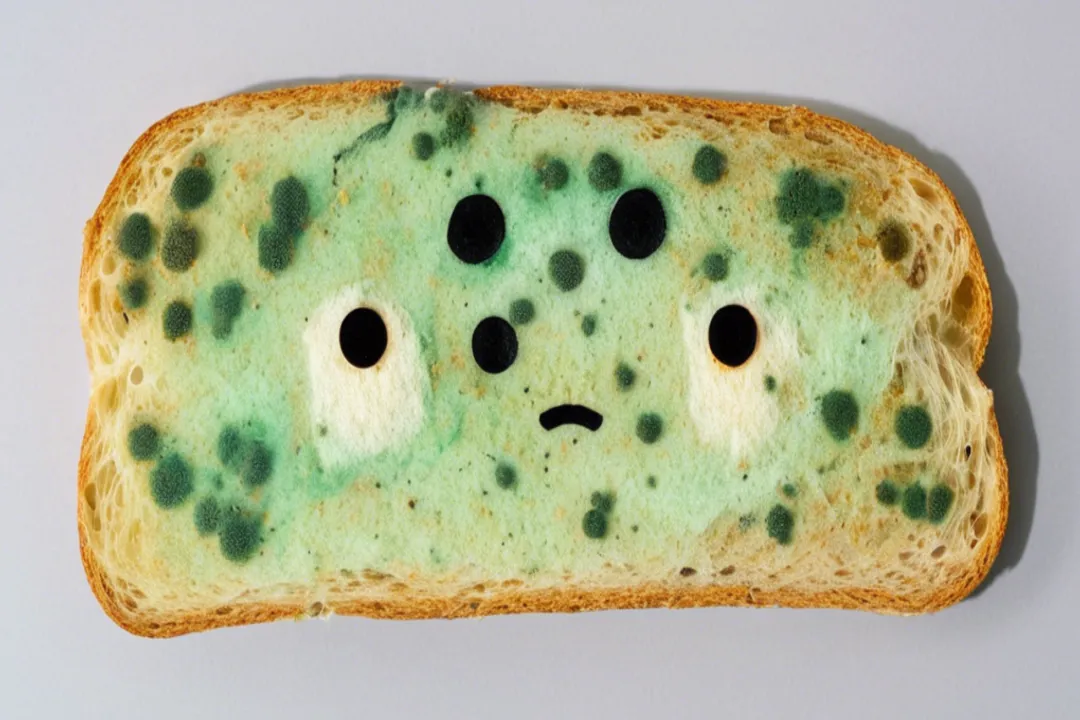
Food degradation is a universal challenge, whether you are storing a loaf of bread on the counter or managing a large-scale food processing facility. When we talk about food going "bad," we are describing a state where the food's quality, taste, appearance, or safety has declined to an unacceptable level. [3] This entire process is known as food spoilage, and understanding its mechanisms is the first line of defense against waste and potential illness. [4] While it might seem like a single problem, food scientists categorize spoilage into distinct mechanisms, generally grouping them into three primary types: chemical, physical, and microbial changes. [1][3] Recognizing which category a specific problem falls into directly informs the best preservation strategy to employ.
# Three Categories
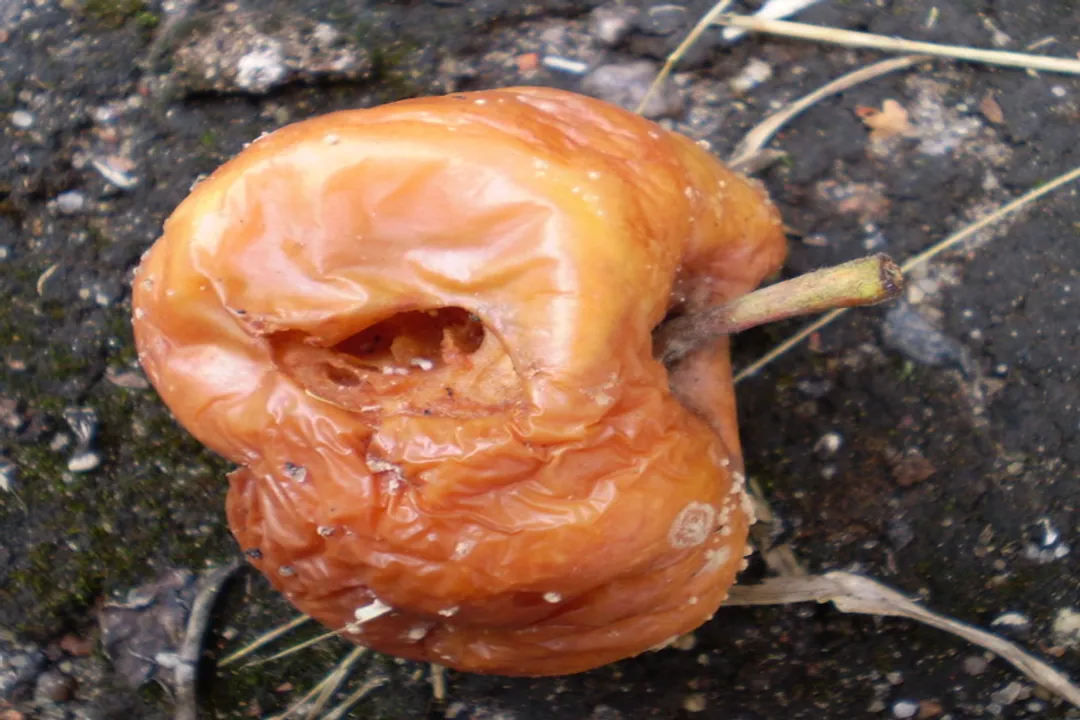
These three classifications—chemical, physical, and microbial—represent the major pathways through which edible substances lose their desirable attributes. [1] Chemical spoilage involves undesirable reactions within the food's own structure, often accelerated by factors like light or exposure to air. [3] Physical deterioration deals with the structural integrity and environmental impact, such as changes in moisture content or physical damage during handling. [3] Microbial spoilage, which is often the most dangerous, results from the action of unseen organisms like bacteria, yeasts, and molds. [6] It is important to note that these types do not always occur in isolation; often, one type can initiate or accelerate another, creating a cascade effect toward complete deterioration. [8]
# Chemical Spoilage
Chemical deterioration is driven by non-living reactions occurring within the food matrix itself. These processes typically affect flavor, color, and nutritional value before visible signs of microbial contamination appear. [3]
# Oxidation Changes
One of the most common chemical spoilage routes is oxidation, which often involves fats and oils. [1] When fats react with atmospheric oxygen, a process known as rancidity occurs. This reaction produces volatile compounds that result in the characteristic unpleasant, stale, or "off" flavors and odors we associate with spoiled fats. [1] Though rancidity primarily affects sensory quality, it also degrades valuable nutrients. The rate of this process is highly dependent on the food's composition; for example, foods rich in unsaturated fatty acids are significantly more susceptible than those high in saturated fats. Exposure to light and trace metals, like iron or copper, can dramatically speed up this chain reaction, highlighting how environmental factors interact with inherent chemical composition. [3]
# Enzymatic Activity
Another major chemical pathway is degradation driven by enzymes naturally present in food tissues, even after harvesting or slaughter. [1] Enzymes are proteins that act as catalysts for biochemical reactions. One frequently observed consequence is enzymatic browning in cut fruits and vegetables, such as apples or potatoes. [3] When these tissues are cut, cells are ruptured, allowing naturally occurring enzymes like polyphenol oxidase to interact with oxygen, producing dark pigments. [1] While this is often just a cosmetic issue, severe enzymatic action can lead to undesirable textural changes or the breakdown of essential vitamins over time. [3]
As an operational consideration for processors, one can often immediately reduce enzymatic spoilage by applying a brief, controlled heat treatment—blanching, for example—to denature the responsible enzymes without fully cooking the product. However, a subtle chemical process that is often overlooked, especially in protein-rich foods like cheeses or cured meats, is the slow, post-mortem breakdown of proteins and amino acids, which contributes to flavor maturation but, if unchecked, leads to ammoniacal or putrid off-notes long before mold ever appears. This requires careful management of storage time and temperature, even in environments hostile to microbes. [1]
# Physical Deterioration
Physical spoilage relates to the non-living, non-chemical structural changes in food, primarily driven by the environment or handling practices. [3] These changes often reduce consumer appeal through texture loss or dehydration.
# Moisture Shifts
The movement of water is a dominant factor in physical spoilage. [3] Foods can either gain or lose moisture, depending on the relative humidity of their storage environment compared to their internal water activity. Grains and crackers that become damp, for instance, often soften and become sticky, not only losing their desirable crispness but also increasing their susceptibility to microbial attack because higher water activity supports microbial growth. [3] Conversely, if fresh produce or meat is stored in a dry environment, it will lose water through evaporation, leading to desiccation—wilting, shriveling, or tough, leathery surfaces—making the product less marketable. [3] The rate of this moisture exchange is a direct function of the packaging's permeability; plastic films that allow some vapor transmission will protect fresh items from drying out but may promote mold growth if the internal humidity becomes too high.
# Texture Damage
Beyond water movement, physical spoilage encompasses mechanical damage. [3] Dropping a container of eggs, crushing berries during transport, or improper freezing that causes ice crystal formation leading to weepage upon thawing all fall under this category. These structural breaks compromise the food's cellular matrix, causing leakage of internal fluids and creating sites where microbial entry is easier. While a bruised peach is still technically edible if handled quickly, the physical damage accelerates subsequent chemical and microbial decomposition by exposing internal tissues. [3]
# Microbial Growth
Microbial spoilage is perhaps the most widely recognized and concerning type because it is directly tied to foodborne illness risks, although not all microbes that cause spoilage necessarily cause illness. [4][9] This category is defined by the proliferation of living organisms: bacteria, yeasts, and molds. [6]
# Bacteria Action
Bacteria are single-celled organisms that multiply rapidly under favorable conditions, often leading to obvious signs like sliminess, gas production, or foul odors. [7] Spoilage bacteria thrive when conditions support their growth, which typically means adequate moisture, near-neutral pH, and appropriate temperatures. [2] For example, bacteria on fresh meat stored above the safe temperature zone (usually above or ) can multiply exponentially, leading to off-flavors as they break down proteins and carbohydrates. [4][9] The appearance of a slimy film on deli meats or souring in milk are classic examples of bacterial spoilage in action. [7]
# Fungi Concerns
Yeasts and molds represent the other major microbial players in food decay. [6] Yeasts are adept at spoiling high-sugar foods, such as fruit juices, jams, and syrups, often causing fermentation—the conversion of sugars into alcohol and carbon dioxide—which results in bubbling, cloudiness, and an alcoholic taste. [6] Molds, which are filamentous fungi, are particularly good at growing in drier, high-sugar, or high-salt environments where bacteria might struggle, such as on the surface of bread, cheeses, or dried fruits. [6] While one might be tempted to simply cut the mold off a hard cheese, the hidden thread-like filaments (hyphae) can penetrate deeply, and some molds produce dangerous mycotoxins, a level of concern rarely associated with simple chemical rancidity. [3][9]
To gain a clearer perspective on control, consider the primary environmental drivers that these three categories react to. Chemical changes are often driven by catalysts like oxygen, light, or inherent enzymes. [1][3] Physical changes are governed by external forces like temperature fluctuation (freezing/thawing) or humidity. [3] Microbial spoilage, however, is uniquely susceptible to control via three key extrinsic factors: temperature, water activity (), and . [2] A food producer aiming to extend shelf life for a canned good uses heat (to kill microbes and inactivate enzymes—chemical), while a baker uses moisture barriers (physical) and slightly acidic ingredients (to inhibit bacteria—microbial).
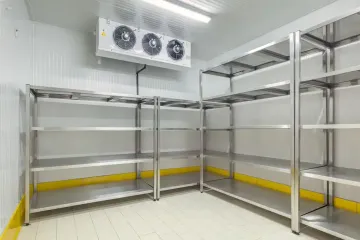
# Spoilage Control
Effective food preservation hinges on attacking the weakest link in the spoilage chain relative to the specific food item. [1] For highly perishable items like fresh fish, the focus must be immediate and total control of microbial growth through rapid chilling, as chemical and physical changes are slower to manifest detrimentally. [4] Conversely, for shelf-stable items like vegetable oils, the primary defense is against chemical oxidation through airtight packaging and the addition of antioxidants. [1]
| Spoilage Type | Primary Driver | Typical Manifestation | Most Effective Control Strategy |
|---|---|---|---|
| Chemical | Oxygen, Light, Enzymes | Rancidity, Browning, Off-flavors [1][3] | Antioxidants, Temperature moderation, Enzyme deactivation [1] |
| Physical | Moisture, Handling, Temperature Abuse | Desiccation, Staling, Bruising [3] | Proper barrier packaging, Gentle handling, Controlled environment storage [3] |
| Microbial | Bacteria, Yeast, Mold Growth [6] | Slime, Gas, Sourness, Mold filaments [7][9] | Heating (canning), Freezing, Dehydration, adjustment [2][6] |
When we look at the interplay, we can see how failure in one area guarantees failure in another. If physical protection fails—say, a vacuum seal cracks—oxygen ingress accelerates chemical oxidation and simultaneously provides the environment needed for aerobic microbial spoilage to begin. Similarly, if temperatures rise too high, the control over microbial proliferation is lost, and the elevated temperature can also increase the rate of enzymatic reactions within the food. [2][9] The mastery of food storage, therefore, is often about managing these overlapping dependencies rather than tackling just one problem in isolation. Preserving quality long-term means keeping the chemical, physical, and biological environments hostile to degradation, often through a combination of barriers and extreme conditions. [1]
Related Questions
#Citations
Food Spoilage: Causes, Types, and Prevention Methods
Types of Spoilage, Factors Affecting the Microbial ... - Pharmaguideline
Food spoilage - Wikipedia
Protecting Your Family from Food Spoilage - USDA
Food spoilage Flashcards - Quizlet
17.5B: Food Spoilage by Microbes - Biology LibreTexts
Spoilage - an overview | ScienceDirect Topics
Microbial diversity of meat products under spoilage and its ... - NIH
[PDF] Microbial Food Spoilage — Losses and Control Strategies