What type of wine is Friuli?
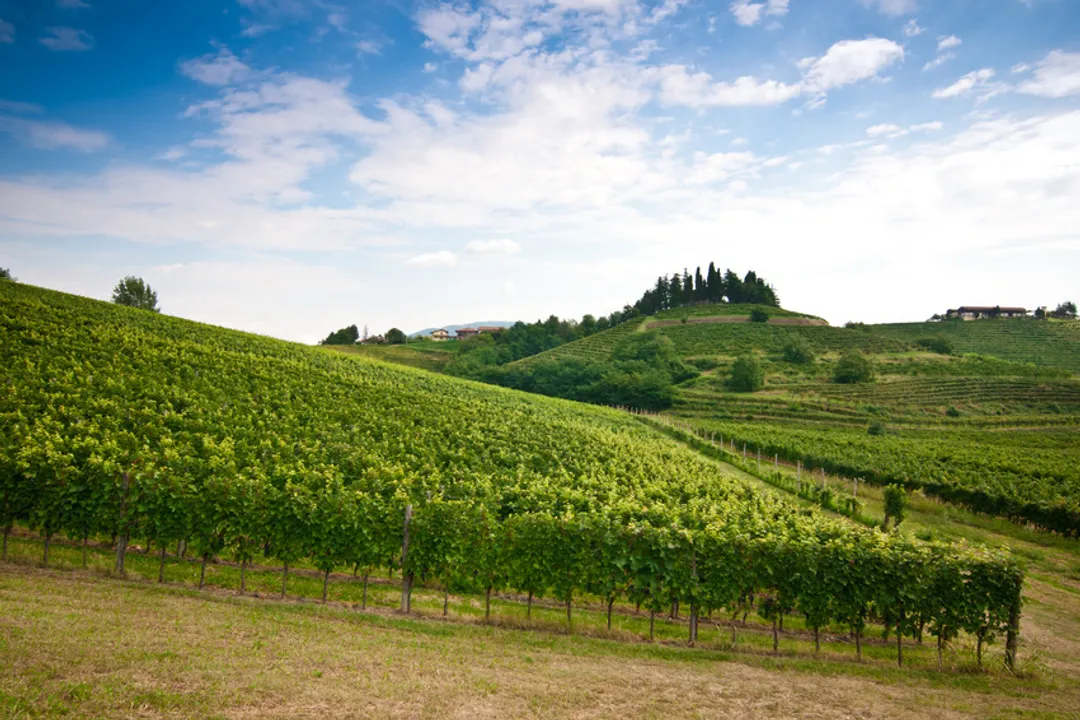
The region of Friuli-Venezia Giulia, tucked away in the northeastern corner of Italy, presents a fascinating chapter in Italian viticulture, distinct from the sun-drenched stereotypes often associated with the country's wine. Situated where the Julian Alps meet the Adriatic Sea, this area acts as a cultural and climatic crossroads, blending Slavic, Germanic, and Italian influences that shape its character both on the map and in the glass [cite: Wine Searcher, Cellar Tours, Italian Wine Central]. While Italy is globally celebrated for its reds like Chianti and Barolo, Friuli's reputation, particularly in the international market, is overwhelmingly built upon crisp, elegant white wines that possess remarkable aromatic intensity and striking minerality [cite: Wine Folly, Jancis Robinson, Vias Wine]. This unique geographical positioning is key; the proximity to the Alps provides cool nights that preserve acidity, while the Adriatic moderates winter temperatures, creating an ideal environment for cultivating high-quality white varieties [cite: Wine Searcher, Cellar Tours].
# Alpine Influence
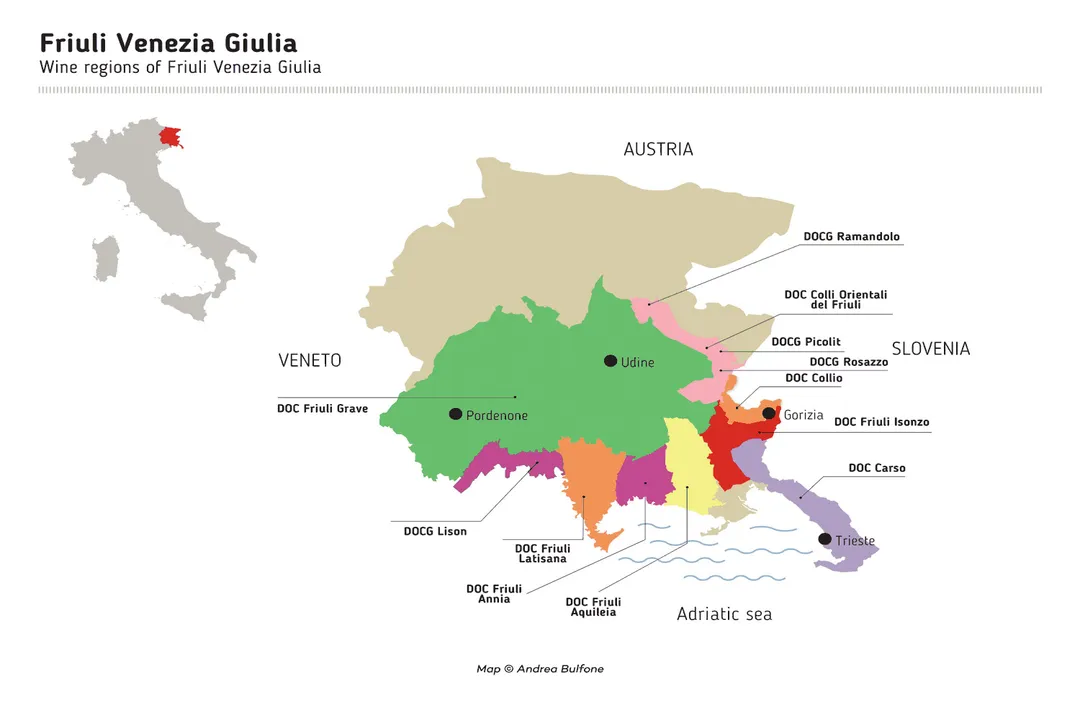
The terroir of Friuli-Venezia Giulia is not monolithic; it varies significantly across the region due to the dramatic topographical shifts, ranging from high mountain vineyards down to the coastal plains [cite: Italian Wine Central, Vias Wine]. The significant diurnal temperature variation—the difference between hot daytime temperatures and cool nighttime temperatures—is perhaps the single most important climatic factor driving the quality of the region's signature wines [cite: Cellar Tours, Wine Folly]. These temperature swings allow grapes to fully ripen their flavors while retaining the necessary acidity, which translates directly into the freshness and longevity seen in the finished wines [cite: Cellar Tours].
Geographically, the region can be divided into three main areas that dictate wine style: the mountainous zones to the north, the central hills known for high-quality white production, and the plains in the south and east [cite: Italian Wine Central]. The soils themselves are quite varied, including alluvial deposits in the plains and a mix of limestone and marlstone, particularly in the prized Collio area [cite: Jancis Robinson, Wine Folly]. The ponca soil, a calcareous marlstone found prominently in Collio and Colli Orientali del Friuli, is particularly esteemed for imparting complexity and structure to white wines [cite: Wine Folly, Flatiron Wines]. Understanding this land is crucial, as the best producers treat these varied soils as essential components of the wine's final profile, aiming for purity of fruit expression linked to place [cite: Jancis Robinson].
# White Grapes
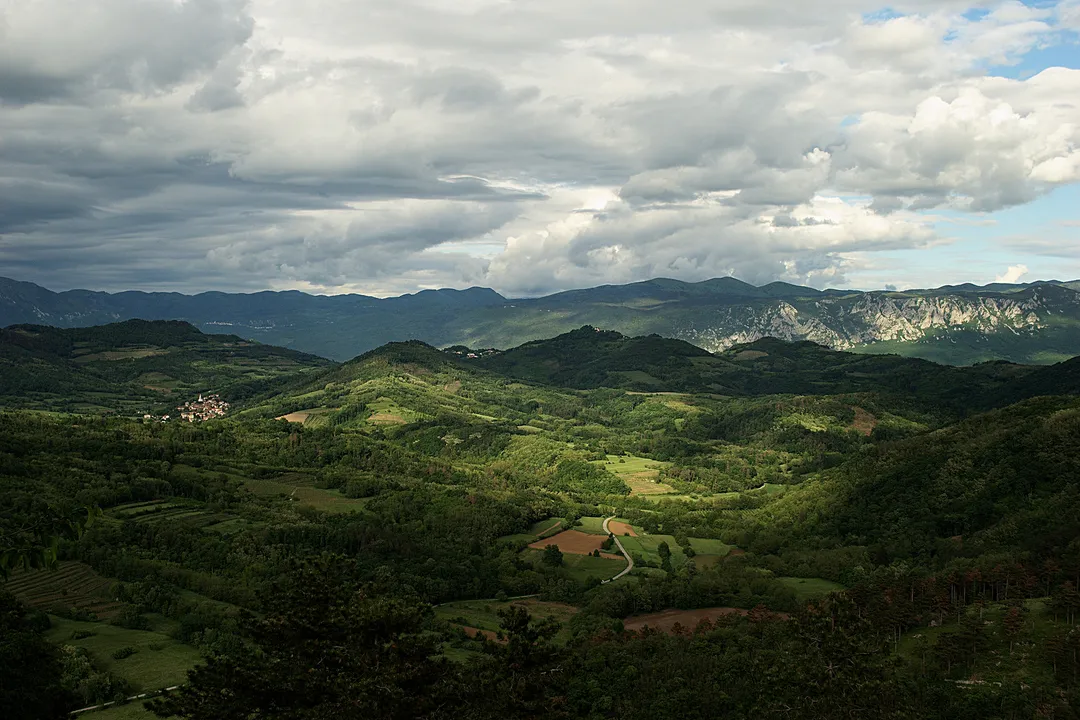
If one word were needed to summarize Friulian viticulture, it might be Bianco (white). The sheer quality and quantity of white wine production here set it apart from most other Italian regions, which often feature red wine as the primary focus [cite: Wine Folly, Wine Searcher]. The region champions a style that favors structure, freshness, and aromatic precision over overtly ripe or heavy body [cite: Jancis Robinson].
# Friulano
The most emblematic native white grape is Friulano, formerly known as Tocai Friulano [cite: Wine Folly, Flatiron Wines]. This grape is a cornerstone of the region, particularly in the Collio and Colli Orientali zones [cite: Jancis Robinson]. When made well, Friulano offers a complex profile; it shows notes of almond, chamomile, and sometimes a slight bitterness on the finish, all supported by good body and texture [cite: Wine Folly, Vias Wine]. It’s a grape that benefits significantly from careful vineyard management and aging, often showing more depth than its international counterparts grown nearby [cite: Flatiron Wines]. Many producers hold back their top Friulano releases, allowing them to gain complexity in bottle before release, which is a hallmark of an experienced local producer striving for age-worthiness rather than immediate consumption [cite: Jancis Robinson].
# International Varieties
Friuli has also become a world-class home for several international white grapes, which often achieve a distinctly refined profile here compared to other places they are grown globally [cite: Wine Folly, Cellar Tours].
- Pinot Grigio: While Pinot Grigio is planted widely across Italy, the Friulian expression, particularly from areas like Grave del Friuli, is often heralded as the gold standard [cite: Flatiron Wines, Wine Folly]. Unlike some mass-produced examples that can be thin or neutral, the best Friulian Pinot Grigio offers more texture, moderate acidity, and delicate notes of pear, citrus zest, and sometimes a touch of minerality [cite: Wine Folly, Vias Wine]. It is far removed from the simple, light versions often found elsewhere [cite: Jancis Robinson].
- Sauvignon Blanc: Friuli is renowned for producing some of Italy's most compelling Sauvignon Blanc [cite: Wine Folly, Cellar Tours]. The wines are characteristically intense, showcasing aromatic intensity with notes of grapefruit, passionfruit, and green pepper, underpinned by that signature regional minerality [cite: Flatiron Wines]. The best examples manage to balance the powerful aromatics with underlying freshness, preventing them from becoming overly herbaceous or unbalanced [cite: Jancis Robinson].
Other notable white grapes that thrive include Chardonnay and Ribolla Gialla, with the latter gaining increased attention for its ability to produce both dry, crisp wines and compelling, skin-macerated orange wines [cite: Wine Folly, Jancis Robinson].

# Red Stars
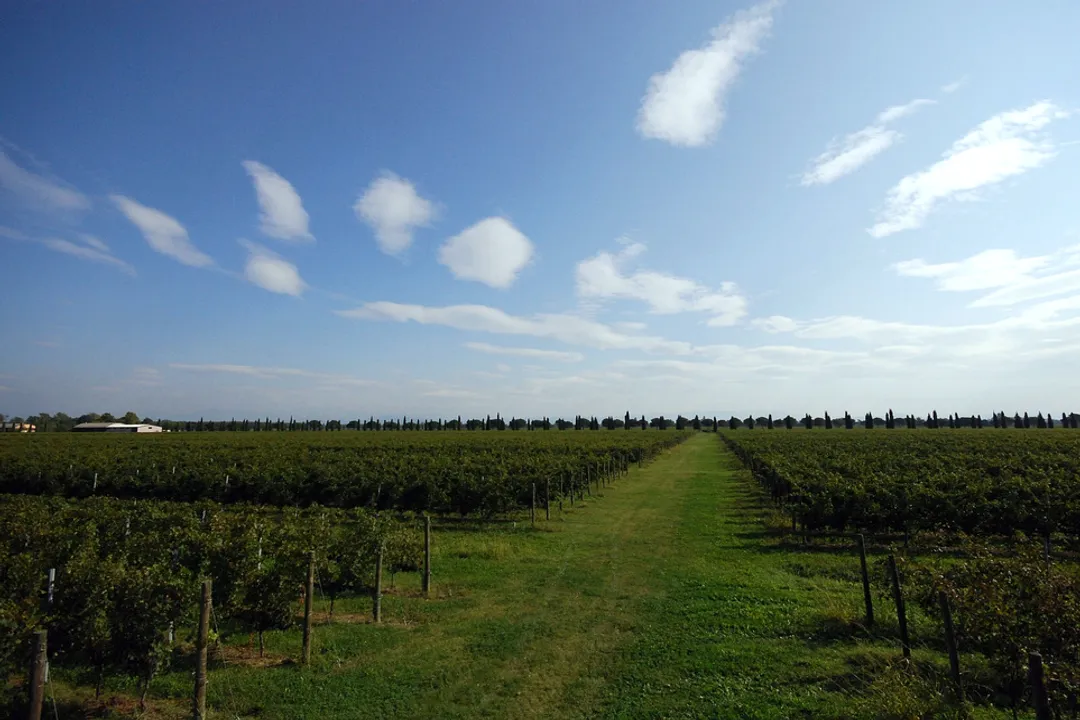
Although white wines claim the spotlight, Friuli-Venezia Giulia produces thoughtful and structured red wines, largely concentrated in the Colli Orientali del Friuli and Collio zones [cite: Italian Wine Central, Cellar Tours]. The reds here tend to be savory and earthy rather than overtly fruit-forward or powerfully tannic, reflecting the region's cooler climate influence [cite: Jancis Robinson].
# Native Reds
Two native red grapes stand out for their quality potential:
- Refosco dal Peduncolo Rosso: This grape is known for producing deeply colored wines with firm tannins and vibrant acidity [cite: Wine Folly]. The typical flavor profile leans toward dark cherry, plum, and sometimes subtle earthy or rustic notes [cite: Vias Wine]. It requires careful handling to avoid overly aggressive tannins, but when managed well, it offers savory character distinct from many other Italian reds [cite: Jancis Robinson].
- Pignolo: This variety is gaining traction among quality-focused producers [cite: Italian Wine Central]. It is a late-ripening grape that yields wines with excellent structure, deep color, and high tannin levels, suggesting great aging potential [cite: Cellar Tours, Jancis Robinson]. The resulting wines often present complex aromas of dark fruit, licorice, and tobacco when mature.
The use of international varieties like Merlot and Cabernet Franc is also common, often blended or bottled varietally, generally resulting in softer, more approachable reds compared to the age-worthy native options [cite: Wine Searcher, Flatiron Wines].
# Key Zones
The administrative structure of Friuli’s wine zones is heavily reliant on the Denominazione di Origine Controllata (DOC) system, with a few high-quality DOCGs [cite: Italian Wine Central]. Understanding these zones helps a consumer predict the style of wine in the bottle.
| Zone Name | Primary Focus | Key Characteristics |
|---|---|---|
| Collio DOC | White Wines (Friulano, Pinot Grigio, Sauvignon) | Limestone/marl soils (ponca); high aromatic intensity; fine structure [cite: Wine Folly, Jancis Robinson] |
| Colli Orientali del Friuli DOC | White & Red Wines (Ribolla, Pignolo, Refosco) | Hillier terrain; known for distinctive, complex whites and savory reds [cite: Cellar Tours, Italian Wine Central] |
| Grave del Friuli DOC | White Wines (Pinot Grigio) | Flatter, alluvial soils; often yields crisp, fresh styles [cite: Flatiron Wines] |
| Cormòns/Rosazzo (within Colli Orientali) | Specific White Profiles | Known for highly perfumed and structured whites like Tocai Friulano and Ribolla Gialla [cite: Wine Folly] |
The Collio DOC, situated along the Slovenian border, is arguably the most prestigious zone for white wine, with its wines frequently achieving global recognition for their elegance and complexity derived from the ponca soils [cite: Jancis Robinson, Wine Searcher]. If you encounter a bottle labeled simply Friuli DOC, it is a broad designation, but the best producers often seek out the more specific, localized DOC designations to signal pedigree [cite: Vias Wine].

# Winemaking Style
The prevailing philosophy among top Friulian producers centers on capturing the purity of the grape variety within the context of the cool climate and specific soil [cite: Cellar Tours]. For whites, this generally means producing dry wines with focused acidity, meaning they are built for food pairing rather than serving chilled as simple aperitifs [cite: Wine Folly]. While some producers utilize new oak for texture and complexity, especially for richer expressions of Chardonnay or Friulano, there is a strong tradition of using stainless steel or large, neutral botti (large casks) to maintain aromatic freshness and minerality [cite: Jancis Robinson].
The emergence of orange wine—white wine fermented on its skins like a red—is a modern phenomenon strongly associated with Friuli and the Collio area, reflecting a willingness to experiment with ancient techniques to enhance structure and complexity [cite: Wine Folly, Flatiron Wines]. This style imparts deeper color, noticeable tannin, and oxidative notes, appealing to drinkers looking for wines that bridge the gap between white and red [cite: Jancis Robinson].
When looking at a Friulian label, especially for white wine, it is worth noting the frequent inclusion of the producer's name alongside the DOC or DOCG designation, rather than just the grape variety. In many regions, Pinot Grigio is the main selling point; in Friuli, the best producers often implicitly trust that their region's name and their specific vineyard site are sufficient to define the wine's quality, signaling a high level of regional Expertise that wine lovers should recognize [cite: Flatiron Wines]. A bottle from a single estate in Collio, regardless of the grape, carries an implicit promise of quality that transcends the grape name alone.
To truly appreciate the distinction of Friuli, consider the pricing relative to other Italian regions. A top-tier Collio Friulano often commands a similar price point to a mid-range Barbaresco, yet it is a white wine. This pricing structure reflects the high cost of meticulous, low-yield vineyard work necessary to achieve that level of aromatic purity and texture, positioning Friuli's best bottles as Authority statements within the world of dry white wine production, not just an Italian curiosity [cite: Wine Searcher].
Another useful tip for the consumer centers on understanding the relationship between the local and international grapes. If a producer is celebrated for their Friulano, their Pinot Grigio, made from the same vineyards and handled with the same care, is statistically likely to be superior to an average Pinot Grigio from a less specialized region. Seek out producers who focus on a few key grapes rather than listing every possible variety, as this dedication often signifies deeper Experience in managing the vineyard's specific microclimate for those chosen varietals [cite: Vias Wine]. A producer dedicated primarily to Pignolo and Friulano is likely deeply invested in the legacy of the Colli Orientali terroir.
Finally, while the region is heavily focused on dry, refreshing styles, consumers should also be aware of its Passito wines—sweet dessert wines made from late-harvested or dried grapes, which offer a rich counterpoint to the dominant dry offerings [cite: Cellar Tours]. These sweet wines, often based on Malvasia Istriana or Picolit, showcase the ripeness potential of the Adriatic influence when the harvest season extends long enough. The balance of these styles, from bone-dry Sauvignon to luscious Picolit, demonstrates the breadth of the region's capability, though the global identity remains firmly rooted in aromatic, structured whites [cite: Wine Folly, Wikipedia].
Related Questions
#Citations
Friuli-Venezia Giulia wine - Wikipedia
Italian White Wine Heaven: Friuli-Venezia Giulia | Wine Folly
Friuli-Venezia Giulia - Italian Wine Region | Wine-Searcher
Friuli-Venezia Giulia - Jancis Robinson
Marvels on the Margins Part 5: Guide to the White Wines of Fruili
Friuli-Venezia Giulia - Italian Wine Central
Friuli-Venezia Giulia Wine Region Guide - Cellar Tours
Friuli Venezia-Giulia - Vias Imports
Friuli, Italy Wine Region ️ Guide 2025 - Winalist