What is the most popular type of sparkling wine?
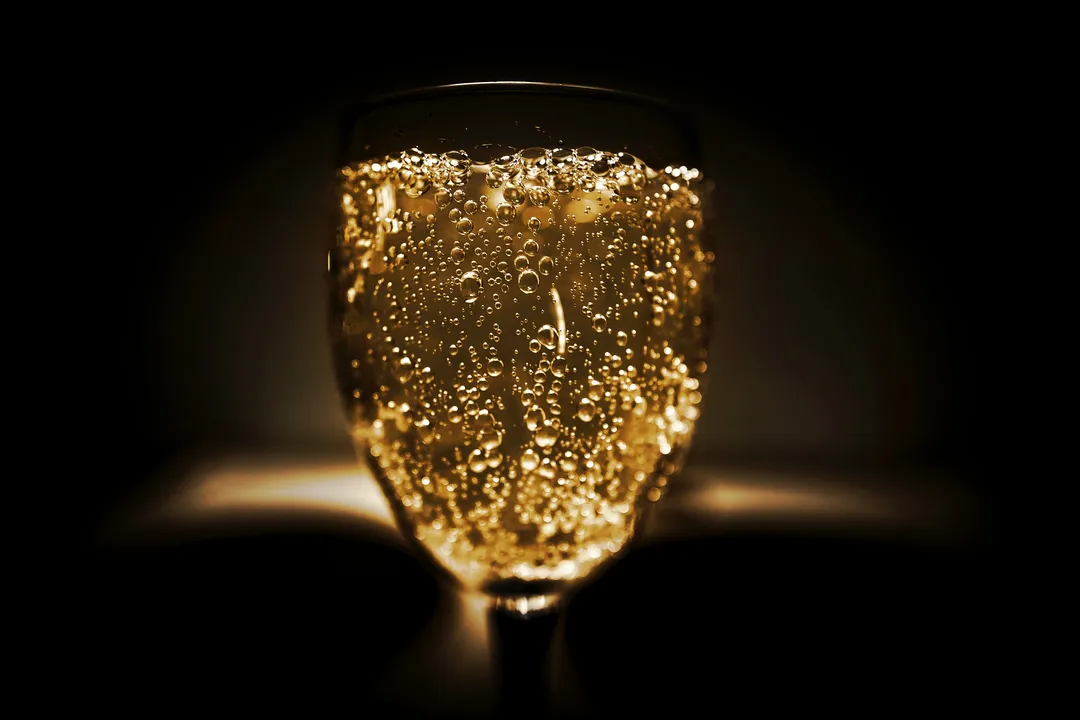
The world of sparkling wine is a vast and joyous collection of bubbles, and pinning down a single "most popular" type feels a bit like trying to crown the best flavor of ice cream—it heavily depends on who you ask and what they value: tradition, accessibility, or sheer flavor profile. While Champagne undeniably holds the crown for prestige, recognition, and historical weight, other contenders like Prosecco and Cava command massive market share due to their approachability and price points. [1][6][8] To truly understand the landscape, one must look beyond the single label and examine why these specific styles dominate the conversation and the sales charts across the globe. [2]
# The Reigning Icon

When the word "sparkling wine" is mentioned, for many, the mind immediately jumps to Champagne. [6] This is no accident; its fame is built on centuries of tradition, strict geographic boundaries, and a rigorous production process that demands high quality. [7] True Champagne can only come from the Champagne region of France, and its signature effervescence and complex flavors are largely the result of the Méthode Traditionnelle, often referred to as the Méthode Champenoise. [2][5]
This traditional method requires the secondary fermentation—the process that creates the bubbles—to happen inside the individual bottle being sold. [2][5] After this in-bottle fermentation, the wine spends significant time aging on its lees (spent yeast cells), which imparts those distinctive toasted, brioche, or nutty notes that characterize fine Champagne. [2][7] Because this aging process is time-consuming and labor-intensive, Champagne often commands a higher price tag, positioning it as the ultimate choice for landmark celebrations and special occasions. [7] Its flavor profile tends to lean towards refined flavors of apple, citrus, and toast, driven by the Chardonnay, Pinot Noir, and Pinot Meunier grapes allowed in the appellation. [2]
# The Accessible Bubbly

If Champagne represents aspiration and tradition, Prosecco represents sheer, celebratory accessibility. [7] Hailing from the Veneto and Friuli Venezia Giulia regions of northeastern Italy, Prosecco has soared in global popularity, often outselling its French counterpart in terms of sheer volume. [1][7] The primary grape used is Glera, and its widespread appeal is closely tied to its distinctly different production style. [2]
Prosecco almost exclusively relies on the Charmat method (also known as the Tank method). [2][5] Instead of undergoing the secondary fermentation in every single bottle, the wine is fermented in large, pressurized stainless steel tanks. [2][5] Once the desired pressure and residual sugar are achieved, the wine is filtered and then bottled under pressure. [5] This method is much faster and less expensive, allowing producers to get the wine to market quickly. [2] The resulting flavor profile is also different: Prosecco is celebrated for its vibrant, fruit-forward characteristics—think ripe pear, honeydew melon, and white flower aromas—rather than the yeasty complexity of Champagne. [7] This fresh, lively character makes it an easy pairing for lighter fare or simply enjoying on its own. [6]
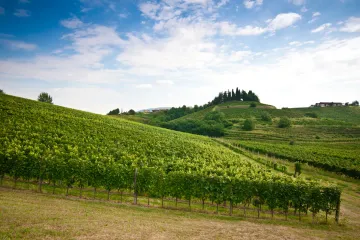
# Spain's Sparkling Star

Not to be overlooked in the popularity contest is Cava, the sparkling wine from Spain. [7] Cava shares a fundamental production similarity with Champagne: it uses the Traditional Method. [2][5] This means the secondary fermentation occurs in the bottle, leading to that same autolytic complexity and fine bead of bubbles that drinkers seek in high-end fizz. [2]
What sets Cava apart, besides its origin (primarily in Catalonia, particularly around Sant Sadurní d'Anoia), is the use of indigenous Spanish grapes such as Macabeo, Xarel·lo, and Parellada, though Chardonnay and Pinot Noir are also permitted. [2][7] Because it employs the same labor-intensive process as Champagne but benefits from lower overall production costs and less intense marketing prestige associated with the French name, Cava often represents a fantastic value proposition for those who love the texture and complexity of bottle-aged sparkling wine without the Champagne price tag. [2] It typically offers flavors in a middle ground, possessing some of the earthy minerality of Champagne while still presenting bright fruit notes. [7]
# Production Differences

The fundamental difference in how these wines achieve their bubbles is perhaps the most crucial distinction for the consumer to grasp, as it dictates flavor, cost, and overall style. [2][5]
| Method Name | Where Bubbles Form | Flavor Implication | Examples |
|---|---|---|---|
| Traditional/Méthode Champenoise | Inside the individual bottle [2][5] | Autolytic complexity (yeast, toast, brioche) due to lees aging [2] | Champagne, Cava, Franciacorta [2][7] |
| Charmat/Tank Method | Large pressurized tanks [2][5] | Fresh, primary fruit-driven, clean profile [2][7] | Prosecco [2] |
| Transfer Method | In-bottle, but filtered in a large tank before bottling [5] | A hybrid approach, often seen in larger format bottles [5] | Some New World sparkling wines [5] |
Understanding that the Traditional Method involves aging on the lees directly impacts the wine’s character. The longer the wine stays in contact with the dead yeast cells, the more pronounced those savory, bready characteristics become. [2] This is why vintage Champagnes, aged for years, taste radically different from a non-vintage Brut Champagne. [5] Conversely, the Charmat method is designed to preserve the vibrant character of the base wine, focusing on the fruit expressions from the Glera grape for Prosecco. [2]
If we consider what constitutes "most popular" by sheer accessibility and everyday consumption, Prosecco is likely the volume leader globally. If "most popular" means the most recognized and aspirational brand name, Champagne holds that title firmly. [1][6] Cava offers a strong middle ground for those seeking quality traditional method production at a more accessible price point. [2]
As a point of consumer education, it's worth noting that while many Cavas are aged for a minimum of nine months on the lees, premium Cavas labeled Reserva must age for at least 18 months, and Gran Reserva for a minimum of 30 months. This directly mirrors the aging tiers seen in Champagne, offering a reliable roadmap for finding more complex, yeasty styles when shopping in the Spanish aisle. [2]
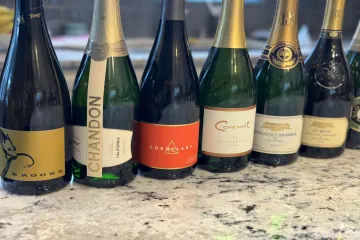
# Beyond the Big Three
While Champagne, Prosecco, and Cava dominate global awareness, several other styles contribute significantly to the sparkling wine conversation, particularly among enthusiasts seeking diversity. [7] These often follow the Traditional Method, much like Champagne, providing complexity at varying price points depending on the region.
Franciacorta, another Italian sparkling wine, is made in Lombardy and uses the Traditional Method. [7] It is often cited as a direct competitor to Champagne in terms of production quality, showcasing exceptional structure and aging potential derived from its bottle aging. [2]
Sekt is the German and Austrian term for sparkling wine, and while some is made using the Charmat method, the higher-quality versions often employ the Traditional Method. [7] These wines frequently utilize Riesling grapes, leading to high acidity and distinct mineral characteristics that can range from bone-dry to lusciously sweet. [1][7]
Crémant is the designation for high-quality sparkling wine made outside of Champagne but still within France, adhering strictly to the Traditional Method. [2] Regions like Alsace, Burgundy (where it's called Crémant de Bourgogne), and the Loire Valley produce excellent examples that share the structure of Champagne but often reflect the character of their primary local grapes (like Pinot Blanc in Alsace or Chenin Blanc in the Loire). [2] For the adventurous wine drinker, seeking out a Crémant d'Alsace offers a chance to taste a truly refined, bottle-aged wine that provides excellent depth for its cost. [7]
# Decoding Sweetness: Dosage Matters
Another critical factor influencing popularity and enjoyment across all sparkling wine categories is the level of residual sugar left after the secondary fermentation and final dosage—the addition of a small amount of sweetened wine before corking. [5] This measurement, which determines whether the wine is Brut, Sec, or something else, profoundly affects the final taste experience. [6]
The common terminology is standardized, regardless of whether you are drinking Champagne, Cava, or Sekt:
- Brut Nature/Zero Dosage: Virtually no added sugar; bone dry. [5]
- Extra Brut: Very dry. [5]
- Brut: The most common designation; dry, but with slight fruit balance. [5][6]
- Extra Dry/Extra Sec: Noticeably sweeter than Brut, often confusingly named. [5]
- Sec/Dry: Noticeably sweet. [5]
- Doux/Sweet: The sweetest category. [5]
For the average consumer purchasing a bottle to pop open without much thought, Brut is the overwhelming market standard across the board, as it balances the wine’s natural acidity with just enough sugar to feel refreshing rather than sour. [6] If you pick up any bottle from the major categories and it simply says "Brut," you are entering the established middle ground of sparkling wine preference. [5]
# Consumer Context
When standing in the wine aisle facing walls of bubbles, making a selection can feel overwhelming, yet a few simple choices align with the stated popularity trends. If your goal is to replicate that quintessential celebratory feeling associated with the world's most famous fizz, you will gravitate toward Champagne, accepting the associated price premium for its unique historical process and aged complexity. [7] If the priority is maximum celebratory volume for a gathering or mixing into cocktails where the flavor profile needs to be bright and fruity, Prosecco is the clear, accessible choice due to the Charmat method. [2]
For those who appreciate structure but are seeking an everyday sparkling wine that punches above its weight class, Cava is an excellent starting point. [2] It provides the texture of traditional method wines at a price point closer to Prosecco, making it a savvy shopper's secret weapon. [2][7]
Here is a way to think about the trade-offs when selecting a bottle of Brut (dry) style from the major players:
| Wine Style | Dominant Production Method | Key Flavor Driver | Typical Price/Recognition |
|---|---|---|---|
| Champagne | Traditional (Long Lees Aging) | Yeast, Brioche, Age | Highest Recognition / Price |
| Prosecco | Charmat (Tank Fermentation) | Fresh Pear, White Flowers | High Volume / Accessible Price |
| Cava | Traditional (Bottle Aging) | Citrus, Minerality, Structure | Excellent Value / Mid-Range Price |
One observation that might help a casual wine drinker navigate the bubbly section is to consider the texture of the bubbles themselves, which is directly related to the production method. Wines made using the Traditional Method (Champagne, Cava, Franciacorta) tend to have a finer, more persistent mousse—the stream of tiny bubbles that rise to the surface. [2] These often feel creamier or silkier on the palate. Wines made via the Charmat method (Prosecco) tend to have larger, more vigorous bubbles that dissipate faster. [2] If you enjoy the feel of the bubbles as much as the flavor, this textural difference is a reliable way to differentiate between the two major production camps, even if the label doesn't explicitly state the method. [5]
Another actionable approach involves stepping beyond the standard Brut style in a category you already like. If you find you genuinely prefer the fruit-forward nature of Prosecco but want something slightly drier than the standard Brut, look specifically for a Prosecco DOCG Superiore Brut or even an Extra Brut. [1] Alternatively, if you enjoy the complexity of Cava but want something richer and darker, seek out a Cava labeled Brut Rosé, which often incorporates Pinot Noir and offers deeper red fruit notes alongside the characteristic yeasty structure. [6] This targeted exploration within a familiar category is often more rewarding than jumping randomly between regions until you find a new favorite. The popularity contest will continue, but for the consumer, the real winner is the sparkling wine that best suits the moment, whether that moment calls for the historical weight of a French cellar or the immediate joy of an Italian tank-fermented refresh.
Related Questions
#Citations
Best Sparkling Wines from Around the World - My Wine Tribe
Key Differences Among the Most Famous Sparkling Wines - Decántalo
Top 70 Sparkling Wines in the World - TasteAtlas
What's your favorite sparkling wine? - Reddit
An Intro to the Different Types of Sparkling Wine - Perlick Corporation
Exploring Different Sparkling Wines - Ruth's Chris Steak House
Beyond Champagne: 3 Types of Sparkling Wines To Explore
Types of Sparkling Wine | The Table by Harry & David
Top sparkling - San Francisco Wine Trading Co