What wine is Porto known for?
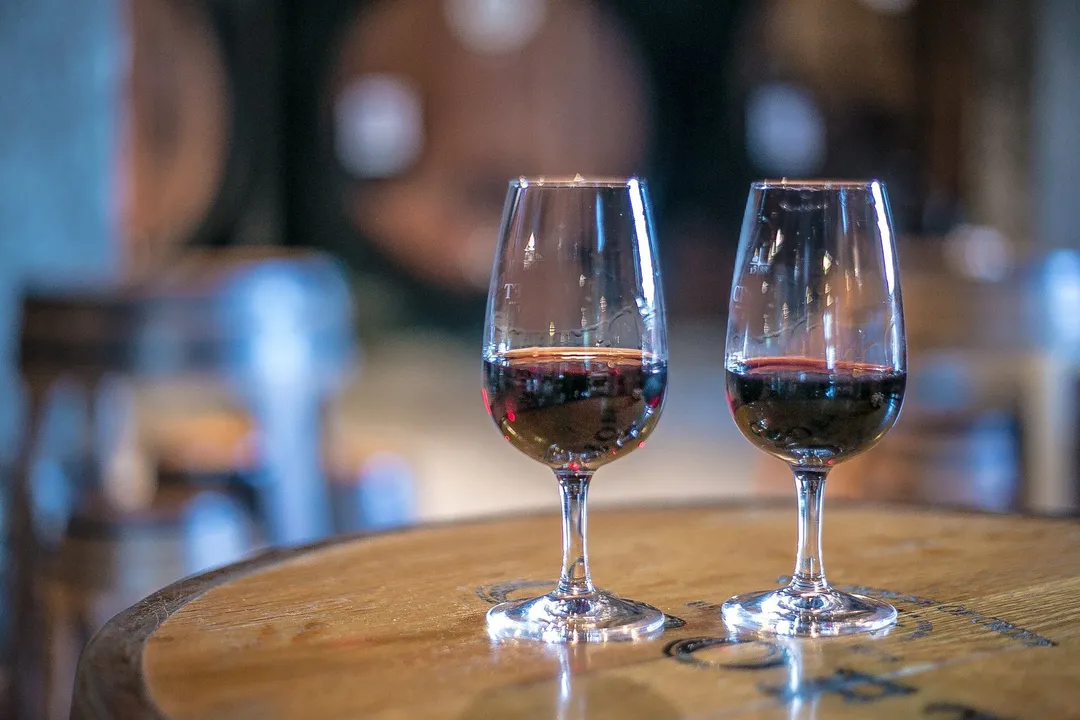
The wine that immediately springs to mind when the word "Porto" is mentioned is, without a doubt, Port wine. This distinctive fortified wine hails exclusively from the rugged, terraced vineyards of the Douro Valley in northern Portugal. [1][4] What truly sets Port apart from unfortified wines is the critical step in its production: fortification. [6] This involves adding a neutral grape spirit, typically around 77% alcohol, to the fermenting wine. [1] This process arrests fermentation, preserving the natural residual sugars from the grapes, which results in a wine that is both sweet and high in alcohol, typically around 20% ABV. [1][6] The history of this fortification is often linked to British traders in the 17th century looking to stabilize wine for the long sea voyage home, though the specifics remain debated. [1] The entire Port wine region is one of the world's oldest demarcated wine regions, established officially in 1756 by the Marquis of Pombal. [4]
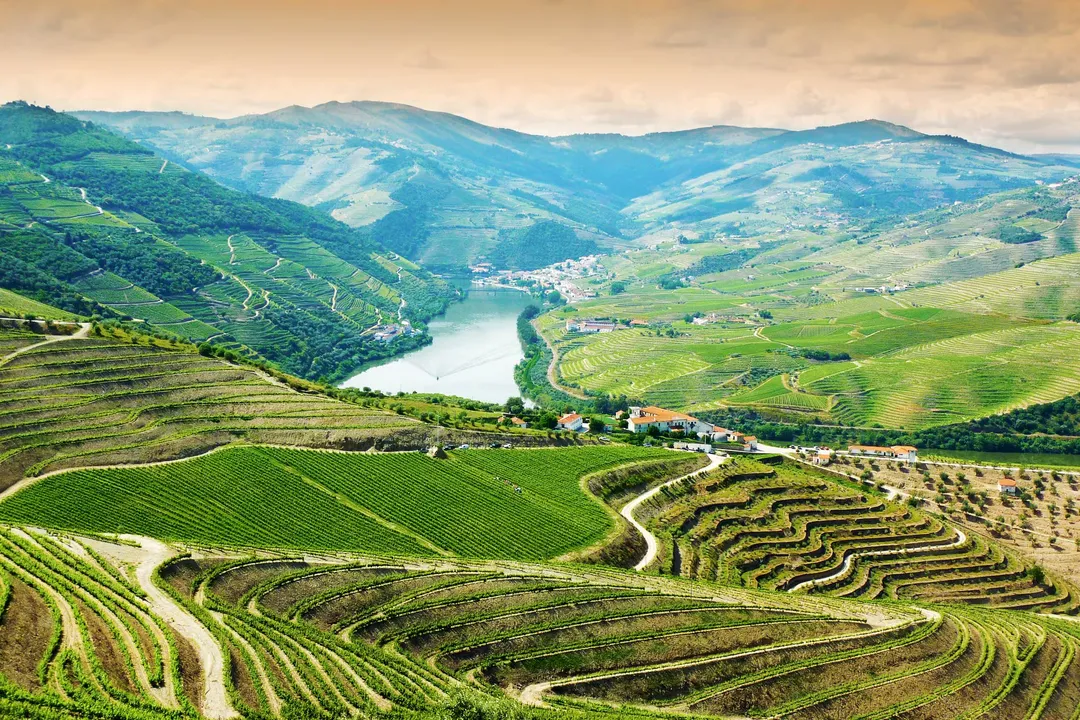
# Douro Origin
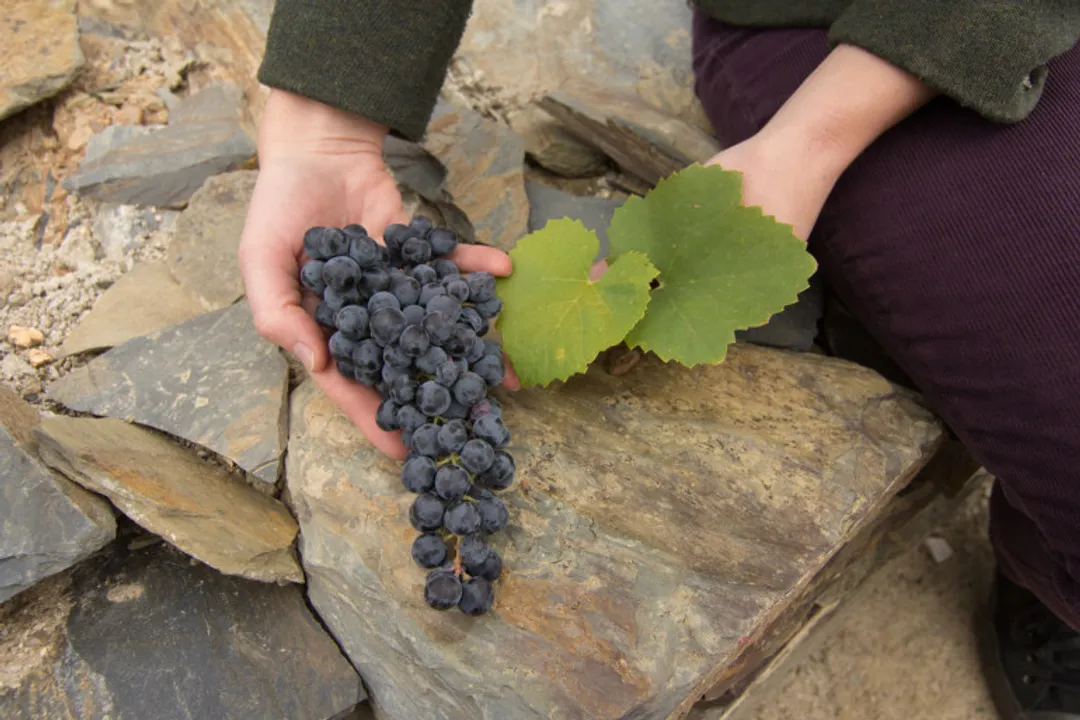
The unique terroir of the Douro Valley is fundamental to Port's character. [4] Vineyards are planted on steep, schist-laden slopes, often so precipitous they require the grapes to be transported downriver by traditional flat-bottomed rabelo boats, although modern transport is now common. [4][5] The climate is intensely hot and dry during the summer, which concentrates the flavors in the grapes, allowing them to achieve the necessary ripeness and sugar levels needed for fortification. [4] The primary grapes used are native Portuguese varieties, including Touriga Nacional, Tinta Roriz (Tempranillo), Touriga Franca, Tinta Barroca, and Tinta Cão. [4] The altitude and orientation of these slopes create microclimates that influence the final wine style, even within the same Port house. [4] For a novice to appreciate Port fully, understanding this geographically specific origin—that only wine from this demarcated region can be called Port—is the first crucial step. [1][4]
# Style Classification
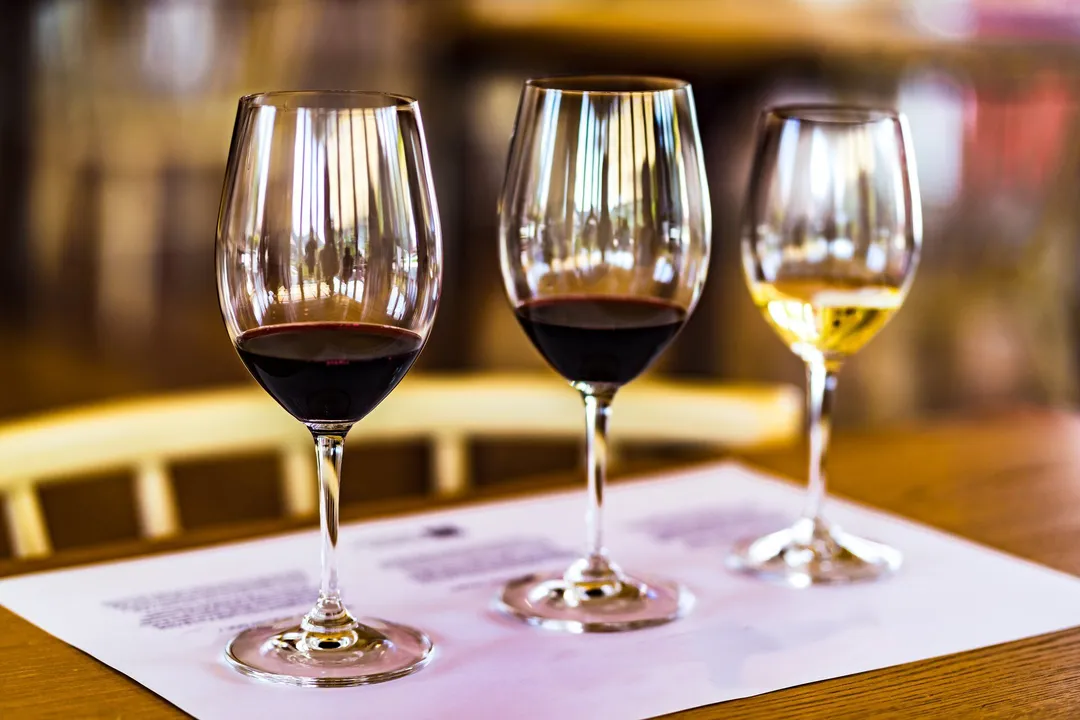
Port wine is not a singular entity; it is a family of wines categorized primarily by how they are aged: either in wood (oxidative aging) or in glass (reductive aging). [9] This distinction drives the two broadest categories: Ruby and Tawny. [1][9] Beyond these two main paths, there are also White, Rosé, and even "Green" Ports, though the Ruby and Tawny styles dominate the global perception of what Port wine is. [7]
# Ruby Types
Ruby Ports get their name from their deep, ruby-red color, which signifies that they have seen minimal exposure to oxygen during aging. [9] They are generally bottled relatively young to preserve their youthful, primary fruit characteristics—think dark berries, cherries, and plum. [9][1]
A standard Ruby Port is aged for about two to three years, often in very large oak vats or stainless steel, which limits oxygen exposure and color change. [9] They are ready to drink upon release and offer vibrant fruitiness, often being the most affordable entry point into the Port world. [9]
Two premium styles exist within the Ruby category, both destined for long-term cellaring: Late Bottled Vintage (LBV) and Vintage Port. [9]
LBV Port is sourced from a single, declared vintage, but unlike Vintage Port, it spends between four and six years aging in wood before bottling. [9] This wood aging allows it to soften slightly, making it enjoyable a few years after release, though it can also benefit from further bottle age. [9]
Vintage Port is considered the pinnacle of the Port world. [1] It comes from a single, outstanding harvest and is only bottled after about two years in wood. [9] It is bottled young and highly tannic, designed to age for decades in the bottle. [1][9] As it matures, its color shifts from deep ruby to garnet, and complex secondary and tertiary flavors—like dried fruit, tobacco, and leather—emerge as the tannins integrate. [9] Because the wine is unfiltered, a thick sediment forms, necessitating careful decanting before serving, often hours ahead of time to allow it to breathe and soften. [9]
# Tawny Profiles
Tawny Ports, by contrast, undergo significant oxidative aging in smaller oak barrels. [9] This exposure to small amounts of air over many years strips the wine of its vibrant red color, turning it an amber or tawny hue. [9][1] The flavors transform from fresh fruit to nutty, dried fruit notes, often exhibiting characteristics reminiscent of caramel, toffee, coffee, and dried figs. [9][1]
Tawny Ports are typically filtered before bottling and are ready to drink immediately, requiring no decanting. [9] They are further categorized in two ways:
Aged Tawnies: These are blends of different years, identified by an average age statement: 10 Year Old, 20 Year Old, 30 Year Old, or 40 Year Old. [3][9] As the age designation increases, so generally does the complexity, concentration, and price, as older wood-aged wines are rarer. [3] The 10 Year Old showcases a balance of fresh fruit and light oxidative notes, while the 40 Year Old is intensely complex with rancio notes. [3]
Colheita Port: This is a single-vintage Tawny, similar to Vintage Port, but it must age in wood for a minimum of seven years before bottling. [3][9] It offers a snapshot of a specific year, but with the maturity of oxidative aging. [3]
When considering which style to purchase, the decision often comes down to whether you prioritize youthful vibrancy or mature complexity. A standard Ruby is an immediate, fruit-forward enjoyment, whereas a 20-Year Tawny represents years of patient, controlled oxidation, transforming primary fruit into tertiary nuttiness. [9] For example, if you are serving a rich chocolate dessert, the sheer fruit intensity of a young LBV might compete, whereas the nutty, caramelized profile of a 20 Year Old Tawny might offer a more harmonious counterpoint. [5]
# Other Ports
While Ruby and Tawny make up the majority of production, the Port landscape includes lighter styles perfect for warmer weather or aperitifs. [7]
White Port is made from the region's white grape varieties. [7] Like its red counterparts, it can be aged in wood or stainless steel. [1] White Ports range from very dry (often labeled Extra Dry or Seco) to sweet, and they are frequently chilled before serving. [7] The drier styles are excellent as an aperitif, perhaps mixed into a simple cocktail with tonic water and a slice of lemon or mint—a local favorite known as a Porto Tónico. [7] Aged White Ports, often labeled 10 Year Old or older, offer delightful notes of dried apricot, almond, and honey, similar in concept to Tawny but with a white grape base. [1][7]
Rosé Port is a relatively recent introduction to the market, designed to appeal to a broader, perhaps younger, audience accustomed to chilled, pink wines. [7] It is made using short skin contact with red grapes, resulting in a bright pink hue and vibrant red fruit flavors, meant to be served well-chilled. [7]
Lagrima translates to "teardrop" and refers to the sweetest style of White Port, often made from grapes left on the vine to concentrate sugars further before fermentation is arrested. [7]

# Maturation Differences

The aging vessel significantly dictates the final product, a key difference between the major Port types. [9] Ruby Ports see maturation in very large oak vats (called pipas or tonéis) or stainless steel. [9] These large containers minimize the surface area of wood contact relative to the wine volume, limiting oxygen ingress and preserving the deep color and primary fruit. [9]
Conversely, Tawny Ports rely on smaller wooden barrels for their extended aging periods. [9] The smaller barrels allow for a greater ratio of wood surface area to wine, facilitating slow, controlled oxidation over decades, which drives the signature nutty and dried fruit flavors. [9] This controlled exposure is what transforms the wine’s structure and flavor profile from fresh to complexly mature. [9]
To illustrate the time investment, consider the difference in aging requirements: A standard Ruby might be ready in two years, while a 20 Year Old Tawny has spent twenty years slowly evolving in wood. [9][3] Furthermore, the Vintage Port spends only two years in wood before being released to the consumer, who then becomes the active cellar master, guiding its evolution for the next few decades in the dark. [9] This places the consumer in a unique position compared to other fortified wines—they are purchasing a promise of future complexity. [9]
# Serving Sensibly
How one enjoys Port depends heavily on the style selected. [5] Generally, Port wines are best served slightly below room temperature, though this varies by type. [5]
For Ruby, LBV, and Vintage Ports, serving them slightly chilled—perhaps around to ( to ), which is cellar temperature—is ideal for tempering the alcohol while showcasing the fruit. [5] As mentioned, Vintage Port must be decanted due to sediment, a process that requires patience. [9] A good rule of thumb for an older Vintage, perhaps twenty years or more, is to decant it gently at least four hours before you plan to drink it, ensuring the glass carafe is kept away from direct light during this time to prevent further oxidation which could dull the flavors. [9]
Tawny Ports, especially the aged expressions (10, 20, or 30 Years Old), benefit significantly from being served cooler, often around (). [5] The lower temperature helps to balance the rich sweetness and intense nutty character, keeping the perception clean rather than cloying. Since Tawnies are already fully oxidized, they do not require decanting and can be kept tightly corked and refrigerated for several weeks after opening, making them excellent for enjoying by the glass over time. [9]
For aperitif styles, like Dry White Port or Rosé Port, chilling them thoroughly, perhaps down to (), is crucial to maximize their refreshing qualities. [7] These lighter styles pair wonderfully with salty appetizers or light fruit tarts, diverging from the traditional heavy dessert pairings associated with Ruby and Tawny styles. [7][5]

# Pairing Philosophies
Port's inherent sweetness and high alcohol content make it a classic partner for desserts, particularly those featuring chocolate or nuts. [5] The richness of a Ruby Port works well with dark chocolate due to the wine’s own dark fruit intensity, while the dried fruit and caramel notes of a Tawny Port naturally complement desserts based on nuts, like pecan pie or almond tarts. [5][9]
However, the versatility extends beyond just the sweet course. The acidity and structure found in a younger, less sweet Port can surprisingly cut through richness. For instance, a slightly chilled 10 Year Old Tawny has enough body and complexity to stand up to salty cheeses like Parmesan or mature cheddar. [5] This contrast—sweetness against saltiness—is often more engaging than pairing sweet with sweet, offering a delightful palate cleanser between bites. [5]
When experimenting with pairings, remember that the style dictates the partner. If a wine is aged in wood (Tawny), look for flavors that have also seen heat or time—think crème brûlée or coffee-flavored desserts. If the wine is reductive (Ruby/Vintage), lean into fresh, intense fruit pairings. [9] For the aperitif White and Rosé Ports, think light and savory: olives, cured meats, or fresh fruit salads are ideal companions before the main meal arrives. [7] This broad spectrum means that Port is not confined to the end of the meal; it can accompany several stages of a dining experience, depending on the chosen expression. [7]
Related Questions
#Citations
Port wine
The 6 Best Port Wines in Porto
Porto Wine Region - Portugal
Port wine: what they do not tell you about this wine
How to Drink Port Wine? A Beginner's Guide to Port
What is Port Wine?
Types of Port Wine | Main Brands & Best Porto Wineries
Beginner's Guide To Portugal's Famous Port Wine
What is Port Wine? Exploring Ruby, Tawny, Vintage Port, & ...