What food is Alicante known for?
The sun-drenched province of Alicante, nestled along Spain's eastern coast, offers a cuisine as vibrant and complex as its history. It’s a place where the bounty of the Mediterranean Sea meets the robust, earthy flavors cultivated inland, creating a gastronomic identity that goes far deeper than just what most tourists might initially expect. [1][4] While some culinary traditions span the wider Valencian Community, Alicante guards its distinct specialties fiercely, rooted in its agricultural heritage—particularly its mastery of rice—and its centuries-old preservation techniques for fish. [3] To truly taste Alicante is to understand this balance between sea, mountain, and the ancient rhythms of the agricultural calendar. [1][4]
# Rice Identity
Rice is, without question, the defining starch of Alicante’s culinary landscape, a status it shares with the entire eastern seaboard of Spain, yet the preparations here boast unique local signatures. [3][5] It’s important to note the friendly, though occasionally passionate, local sentiment: insisting that an Alicante rice dish is simply a "paella" might irritate a local, as this region elevates rice preparation into distinct, celebrated categories. [5]
The world knows paella, and Alicante has its own version, Paella Alicantina, which often features meat, chicken, rabbit, or vegetables. [3] What gives the Alicante interpretation its unique character is often the salmorreta, a fundamental sauce built from garlic, tomatoes, parsley, and the essential ñora pepper, which contributes heavily to both its color and depth of flavor. [3]
However, two other rice dishes deserve equal attention:
- Arroz a banda: Literally meaning "rice on the side," this is a coastal masterpiece. [3] In its purest, traditional form, the rice was cooked in a deeply flavorful fish broth and served separately from the rockfish and seafood used to make that broth—offering two distinct courses in one order. [3][4] Today, it is often served mixed, but the intensity of the seafood broth remains the key, often prepared with a sofrito of garlic, ñora peppers, cuttlefish, and prawns. [3] Interestingly, locals often recommend pairing this seafood rice with a dollop of garlic mayonnaise (aioli). [5]
- Arroz con costra: This dish distinctly pulls away from the coast and leans toward the inland tradition. [3] It’s perhaps the most unusual of the rice preparations because it incorporates cold cuts of meat, beaten egg, and poultry or rabbit, all cooked together in a clay pot. [3] The name costra refers to the characteristic, appealingly crispy crust of baked egg that forms on top after it is finished in the oven. [3]
If you plan a multi-day visit, consider this: many specialized rice restaurants require reservations, as the preparation is meticulous and time-consuming, suggesting you should plan your rice immersion in advance. [4]
# Flavor Unifiers
While the coast demands fresh catches and the interior favors slow-cooked meats and legumes, there is an underlying ingredient that seems to weave through the flavor profiles of many traditional Alicante dishes, bridging the gap between the mountain shepherds and the seaside fishermen. This ingredient is the ñora pepper. [1][5] It’s not just an occasional addition; it appears to be a fundamental component of the regional palate. You find it lending its sweet, smoky depth to the salmorreta sauce used in rice dishes, [3] it’s crucial in the rustic inland Gachamiga porridge, [3] and it forms the backbone of the warm Gazpacho de Montaña. [1] Recognizing the pervasive role of the ñora helps a visitor understand the common thread running beneath otherwise diverse preparations, from a humble savory bread topping to an intensely flavored broth. [1][3]

# Coastal & Preserved Seafood
The Mediterranean Sea is the pantry for Alicante, providing celebrated ingredients that go beyond just flavoring the rice. [3][4] The region is renowned for its fresh catches, including prized species like red Mediterranean prawns (often simply grilled with coarse salt to highlight their natural sweetness), sea bream, and various clams. [3][4]
Beyond the immediate catch, the tradition of salazones (salt-cured products) is vital. [1] This method of preservation maximizes flavor and was historically essential for transporting goods inland. [1] Perhaps the most famous cured item is Mojama de atún, which consists of salt-cured tuna fillets sliced thinly, much like cured ham, and invariably dressed with high-quality extra virgin olive oil. [3] The curing extends to other parts of the fish, with offerings like huevas (roe) also being staples. [3]
For a heartier, warming experience from the water, the Caldero stands out. This is a rich fish stew, traditionally cooked in an earthenware casserole, combining fresh rock fish with rice and distinct spices, offering an intensely concentrated essence of the Mediterranean flavor. [1]
# Inland Comfort Foods
The gastronomy of the inland areas of Alicante province speaks of pastoral life, utilizing what the land provided in more substantial, sometimes thicker, formats—perfect for colder days or hard work. [1][3] These dishes prioritize legumes, simple starches, and preserved meats.
One of the most representative is Gachamiga, a dish historically associated with shepherds. [3] It’s a humble yet satisfying porridge made primarily from flour, garlic, olive oil, and ñora peppers, which is traditionally cooked until browned on both sides in a pan, resembling a thick, savory pancake. [3]
For those seeking a stew, the options reflect the season and available ingredients:
- Olleta Alicantina: This is described as the archetypal stew, centered around legumes like lentils, chickpeas, and beans, cooked with seasonal vegetables and various cuts of pork. [3] It’s often finished with a sprinkle of rice or wheat kernels as a garnish. [3]
- Cocido con Pelotas: A substantial dish featuring pork, beef, and large meatballs (pelotas) slow-simmered in an aromatic broth, representing the spoon cuisine fundamental to the region’s tradition. [1]
- Borreta Alicantina: A classic winter offering, this stew relies heavily on salted cod, potatoes, spinach, and, naturally, the ubiquitous ñora pepper. [3]
A unique preparation from the mountainous interior is Gazpacho de Montaña. Unlike its cold, tomato-heavy cousin famous elsewhere, this version is thick and warm, made from a flavorful mixture involving almonds, garlic, and ñoras. [1]

# The Versatile Coca Dough
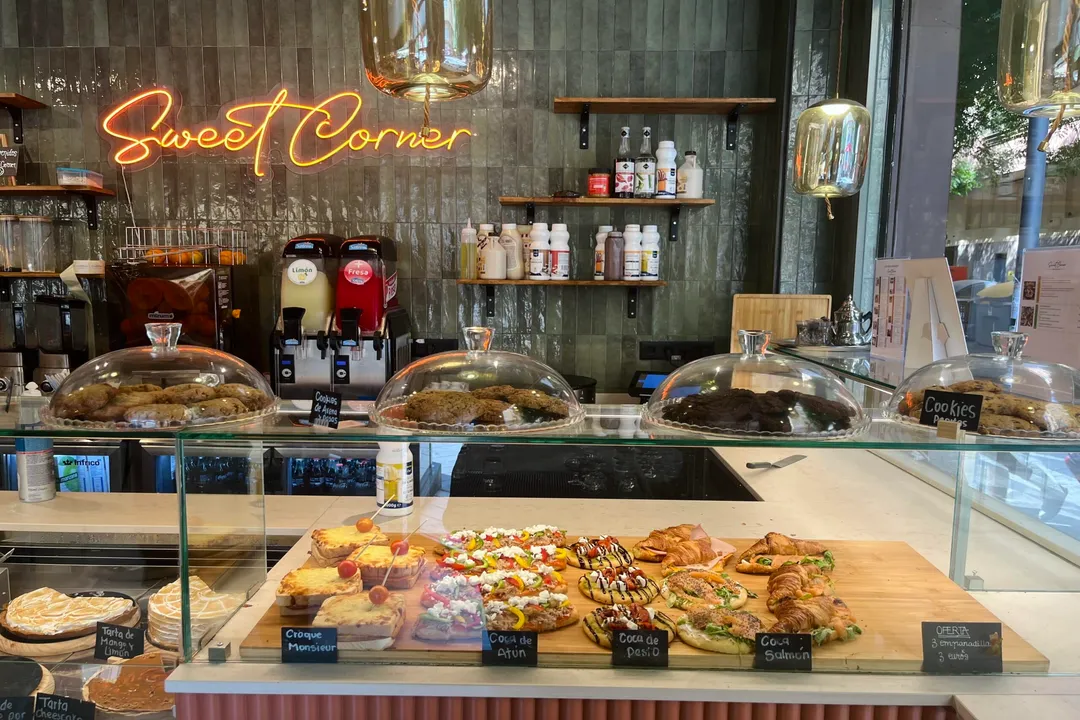
The term coca in Alicante often refers not to a single item but to a type of bread or flatbread base, making it incredibly versatile across the culinary spectrum. [2] This foundational dough is utilized for everything from appetizers to substantial snacks and even desserts. [1][2]
The range showcases this duality perfectly. On the savory side, you might encounter Coca amb tonyina, which is essentially a thin empanada filled with tuna and sometimes pine nuts. [2] For a vegetarian option, Coca de Verduras is a colorful display, using the crispy bread base as a canvas for fresh seasonal vegetables like peppers, aubergines, onions, and tomatoes. [1]
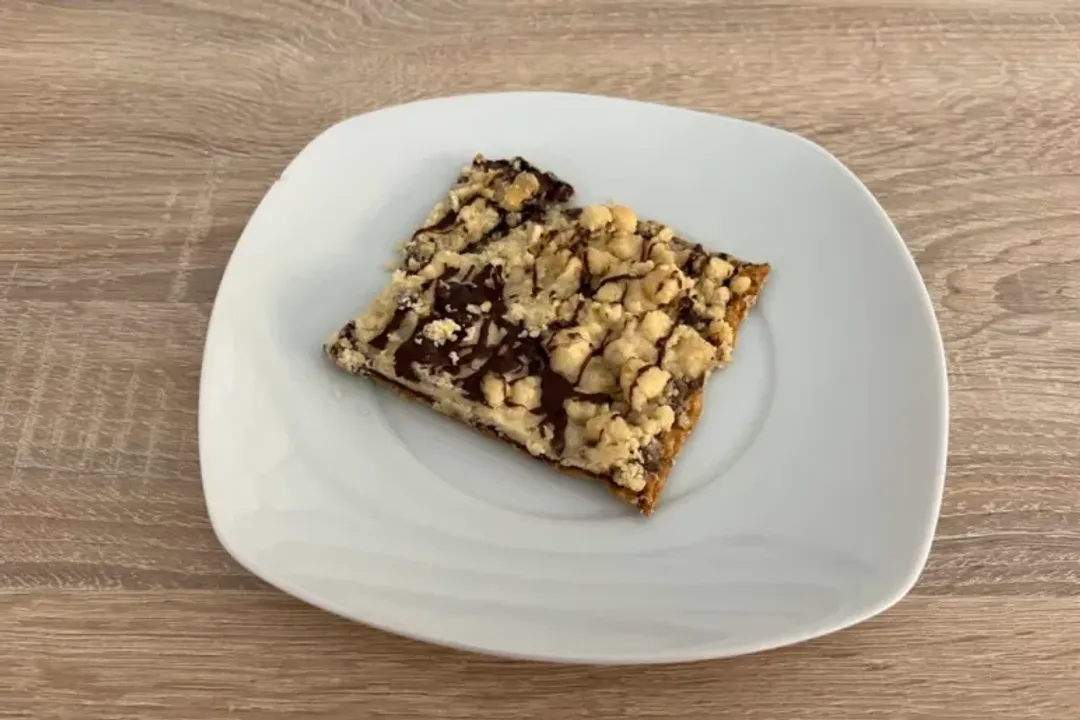
On the sweeter end, the local bakeries feature Coca de mollitas. [2] This item often catches visitors by surprise; while it might appear like a crumbly tart, it leans more toward a salty profile traditionally made only with flour, olive oil, and salt, though chocolate-drizzled versions are popular. [2][1] This fundamental versatility—being both the base for a fish-filled pastry and a slightly sweet, slightly savory bread—is a key characteristic of the coca tradition. [1][2]
# Sweet Endings and Local Brews
No discussion of Alicante food is complete without mentioning its most famous export, the confection that anchors the Christmas season across Spain: Turrón. [1][3] The town of Jijona, from which one major style originates, has its production protected by a Regulatory Council. [3] There are two main styles, offering distinct textures for the sweet tooth:
- Turrón de Jijona: The soft variety. This nougat is made by grinding its main ingredients—almonds and honey—into a creamy paste. [3]
- Turrón de Alicante: The hard variety. While also almond and honey-based, the almonds are diced rather than ground, and egg white is added as the key emulsifying agent that binds the hard bar together. [3]
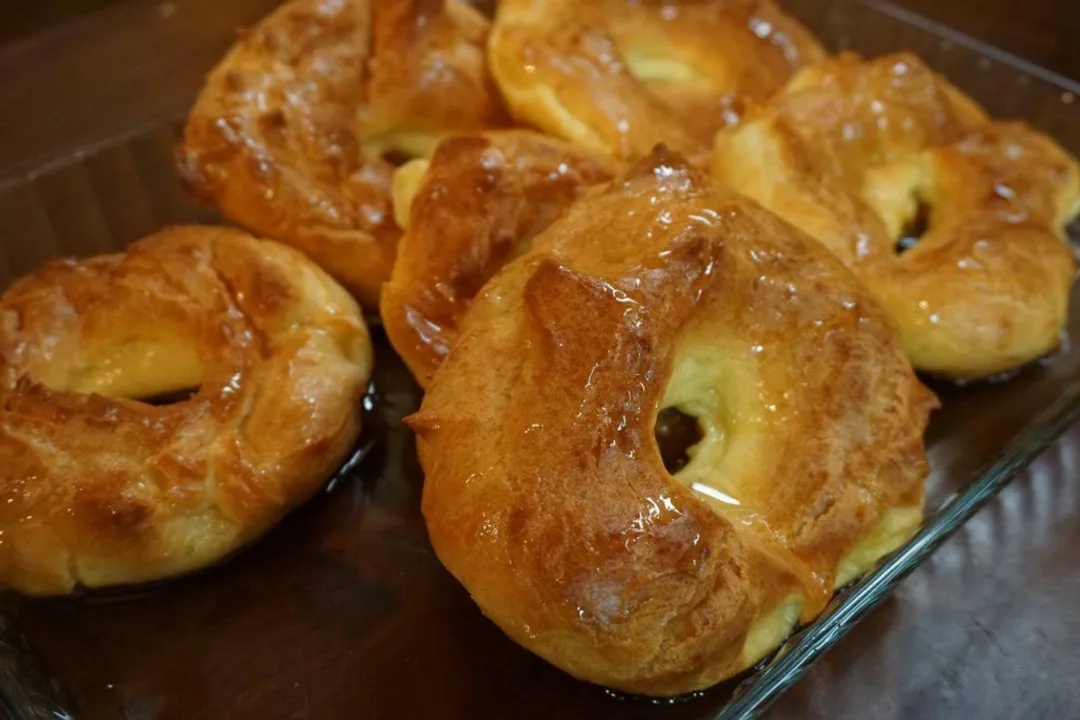
Beyond turrón, the fried sweets known as Almojábanas offer a textural treat, yielding a soft inside encased in a crispy fried exterior, commonly found at local fairs. [1]
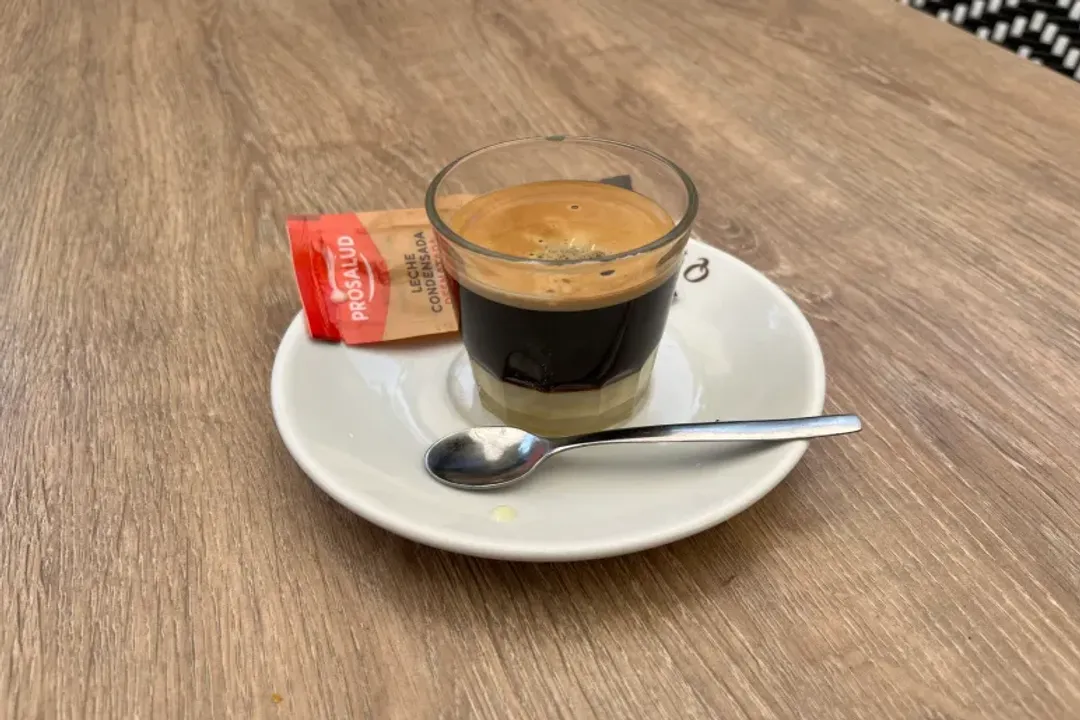
To accompany the meal or sip afterwards, local beverages tell their own stories. Mistela is a liqueur resulting from adding alcohol to grape must, sometimes flavored with herbs or fruit in the barrel, and can be enjoyed as an aperitif or digestif. [3] For a distinctly refreshing, non-alcoholic summer drink, seek out Almond Horchata, which is creamier and distinct from the tiger nut version popular in Valencia. [4] After a rich meal, the traditional digestifs like Cantueso (made from native thyme) or Café Liqueur are often served. [4] For a modern morning ritual, the Café Bombón seems to be taken very seriously in Alicante, consisting of an espresso shot layered with sweetened condensed milk, served either pre-mixed or with the milk pouch for the drinker to add themselves. [2]
# Gastronomic Context and Customs
Understanding when and how Alicantinos eat enhances the entire experience. [4] Mealtimes generally run later than in many other parts of Europe, with lunch typically occurring between 2:00 PM and 3:30 PM, and dinner not usually starting until 9:00 PM or later. [4] Furthermore, many traditional establishments observe a distinct closing period in the mid-afternoon, often shutting down around 4:00 PM and reopening around 8:00 PM. [4]
Food is inherently social here, and during peak hours, particularly around lunchtime or for tapas in the late afternoon, it is not uncommon, especially in older establishments, to share a table with strangers—a practice that reflects the city's open culture surrounding its food. [4] When you do venture out, remember that while many places accept cards, some of the most authentic, small tapas bars might still operate strictly on a cash basis, especially for small orders. [4]
| Dish Category | Key Examples | Defining Feature |
|---|---|---|
| Rice Dishes | Arroz a banda, Arroz con costra | Use of intense broth/crust formation [3] |
| Inland Stews | Olleta, Gachamiga | Legumes, flour, or preserved meats [1][3] |
| Coastal Fare | Caldero, Mojama de atún | Rockfish stew or salt-cured tuna [1][3] |
| Confectionery | Turrón de Jijona/Alicante | Almond-based nougat, soft vs. hard texture [3] |
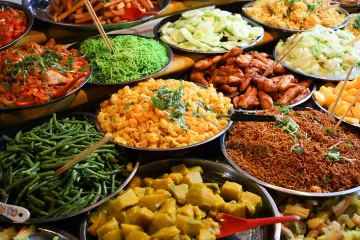
To fully appreciate the local larder, a mandatory stop is the Central Market, which acts as a cultural and gastronomic epicenter. [4] Here, under modernist architecture, one finds the freshest produce, from Denia's renowned red shrimp to seasonal vegetables, giving visitors a direct look at the raw materials that dictate the quality of the dishes mentioned above. [4][3] Sampling the local fare isn't just about eating well; it's about participating in the daily social rhythm and respecting the produce harvested from the nearby sea and gardens. [4]
Related Questions
#Citations
5 Best Foods To Try in Alicante, Spain - The Girl Who Goes
What are the must try dishes in Alicante? - Reddit
Typical Foods of the Alicante Province - FONT DEL LLOP
Alicante Gastronomic Guide: Essential Flavors and Routes
Alicante's traditional food: rice, fish and the best turrón - Barcelo.com