What is a famous drink of Porto?
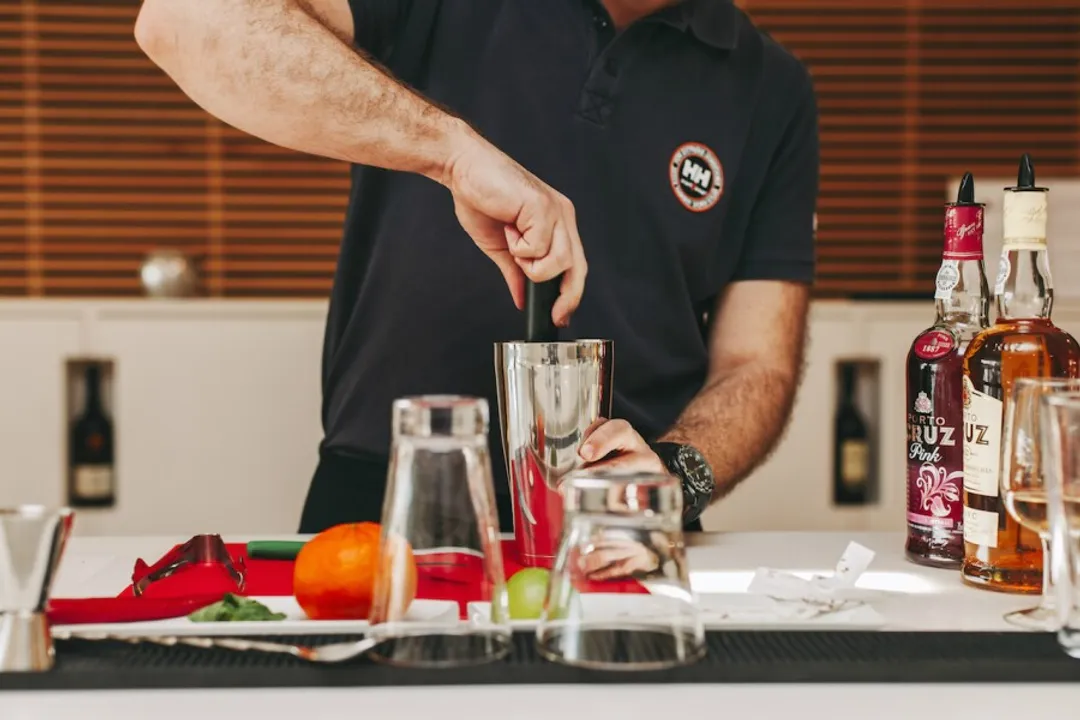
The signature drink emanating from the proud, riverside city of Porto, Portugal, is, without question, Port wine. [4] This fortified wine carries the city’s very name—Oporto—and its history is inextricably linked to the steep, terraced vineyards of the nearby Douro Valley. [3][6] For centuries, the process of aging and exporting this celebrated beverage was centered on the lodges lining the south bank of the Douro in Vila Nova de Gaia, capitalizing on cooler temperatures conducive to proper maturation. [5][6] While the tradition of sipping a deep, rich Vintage Port after dinner alongside Stilton cheese remains revered by purists, the beverage is currently experiencing a renaissance, driven largely by its adaptation into lighter, more contemporary drinks, most notably the Porto Tonico. [6][7]
# Douro Roots
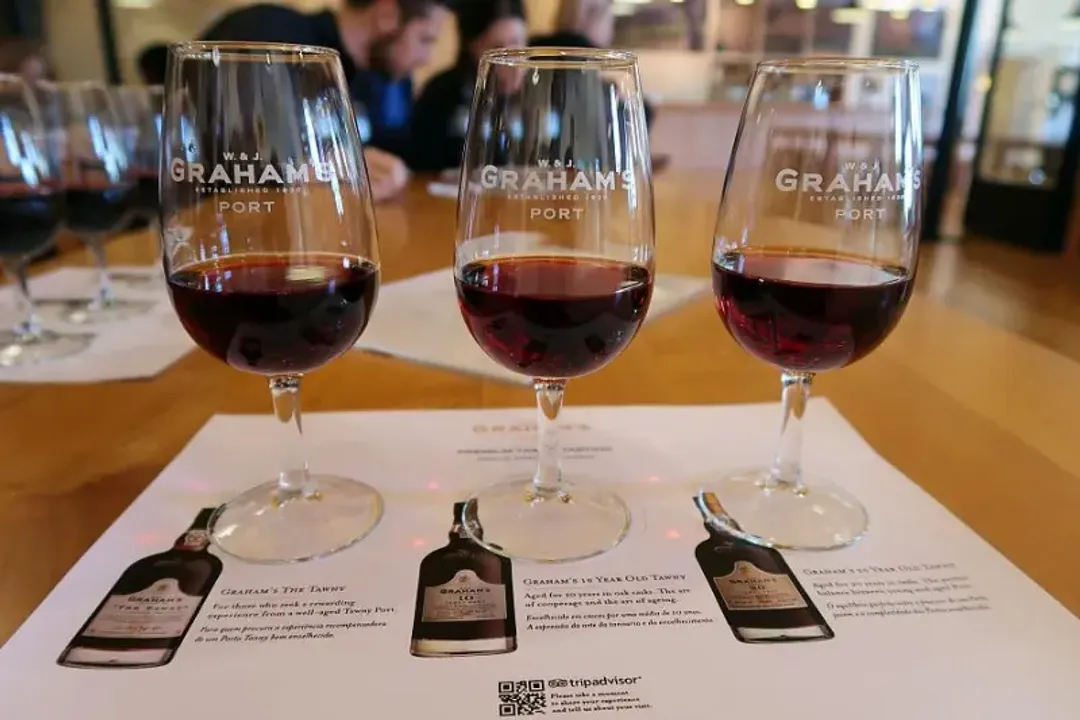
Port wine is fundamentally different from standard table wine because it is fortified. [3][4] This fortification process involves adding a neutral grape spirit, like brandy, to the wine during fermentation. [3][4] This crucial step arrests the fermentation, effectively killing the yeast, which ensures that a significant amount of the grape’s natural sugars remain in the liquid. [3] This retention of sugar, coupled with the spirit addition, results in a higher alcohol by volume (ABV) and the wine’s characteristic complexity and sweetness. [3][6] The region that produces it, the Douro Valley, holds the distinguished title of being the world’s first demarcated wine region, established in 1756. [6] Producers maintain rigorous standards, overseen by the Instituto dos Vinhos do Douro e Porto (IVDP), ensuring every bottle carrying the designation adheres to strict production rules. [3]
# Port Styles Comparison
The diversity within the Port category is vast, determined by the grapes used and, critically, the aging method. [3] While red grapes like Touriga Nacional and Touriga Franca are dominant in many styles, the choice of aging vessel—large vats or small barrels—and the duration dictate the final character. [3] Understanding these styles is key to appreciating why Port is so versatile, capable of serving as a digestif, a dessert companion, or the base for a refreshing daytime cocktail. [3][4]
| Port Style | Primary Grapes | Key Aging/Process | Flavor Profile | Typical Use |
|---|---|---|---|---|
| Ruby | Red varieties | Aged briefly (2-3 years) in large vats to limit oxygen exposure. [3] | Fruity, vibrant, deep red color, retains natural grape sugars. [3] | After dinner; pairs with cheese or dark chocolate. [3][5] |
| Tawny | Often blended vintages | Aged in wooden casks, allowing for slow evaporation and oxidation. [3] | Brownish hue, complex, nutty, hints of caramel and dried fruit. [3] | Digestif; older expressions (10, 20, 40-year) are highly valued. [3][4] |
| White Port | White grapes (e.g., Malvasia Fina) | Aged in oak barrels; fortification timing affects dryness/sweetness. [3] | Lighter, fresher; ranges from dry to sweet. [3] | Aperitif or cocktail base (like the Portonic). [3][4] |
| Vintage | Best red grapes from a single, declared year | Aged briefly in cask (2-3 years), then bottle-aged for complexity. [3] | Prized, complex, notes of dark fruits, chocolate, powerful tannins. [3] | Sipped neat, often with blue cheese; best avoided in cocktails. [3][7] |
This range means that Port is not a singular entity; the specific characteristics of the White Port, for instance, make it ideal for refreshing mixed drinks, whereas the deep structure of a Vintage Port demands to be enjoyed on its own to fully convey its long bottle development. [7]
# The Modern Sip
Historically, Port was viewed as a serious, often after-dinner drink, sometimes carrying somewhat dated connotations, which contributed to sales plateaus in international markets. [6] However, the industry is actively pushing for reinvention to capture a different, perhaps younger, demographic. [6] This is where the Porto Tonico—or Port and Tonic—enters the picture. [6][7] For many in Porto, especially when the sun shines, this simple mix has become the local counterpoint to drinks like the Aperol Spritz. [1]
The Portonic’s appeal lies in its balance, refreshment, and relatively lower ABV compared to a standard gin and tonic. [1] It achieves a complexity that some find lacking in simpler highballs, all while remaining incredibly approachable. [1] It is considered by some to be Portugal’s modern signature mixed drink, offering a taste of local pride in a chilled, effervescent format. [1][6]
The debate over nomenclature—whether the Portonic is a true cocktail or merely a mix-drink—highlights the evolving nature of beverage culture. [7] While purists might argue that the original cocktail definition required spirit, sugar, and bitters, modern descriptivism often labels any mixed alcoholic beverage a cocktail. [7] Given that White Port is fortified to around 20% ABV (fitting the spirit component) and is naturally sweet, with the tonic providing the bitterness, the Portonic certainly has a defensible position in the cocktail canon for the purposes of this new wave of consumption. [7] The goal, as expressed by those promoting these drinks, is to shed any "dusty appearance" and get Port wine appreciated by a wider audience. [7]
It is fascinating to observe how the city is strategically using White Port—a style traditionally less common in export markets compared to Ruby or Tawny—as the gateway drug to Port appreciation. [3][4] By mixing a dry or off-dry White Port with tonic, the resulting beverage lowers the perceived sweetness and maximizes refreshment, providing a sophisticated yet simple introduction to the fortified wine category. [1][7] This approach allows the structure of the fortified wine to shine through without the heaviness associated with sipping a Vintage or older Tawny Port on a warm afternoon. [4]

# Crafting the Mix
Making an excellent Porto Tonico is less about complex mixology and more about ingredient selection and adherence to proportion. [1][7] The foundation of this refreshing beverage rests on utilizing quality components, much like one would for a standard gin and tonic. [1]
# Essential Components
The recipe centers around three main elements: White Port, tonic water, and garnish. [1]
- The Port: The recommendation generally leans toward Dry White Port. [1][6] However, other un-aged or younger styles, like a Young Tawny or even a Ruby Port, can be substituted, though aged or reserved ports are widely considered too valuable and structured for mixing. [7]
- The Tonic: Selecting a good tonic water makes a noticeable difference, as the tonic constitutes the majority of the drink. [1] Brands that use real cane sugar and avoid excessive sweetness, such as Fever Tree or Q Tonic, are suggested over mass-market options like Schweppes or Canada Dry. [1]
- The Ratio: While flexibility exists, the traditional ratio often cited is one part Port to two parts Tonic (e.g., 2 ounces of Port to 4 ounces of Tonic). [7] Some drinkers in Porto might lean toward a higher tonic proportion (1:3 or 1:4) for a longer, more diluted sip, especially if they prefer a lighter ABV profile. [7]
- The Glass and Ice: The drink demands ample chilling, so a generous amount of ice is crucial. [1] A bulbous stemmed or stem-less wine glass is often recommended for serving. [1]
# Garnish Variations
The garnish is where personal flair can be introduced, though tradition points toward citrus and herbs. [1] The most common and traditional additions include:
One particularly insightful suggestion gathered from ongoing beverage discussions involves using Rosé Port as an alternative base, garnished with a cinnamon stick alongside the orange slice, offering a different aromatic dimension. [1] Another creative suggestion involves freezing lemon zest into ice cubes, which adds a burst of fresh flavor as the cube melts without overly diluting the drink. [1] Experimentation with ingredients like a slice of ginger or a sprig of rosemary, as used in some high-end Port Tonics, can also yield delightful results. [4][6]
# Beyond the Tonic
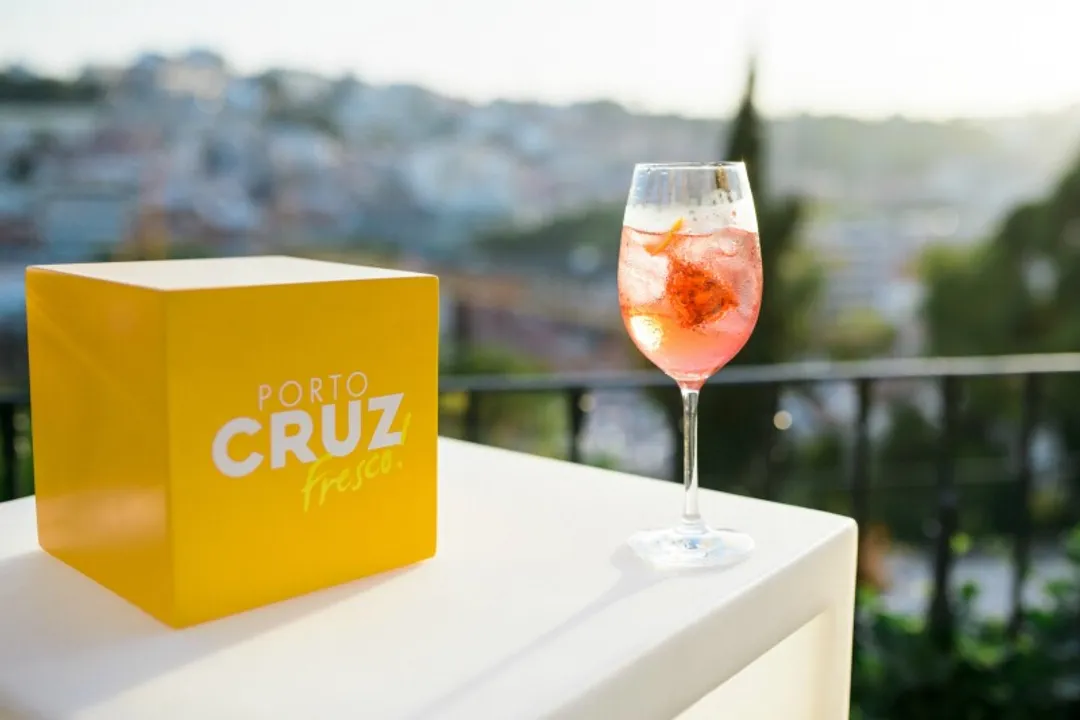
While the Portonic is currently leading the charge in modern Port consumption, the original forms of Port wine still define special occasions and pairings across the region. [6] For those seeking to move beyond the mixed drink, there is a clear hierarchy of enjoyment that dictates when to sip neat versus when to mix. [7]
The deeper, more complex Ports—like Vintage Port—are best left undiluted and decanted to manage sediment, offering a powerful experience of dark fruit and spice best paired with robust desserts or cheeses. [3][4] Conversely, younger Ruby Port can be lively enough to handle a more casual setting, sometimes paired with cheeses like the creamy, herbaceous Queijo Serra da Estrela. [3][5]
Tawny Ports, having spent years oxidizing in wood, develop lovely nutty and caramel characteristics perfect for sipping after a meal, perhaps complementing a coffee. [3][4] White Port, when not destined for a tonic, can range from sweet enough for dessert to dry enough to serve as an aperitif alongside appetizers like olives or a lighter cheese course. [3] This dual identity—the esteemed, centuries-old fortified wine and its bright, modern cocktail expression—ensures that Porto’s signature drink remains relevant, catering both to the contemplative traditionalist and the curious newcomer seeking refreshment on a warm afternoon. [4][7] Ultimately, the drink of Porto is both an ancient tradition and a contemporary invitation. [6]
Related Questions
#Citations
Top 5 Things To See, Eat, and Drink In Porto, Portugal
9 things you must eat and drink in Porto - Flying Scots Girl
The 6 Best Port Wines in Porto - Eating Europe
The Most Popular Portuguese Drinks You Should Try
How Porto Is Reinventing Its Most Famous Drink
Is a Portonic a cocktail or just mix drink? - Reddit
Port and Tonic (Porto Tonico) - The Travel Bite
How to Make a Porto Tonico Cocktail (White Port & Tonic)