What is the most famous soup in Spain?
When considering the culinary landscape of Spain, pinning down a single "most famous" soup is surprisingly complex, much like trying to name the single most important ingredient in the entire Mediterranean diet. Spain boasts a vibrant tradition of both hot, hearty stews and refreshingly cold summer preparations, with fame often depending on whether you are asking a local resident or an international visitor. [3][5] However, the sheer global recognition and consistent high praise strongly point toward one category, and within that category, two specific chilled creations dominate the conversation: Gazpacho and Salmorejo. [1][4] While some might argue for the status of a national dish, many sources confirm that Spain does not officially declare a single national soup; instead, regional pride dictates favorites. [3]
# The Cold Contenders
The soups that achieve the widest renown, particularly outside of Spain’s borders, are almost always those served chilled, perfectly suited for the country's warm climate. [8] These refreshing concoctions represent a genius in simplicity, transforming humble garden vegetables into something vibrant and essential for summer dining. [4]
The data available from culinary rating sites provides a strong indication of public preference. For instance, on lists compiling the best-rated soups in Spain, Salmorejo often commands a top position, sometimes even beating out its famous cousin, Gazpacho. [1] Yet, Gazpacho remains perhaps the most widely known term internationally, the ambassador of Spanish cold cuisine. [7] Understanding the fame of one requires understanding the other, as they share heritage, ingredients, and a geographical origin in the sun-drenched region of Andalusia. [3][4]
# Gazpacho Profile

Gazpacho is arguably the soup most readily identified with Spain worldwide. [7] Its roots are deeply embedded in the farming culture of Andalusia, where it served as a practical, thirst-quenching meal for agricultural workers. [5] The classic preparation, often referred to as Gazpacho Andaluz, relies on a base of raw, crushed vegetables blended with water, olive oil, vinegar, and stale bread to achieve its body. [7]
The essential flavor profile is bright, acidic, and intensely fresh. While the modern recipe is dominated by tomatoes, historical versions were far simpler, sometimes containing only bread, water, garlic, and oil—resembling the bread-thickened preparations that preceded the introduction of New World ingredients like tomatoes and peppers to Europe. [5][7] A good Gazpacho should taste intensely of ripe summer produce. [5]
When tasting Gazpacho, one expects a certain texture. It is generally liquid enough to be sipped, though it shouldn't be watery. The ingredients must be perfectly emulsified, usually resulting in a smooth, vibrant orange-red liquid. [5]
# A Note on Variation
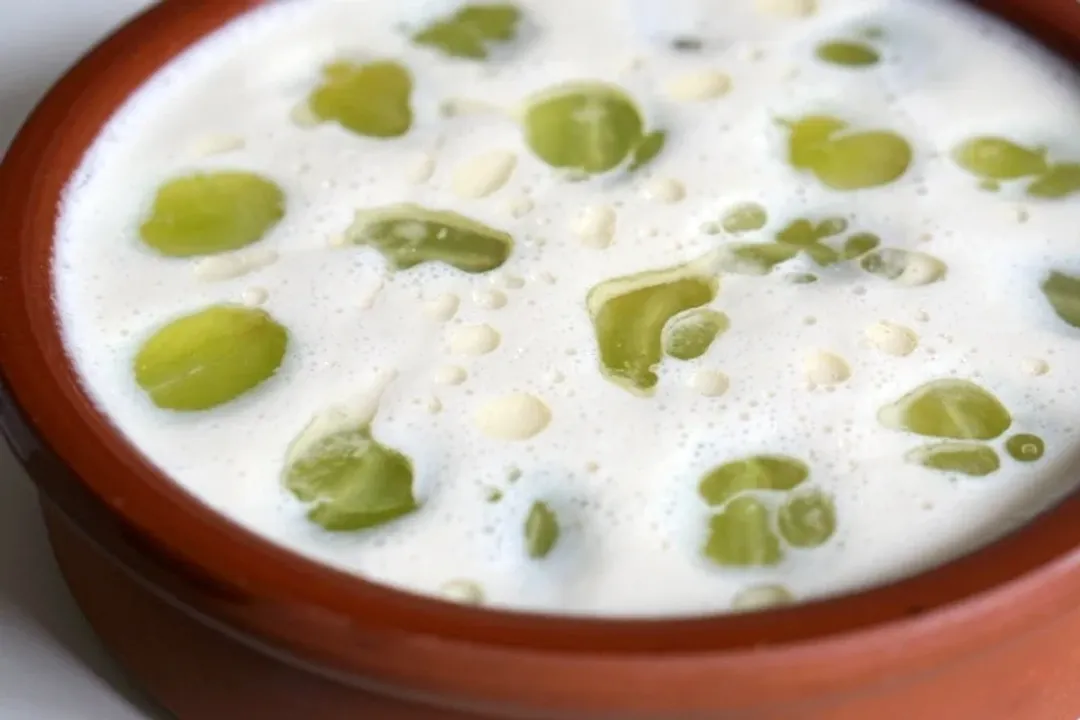
The beauty of Gazpacho lies in its adaptability. While the Andalusian staple is the most famous, variations pop up across the country. [1][8] For example, Ajoblanco, another highly rated chilled soup from Andalusia, is distinguished by its white color, substituting tomatoes for almonds and bread, seasoned intensely with garlic. [1] This highlights an important cultural point: the term "Gazpacho" can sometimes function as a regional umbrella for various raw vegetable purées, even if purists insist on the tomato-centric definition. [3]

# Salmorejo Texture
If Gazpacho is the popular tourist favorite, Salmorejo is often heralded by serious Spanish food enthusiasts as superior in richness and refinement. [4] Also hailing from Andalusia, specifically the city of Córdoba, Salmorejo is frequently confused with Gazpacho, but its preparation and end result are distinctly different. [4][8]
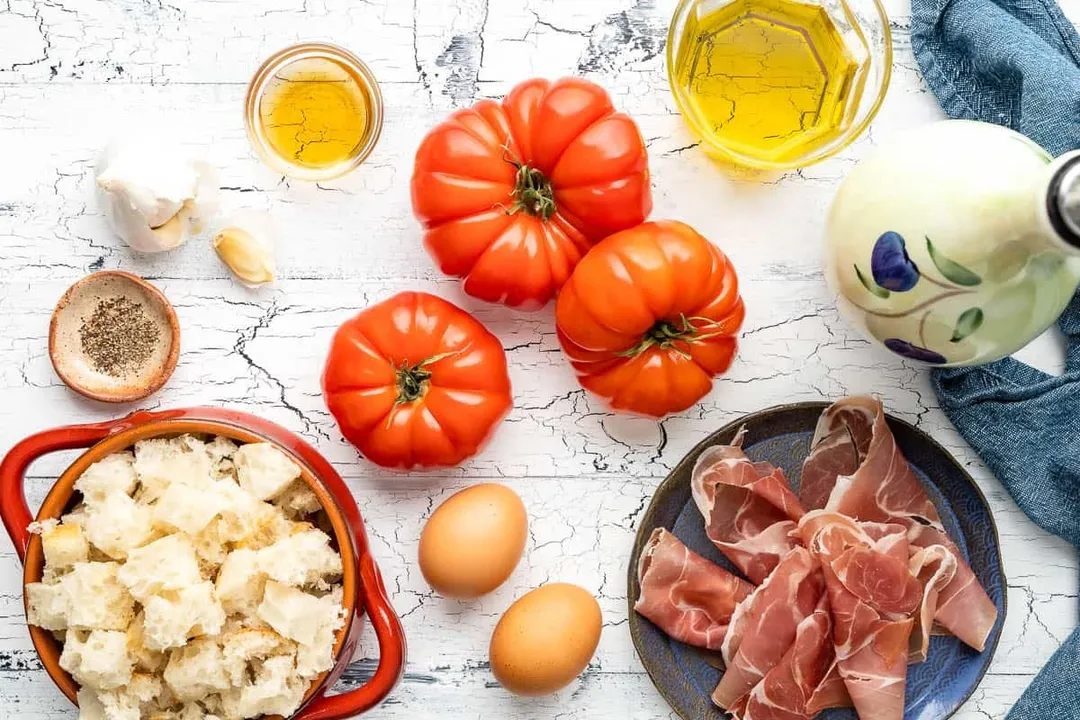
The key difference lies in the texture and composition. Salmorejo is significantly thicker than Gazpacho. It achieves this substantial body primarily through a higher ratio of stale bread to liquid, making it less of a refreshing drink and more of a substantial starter or light main course. [4] Furthermore, while Gazpacho often incorporates cucumber and peppers, traditional Salmorejo focuses on tomato, bread, garlic, and olive oil, omitting cucumber and often using less vinegar, allowing the sweetness of the tomato and the richness of the olive oil to dominate. [4]
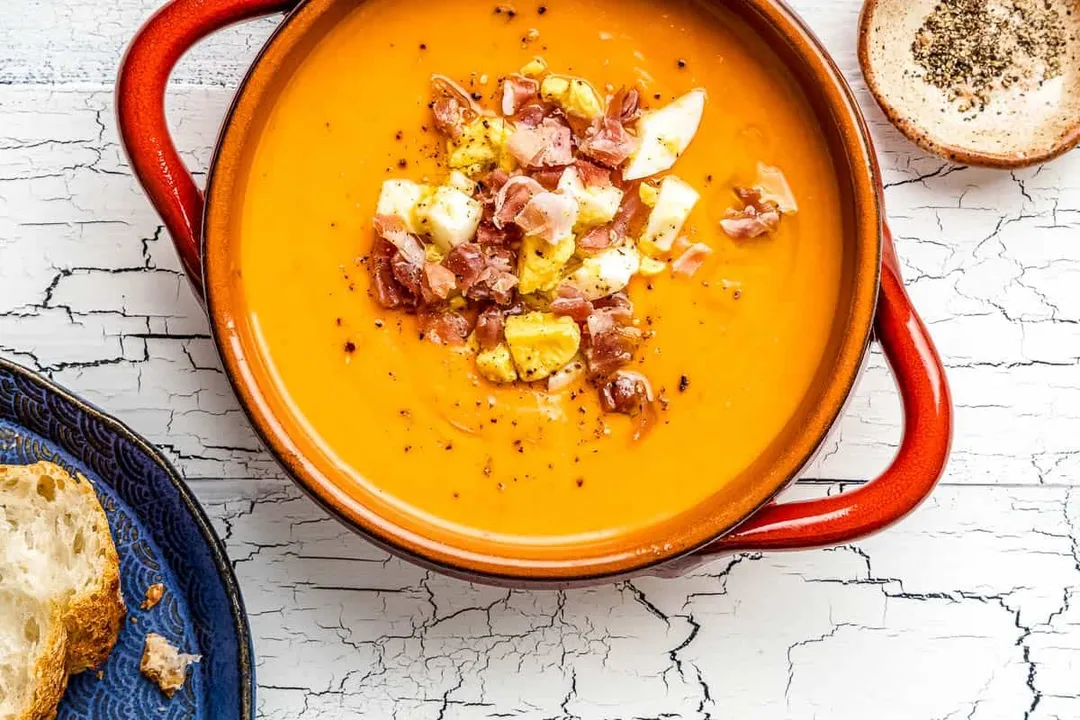
A classic presentation of Salmorejo is crucial to its identity. It is customarily garnished with finely chopped hard-boiled egg and slivers of jamón serrano (cured Spanish ham). [4][8] This addition of savory, rich toppings contrasts beautifully with the cool, creamy soup base, providing textural and flavor complexity that Gazpacho often lacks in its simplest form. [4] If you are seeking the soup that consistently ranks highest on quality indices, as suggested by some rating systems, Salmorejo presents a compelling case based on its richer profile and traditional garnishes. [1]
# Hot Soups Esteemed
While the cold soups capture the international imagination during summer months, Spanish cuisine is equally defined by its warm, restorative dishes, especially as one moves north or during cooler seasons. [2] Several hot preparations enjoy immense local fame and high ratings. [1]
# Garlic Soup
Sopa de Ajo (Garlic Soup) stands out as a highly acclaimed traditional soup, often appearing near the top of Spanish culinary rankings alongside the cold specialties. [1] This dish is the epitome of rustic Spanish cooking, relying on simple, pantry-stable ingredients—namely garlic, bread, paprika, and often an egg dropped in to poach just before serving. [2] It’s deeply flavorful, aromatic due to the slow-cooked garlic, and incredibly comforting. [2] Its fame is less about widespread international visibility and more about its deep cultural entrenchment as a restorative, traditional meal, especially in central and northern Spain. [5]
# Other Regional Stars
Exploring the wider catalog reveals the diversity that makes labeling one soup "the most famous" problematic. [2][3]
- Escudella i Carn d'Olla: This Catalan stew is a powerhouse, often served in two parts: first the broth, followed by the meat and vegetables. [2][9] While more of a stew than a pure soup, its importance in its region is undeniable. [9]
- Porra Antequerana: Related to both Gazpacho and Salmorejo, this soup from Antequera is even thicker than Salmorejo, often described as being almost a paste, traditionally topped with olive oil and breadcrumbs. [1]
- Fideos a la Cazuela: A humble noodle soup often made with fish stock or seafood, beloved in coastal areas. [2]
When we consider the frequency of appearance across diverse sources—from international food blogs to dedicated regional guides—the consensus leans heavily toward the Andalusian chilled soups dominating the "fame" metric, even if hot soups like Sopa de Ajo score higher on certain pure taste metrics. [1][3]
# Culinary Experience and Context
To truly appreciate why these soups are so famous, one must consider the experience they offer, which moves beyond just the ingredients list. It speaks to an understanding of how food serves a purpose in Spanish life.
For example, an authentic Gazpacho experience is often tied to its presentation as an aperitivo or a communal dish. [5] A key insight for the home cook looking to achieve authentic flavor is understanding the role of vinegar and olive oil in Gazpacho. They are not just flavorings; they are emulsifiers that bind the water content of the vegetables to the fat of the oil, creating a stable, creamy texture without cream or starch. [7] If your Gazpacho separates quickly or tastes flat, the fault often lies in not allowing these components to marry properly or in using low-quality oil.
Contrast this with the bread component in Salmorejo. Because it uses bread as the primary thickener, the type of bread matters immensely for the final mouthfeel.
| Soup | Primary Thickener | Typical Temperature | Key Flavor Profile |
|---|---|---|---|
| Gazpacho | Bread, Water/Vegetable Juice | Cold | Bright, Acidic, Fresh Vegetable |
| Salmorejo | Bread, Olive Oil | Cold | Rich, Creamy, Intense Tomato |
| Sopa de Ajo | Bread | Hot | Savory, Garlicky, Paprika |
| [1][4][7] |
Here is a practical consideration for travelers: do not mistake a restaurant offering a simple, thin, tomato-based soup in the winter for a true Gazpacho Andaluz. While many establishments keep a version of Gazpacho available year-round, its quality and characteristic brightness diminish significantly when tomatoes are out of season, often leading to a less satisfying experience compared to the robust, slow-cooked stews available then. [2] An original tip for maximizing your enjoyment while traveling is to always inquire about the seasonal availability of the fresh produce; a high-quality restaurant will proudly tout using vine-ripened tomatoes for their cold soups even in the off-season, or they will default to serving a hot specialty instead. This commitment to seasonality is, in itself, a major hallmark of Spanish food authority. [2]
# Defining Fame
The reason this discussion circles back to Gazpacho and Salmorejo is their dual fame: they are both highly rated and internationally known. While a local might argue for Sopa de Ajo based on its restorative power during winter festivals, or a Catalan might champion Escudella, the global image of Spanish soup is undeniably chilled and vegetable-forward. [3] TasteAtlas ratings often place Salmorejo slightly ahead, which speaks to its inherent richness and complexity when prepared correctly, offering a more complete sensory experience than the lighter Gazpacho. [1]
Ultimately, while there is no single, decreed "national soup," if one were to select the most famous soup representing Spain to the world, the honor would likely fall to Gazpacho due to its near-universal recognition, closely followed by its thicker, richer sibling, Salmorejo, which often wins the praise of connoisseurs. [3][7] Their fame is a testament to Spanish ingenuity in transforming the simple gifts of the garden into iconic, world-class cuisine. [4]
#Videos
The Famous POTATO Soup from the Canary Islands - YouTube
Related Questions
#Citations
Top 31 Spanish Soups - TasteAtlas
BEST TRADITIONAL SPANISH SOUPS | ForeverBarcelona
What is the national soup of Spain? - Quora
Salmorejo Recipe (Cold Tomato Soup) - The Mediterranean Dish
10 Traditional Spanish Soups - Insanely Good Recipes
A Spanish gazpacho cold soup... had in Barcelona and it came out ...
Gazpacho - Spanish (Andalusian) Cold Tomato Soup - Reddit
My Top 6 Cold Spanish Soups - Simple Spanish Recipes
List of Spanish soups and stews - Wikipedia
The Famous POTATO Soup from the Canary Islands - YouTube