What food is Nottinghamshire famous for?
The notion of a single, defining flavour for any county can be tricky, yet Nottinghamshire certainly lays claim to several distinctive tastes that have travelled far beyond its borders, alongside some truly unique local traditions. While the tales of Robin Hood might dominate the county’s lore, its culinary contribution is rich, spanning from ancient fruit cultivation and fiercely protected dairy production to the very sauces that accompany a nationwide breakfast staple. It’s a food landscape that mixes deep-seated historical agricultural produce with surprising modern entrepreneurial success stories. [3]
# The Dairy Icon
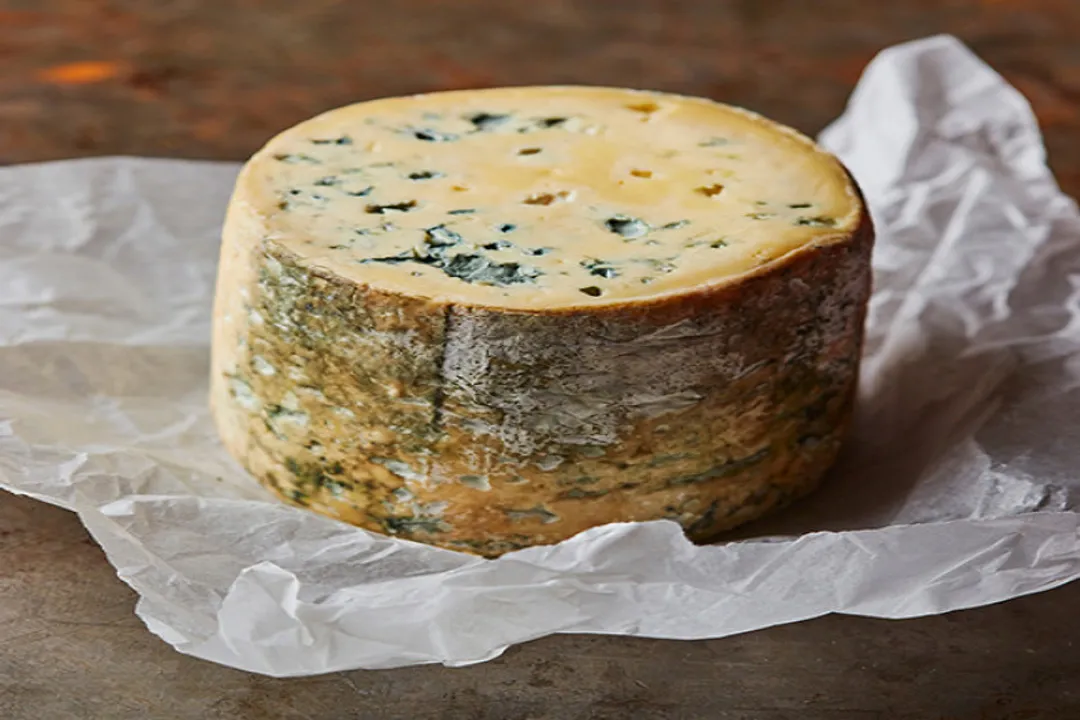
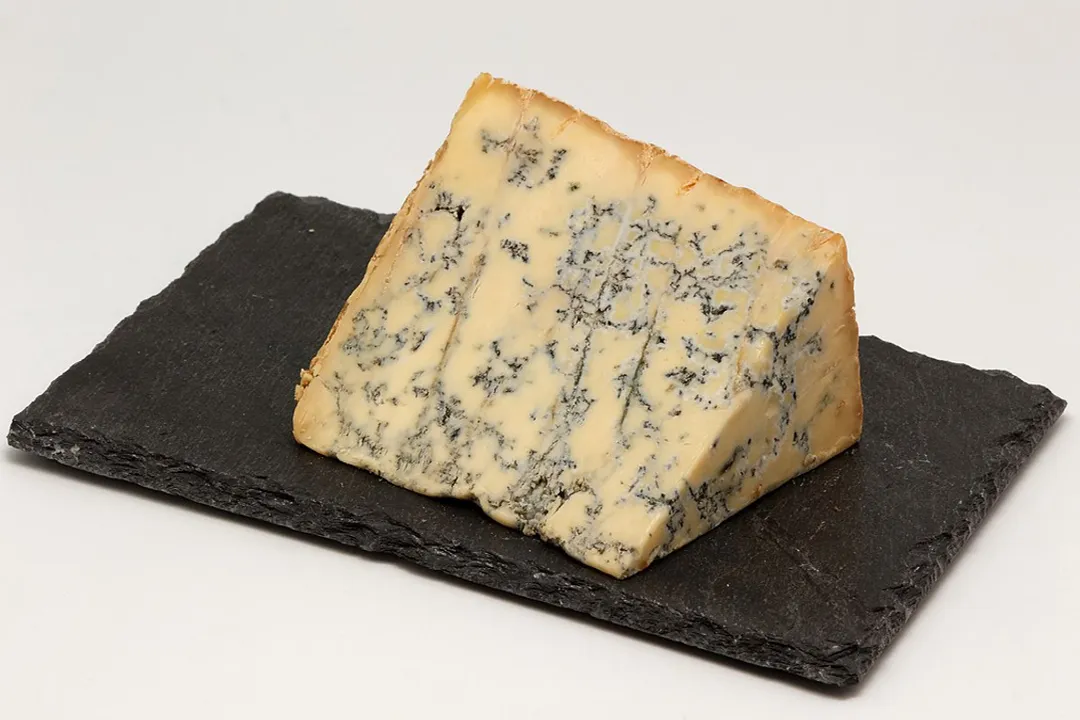
If there is one food item that immediately springs to mind when discussing the East Midlands’ finest, it is Stilton cheese. This famed blue-veined cheese isn't just a local favourite; it enjoys a Protected Designation of Origin (PDO) status, a legal shield ensuring its authenticity and quality, even post-Brexit. [3][9] This protection means that only cheese produced within the three specific counties—Derbyshire, Leicestershire, and Nottinghamshire—can legally bear the Stilton name. [9] Nottinghamshire plays a crucial part in maintaining this legacy, hosting two of the only six dairies licensed to produce the genuine article, namely Cropwell Bishop Creamery and Colston Bassett Dairy. [1][3]
The process itself is time-honoured, requiring between nine and twelve weeks for maturation. [3] The characteristic blue marbling is achieved by piercing the cheese with stainless steel needles, allowing air into the core to encourage the growth of the Penicillium roqueforti mould. [3][9] While the cheese is named after the Cambridgeshire village of Stilton where it was historically marketed, its heartland remains firmly in this tri-county area. [9] It is worth noting that nearby, cheeses like Stichelton, virtually identical in style, are produced using unpasteurised milk, which legally prevents them from carrying the Stilton PDO tag. [2][9] This geographical restriction highlights how seriously the region takes its dairy heritage; to secure a slice of true Nottinghamshire flavour, one must seek out one of those licensed local producers. [1]
# Orchard Gold
Moving from the pungent blue of the dairy to the crisp tang of the orchard, Nottinghamshire is the undisputed origin point for the Bramley apple. [3][4] This is not just any apple; it is the quintessential British cooking apple, the go-to choice for everything from crumbles to pies. [3] The story begins in Southwell in 1809, courtesy of a young girl named Mary Ann Brailsford, who planted the pip that eventually grew into the original tree. [3][4] Although Mary passed away before her fruit became famous, a cutting was sold by the cottage’s next resident, a butcher named Matthew Bramley, who stipulated that the tree should carry his name if it became commercialised—a condition that was certainly met. [4]
The lineage remains traceable: the original "mother tree" is still alive and fruiting at the Southwell cottage, which is now maintained by Nottingham Trent University. [4] Furthermore, the town of Southwell honours this heritage by hosting an annual Bramley Apple Festival. [4] The apple’s influence even extends into modern local products; for instance, Redsmith Distillery in Nottinghamshire has created a small-batch gin featuring the local Bramley Apple. It’s fascinating to see how a single, accidental planting in a small garden has resulted in an ingredient grown globally today, yet always rooted in the soil of Southwell. [3]

# Goose Fair Staples
Perhaps the most unique and time-locked culinary experiences in Nottinghamshire are found at the annual Goose Fair, a tradition stretching back to the 13th century. [6] This fair is the stage for specific comfort foods that locals hold dear, irrespective of passing food trends. [3] Chief among these is the combination of mushy peas with mint sauce. [1][5] While elsewhere in the UK, this request might elicit confusion, in Nottingham, it is a serious fixture, historically leading to local outrage when stallholders were suspected of using canned peas or squeezy-bottle mint sauce. [3] To get the authentic experience, visitors seek out stalls, like Terry's Pea Stall, where the peas are cooked from scratch over a coal fire until perfectly soft, accompanied by that distinctive, vinegary mint infusion. [3]
The other non-negotiable item at the fair is the Cock on a Stick. [3] This cockerel-shaped toffee lollipop is a sweet tradition dating back to 1872, passed down through generations of stallholders. [3] While it may lack official PDO status, its connection to the fair is absolute, serving as a sugary, stick-held emblem of Nottingham nostalgia. [3] The Goose Fair, therefore, acts as a living culinary museum, preserving tastes that are far removed from the fine dining seen elsewhere in the city. [6]
# Urban Inventions
While Stilton and Bramley represent agricultural pedigree, Nottinghamshire also boasts iconic items born from the industrial grit of its urban areas, demonstrating that innovation is just as much a part of the local flavour profile. The most surprising national product on this list might be HP Sauce. [3] This ubiquitous brown sauce, instantly recognisable by its Houses of Parliament logo, was actually invented in Nottinghamshire. [3][4] In 1884, Frederick Garton, a grocer from Basford, created the sauce in his pickling factory. [3] The name came from a rumour that the sauce was being served at the Houses of Parliament, prompting Garton to use the initials when he registered the product in 1895. [4]
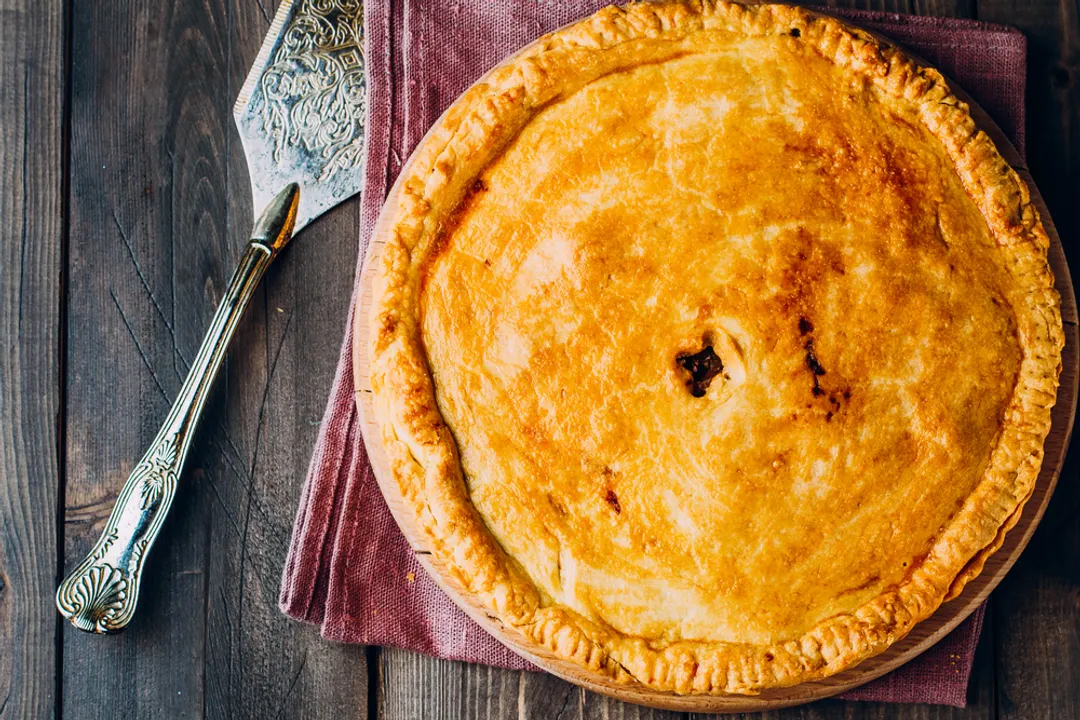
Another creation, albeit one aimed more locally, is the Nottinghamshire Pie. [4] Unlike its Leicestershire cousin, the Melton Mowbray pork pie, this savoury bake is a 21st-century invention, first crafted in 2008 by chef Roy Wood. [4] It’s essentially a hearty, shepherd’s pie-style filling encased in pastry, specifically combining beef, leek, potatoes, and, fittingly, local Stilton. [4] This shows a newer generation of food producers actively trying to codify a distinct Nottinghamshire dish to stand alongside the older heavyweights. [4]
It is also worth noting the mention of Colwick Cheese alongside Stilton, suggesting a lesser-known, dedicated local cheese variety exists within the county’s dairy sphere. [5] Additionally, the influence of the county’s Caribbean community is evident in the mention of Caribbean Chicken Dumplings as a regional speciality, suggesting a multi-cultural layer to the local identity that street food and community stalls now champion. [5]
This distinction between regionally designated heritage foods and nationally recognised, urban-born condiments like HP Sauce reveals a fascinating duality in Nottinghamshire's food story: one side honours the land and tradition, while the other celebrates the ingenuity of its factory workers and grocers. [4]
# Brewing Heritage
No exploration of the East Midlands is complete without acknowledging its strong connection to cask ale, and Nottingham has its own proud lineage of brewers. [3] The name Shipstone’s, or 'Shippo's', is closely tied to the county’s Victorian brewing past, operating from a New Basford brewery established in 1900. [3] Though production ceased at the original Star Brewery in 1991, the brand was successfully revived in 2016 as the smaller Little Star Brewery, continuing to produce original bitter, IPA, and Gold Star Pale Ale. [3]
However, the current powerhouse on the Nottingham scene is arguably Castle Rock. [3] Based near the city centre, behind the Vat & Fiddle pub, Castle Rock is renowned for its multi-award-winning Harvest Pale. [3] This beer, first brewed in 2003 to mark the arrival of the trams and originally named Trammie Dodger, became a flagship brew after winning Champion Beer of Britain in 2010. [3] The popularity of Harvest Pale, with its delicate citrus character, demonstrates that the county’s brewing prowess is not just historical but extremely contemporary, with modern beers earning national acclaim. [3]
# Modern Artisan Wave
In recent decades, Nottinghamshire has witnessed a surge in independent, artisan producers who are building national profiles from local foundations. [3] This newer wave shows a commitment to high-quality, craft production methods, often sourcing materials locally where possible.
Take the Welbeck Bakehouse, situated on the Welbeck Estate near Worksop. [3] Their reputation is built on the quality of their artisan bread, from light and springy focaccia to flavour-packed sourdough, alongside laminated pastries. [3] This commitment to craft baking is echoed in West Bridgford by Hambleton Bakery, which has previously been crowned Britain's Best Bakery, specialising in traditionally made artisan breads like sourdough, spelt, and rye.
Another incredible local success story is the Sauce Shop, originating from a kitchen in a West Bridgford home. [3] Pam and James Digva have taken their range of condiments, made without artificial ingredients, from a local market stall to national supermarket shelves, racking up numerous Great Taste Awards along the way. [3] Their product line ranges from simple ketchup to adventurous options like burnt pineapple hot sauce. [3] Similarly, Arnold couple Paulette Griffiths and Colin Harrison of Harrison and Griffiths achieved major success with their Jamaican rum cakes, securing a large national contract after winning a television competition. [3] These businesses underscore a shift: Nottinghamshire's food fame is no longer solely dependent on protected status; it is being actively created by dedicated local entrepreneurs. [3]
If you plan to sample these modern delights, consider crafting a culinary tour focused on the south side of the county first. Starting near Worksop to sample the artisan bread and produce from the Welbeck Farm Shop and then moving towards West Bridgford for Sauce Shop or Hambleton Bakery products offers a geographical logic to tasting the 'new' Nottinghamshire staples. Conversely, focusing on the historical icons might necessitate a trip to Southwell for Bramley-related items and then seeking out the licensed Stilton dairies in the Vale of Belvoir area. [1][4] Understanding these distinct geographical pockets—the agricultural north/rural heartland versus the innovative urban south—allows a visitor to better appreciate the diverse nature of the county’s gastronomic output.
# Culinary Time Capsule
The collective fame of Nottinghamshire's foods reveals more than just ingredient quality; it showcases a deep cultural attachment to occasion-specific eating. The enduring popularity of the Mushy Peas and Mint Sauce and Cocks on Sticks at the Goose Fair serves as a culinary anchor, connecting current residents to centuries of fairground tradition. [3][6] These are not items designed for gourmet review; they are experiences, often eaten standing, quickly, and amidst the noise of the fair. [3]
When comparing the heritage items with the modern bakeries, the contrast is stark. You have the rigidly defined, centuries-old PDO cheese production, governed by strict external regulations, sitting alongside the Nottinghamshire Pie, an explicitly modern, inventive recipe that includes the traditional cheese. [4][9] This duality—the fierce protection of the old against the enthusiastic promotion of the new—is what gives the county’s food identity its true depth. It suggests that Nottinghamshire understands that while tradition provides its foundation, embracing innovation is key to continuing its gastronomic relevance. [3]
#Videos
Nottingham's food scene is SERIOUSLY underrated - YouTube
Related Questions
#Citations
Famous Food from Nottinghamshire - The Roasting Pig
Regional foods in Nottinghamshire : r/nottingham - Reddit
it's not just Stilton and Bramley apples - Nottinghamshire Live
Eat Local in Nottinghamshire - TasteAtlas
Nottingham Food Culture | Visit A City
Nottingham's food scene is SERIOUSLY underrated - YouTube
A foodie's guide to Nottinghamshire
Five East Midlands Delicacies to Add to Your Christmas Hamper
Stilton cheese - Wikipedia