What is the most famous food in the Netherlands?
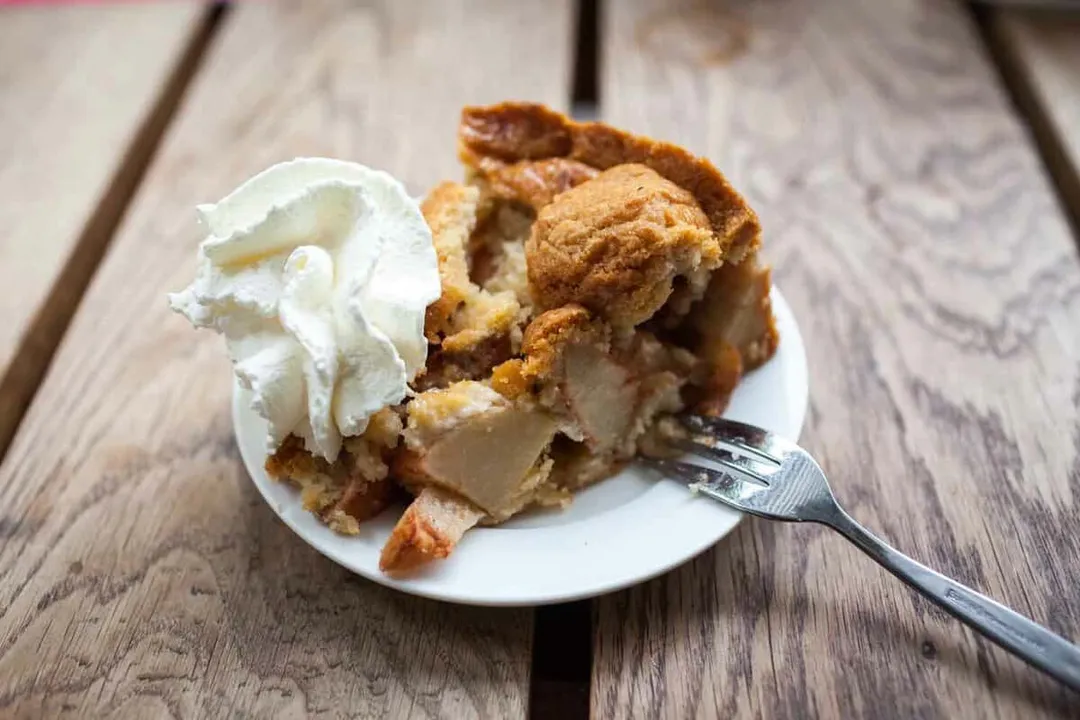
The moment you ask about the single "most famous" food in the Netherlands, you invite a delightful, yet complicated, culinary debate. Unlike nations defined by one monolithic dish, Dutch food culture is a rich collection of regional specialties, practical staples, and powerful colonial imports. If fame is measured by international recognition, cheese might win the title, but if it’s about daily consumption or street food presence, the competition heats up instantly among fried snacks, sweet waffles, and hearty winter mashes. To truly gauge Dutch culinary identity, one must look past the simple reputation the cuisine sometimes carries and examine the items that define their meals, their borreltijd (drink time), and their celebrations.
# Dairy Gold
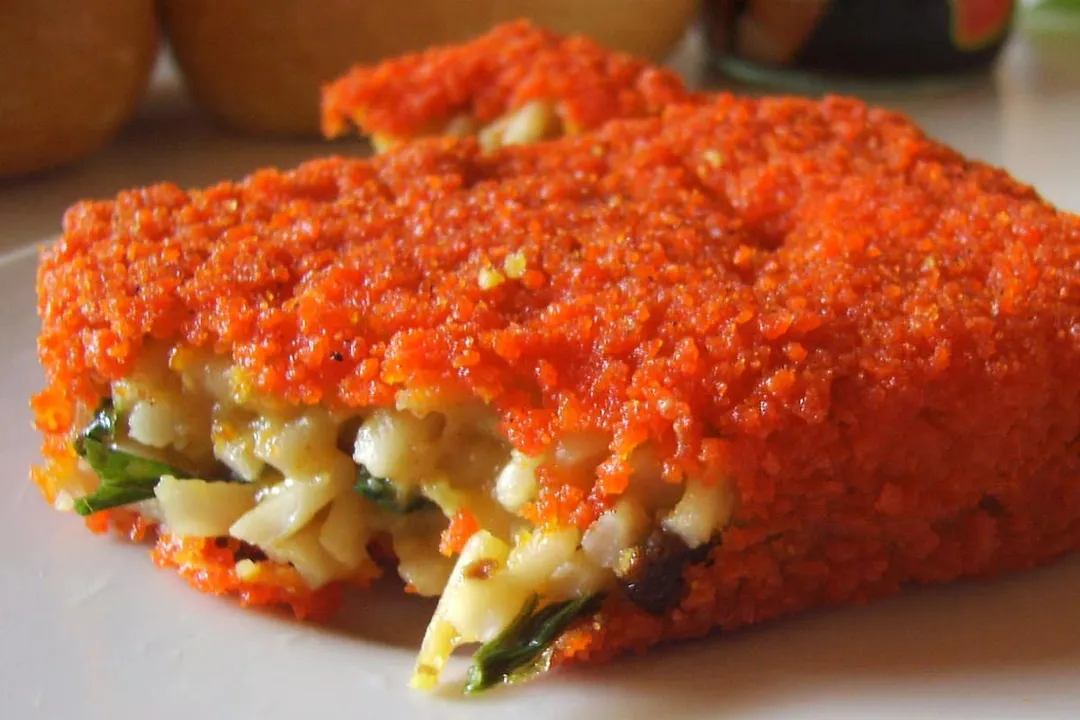
No discussion of Dutch fare is complete without acknowledging the enormous contribution of dairy, particularly cheese. The flat, fertile grasslands that dot the country make it ideal for raising cattle, resulting in a deep cultural connection to butter and cheese. Among the world’s most recognized food exports, Gouda cheese arguably has recorded history stretching back to 1184. Alongside it, Edam, traditionally recognized by its small, red-waxed sphere, is another global ambassador for Dutch dairy.
However, the term "Gouda" in international markets often differs from what you find locally, where maturity is key. Dutch hard cheeses are categorized by aging: Jonge kaas (young) is soft and mild after about four weeks, while Oude kaas (old) is rich, savory, and hard after ten to twelve months, sometimes developing salt crystals. For true artisanal quality, look for Boerenkaas, which is legally protected to ensure it is made on a farm using raw, unpasteurized milk, leading to a flavor profile that varies distinctly from farm to farm. While Gouda and Edam dominate, regional flavors exist, like Leyden cheese, which is traditionally spiced with cumin.
# Sweet Morning
For an insight into the most common daily food, look no further than the breakfast table, where simplicity reigns supreme. Here, you find Hagelslag, which translates to chocolate sprinkles, but in the Netherlands, it’s an institution. Dutch tradition dictates that these sprinkles are liberally scattered over a slice of bread liberally coated with butter. It is eaten by both children and adults, proving that this simple combination of dark chocolate and buttered bread is far more than just a topping for ice cream; it’s an emotional staple. The scale of this tradition is staggering: the Dutch reportedly consume a staggering 14 billion kilograms of hagelslag annually.
# Waffle Syrup
When tourists seek the quintessential sweet snack, the Stroopwafel is often at the top of the list. This iconic item, which originated in Gouda in the 19th century using leftover waffle batter and syrup, consists of two thin, crisp waffle halves sandwiching a warm, gooey caramel filling. While you can buy packaged versions everywhere, the real experience is found fresh off the iron at markets like the Albert Cuyp Market.
Here is a crucial piece of local knowledge: the best way to experience a freshly made stroopwafel is to balance it over a cup of hot coffee or tea. The rising steam warms the stroop filling, making it molten and luscious—a textural contrast to the crisp waffle that store-bought versions, eaten cold, cannot replicate. This ritual of pairing coffee with iets lekkers (something tasty) is central to koffietijd (coffee time) hospitality.
# Miniature Cakes
Another omnipresent sweet is Poffertjes. These are fluffy, bite-sized pancakes, significantly smaller than the large pannenkoeken. Made with a yeasted batter, often including buckwheat flour, they are cooked in a special pan with small dimples, allowing them to puff up perfectly. The traditional presentation is simple yet perfect: a heap dusted with powdered sugar and a knob of melted butter. They are commonly enjoyed as street food, especially during the colder months.
# Fried Ragu
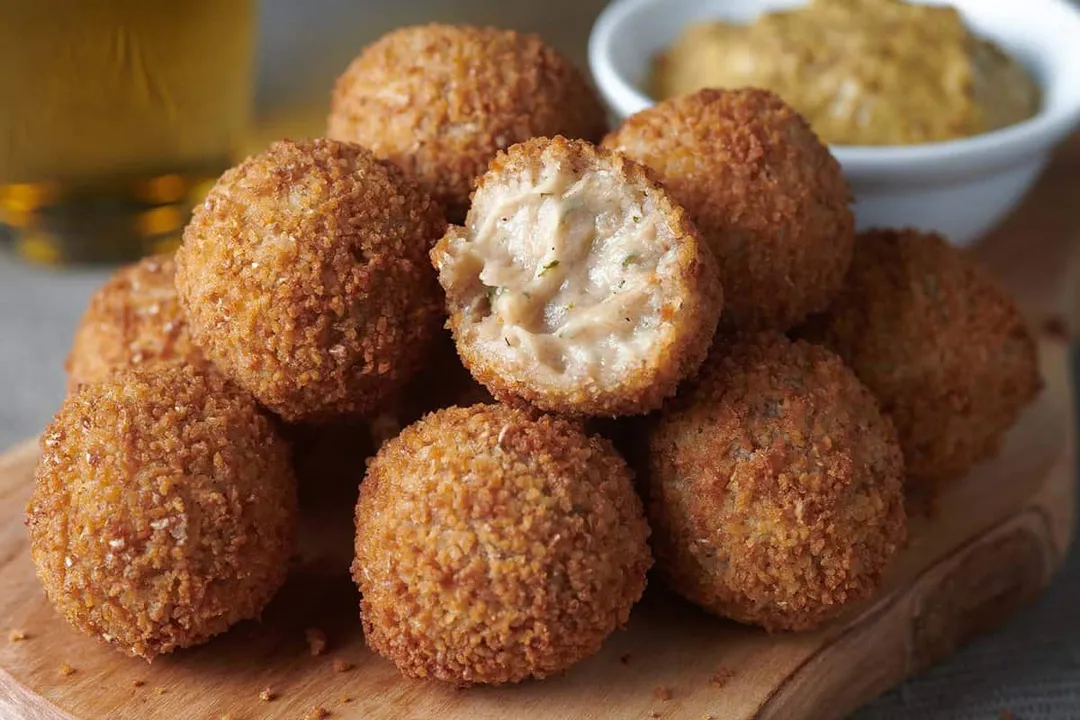
If Dutch food has a king of savory street snacks, it is the deep-fried items, and at the top of that list are Bitterballen. These are essentially miniature, perfectly spherical versions of the kroket (croquette). They consist of a thick, savory ragout (often veal or beef-based broth thickened with flour and butter), which is chilled, rolled, coated in breadcrumbs, and deep-fried until golden. They are the quintessential item served during borreltijd alongside a beer. The crucial pairing is a dollop of strong, creamy Dutch mustard, which cuts through the richness of the fried exterior and the molten interior. Visitors are warned: the filling remains dangerously hot long after the outside has cooled.
# Fish Tradition
Reflecting the country's connection to the North Sea, fresh and preserved fish dishes are incredibly significant. While smoked eel is a long-standing tradition, the most iconic fish preparation is Hollandse Nieuwe Haring (new herring). This isn't just any herring; it’s raw herring preserved in a light brine of vinegar and spices, traditionally only called Hollandse Nieuwe if caught between May and July.
The eating ritual itself is famous. The traditional method involves holding the fish by the tail, lifting it high, and biting upwards. While this might look performative, it’s a practical way to eat the slippery fish. Locals often accompany this with chopped raw onions or pickled gherkins for sharpness and texture. For those less enthusiastic about eating the entire fish whole, it can also be chopped into pieces or served in a bun.
# Fries War
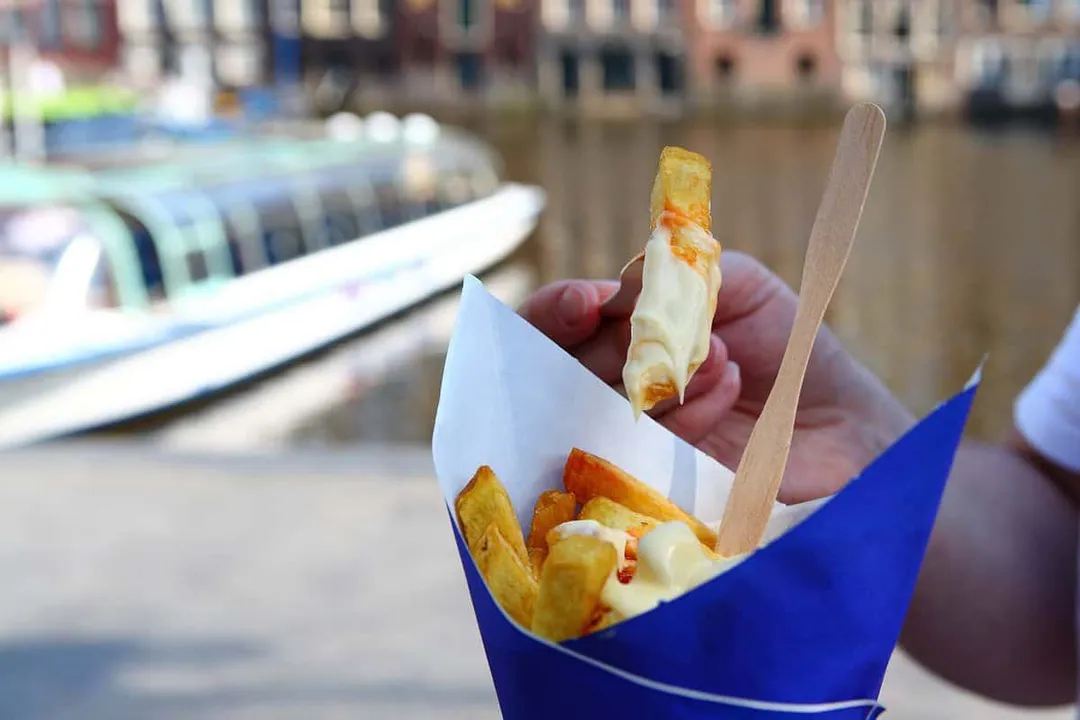
It is impossible to discuss Dutch fast food without addressing the potato: Frites (also called patat). Dutch fries are known for being superior due to being double-fried, resulting in a super-crispy exterior and a fluffy interior. While ketchup is available, the local preference leans heavily toward richer sauces.
The most famous, and arguably most representative, topping combination is Patatje Oorlog (Fries at War). This layered concoction usually involves a base of mayonnaise, topped with a generous swirl of Indonesian-style peanut sauce (satésaus), and finished with chopped raw onions. This creation, involving indigenous starch meeting a colonial flavor profile, is an unintentional culinary symbol of modern Dutch identity. Another famous, although more recent, preparation is Kapsalon, which layers fries with kebab meat, melted cheese, and salad.
This brings up an interesting observation about Dutch pragmatism in food: the sheer popularity of fried, portable items like kroketten, frikandellen (a skinless minced meat sausage), and kaassoufflé (deep-fried cheese pastry) highlights a culture that values quick, efficient sustenance for on-the-go life, often dispensed conveniently via wall-mounted vending machines like FEBO.
# Comfort Mash
For a true taste of historical Dutch home cooking, especially during the cold winter months, one must turn to Stamppot. Literally meaning "mash pot," this is the hearty foundation of the traditional dinner, often referred to by the acronym AVG (Aardappelen, Vlees, Groente—Potatoes, Meat, Vegetables). Stamppot is mashed potatoes blended with one or more vegetables.
The varieties are distinct:
- Boerenkoolstamppot: Mashed potatoes mixed with curly kale, considered the classic version.
- Hutspot: Potatoes mashed with carrots and onions. This dish famously plays a role in the 3 October Festival in Leiden.
- Zuurkoolstamppot: Mashed potatoes mixed with sauerkraut.
Stamppot is almost always served with a smoky, savory Rookworst (smoked sausage) and gravy poured over the top. The shared experience of gathering for stamppotavonden (stamppot evenings) underscores the Dutch concept of gezelligheid, the feeling of coziness and conviviality. While some travelers find it bland, its historical purpose was to be intensely filling and high in calories for laborers working long hours.
# Colonial Echo
Perhaps the most dynamic and internationally celebrated part of the modern Dutch culinary landscape is its relationship with its former colonies, especially Indonesia. The influx of Indonesian and Indo-European cuisine has profoundly enriched what was once a relatively simple diet. The pinnacle of this fusion is the Rijsttafel, which translates to "rice table". This is not a single dish but an elaborate feast featuring dozens of small, flavorful plates—from satay to spicy sambals—all served alongside rice. The Chinese-Indonesian restaurant, which perfected this unique style of cooking, is so intrinsically linked to the Dutch experience that the culture itself is acknowledged as intangible Dutch cultural heritage.
# A Final Taste Spectrum
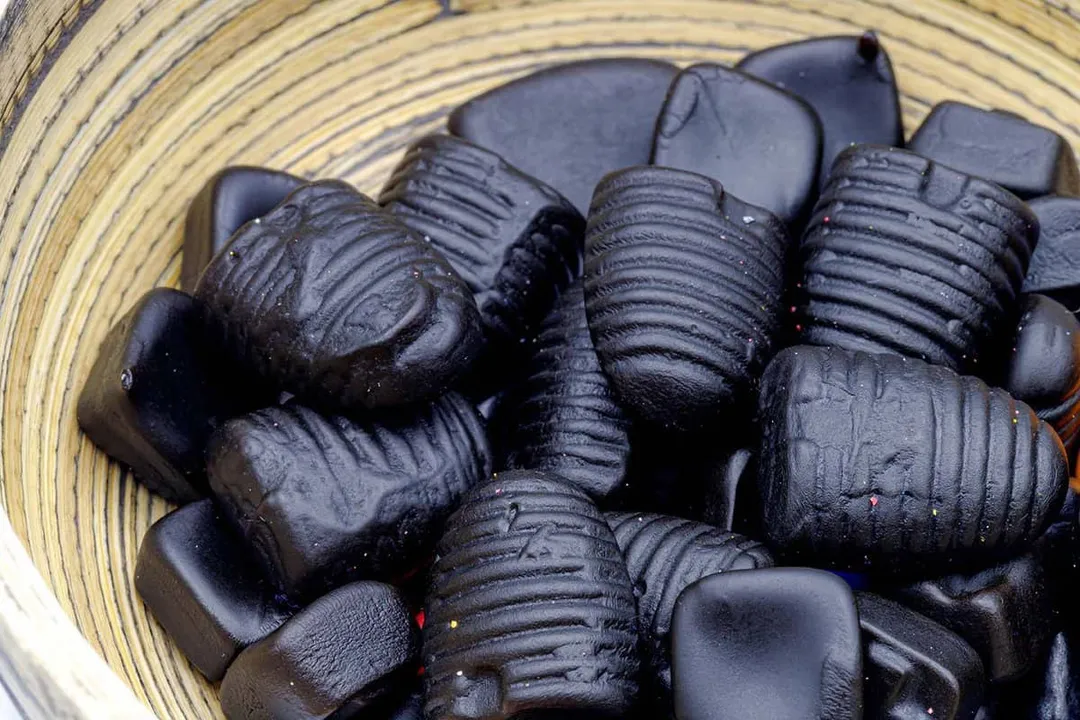
Beyond these heavy hitters, the spectrum of famous Dutch food includes the intensely polarizing Drop (licorice). The Dutch are the world’s top per-capita consumers of this candy, favoring both sweet and intensely salty varieties, such as zoute drop. Furthermore, for a warm, thick meal in deep winter, there is Erwtensoep, or Snert, a hearty split pea soup so dense that a spoon should stand upright in it, often featuring pieces of pork and rookworst.
Ultimately, while cheese might claim the title of most famous product, the title of most famous dish is a battle waged between the sweet comfort of the Stroopwafel and the savory warmth of Stamppot, all while the deep-fried snacks—like the Bitterbal and Kroket—stand ready at every corner café to prove that Dutch food is anything but bland when you know where to look.
| Food Item | Category | Key Characteristic | Best Served With |
|---|---|---|---|
| Gouda/Edam | Dairy | Aged for complex flavor; raw milk Boerenkaas is artisanal standard | On bread, with mustard, or fruit |
| Stroopwafel | Sweet Treat | Thin waffle sandwiching warm caramel syrup | Balanced over hot coffee |
| Poffertjes | Sweet Treat | Fluffy, yeasted miniature pancakes | Powdered sugar and butter |
| Bitterballen | Snack | Deep-fried balls of savory ragout | Mustard dip |
| Haring (Hollandse Nieuwe) | Seafood | Raw, pickled herring | Chopped raw onion and pickles |
| Patatje Oorlog | Street Food | Double-fried fries | Mayonnaise, peanut sauce, and raw onion |
| Stamppot | Comfort Meal | Mashed potatoes blended with kale or root vegetables | Rookworst (smoked sausage) |
| Rijsttafel | International/Fusion | Elaborate Indonesian "rice table" feast | Rice |
#Videos
TOP 5 Must Try DUTCH FOOD in the Netherlands! (First Time Guide)
Related Questions
#Citations
20 Traditional Dutch foods you must try in the Netherlands
What are some CRUCIAL traditional Dutch foods/cuisines I should ...
12 Dishes to Try in the Netherlands | Be Inspired to Travel
TOP 5 Must Try DUTCH FOOD in the Netherlands! (First Time Guide)
16 Famous Food In The Netherlands - GlobeTrove
Top ten traditional Dutch foods - Eurotunnel
Dutch cuisine - Wikipedia
13 Traditional Foods in the Netherlands to Try - Dwellworks Blog
5 Traditional Dutch Foods You Must Try - Dutch Waffle Company