What is Dubrovnik famous for for food?
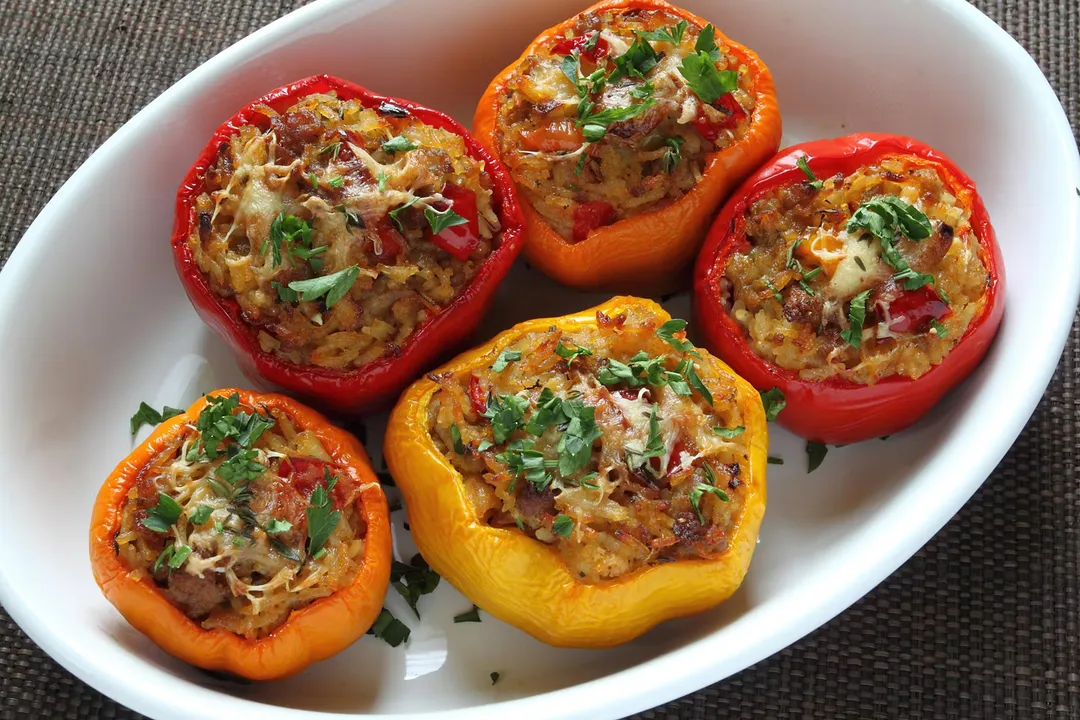
Dubrovnik’s culinary identity is inextricably linked to the shimmering expanse of the Adriatic Sea that borders this ancient walled city. While you might associate Croatia purely with stunning coastlines, the food here tells a deeper story, a flavorful narrative shaped by centuries of maritime trade, Mediterranean influences, and the necessity of simple, fresh preparation. To truly understand what Dubrovnik is famous for food-wise, one must look past the postcard views and dive into the konobas and open-air markets where the freshest catch and slow-cooked traditions reign supreme.
# Seafood Supremacy
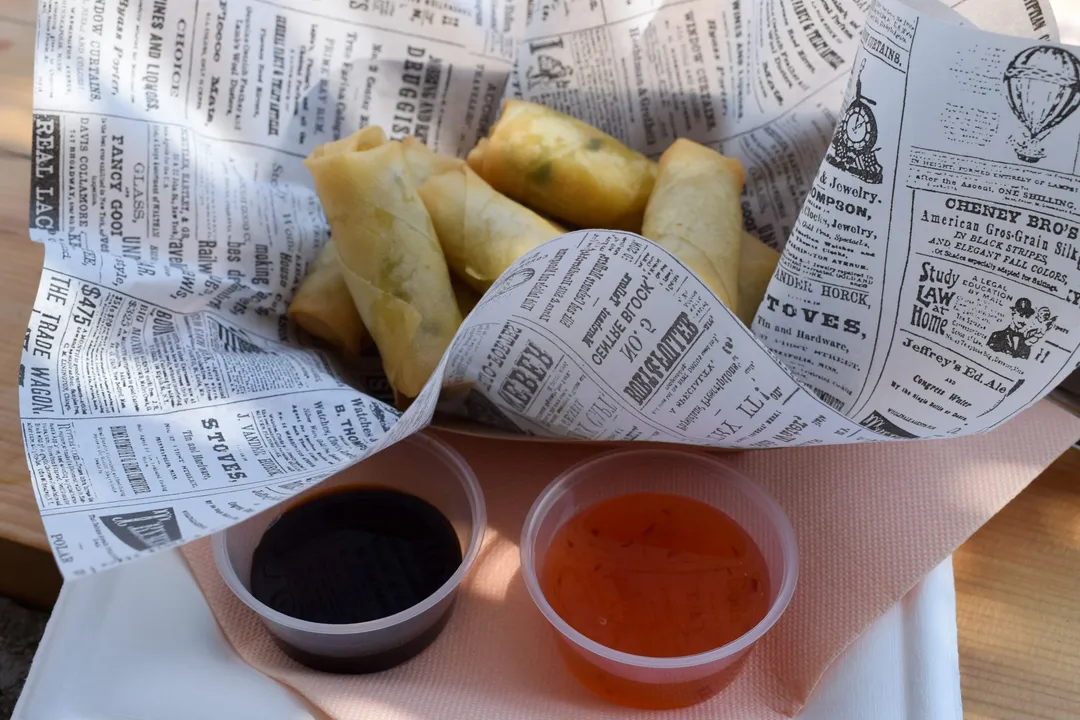
Unsurprisingly, the star of the Dalmatian table is seafood. The bounty of the Adriatic dictates much of the local menu, leading to dishes where the quality of the main ingredient speaks for itself. You will find everything from small, local fish prepared simply, often fried whole, to more elaborate shellfish preparations.
One of the absolute must-tries, often cited by locals and visitors alike, revolves around oysters, specifically those from the nearby Bay of Mali Ston. These oysters are celebrated for their distinct, slightly sweet flavor, setting them apart from other varieties. Whether eaten raw with just a squeeze of lemon or lightly steamed, they offer a taste of the precise coastal environment.
Beyond oysters, the deep blue provides clams, mussels, and octopus. Octopus, for example, is rarely skipped over. It might appear in a creamy peka preparation, but it is also frequently served in salata od hobotnice—a chilled octopus salad dressed simply with olive oil, garlic, and parsley. For those who prefer their fish whole, ordering freshly caught white fish, such as sea bass or sea bream, grilled over charcoal is a classic move. It is crucial to remember that in many traditional Dalmatian settings, fish is priced and ordered by the kilo, so clarifying the size before it hits the grill is an excellent tip for any traveler looking to manage expectations regarding price and portion size. This practice is a hallmark of authentic coastal dining, contrasting sharply with the fixed-price menus often found in the busiest tourist hubs within the Old Town walls.
# Slow Cooked Heritage
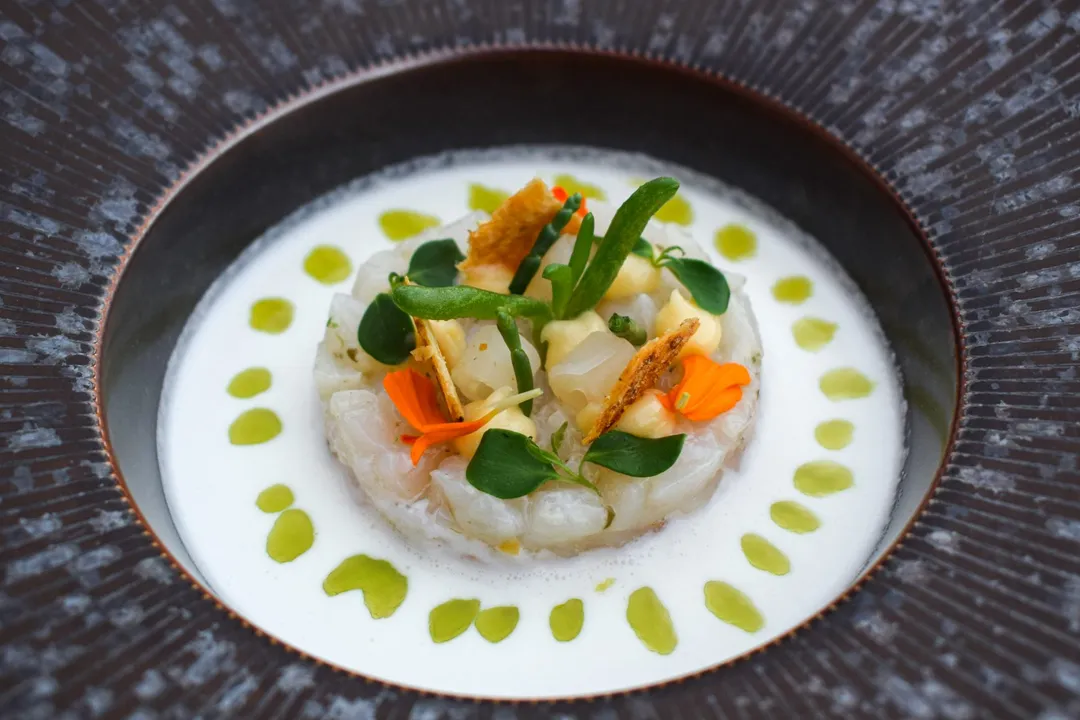
While speed defines modern life, Dubrovnik’s most revered dishes often demand patience. The tradition of slow-cooking meat or seafood under a peka is central to the region’s culinary heritage. Peka refers both to the dish and the specialized cooking vessel—a heavy, dome-shaped lid covered in hot embers—which allows food to bake slowly in its own juices, tenderizing tough cuts and infusing them with deep, smoky flavor.
When beef or veal is cooked this way, the resulting dish is incredibly rich, usually served alongside soft, almost creamy potatoes that have absorbed all the rendered fats and herbs. Another variation sees octopus or lamb prepared under the bell, a testament to the versatility of this ancient technique.
If the peka is the king of slow cooking, then pašticada is its royal stew. This dish is a showstopper, typically reserved for special occasions or high-quality restaurants. It involves marinating beef—often for several days—in wine, vegetables, and spices before slow-braising it for hours until it is fork-tender. The sauce created during this long process is rich, dark, and complex, often balanced with a touch of sweetness from dried figs or prunes. It is almost universally served with homemade gnocchi, which perfectly soak up the savory gravy.

# Grains and Pasta Pillars
The influence of the broader Mediterranean and Italian culinary traditions is apparent in the staple starches that accompany Dubrovnik’s main courses. Risotto is a fixture, but one specific type stands out: crni rižot, or black risotto. This dish gets its dramatic color and deep, oceanic flavor from squid ink. Unlike simpler white risotto, black risotto requires careful preparation to achieve the right texture and intensity of flavor; it should be rich and savory, not merely colored.
When it comes to pasta, while spaghetti Bolognese might appear on many tourist menus, the true local pairing for the aforementioned pašticada is gnocchi. These small, soft potato dumplings are the ideal vehicle for the heavy, slow-cooked meat sauce, providing a texture contrast that makes the combination so satisfying.
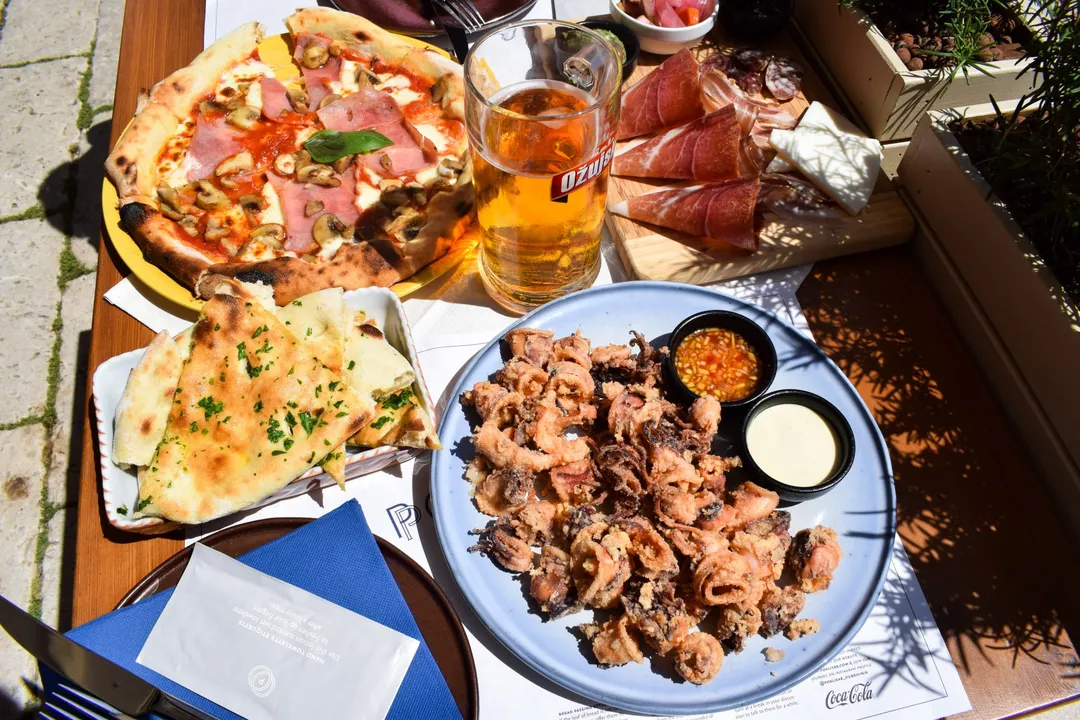
If you are seeking a lighter, more refreshing experience away from the deep, rich sauces, consider ordering the simplest preparation of small, local fish, often deep-fried and eaten whole. This preparation highlights the pure, salty taste of the Adriatic, requiring little more than a side of blanched Swiss chard and potatoes, known locally as blitva.
# Cured Meats and Local Cheeses
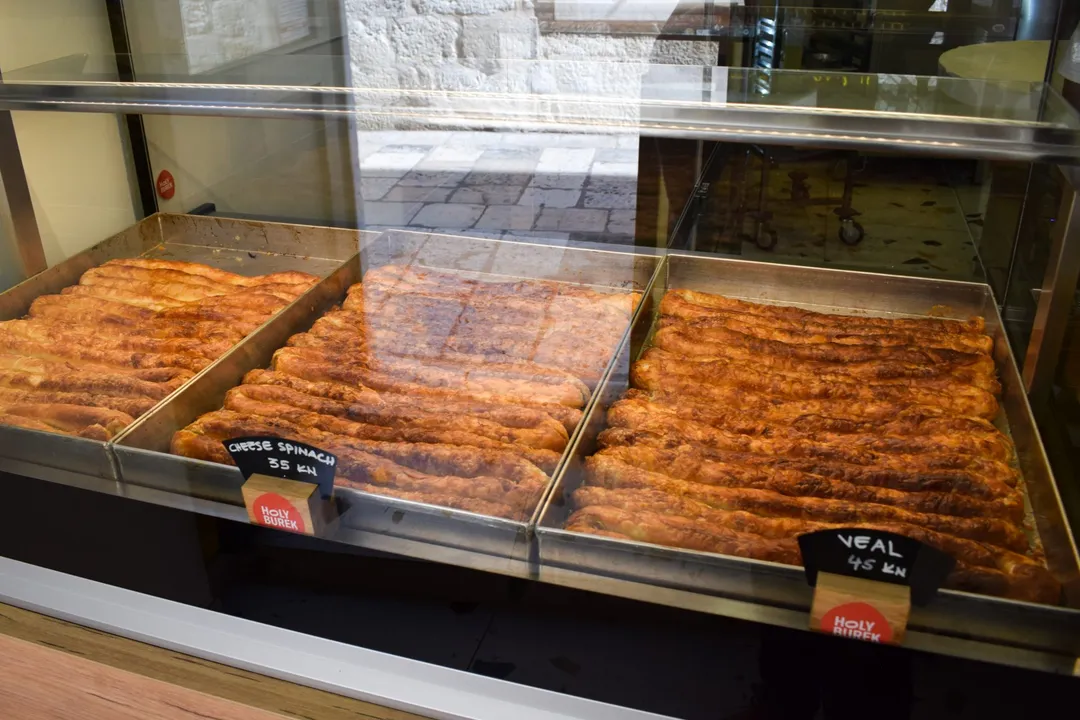
Dubrovnik’s cuisine isn't solely dependent on what comes from the sea; the hinterland provides essential cured and aged components that define the Dalmatian appetizer platter, or meze.
Pršut, the local term for dry-cured ham, is a non-negotiable addition to any starter spread. Similar to Italian prosciutto, the best varieties are thinly sliced and melt on the tongue, offering a salty, umami counterpoint to local cheeses.
Speaking of cheese, look for Paški sir, a hard sheep’s milk cheese originating from the nearby island of Pag. This cheese is famous for its intense, almost piquant flavor, which is derived from the salty winds and sparse, aromatic herbs that the sheep graze upon. Pairing slices of pršut and Paški sir with a glass of robust red wine before the main course is the definitive way to start a traditional Dalmatian meal.

# The Thirst Quenchers
No exploration of Dubrovnik’s famous foods is complete without mentioning what accompanies them—wine and spirits. Croatia boasts a proud winemaking history, and the region around Dubrovnik benefits from excellent local vintages.
For white wine lovers, Malvasia is often cited as a refreshing choice, especially apt when paired with seafood. If your main course is red meat, such as the pašticada, the deep, full-bodied character of Plavac Mali, a prominent red grape variety, provides the perfect match. While international wines are available, seeking out these local labels offers a deeper connection to the area's agricultural identity.
When it comes to spirits, nearly every local will offer you a small glass of rakija (or rakija), a potent fruit brandy. This spirit is often homemade and can range widely in flavor depending on whether it’s distilled from grapes, plums, or perhaps even local herbs. It’s traditionally served as an aperitif or digestif, often being offered by hosts as a welcoming gesture.
# Dining Nuances and Local Context
Dubrovnik’s dining scene exists on a spectrum, ranging from high-end establishments tucked into centuries-old stone buildings to humble, family-run konobas outside the immediate tourist crush of the Old Town. The concept of the konoba itself is vital; historically, these were simple taverns where locals gathered, and while many now cater to tourism, the best ones still adhere to the philosophy of cooking what the sea provides that day.
A helpful distinction for diners is understanding the flavor profile contrast between what is often served immediately inside the main walls and what you might find slightly further afield. Inside the most high-traffic zones near the Stradun, you may encounter dishes that are more generalized "Mediterranean" or "Italian" adaptations designed for quick turnover. However, stepping even a short distance away, or perhaps opting for a restaurant that explicitly highlights Dalmatian specialties like peka or local fish by weight, often yields a much more authentic experience rich in local terroir.
When enjoying a meal here, consider the sheer simplicity of high-quality Dalmatian cooking. It’s less about complex sauces or elaborate plating—though modern chefs certainly do create beautiful presentations—and more about ensuring the olive oil is of exceptional, local quality, the sea salt has done its work, and the herbs are freshly picked. The best food in Dubrovnik often requires just three or four ingredients, allowing the inherent freshness of the product to shine through without interference. This focus on ingredient purity is what truly distinguishes the cuisine from neighboring regions that might rely on heavier spices or more elaborate preparations.
Related Questions
#Citations
What to Eat in Dubrovnik: 12 Must-Try Dishes
Top 15 Things to Eat in Dubrovnik
What To Eat in Dubrovnik & Around on Your Next Croatia ...
Traditional Food : r/Dubrovnik
What to Eat in Dubrovnik, Croatia – Travels and Treats
A Daytripper's Guide: Where To Eat And Drink In OId Town ...
What food is a must-try in Croatia, specifically in Dubrovnik?
These Were My 7 Favourite Places To Eat in Dubrovnik, ...
Croatian Food: 21 Traditional Dishes Not To Miss in Croatia