What is the famous dish in Brittany?
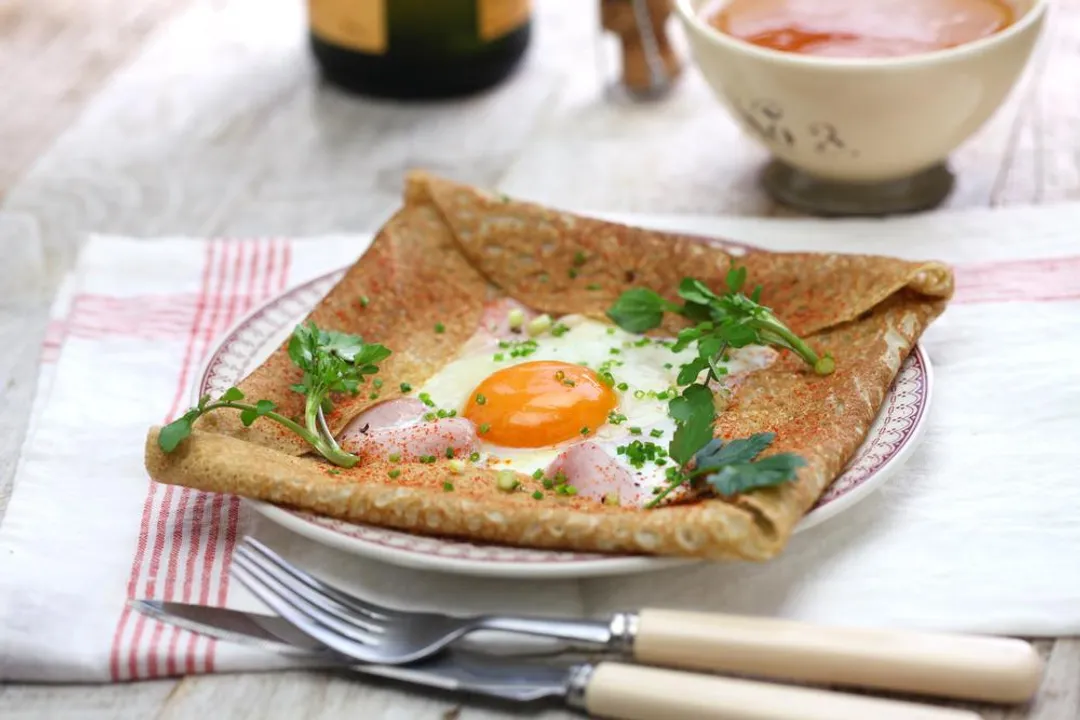
The cuisine of Brittany, that ancient Celtic corner of France jutting into the Atlantic, often gets summarized by outsiders with a few tantalizing, yet incomplete, keywords: butter, buckwheat, and cider. While these elements are certainly the bedrock of the regional terroir, pinning down the single famous dish is akin to choosing one wave from the rugged Breton coast—impossible, as the fame lies in the collection of distinct, time-honored specialities that tell the story of the sea and the land. Yet, if a visitor must select a culinary ambassador, the title is likely contested between the ubiquitous pancake and the impossibly rich pastry, both deeply rooted in Breton identity.
# Pancake Distinction
For many, the introduction to Breton food begins with the crêpe, yet understanding the local menu requires distinguishing it immediately from its savory counterpart, the galette. This difference is not merely about the filling; it is fundamentally about the flour used, which speaks volumes about the region’s agricultural history. True Breton galettes, the centerpiece of a traditional crêperie meal, are made exclusively from buckwheat flour (sarrasin or blé noir). Because buckwheat is naturally gluten-free, the galette holds a special significance for those with intolerances, though its historical prevalence stems from the fact that it grew well in the region where wheat cultivation proved more challenging.
A simple, yet iconic, savory galette preparation is the Galette-saucisse, especially popular as street food, where a grilled pork sausage is wrapped snugly in a buckwheat galette. This portable meal, particularly prominent in areas like Ille-et-Vilaine, is a testament to the practicality of Breton fare. For a sit-down meal, the classic is the Galette Complète, featuring the holy trinity of ham, cheese, and a sunny-side-up egg.
The sweet crêpe, conversely, is traditionally made with white wheat flour (froment) and reserved for dessert or sweeter occasions. Fillings range from the simple dusting of sugar to flambéed preparations or rich toppings. However, the modern evolution means that many crêperies happily substitute buckwheat batter for dessert crêpes if a customer requests it, illustrating a flexibility that respects tradition while accommodating contemporary preferences.
The pairing for the savory galette is as traditional as the pancake itself: cider (cidre). Brittany is deeply associated with apples and cider production, making a bowl of bubbly cider the perfect accompaniment to the earthy buckwheat galette.
A key element often overlooked when discussing the pancake culture is the historical context of flour availability. While other parts of France heavily relied on wheat for daily bread, Brittany’s Celtic heritage and soil composition favored the hardy buckwheat crop for staple flatbreads. This regional difference in core grain selection—buckwheat for the savory staple versus wheat for the sweeter, lighter version—is a defining marker of Breton culinary independence, setting it apart sharply from the cuisine of, say, the Paris basin.
# Butter Cake
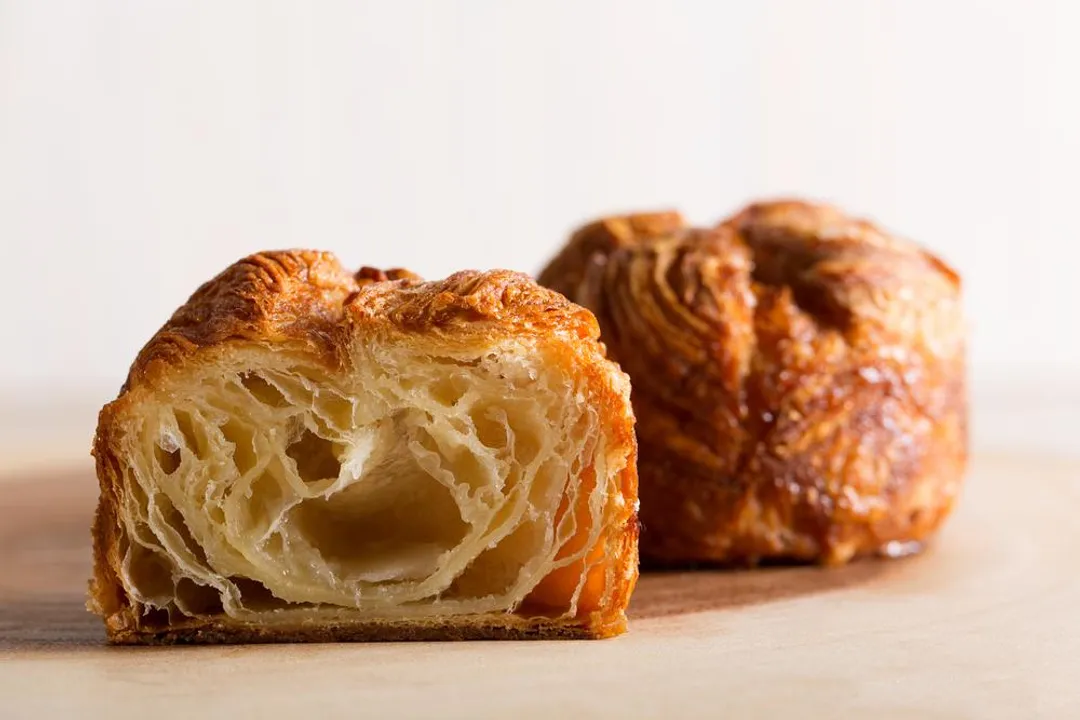
If the galette represents the savory soul of Brittany, the Kouign-Amann embodies its decadent sweet heart. This pastry, famous across France and even making waves internationally, is unequivocally one of Brittany’s most recognizable culinary exports. The name itself is beautifully descriptive, translating from Breton as “butter cake” (kouign meaning cake, amann meaning butter).
The creation of this legendary item is tied to the town of Douarnenez in the mid-1800s, purportedly born from a baker’s attempt to salvage an old batch of bread dough by layering it with copious amounts of butter and sugar. The result is a marvel of lamination, involving folding dough repeatedly with butter, similar to a croissant, but with an even more generous application of sugar. During baking, the sugar melts and seeps out, creating a thick, deeply caramelized, almost brittle crust that contrasts with the soft, buttery interior. Often cited as perhaps the world's fattiest pastry, it is a rich indulgence, best enjoyed warm as a breakfast item or an afternoon treat.
# Coastal Harvest
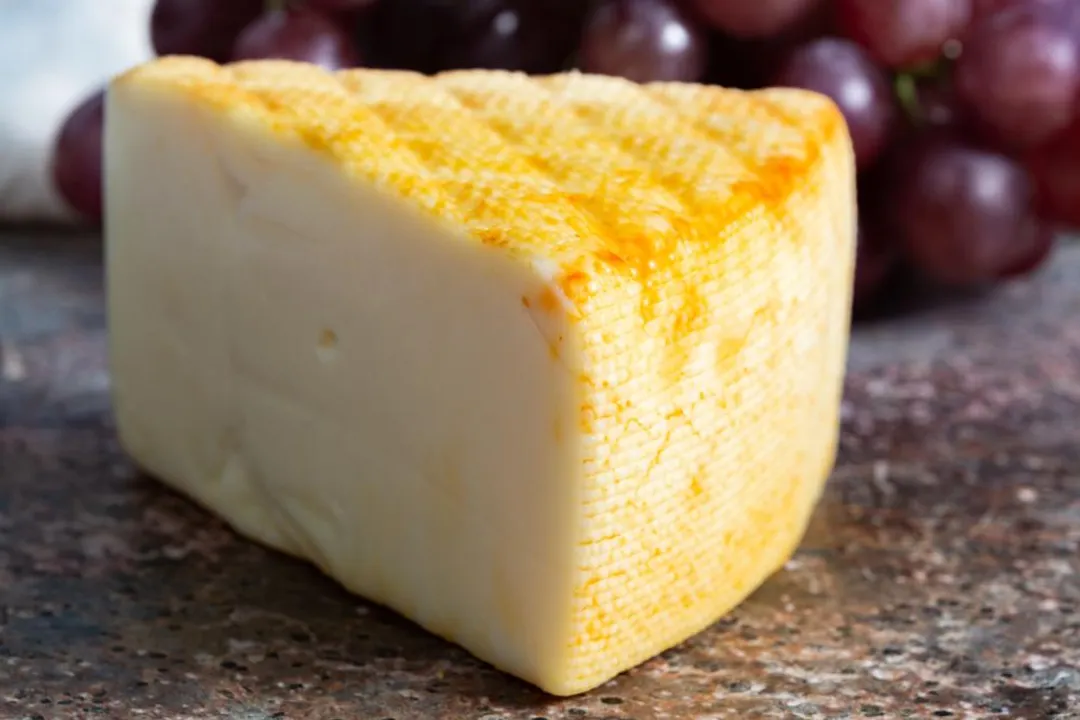
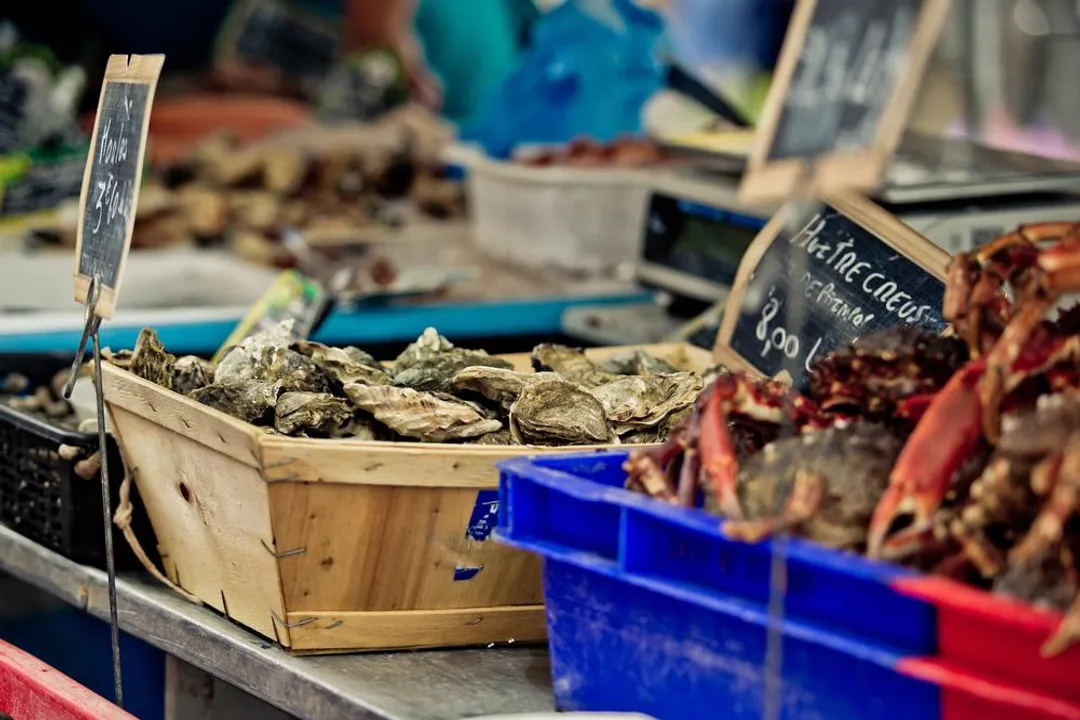
Given that Brittany is a peninsula bordered by the English Channel and the Bay of Biscay, boasting over 3,000 miles of coastline, seafood is not just a specialty; it is a historical necessity and a point of immense regional pride. The variety available is staggering, ranging from mollusks to various types of fish.
Oysters are particularly famous, with Cancale being an internationally recognized center for their cultivation. Here, the preference is often to eat them fresh, requiring only a gentle squeeze of lemon to highlight their clean, oceanic tang. For those who crave a larger spread, the Breton seafood platter offers an assortment featuring shrimp, oysters, langoustines (jumbo shrimp), and even bigorneaux (small sea snails). Mussels, served as moules frites (with fries) or moules marinières (steamed in white wine, butter, and herbs), are also menu staples. Even the local flora makes an appearance, with algues (seaweed) being incorporated into recipes or served as spreads.
When it comes to cooked fish dishes, two stand out:
- Soupe de Poissons: A flavorful fish-based broth, often flavored by simmering fish heads and crab, served with rouille (a saffron-garlic sauce), cheese, and croutons.
- Cotriade: Considered perhaps the most celebrated seafood recipe, this is a rustic fish stew that incorporates several types of local fish like mackerel, hake, and conger eel, seasoned with vinegar, garlic, and herbs. It demands plenty of baguette for soaking up the intensely flavorful broth.
# Peasant Stew
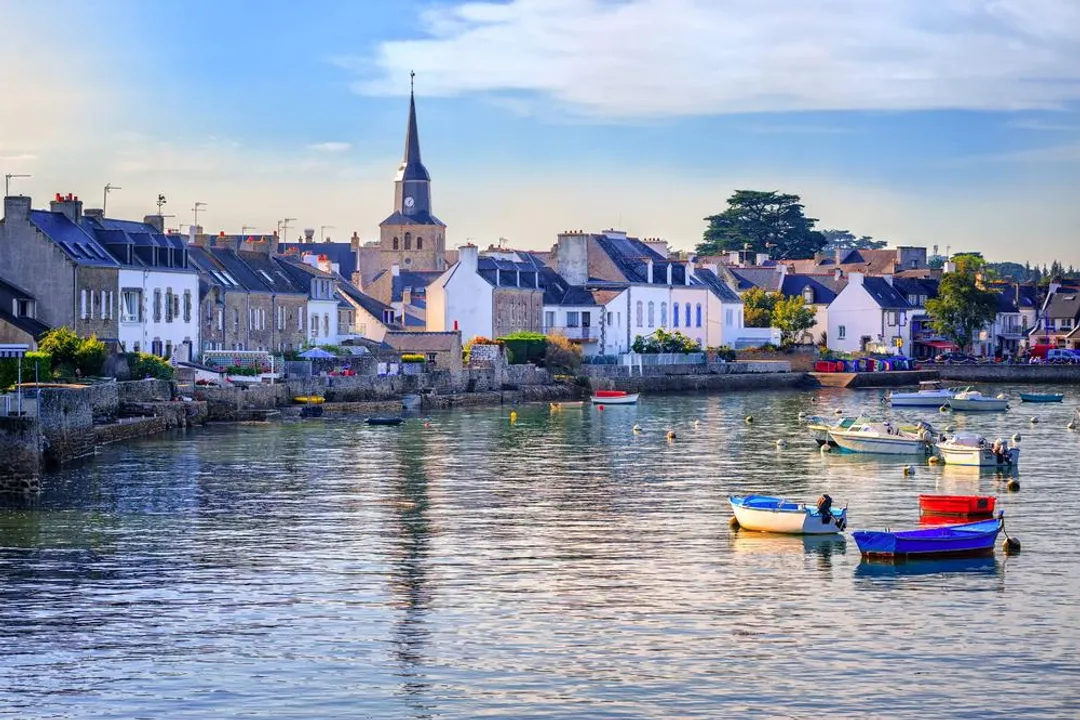
Moving inland from the coast, the hearty, slow-cooked dishes reveal the region’s agricultural past. The most significant of these is Kig ha farz, a dish strongly associated with the Léon region in Finistère. In Breton, the name translates directly to “meat and stuffing”. It resembles a pot-au-feu, a slow-simmered boiled meat and vegetable preparation (including cabbage, carrots, and potatoes), but its defining feature is the farz.
The farz is a dumpling made from buckwheat flour (or sometimes white flour for a lighter version) that is cooked inside the broth, typically contained within a special cloth or sack. This slow, communal cooking method allowed peasants to leave the meal simmering all morning while working, returning to a complete, multi-course meal. The resulting dish is often served in stages: first the broth as a starter, followed by the meat, vegetables, and slices of the cooked farz as the main course. A key enhancement is adding lepig—melted salted butter mixed with shallots—to the farz before eating, providing a final richness that anchors the dish firmly in the realm of traditional, calorie-dense peasant fare. Because of the extensive cooking time, it is a dish often reserved for family gatherings or specific days of the week in restaurants.
# Salted Gold
No discussion of Breton food can proceed without acknowledging the two ingredients that underpin almost everything: salt and butter. Brittany is famous for its dairy production, resulting in milk that creates world-renowned butter. Crucially, the salt used to make this butter is often the prized Fleur de Sel de Guérande, a natural sea salt meticulously hand-harvested from the salt marshes near Guérande.
In Brittany, there is little debate over unsalted butter (beurre doux); the region overwhelmingly favors salted butter (beurre demi-sel). Brands like Maison Bordier and Paysan Breton are synonymous with this high-quality, rich product.
This essential combination culminates in Caramel au beurre salé (salted butter caramel). While many cultures have caramel, the Breton version gained national fame when pastry chef Henri Le Roux is credited with inventing this specific gourmet interpretation in the 1970s. It is intensely flavorful, the saltiness cutting through the sweetness of the cooked sugar and butter, making it a perfect topping for crêpes or a sought-after souvenir.
When shopping for authentic salted caramel, look beyond the large commercial jars. Local artisan chocolatiers, often marked by the phrase “fait maison” (homemade), frequently offer caramels where the quality of the demi-sel butter used is clearly superior, providing a depth of flavor that mass-produced versions often lack. The best ones exhibit a distinct crystalline crunch from the Fleur de Sel.
# Other Specialties
Beyond the headline acts, several other items round out the Breton gastronomic profile. For a traditional dessert cake, the Far Breton stands out. This is a firm, dense, custard-like flan, traditionally baked with dried fruit like prunes or raisins scattered throughout. Interestingly, its origins trace back to a savory accompaniment to meat dishes in the 1800s, evolving over time with the addition of more butter and sugar to become the rich dessert seen today.
The region’s agricultural output also includes notable produce like the small, fragrant strawberries from Plougastel. For savory snacks, the Andouille de Guémené—a distinctive smoked pork sausage made from pig intestines and seasoned with wine and onions—offers an intense flavor profile, sometimes served cold in slices alongside buckwheat galettes.
# Drinking Traditions
The beverage scene in Brittany leans heavily toward apples and honey, reflecting its coastal, less wine-focused geography compared to southern France. Cider is the quintessential drink, particularly served alongside galettes. Local ciders come in various styles: doux (light and sweet), brut (dry), and demi-sec (semi-dry). Some regional ciders, like Cidre de Cornouaille AOP, adhere to strict production quality standards.
For an aperitif or digestif, Chouchen is popular. This is a type of mead, an alcoholic beverage created by fermenting honey, resulting in a sweet, slightly syrupy spirit served chilled. A refreshing cocktail adaptation is the Kir Breton, which swaps the standard white wine in a Kir for local cider, offering a light, bubbly start to a meal. Even the soft drink selection has regional pride, represented by Breizh Cola, the local brand whose name uses the Breton word for Brittany.
For a visitor unfamiliar with cider etiquette, note that in many traditional crêperies, cider is served in wide, shallow bowls rather than tall glasses—a very authentic presentation that allows the beverage to warm slightly and showcase its aromatic profile before drinking. If you order a "brut," expect a crisp, almost tart profile that cleanses the palate beautifully after rich cheese or ham in your galette.
In summary, while the galette—the savory buckwheat pancake—might be the most culturally significant meal because of its deep connection to the Breton language and agricultural history, the most famous icon might be the outrageously buttery Kouign-Amann or the foundational ingredient, salted butter. The true famous dish of Brittany is this quartet: the buckwheat pancake, the seafood bounty, the butter-laden pastry, and the cider that washes it all down, each item representing a distinct facet of this proud, seafaring region.
Related Questions
#Citations
Food & drink | Brittany tourism
Breton Cuisine: What to Eat in Brittany, France - It's a French Thing
Brittany Food Guide: What to Eat & Drink in Bretagne
Top 28 Breton Foods - TasteAtlas
Breton Cuisine: A Treasure Trove of Seafood, Crêpes, Cider and More