What is the most famous Hungarian dish?
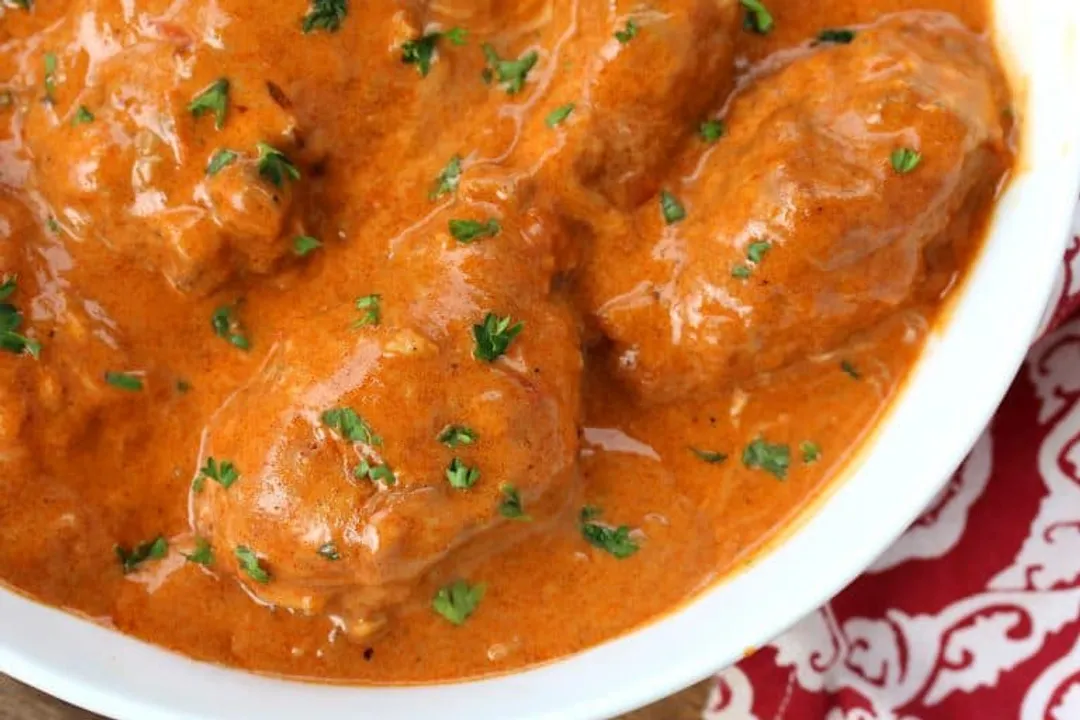
The title of "most famous Hungarian dish" often seems settled, yet the conversation surrounding it reveals as much about Hungarian history and regional identity as it does about food. While international fame tends to gravitate toward one iconic, hearty stew, truly understanding Hungarian cuisine requires looking at the entire spectrum of dishes that carry the nation's culinary signature, primarily defined by its generous use of high-quality paprika. However, if pressed for a single answer that dominates international recognition and domestic pride, the undisputed champion is Gulyás, known internationally as Hungarian Goulash.
# Gulyás Name
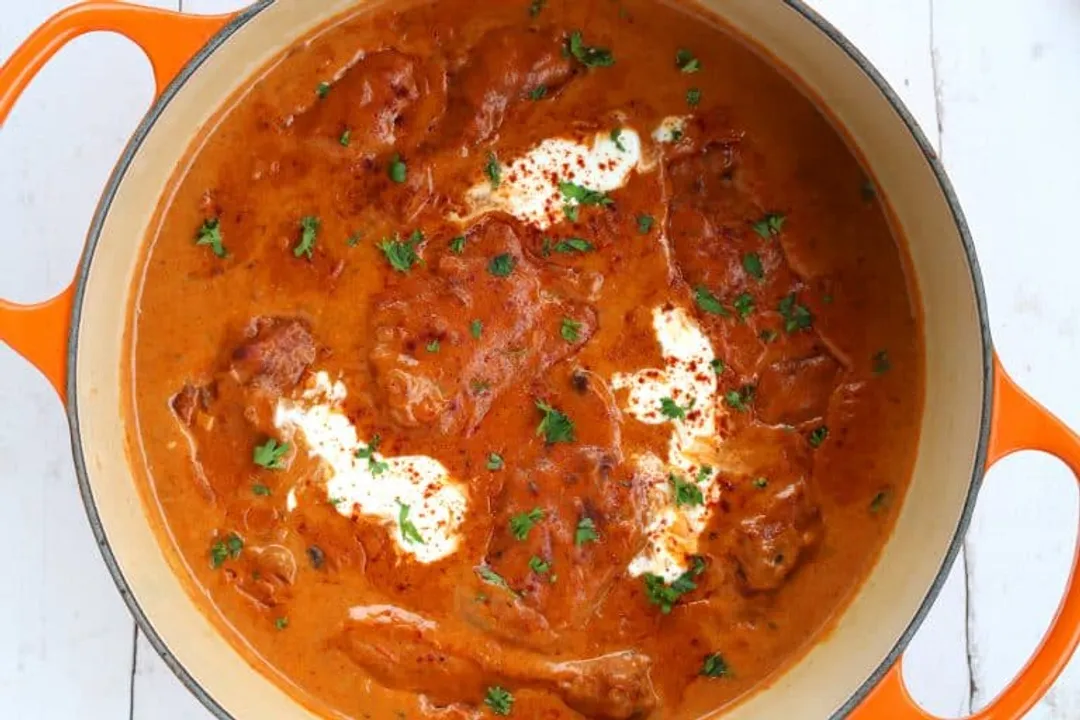
The very name of this dish tells a story rooted in the landscape and the people who shaped it. Gulyás translates simply to "herdsman" or "cowboy". Historically, it was the quintessential food of the Magyar herdsmen who tended their cattle on the vast plains of the puszta. This wasn't a dish prepared in a delicate kitchen; it was made in a heavy iron cauldron, known as a bogrács, suspended over an open fire. Its simplicity speaks to its origins: tough cuts of meat, water, onions, and the essential spice—paprika—that was readily available or easily transported.
The international misunderstanding of the term "goulash" is a frequent point of discussion among Hungarians and culinary experts. What many outside of Hungary expect—a thick, stew-like dish, often served with noodles or dumplings (nokedli)—is frequently Pörkölt or Paprikás in Hungarian terminology. True Hungarian Gulyásleves (goulash soup) is, as its name implies, a soup—thinner, soupy, and often containing vegetables like carrots and potatoes, served as a substantial first course or a complete meal in itself. The distinction is vital; recognizing Gulyás as a soup respects its heritage as a traveling meal, whereas the thicker versions are more often associated with the stationary kitchen.
# Paprika’s Role
To discuss the most famous dish is to discuss the nation’s most famous ingredient: paprika. This spice, derived from dried peppers, is the soul of Hungarian cooking, providing color, warmth, and flavor complexity that goes far beyond mere heat. Hungarian paprika is categorized by its quality and sweetness level, ranging from the mildest édesnemes (noble sweet) to hotter varieties.
The preparation of Gulyás often begins by sweating onions in fat, followed by the crucial step of removing the pot from the direct heat before stirring in the paprika. This brief contact with hot fat, but not direct flame, prevents the spice from burning, which would turn it bitter and ruin the dish. This technique showcases a level of nuance that separates genuine Hungarian cooking from its international imitations. It’s not just about adding spice; it’s about blooming the spice correctly to achieve the characteristic deep red color and rich aroma.
# Comparing Stews
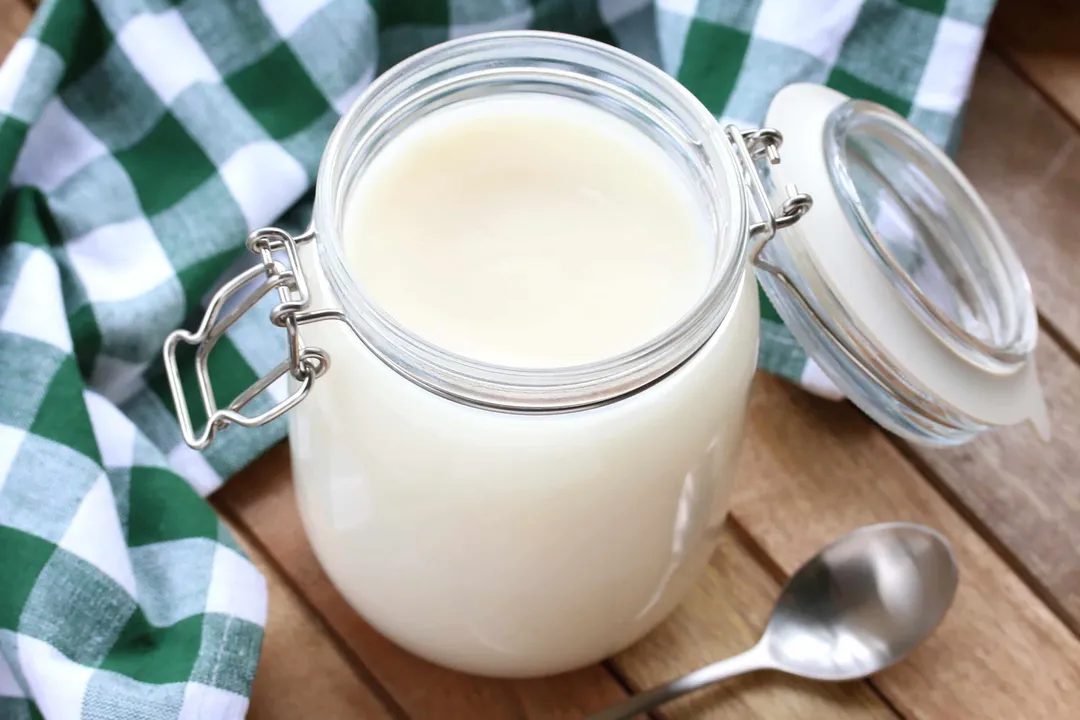
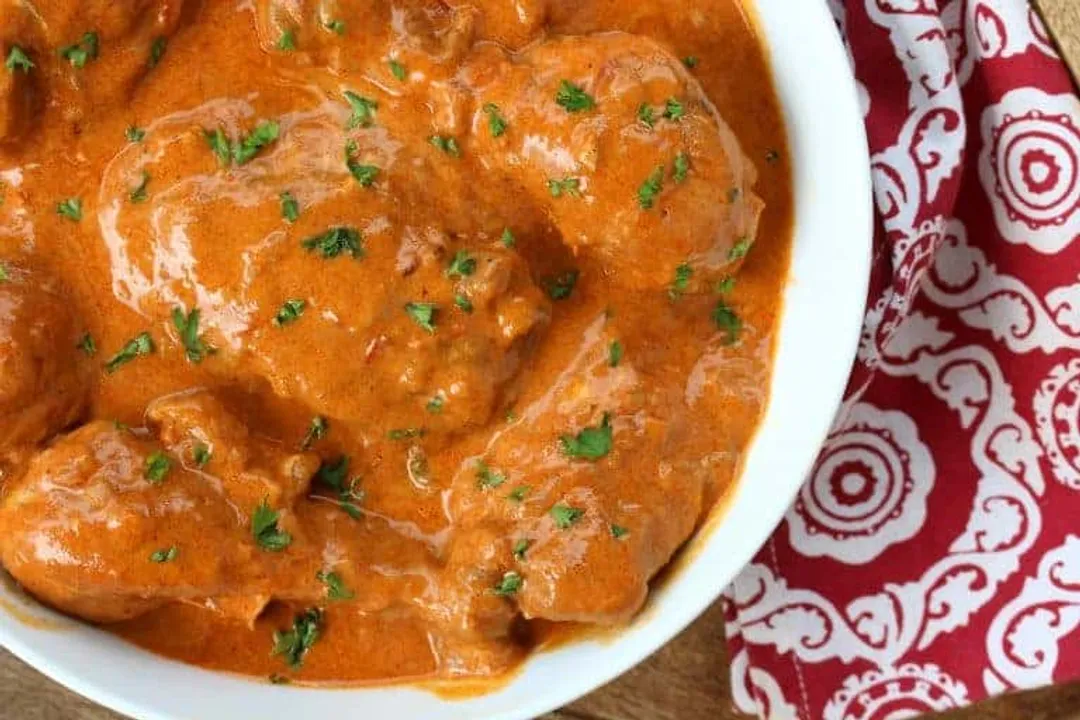
While Gulyás claims the top spot for fame, its closest culinary relative, Paprikás Csirke (Chicken Paprikash), is a strong runner-up, particularly beloved for its creamier texture. The difference between Gulyás, Pörkölt, and Paprikás is often confused, but the variations reflect subtle but important shifts in cooking methods and intended texture, moving from the open plain to the city parlor.
| Dish Name | Primary Consistency | Key Defining Feature | Traditional Serving Style |
|---|---|---|---|
| Gulyásleves | Soup (brothy) | Soup with large chunks of beef and vegetables | Often served with small pasta squares (csipetke) |
| Pörkölt | Thick Stew | Meat cooked slowly until the liquid reduces to a thick sauce coating the meat | Served with nokedli (small dumplings) |
| Paprikás | Creamy Sauce | Paprika sauce finished with tejföl (sour cream) | Served over pasta or often paired with side dishes like potato purée |
One might observe that the international fame of Goulash has inadvertently pushed Pörkölt and Paprikás into its shadow, despite these perhaps being more commonly consumed in modern Hungarian homes for a weeknight dinner due to their richness and ease of preparation indoors. A Hungarian cook preparing Paprikás Csirke prioritizes a smooth, velvety sauce made luxurious by the addition of heavy sour cream (tejföl), often tempering the spices for a milder profile than a classic Pörkölt. To truly experience Hungarian comfort food, one must move beyond the soup and sample the stew variations as well.
# Cultural Context and Fame

The widespread adoption of Goulash outside Hungary is testament to its appealing simplicity and heartiness. As Hungarian émigrés settled across the world, Gulyás was an easy dish to adapt using available local meats and ingredients, often resulting in the thicker, stew-like version that became standardized abroad. This process of culinary adaptation is common, but it often strips away the regional specifics of the original preparation. For instance, adding flour to thicken the sauce is almost universally avoided in authentic Hungarian cooking; the reduction comes naturally from slow cooking and the starches from vegetables like potatoes. If a restaurant thickens its goulash with a flour-based roux, it signals a move away from traditional methods, a detail a discerning eater will notice.
If one were to gauge true local fame, it wouldn't just be about the main course. Street food offers a different but equally famous snapshot. Lángos, a deep-fried flatbread often smothered in garlic, sour cream, and grated cheese, holds a special place in the national heart, especially during festivals or as a quick, satisfying snack. While not a main course, its ubiquity and intense flavor profile make it arguably as famous on the street as Gulyás is on the menu.
# Regionality Matters
A subtle, yet important, insight emerges when one travels from Budapest into the countryside: Hungarian cuisine is far from monolithic. The way a dish is prepared can change drastically depending on the region and the dominant local agricultural products. For example, dishes from the Great Hungarian Plain, closer to the original puszta, might lean heavily on beef and dried chili peppers alongside paprika, mirroring the nomadic origins of Gulyás. Contrast this with recipes from regions closer to Austria or the Balkans, where veal might substitute beef, or where the influence of neighboring countries leads to different spice blends or the inclusion of ingredients like smoked meats or specific types of mushrooms.
Consider the utilization of fat. In a rural setting, lard (zsír) derived from pork is often the default cooking fat, lending a distinct richness to the onions before the meat is added. In more modern, city-based recipes, vegetable oil might be substituted, altering the base flavor profile significantly. A truly authentic experience often involves smelling that foundational rendered lard mingling with the onions—a scent that signals an older style of cooking.
# Actionable Experience Tip
For any traveler seeking the most authentic experience of the most famous dish, the key lies not just in what you order but where you order it and how it is presented. Look for places that serve Gulyásleves in a traditional bread bowl—a hollowed-out loaf of dark bread—as an optional, albeit slightly tourist-friendly, presentation. More importantly, seek out specialty Csárda restaurants or small, family-run étkezde (eateries) outside the main tourist thoroughfares of Pest. If a restaurant lists Gulyás first on the menu and describes it as a soup containing root vegetables and served with csipetke (small pinched noodles), you are likely on the right track. If you find a place where the bogrács is actually fired up outdoors, even for demonstration, that offers a level of experience that no purely indoor kitchen can replicate. This setting connects the modern diner directly to the herdsman who first conceived the dish.
# Sweet Endings
While the savory dishes anchor Hungarian fame, the confectionery arts provide counterpoints. The Dobos Torta, a spectacular layer cake featuring many thin sponge layers, chocolate buttercream, and a distinct, hard caramel topping, stands as the most famous Hungarian dessert. It requires precision and patience, embodying the refinement that Hungarian cuisine achieved after its rustic beginnings. The contrast between the savory, smoky, earthy flavors of Gulyás and the crisp, sweet, buttery elegance of Dobos Torta illustrates the full scope of the nation’s culinary reach.
# Summary of Core Identity
In final assessment, the fame of Hungarian cuisine rests heavily on the triumvirate of Gulyás, Paprikás, and the generous, skillful deployment of paprika itself. While Gulyás—the soup—is the technical answer to the most famous dish, the concept of the paprika-laden meat preparation is what has captured the global palate. Understanding the subtlety between the soupy Gulyás and the thick Pörkölt or creamy Paprikás is the difference between being a tourist who ate a stew and an informed guest who appreciated a culinary tradition. The most authentic experience honors the history, respects the heat of the paprika, and recognizes that what appears on the plate is often a complex product of history, geography, and adaptation.
#Videos
10 BEST Hungarian FOOD in Budapest YOU MUST TRY by a LOCAL
The Most Famous Hungarian Beef and Onion Stew! Traditional ...
Related Questions
#Citations
Hungarian Food & 86 Dishes To Know - Offbeat Budapest & Vienna
What To Eat In Budapest | Traditional Hungarian Food
Hungarian cuisine - Wikipedia
10 BEST Hungarian FOOD in Budapest YOU MUST TRY by a LOCAL
What is the most popular traditional Hungarian dish that has ... - Quora
Which dishes best represent the cuisine of Hungary? : r/askhungary
First-Timers Guide To Must Try Traditional Hungarian Foods
Authentic Chicken Paprikash - The Daring Gourmet
Best Hungarian Food - Traditional Dishes, Desserts & Drinks