Which drink kills acidity?
The conversation around managing persistent heartburn or acid reflux often centers on what not to eat, but selecting the right beverages can be just as important for soothing the digestive tract and reducing symptoms. Certain drinks offer immediate relief by neutralizing stomach acid or helping to flush it back where it belongs, while others act as triggers, relaxing the muscular barrier that normally keeps acid contained in the stomach. [1][6] Understanding the chemistry of what you sip can make a substantial difference in daily comfort.
# Water Basics

For simple, immediate relief, plain water is often recommended. [3][6] Water is inherently neutral, meaning it doesn't introduce any new irritants to an already sensitive system. [6] The primary benefit lies in its ability to dilute the existing stomach acid, thereby reducing its corrosive effect on the esophagus when reflux occurs. [3] Beyond simple dilution, consistent hydration supports overall digestive health, which is fundamental to managing chronic acidity issues. [3] One practical application involves drinking water strategically; consuming a glass before a meal can prepare the stomach, and another glass after a meal may assist in pushing contents back down, effectively helping to clear the esophagus of any acid that has irritated it. [3]
# Alkaline Shift
Stomach acid, a critical component for digestion, typically has a pH between 1.5 and 3.5, classifying it as highly acidic. [7] When this acid backs up, the pain experienced is essentially a chemical burn in the esophagus, which lacks the protective lining of the stomach. [7] This is where drinks with a higher pH come into play. The concept relies on basic chemistry: mixing acid and base neutralizes the solution. Alkaline water, which has a pH higher than plain water, is often suggested as a way to counteract existing acid. [7] Research suggests that water with a pH of 8.8 or higher might be particularly effective at deactivating pepsin, the enzyme in stomach acid that causes tissue damage during reflux episodes. [7] While plain water is helpful for dilution, alkaline water aims for chemical neutralization, offering a dual approach to symptom management. [3][7]

# Herbal Infusions
Many traditional remedies turn to nature for gentle digestive support, often finding solace in specific herbal teas. [8][9] These infusions can soothe irritation or possess properties that calm the digestive system overall. [9]
One of the most frequently cited herbs for this purpose is ginger. Ginger root has recognized anti-inflammatory properties that can benefit the gastrointestinal tract. [9] Another popular choice is chamomile tea; this herb is known for its calming effect, which can help reduce inflammation in the digestive tract and potentially ease the stress that sometimes contributes to acid flare-ups. [9]
Licorice root is also often recommended. In its deglycyrrhizinated form (DGL), licorice can help increase the mucus coating of the esophageal lining, providing a protective layer against acid irritation. [9] Similarly, slippery elm contains mucilage, a substance that swells when mixed with water, creating a slick coating that protects the irritated linings of the stomach and esophagus. [9] Fennel is another herb noted for its ability to soothe the digestive tract. [9]
It is important to note a common point of variation in advice regarding peppermint. While some sources suggest peppermint tea can help relax the digestive tract and relieve gas or bloating, [9] it is also widely recognized that peppermint can worsen acid reflux symptoms for many individuals because it relaxes the lower esophageal sphincter (LES), the muscle that separates the stomach from the esophagus. [8] If you are prone to severe reflux, testing this tea cautiously or avoiding it altogether might be the wiser initial step. [8]
# Plant Milks
For those who enjoy a creamy addition to their diet or wish for a buffer before bed, dairy milk is often discouraged because its fat content can trigger reflux. [1] However, certain plant-based alternatives offer a better profile for sensitive stomachs. [1][2]
Almond milk is frequently highlighted because it is often considered alkaline-forming once digested, which can help balance out stomach acidity. [1] Furthermore, almond milk tends to be lower in fat compared to many dairy alternatives, making it less likely to slow stomach emptying or trigger LES relaxation. [1]
Soy milk is another option that some individuals find helpful, although results can vary based on the specific product's fat content. [2] When considering these non-dairy options, it is worthwhile to compare the fat and sugar content on the labels. For instance, choosing an unsweetened, lower-fat variety of almond milk provides the creamy texture with minimal risk of exacerbating reflux symptoms. [1]

# Juice Selection
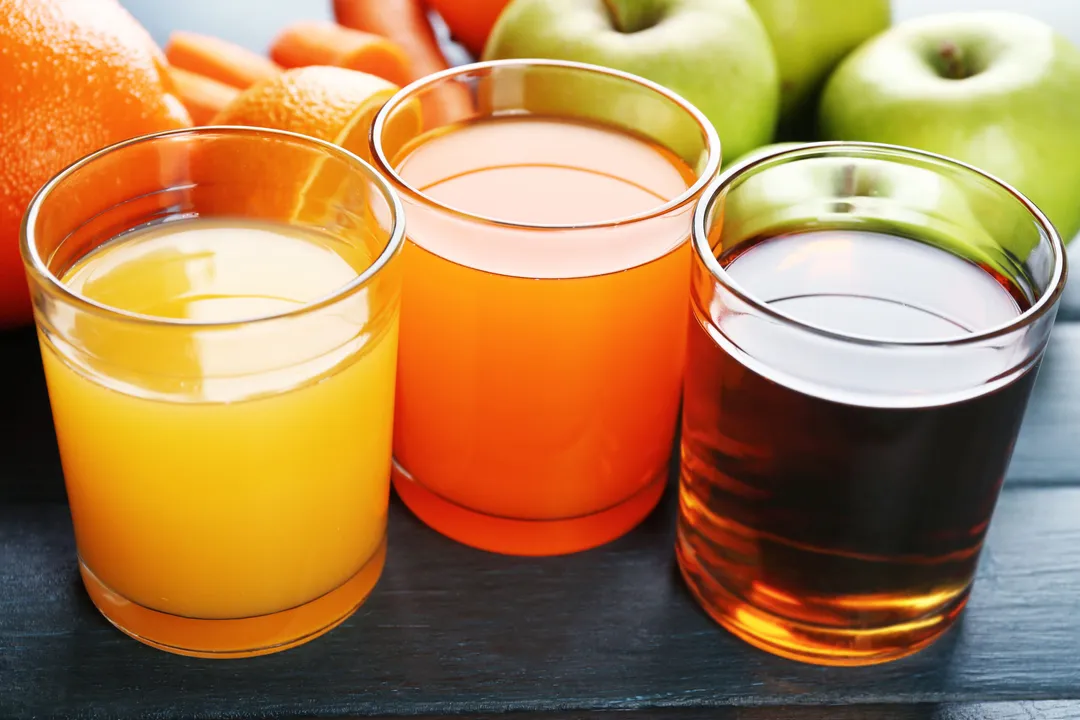
Fruit juices present a complex area, as many popular choices are highly acidic and are known reflux triggers. [1][4] Citrus juices, like orange juice and grapefruit juice, are classic examples of drinks that should generally be avoided when managing heartburn due to their low pH. [1][4]
However, not all fruit juices are created equal regarding acidity. The key is to choose beverages derived from fruits that are naturally low in acid. [4] Melon juices, such as those made from cantaloupe or watermelon, are often better tolerated. [4] Juices made from ripened bananas are also cited as lower-acid options that may provide some relief. [4] The difference between a highly acidic glass of lemonade and a low-acid melon juice is significant in terms of impact on the esophagus. [4]
# Carbonation Caffeine Alcohol
If the goal is to actively reduce acidity symptoms, three categories of beverages should generally be minimized or eliminated entirely: carbonated drinks, caffeinated drinks, and alcohol. [1][6]
Carbonated beverages, including soda water and sparkling mineral water, introduce gas into the stomach. [1][6] This trapped gas increases pressure within the stomach, which pushes against the LES, making regurgitation more likely. [1][6] Even if the soda itself is not acidic, the physical distension caused by the bubbles can trigger symptoms.
Caffeine is problematic because it has the effect of relaxing the smooth muscle of the lower esophageal sphincter (LES). [1] When the LES relaxes inappropriately, stomach contents can easily wash back up into the esophagus. [1] This applies to both coffee and caffeinated teas. [1][6]
Alcohol, regardless of type, is also known to relax the LES, similar to caffeine, making it a frequent contributor to nighttime or post-meal heartburn. [1][6] Furthermore, alcohol can directly irritate the lining of the esophagus and stomach. [1] For those seeking consistent symptom control, cutting back on or eliminating these three categories is a high-yield strategy.

# Digesting Drink Synergy
It is useful to organize the findings not just by what is good or bad, but by how they work. A well-rounded approach incorporates drinks that dilute, neutralize, and soothe.
| Mechanism | Drink Examples | Primary Action | Source Impact Level |
|---|---|---|---|
| Dilution/Flushing | Plain Water | Reduces concentration of acid in the stomach/esophagus. [3] | High |
| Neutralization | Alkaline Water (pH 8.8+) | Chemically deactivates pepsin enzyme. [7] | Moderate |
| Soothing/Coating | Ginger Tea, Slippery Elm Tea | Reduces inflammation or creates a protective mucus layer. [9] | Moderate |
| Buffering | Almond Milk | Offers a low-fat, often alkaline-forming buffer. [1] | Low to Moderate |
| Trigger | Coffee, Orange Juice, Soda | Relaxes LES or increases stomach acidity/pressure. [1][6] | High |
When putting this into practice, consider the context of your day. If you are sitting down for a stressful meeting, reaching for a cup of chamomile tea might be better than reaching for plain water, as the anti-anxiety properties can indirectly aid digestion by reducing stress-induced stomach churning. [9] Conversely, immediately after a large meal, prioritizing a glass of plain or slightly alkaline water to aid the digestive push downward is more beneficial than a soothing herbal tea, which might slow things down too much. [3] A sound strategy involves pairing a mild buffer, like almond milk, with a meal, and following up with water for clearance, while saving specific soothing teas for moments when irritation is already beginning to set in. This differentiated timing allows you to address the problem proactively, reactively, and supportively throughout the day.
Related Questions
#Citations
What to Drink for Acid Reflux: Teas and Nonacidic Juices
Best Foods and Drinks for Acid Reflux Relief
Best drinks for acid reflux
Best Low Acid Fruit Juices for GERD Relief
The Best Foods and Drinks for Heartburn
GERD Diet: Foods That Help with Acid Reflux (Heartburn)
Alkaline water can help with heartburn
What to drink for acid reflux
What Tea is Best for Acid Reflux? 7 Herbal Teas and Other ...