What drink is Luxembourg known for?
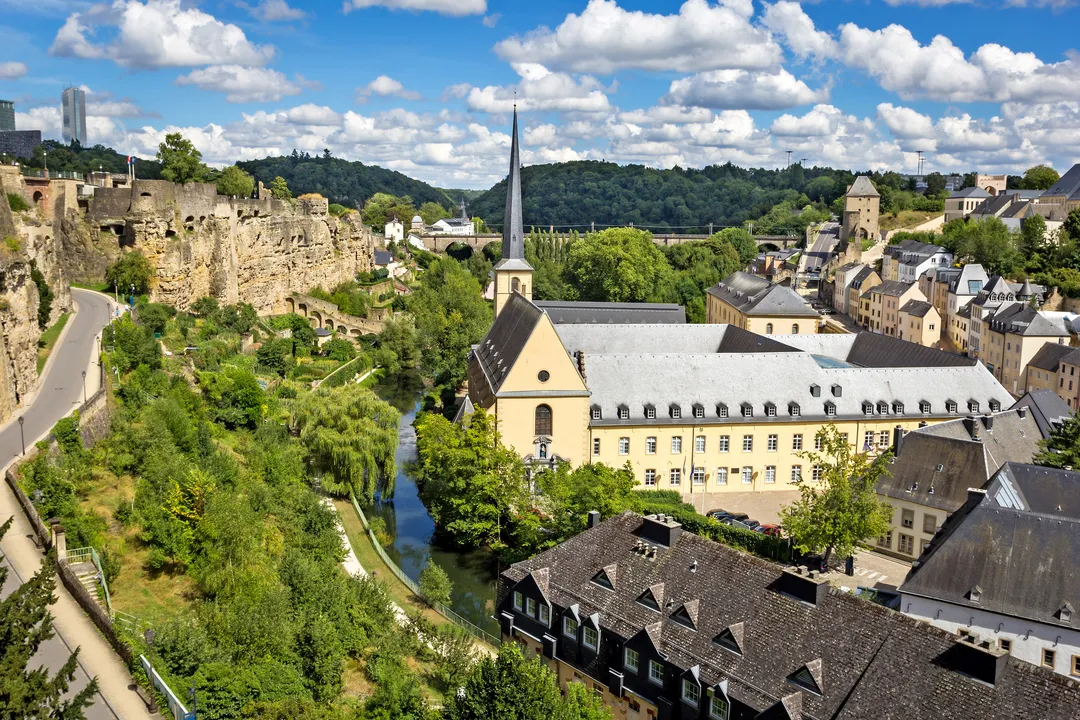
The drinks scene in Luxembourg is far richer than many assume, often surprising visitors who might only anticipate strong German or French influences given its geographical position. While the Grand Duchy offers a solid array of international options, the true identity of Luxembourgish beverages is deeply tied to its terroir, particularly the vineyards lining the Moselle River, and a tradition of crafting potent local spirits. For anyone looking to truly drink like a local, the focus must begin with its celebrated wines and sparkling counterparts.
# Moselle Vineyards
Luxembourg’s wine production is centered almost entirely along a narrow, roughly 42-kilometer stretch of the Moselle River valley. This area, benefiting from the slate-laden soils and a favorable microclimate, primarily produces crisp, dry white wines. It is a testament to quality over quantity, as the production volume is quite modest when compared to its larger neighbors, France and Germany.
The Appellation d'Origine Contrôlée (AOC) rules strictly govern what can be produced here, ensuring a recognizable style. The dominance of white grapes is evident; Riesling, a grape that thrives in these slate soils, is a major player, often producing wines that are mineral-driven and elegant. However, Pinot Blanc (Weissburgunder) frequently takes the top spot in terms of acreage planted and is arguably the most characteristic grape of the region, yielding wines known for their soft fruit and balanced acidity. Other important white varieties include Pinot Gris, Chardonnay, and Müller-Thurgau.
While less common, the Moselle does produce some reds and rosés, typically from the Dornfelder or Pinot Noir grapes. These tend to be lighter-bodied and best enjoyed young, often served slightly chilled.
When considering the Moselle AOC, it is interesting to note how focused the production is. Unlike regions nearby that might have vast arrays of varietals and styles competing for attention, Luxembourg’s wine identity is distilled down to a few key, reliable whites, with Riesling and Pinot Blanc setting the standard for local quality. This focused approach allows winemakers to perfect specific expressions of their terroir, making it easier for visitors to identify the quintessential Luxembourg wine style: elegant, mineral-edged white. A 2020 vintage, for example, might show a lovely freshness if sourced from a good producer.
# Sparkling Sensation
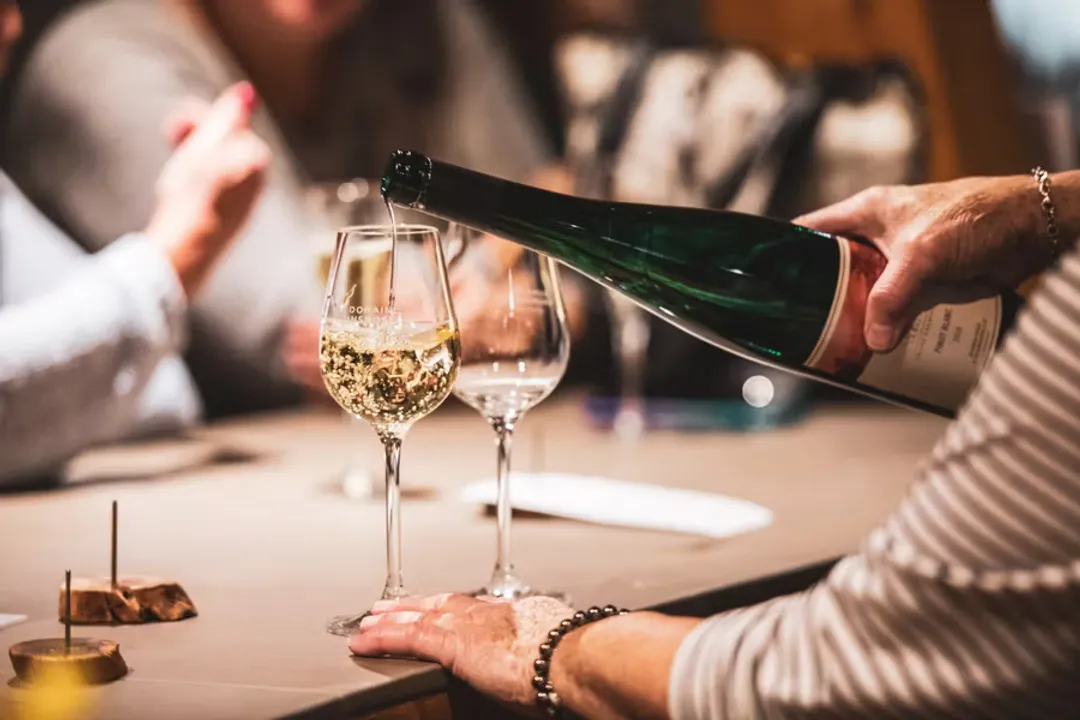
If there is one drink that bridges the gap between everyday enjoyment and special occasion, it is Crémant de Luxembourg. This sparkling wine is made using the traditional method—the same labor-intensive process used for Champagne—and represents a source of national pride.
The requirements for Crémant production are stringent, demanding that the grapes be hand-harvested and that the secondary fermentation, which creates the bubbles, occurs within the bottle. This method imparts complexity and fine effervescence to the final product. While the base wines for Crémant can be blended from several authorized grapes, Pinot Blanc is often central to the blend, contributing finesse.
Locals often reach for a glass of Crémant to start a celebratory meal or simply to enjoy a sophisticated aperitif. It is frequently cited as the best-rated beverage in terms of local preference or quality perception. Comparing it to its famous French counterpart, Crémant de Luxembourg generally offers excellent value, delivering comparable complexity and mouthfeel without the high price tag often associated with the Champagne region. Visitors should look for bottles from reputable houses, often recognizable by their long history in the valley.
# Traditional Spirits
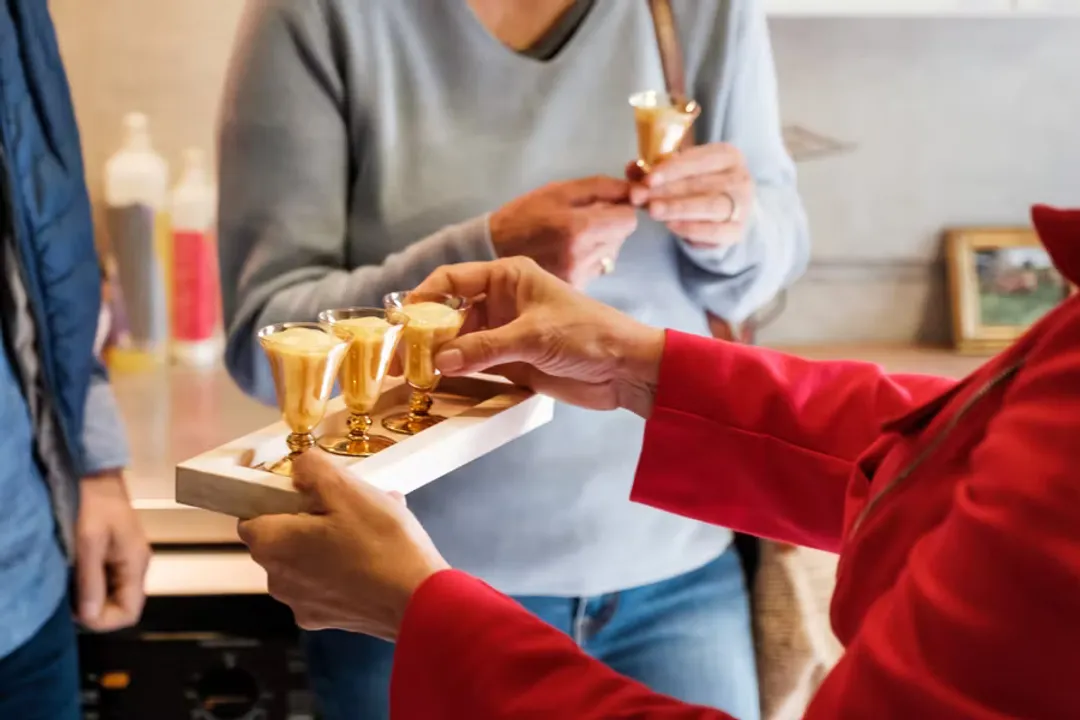
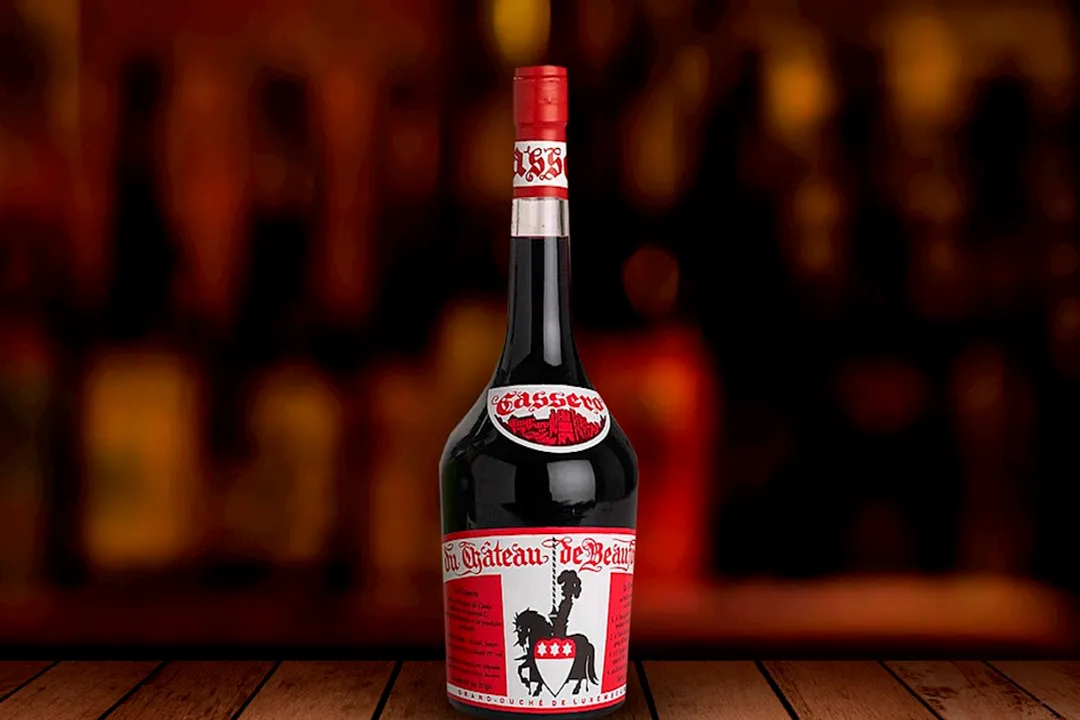
Beyond the vine, Luxembourg maintains a strong tradition in distilling fruit into spirits, often referred to as schnapps or eau-de-vie. This practice speaks to a history where making use of local fruit harvests was essential.
One spirit that stands out in local discussion is Moutel. While specific details on its composition can vary, it is recognized as a local liqueur or spirit. Another key category is the Eau de Vie, or "water of life," which refers to clear fruit brandies distilled from various fruits.
The availability of these spirits is often found in smaller, specialized shops or directly from producers. Common base fruits for these traditional distillations include plums, pears, cherries, and apples. Kirsch, a clear brandy distilled from sour cherries, is a well-known example found in this category.
If you are exploring what might be considered the national digestif, you might encounter Schluck. This term, which often refers to a strong fruit brandy, is a term used in Luxembourgish drinking culture, perhaps as an informal name for a potent local eau-de-vie.
A useful way to approach Luxembourgish spirits is to view them through the lens of neighboring German and French traditions but with a distinct local twist in the selection of base fruit and aging time, if any.
For a true taste of the local distillation craft, searching out small-batch producers who specialize in these fruit brandies, rather than mass-market liqueurs, is recommended. This is where the terroir translates into the glass for spirits: the flavor of a particular local pear or plum is captured with high proof.
# Highly Rated Finds
Analyzing what Luxembourgish drinkers hold in the highest esteem, beverage ratings sites often point towards a mix of local staples and imported favorites. While the wines and Crémant are central, the highest-rated beverages often include some unexpected items, showing the influence of international tastes within the small country.
For example, if one looks at general ratings, certain established beers or even certain high-end coffees might rank unexpectedly high. However, focusing specifically on alcoholic specialties, the highest marks are frequently given to the aforementioned Crémant de Luxembourg and specific local wines from the Moselle region, confirming their status as the country’s liquid ambassadors. The fact that Crémant consistently ranks near the top suggests that the local population values the sparkling wine tradition immensely, perhaps more so than the still wines in terms of celebratory or everyday premium consumption.
# Local Beer Culture
While wine claims the title for regional fame, beer maintains a significant presence in Luxembourgish social life. The beer scene is influenced by its neighbors, meaning you will find a strong presence of German-style lagers and pilsners.
However, the country also has its own breweries producing local favorites. Traditional Luxembourgish beers often adhere to the Reinheitsgebot (German Purity Law) standards, resulting in clean, crisp lagers perfect for accompanying hearty local cuisine. Recognizing a specific, purely Luxembourgish beer brand over a widely recognized international one when ordering at a local pub is a small but noticeable nod to local preference. Many locals will opt for a simple, well-made local beer over an imported label when relaxing after work.
A cultural observation here is how often beer and wine seem to divide the populace based on setting or time of day. A longer, formal meal is more likely to feature Moselle wine, whereas casual gatherings or post-work decompressions often lean toward a local lager or pils. This dual appreciation highlights a relaxed approach to beverage choice, prioritizing what suits the moment.
# Drinking Practices and Social Rituals
Understanding what Luxembourg is known for beverage-wise also requires understanding how these drinks are consumed locally. In Luxembourg City, there are specific ways visitors can integrate into the drinking culture.
When ordering a drink in a bar or Bistro, it is common practice to seek out the local spirits or wines first. If you are seeking a quick, strong pick-me-up, asking for a traditional spirit like a Schluck or Moutel shows local knowledge.
For enjoying wine, service is generally professional. In many wine establishments, you will find tasting flights available, allowing visitors to sample several Moselle wines side-by-side, which is an excellent way to discern the differences between a Pinot Blanc and a Riesling.
Another local touch is the consumption of cocktails that incorporate local ingredients. While not a spirit itself, mixing local Crémant with a small dash of something like Chambord (though Chambord is French, the concept of enhancing the local product is relevant) or a local fruit liqueur can create a bespoke Luxembourgish aperitif.
If you are looking for a specific, non-alcoholic local marker, while not a drink in the traditional sense, the culinary world here is tied to specific produce; however, for liquid refreshment, water is readily available, but it is the alcoholic beverages that define the national repertoire.
To further integrate, consider where you are drinking. Traditional pubs, or those advertising local specialties, are more likely to carry the niche spirits or the full range of Moselle vintages than a purely international cocktail bar. Drinking here is often a leisurely affair, not a rushed event, mirroring the careful production methods used in the vineyards and distilleries.
# Comparing Local vs. International Palates
Luxembourg’s central location means its beverage market is flooded with high-quality imports from Belgium, France, and Germany. This introduces a unique dynamic: locals appreciate international quality but reserve their strongest loyalty and pride for their domestic products.
It is not uncommon to find a bar where the best-selling item is a German wheat beer or a French Champagne, yet the highest-rated local product remains the Moselle Crémant. This suggests a bifurcation in consumption: enjoyment of accessible, familiar international standards versus deep appreciation for locally crafted excellence.
For the visitor, this means that while you can certainly find any major global beverage, choosing a Crémant de Luxembourg or a dry Riesling is the most direct way to engage with the country’s specific contribution to the world of drinks. It’s a conscious choice to support the small-scale, tradition-bound agriculture of the Moselle valley over the massive production capabilities of its neighbors. This preference for the local signature—whether it’s the mineral finish on a Pinot Blanc or the sharp bite of a cherry eau-de-vie—is what ultimately defines the drinks Luxembourg is known for.
Related Questions
#Citations
Top 6 Luxembourg Beverages - TasteAtlas
What are some typical foods/drinks in Luxembourg that I should try?
Drink Like a Local in Luxembourg - In Your Pocket
Cuisine of Luxembourg - Wikipedia
Food & drink - World Travel Guide
Food & Drink Luxembourg
Food & Drink in Luxembourg - Frommers
Liqueurs & Spirits Made in Luxembourg - Letzshop
The Wines of Tiny Luxembourg Make a Big Impression