What street food is most popular?
The quest to name the single most popular street food across the globe is an exercise in navigating culinary diversity, as popularity can be measured by sheer volume, critical rating, or global recognition. What is certain is the scale of this phenomenon: a 2007 study indicated that approximately 2.5 billion people consume street food every single day. [1] This vast, democratic food system, defined as ready-to-eat items sold by vendors in public spaces, [1] reflects the true pulse of a city or nation. [2]
# Global Recognition
While no single dish dominates every locale, several items feature so consistently on traveler lists and general encyclopedic entries that they earn a place among the recognized global elite. These are the foods that appear frequently, suggesting broad appeal and established presence across cultures. [2]
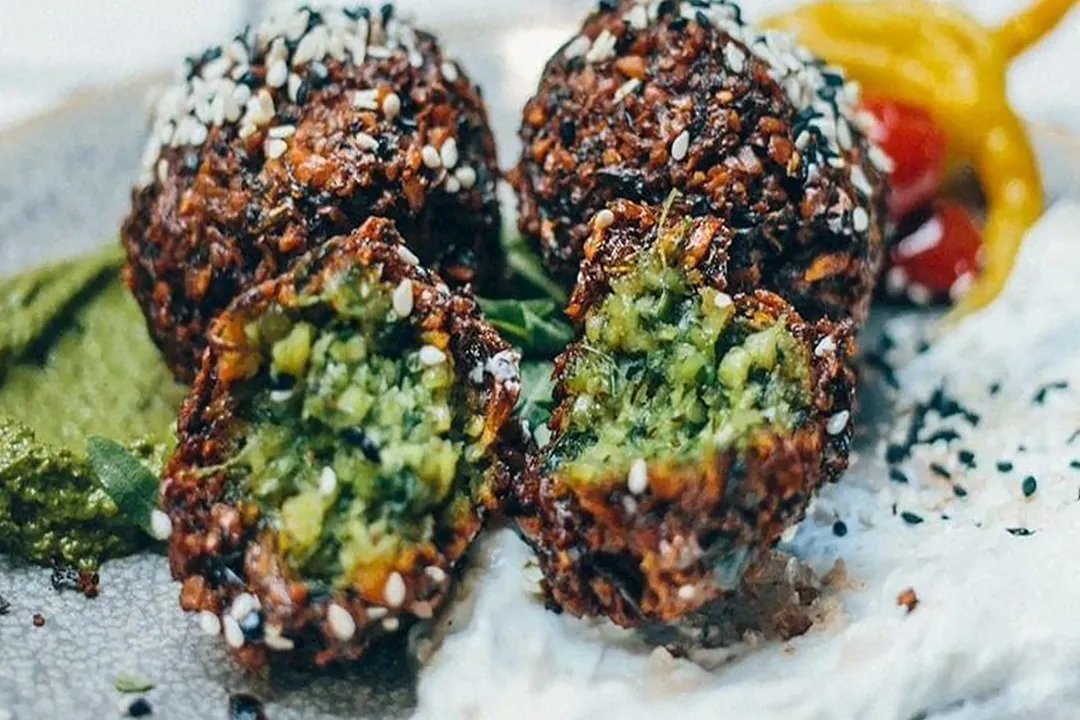
Items like the Taco from Mexico—a tortilla filled with diverse ingredients and often topped with salsa and lime—are universally celebrated street snacks, or antojitos. [4] In the Middle East and beyond, Falafel, deep-fried balls made from ground chickpeas or fava beans, frequently appear, often served in a pita wrap with tahini. [1] The sheer ubiquity of meat cooked on a vertical rotisserie is undeniable; the Döner Kebab (Turkey/Germany) or the Gyro (Greece) are classic, easy-to-eat wraps that have conquered urban centers worldwide. [1]
In South Asia, the savory turnover reigns supreme. The Indian Samosa, a deep-fried triangular pocket filled with spiced potato or meat, is a staple finger food. [1] Similarly, rice noodle dishes from Southeast Asia are ever-present. Pad Thai from Thailand, a blend of sweet, sour, and savory stir-fried noodles, is so iconic it is credited with helping to strengthen Thai national identity in the mid-20th century. Bánh mì, the Vietnamese meat-filled sandwich served on an airy baguette-like roll, is another regional powerhouse recognized internationally. [1][2]
For those seeking carbohydrate-centric comfort, fried potato items show up everywhere. The Belgian or American French Fry, [1] or the Indian Batata Vada—a mashed potato patty coated in chickpea flour and deep-fried—demonstrates how simple starches, elevated with local spices or sauces, become street food legends. [1][2]
# The Taste Test Champions
Popularity based on sheer number of vendors is one metric, but a more telling picture of quality emerges when looking at rated satisfaction. According to TasteAtlas audience ratings (as of late 2025), the undisputed top spots often go to dishes less commonly known outside their home regions, highlighting the quality found when sourcing local expertise. [4]
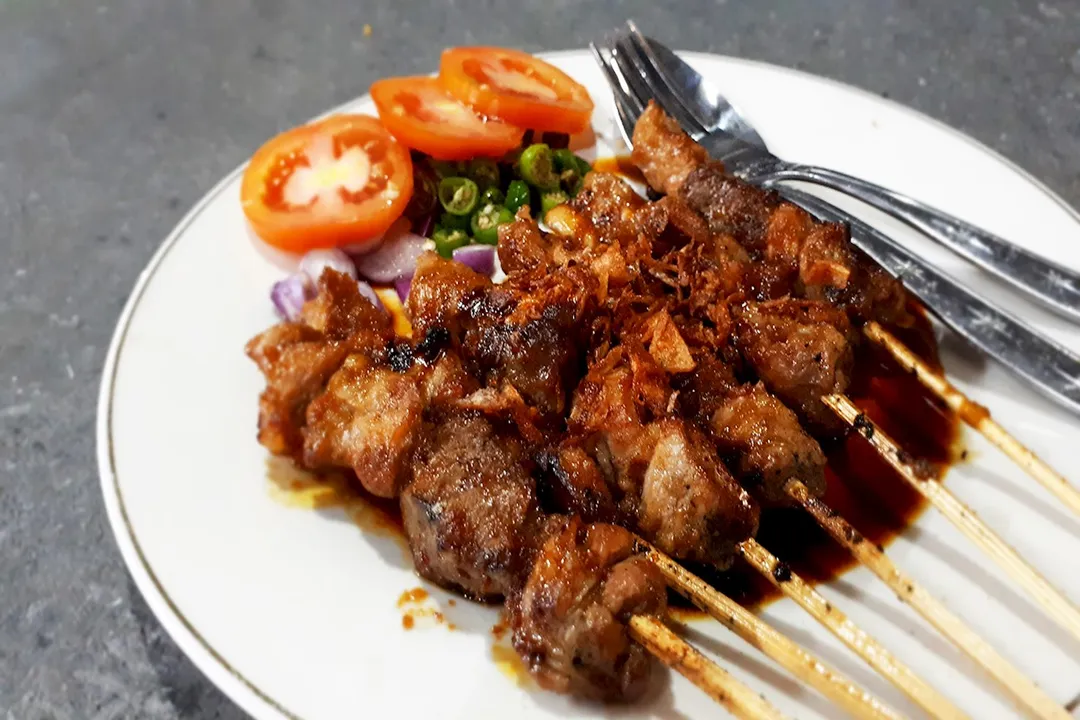
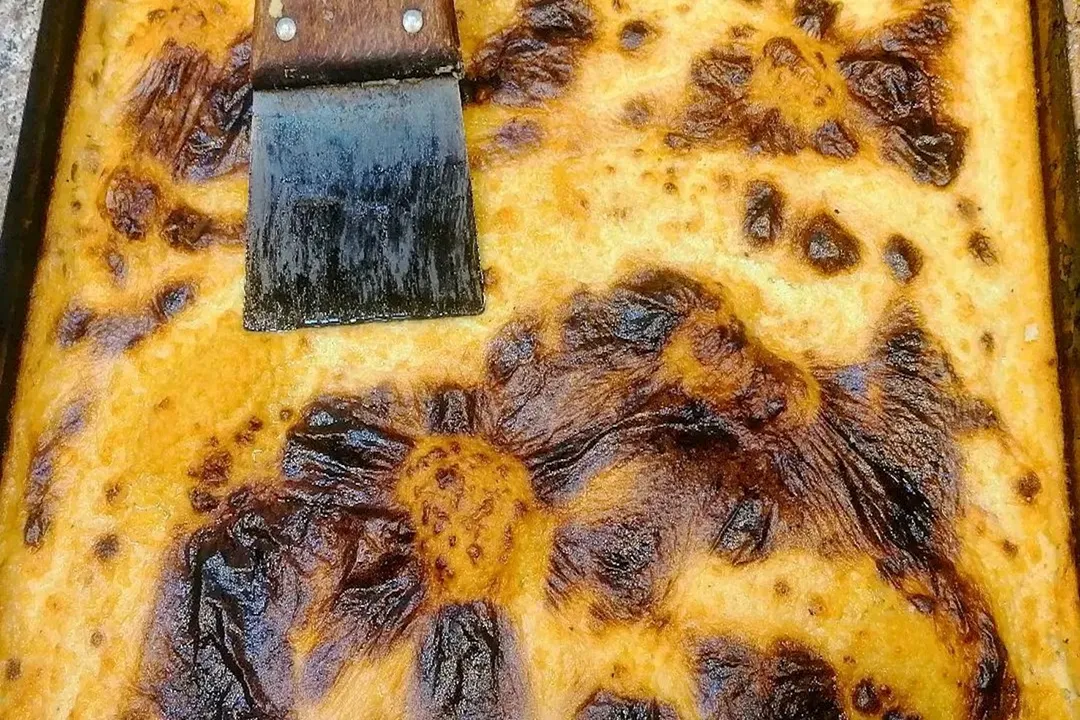
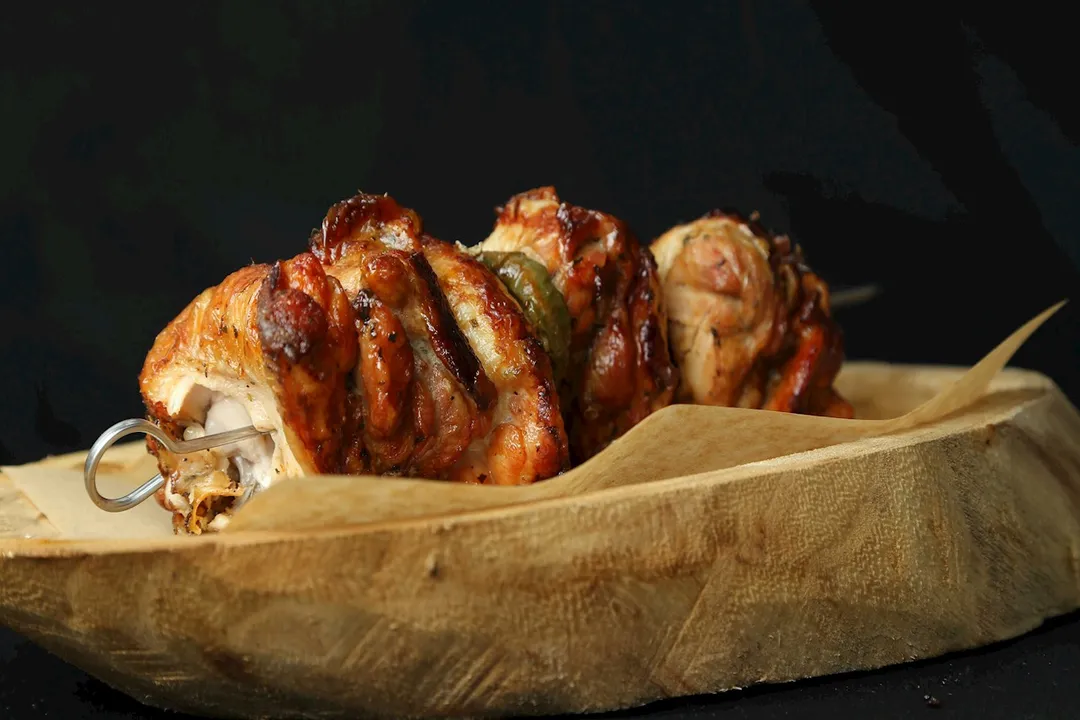
The highest-rated street food on one recent compilation was Karantika from Oran Province, Algeria, a dish made from chickpea flour baked into a crusty yet creamy square, often served in bread. [4] Right behind it are Kontosouvli from Greece—large pieces of marinated pork slowly cooked on a rotisserie—and Sate Kambing from Indonesia, skewers of goat or mutton marinated in sweet soy sauce. [4]
This contrast between global ubiquity and local rating is significant. While a traveler might easily find a globally recognized Hamburger, [1] the highest rated experience might be something like Taameya, the Egyptian version of falafel made with fava beans, which is noted for its lighter, fluffier texture compared to chickpea-based versions. [4] This suggests that while well-known street foods satisfy cravings, the absolute best street foods are often those deeply entrenched and perfected by generations of local vendors. [2]
| Rank (TasteAtlas) | Dish | Origin | Key Feature |
|---|---|---|---|
| 01 | Karantika | Algeria | Chickpea flour baked squares, creamy inside |
| 02 | Kontosouvli | Greece | Large, slow-cooked pork skewers |
| 03 | Sate Kambing | Indonesia | Goat/mutton skewers with kecap manis |
| 04 | Taameya | Egypt | Fava bean-based falafel, lighter texture |
| 05 | Guotie | China | Pan-fried dumplings (potstickers) |
For instance, in Southeast Asia, the variety is staggering. Alongside global mentions of Pad Thai, you find Bánh mì [1] and highly specific dishes like Chai tow kway (carrot cake) in Singapore, made from radish and rice flour, or Mohinga in Myanmar, a national dish consisting of a fish-based broth with rice noodles, traditionally eaten for breakfast. [1][2]
# Defining the Street Food Experience
The sheer variety also forces an important discussion on what truly qualifies as "street food." Is it anything sold from a cart, or does it require portability? Online discussions among food enthusiasts reveal a sharp divide on this very point. [3]
Many travelers agree that the spirit of street food involves an authentic, on-the-ground quest that takes you to areas outside main tourist hubs, often supporting local women entrepreneurs in the process. [2] The food is often cooked à la minute—right in front of the customer—providing an up-close look at simple, effective cooking techniques. [2]
However, Reddit users often noted that some supposedly "street" items are better suited for a sit-down meal. For example, hearty, messy items like Moroccan Tagine (a slow-cooked stew served in a clay pot) or even rich Chili Crab (Singapore) challenge the notion of food you can eat while walking. [3] Similarly, debates arise over national symbols: many argue that the classic American Hot Dog or Pizza Slice are far more representative of portable US street food than the nominated pulled pork sandwich, which is often associated with sit-down barbecue joints. [1][3]
This debate highlights a key insight: street food exists on a spectrum. On one end are the grab-and-go favorites—the Hotteok pancake in South Korea stuffed with sugar and nuts, [1] or the Choripán sausage sandwich in Argentina [2]—and on the other are dishes served from market stalls or hawker centers that involve sitting on a plastic stool, like the rich Kottu in Sri Lanka (chopped flatbread mixed with meat and spices). [1]
The community consensus from critical observation is that the most accepted street foods are those that are inherently handheld or served in a disposable container (like a paper cone or small bowl) that requires minimal cutlery. [3] For Poland, commenters strongly suggested that Zapiekanka (an open-face toasted baguette with mushrooms and cheese) is a far superior representation of street food than the traditional, home-eaten Pierogi. [3]
# Local Mastery Versus Global Reach
The true popularity of street food might not be found in a consensus list, but in the depth of local mastery. In places like Malaysia, travelers note that multiple generations of a single family may perfect one dish, such as Sambal Sotong (squid in chili paste), giving their vendor's offering an edge that a broader survey misses. [2]
Consider the simple, spherical Takoyaki (octopus balls) from Japan. While delicious, the process of watching the vendor turn the batter perfectly in its molded pan is as much a part of the experience as the sweet sauce and bonito flakes on top. [2] This level of focused, craft-based cooking, often operating with minimal equipment, is what feeds the soul and provides unexpected culinary revelations. [2]
If we analyze popularity through the lens of necessary regional adaptation, the Arepa of Colombia and Venezuela exemplifies this perfectly. It is a fried cornmeal patty that serves as a canvas for countless local fillings, making the type of arepa you eat a direct indicator of the region you are visiting. [1][2] Similarly, the Empanada varies drastically; in Argentina, the Salta region favors the inclusion of hot sauce, an element rarely found elsewhere in the country. [2]
A helpful guideline for any street food adventure, particularly in regions with less established tourist infrastructure, is to look for items that are cooked thoroughly and served hot, as this significantly reduces risk when communication barriers exist. [2] Yet, even in this context, some sweet treats sneak onto the list: the decadent, cheese-based dessert Knafeh from Jordan or the flaky, custard-filled Pastel de Nata from Lisbon both feature prominently as celebrated grab-and-go sweets. [2]
In the end, defining the most popular street food is impossible because the term itself describes a dynamic cultural practice, not a static menu. It is a food economy driven by speed, affordability, and immediate flavor impact. [1] The most popular dishes are those that have successfully married an inexpensive, convenient delivery system with a taste so unique that it defines the memory of a place—whether that's a highly-rated Sate Kambing skewer in Java or the simple, comforting Vada Pav potato sandwich in Mumbai. [2][4]
Related Questions
#Citations
50 Best Street Foods Around the World - Uncornered Market
A cool guide of 55 beloved street foods from around the world - Reddit
Top 100 Street Food in the World - TasteAtlas
Novotel - 10 of the Best Street Food Dishes From Around the World
List of street foods - Wikipedia