Does the USA have street food?
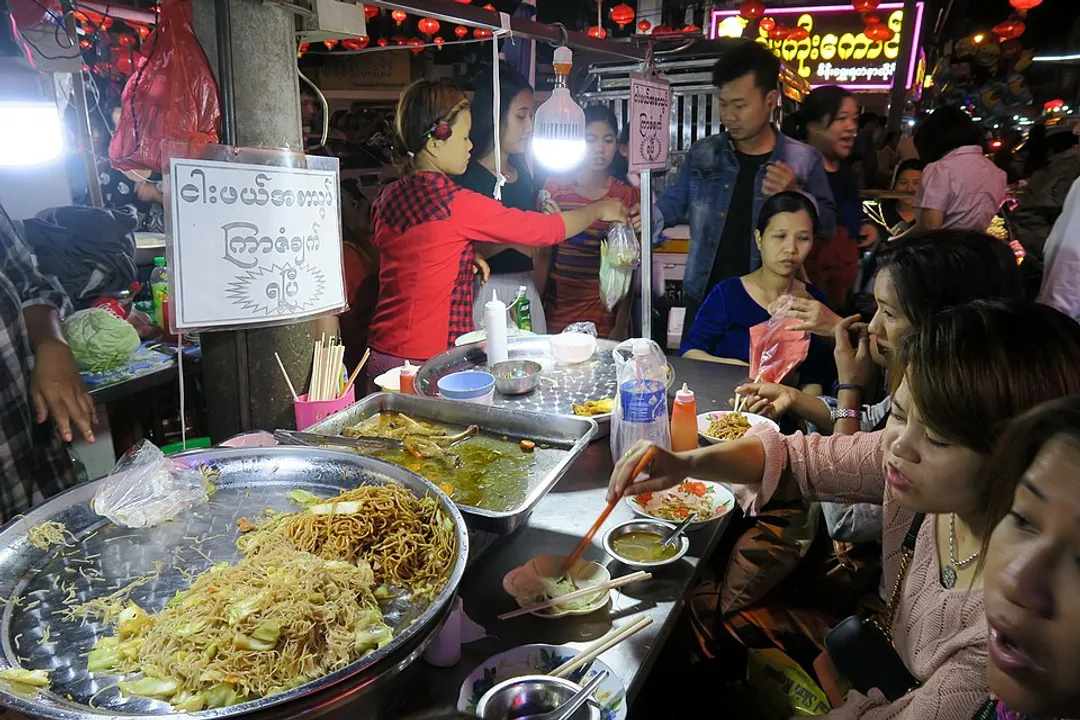
The idea of American street food often conjures images of hot dog carts lining city blocks or bustling night markets common in other parts of the world. While the United States certainly possesses a thriving, diverse, and delicious mobile food scene, its development and cultural perception differ significantly from those found in many international settings. [1][4] It is not that street food is absent; rather, its structure, legality, and visibility vary dramatically from coast to coast and even block to block. [3] The US experience is often one of pockets of intense culinary activity rather than a ubiquitous, everyday feature of the urban landscape. [1]
# American Presence
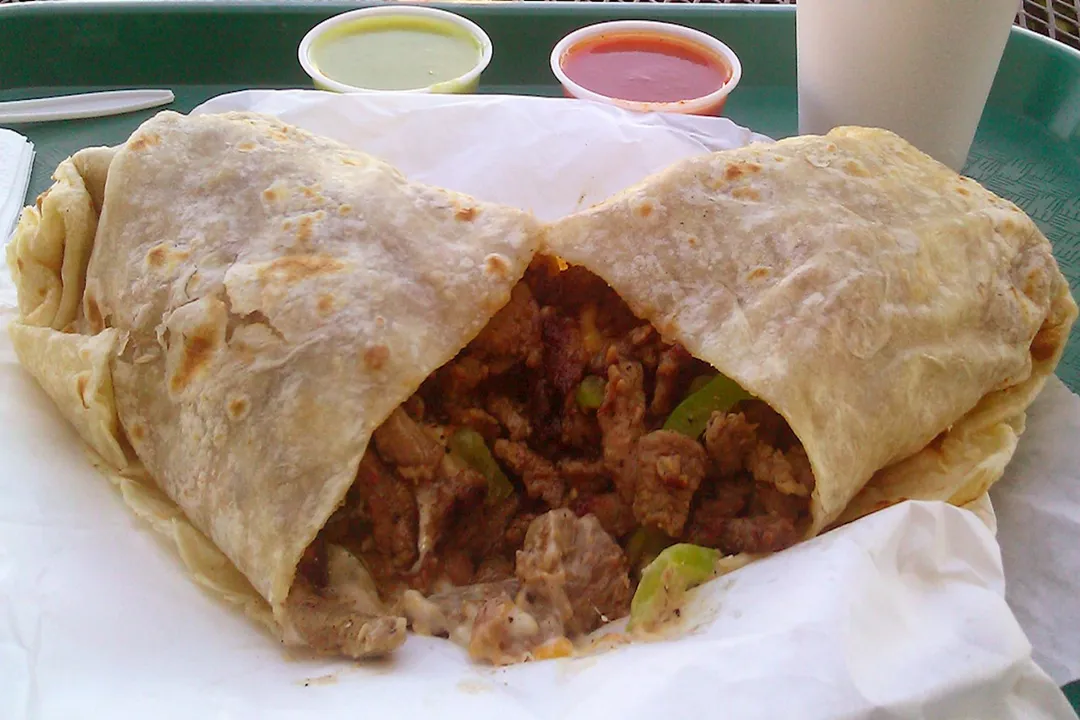
Street food in the US is undeniably present, characterized primarily by the modern food truck movement, though traditional food carts remain fixtures in some major metropolitan areas. [7] The food available is highly reflective of local demographics and regional specialties, moving far beyond simple quick-service items. [5] For example, a street vendor in New York City is expected to offer high-quality, affordable classics, while a truck in Southern California might specialize in elevated Korean-Mexican fusion tacos. [2][6] The very definition of American "street food" frequently defaults to the mobile truck model, often serving lunch crowds near office parks or congregating at designated evening spots. [7]
# City Highlights
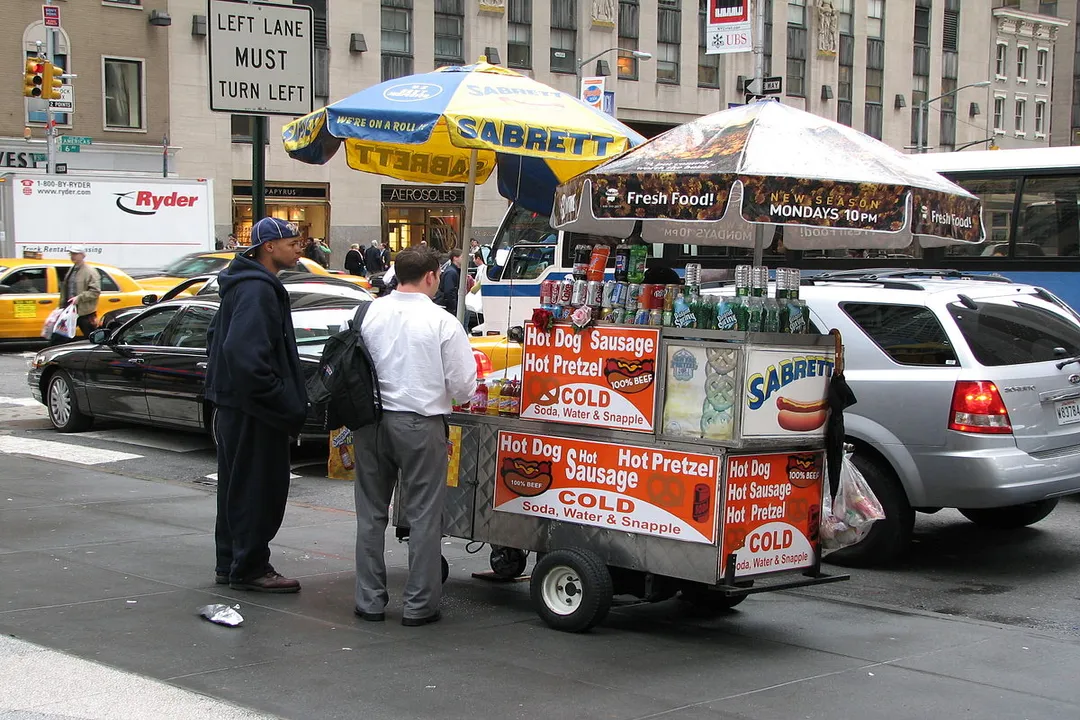
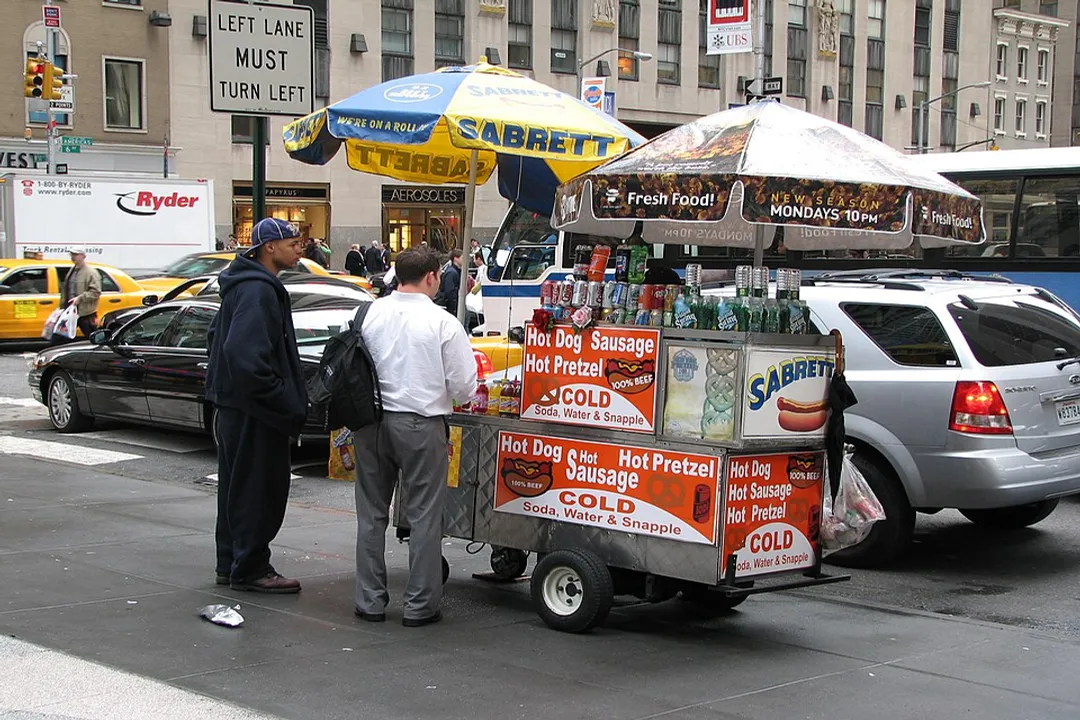
Certain metropolitan areas have actively cultivated environments where mobile food vendors can flourish, creating de facto street food cultures that are celebrated by residents and visitors alike. [2] New York City is a perennial giant, not just for its sheer volume of vendors but for iconic staples like its heavily debated, yet beloved, hot dogs. [5][6] On the West Coast, Los Angeles and San Francisco are renowned for incredible taco trucks, many of which maintain near-legendary status within their local culinary circles. [2][6] Further south, Miami attracts vendors specializing in vibrant Latin American flavors. [2] Inland, Chicago, Austin, and Portland also feature robust and innovative truck scenes, often capitalizing on local food trends and chef experimentation. [2] It is interesting to note that while New York’s reputation is built on centuries-old cart traditions, cities like Austin often derive their street food fame from newer, more modern food truck parks and organized gatherings. [7]
# Food Truck Dominance
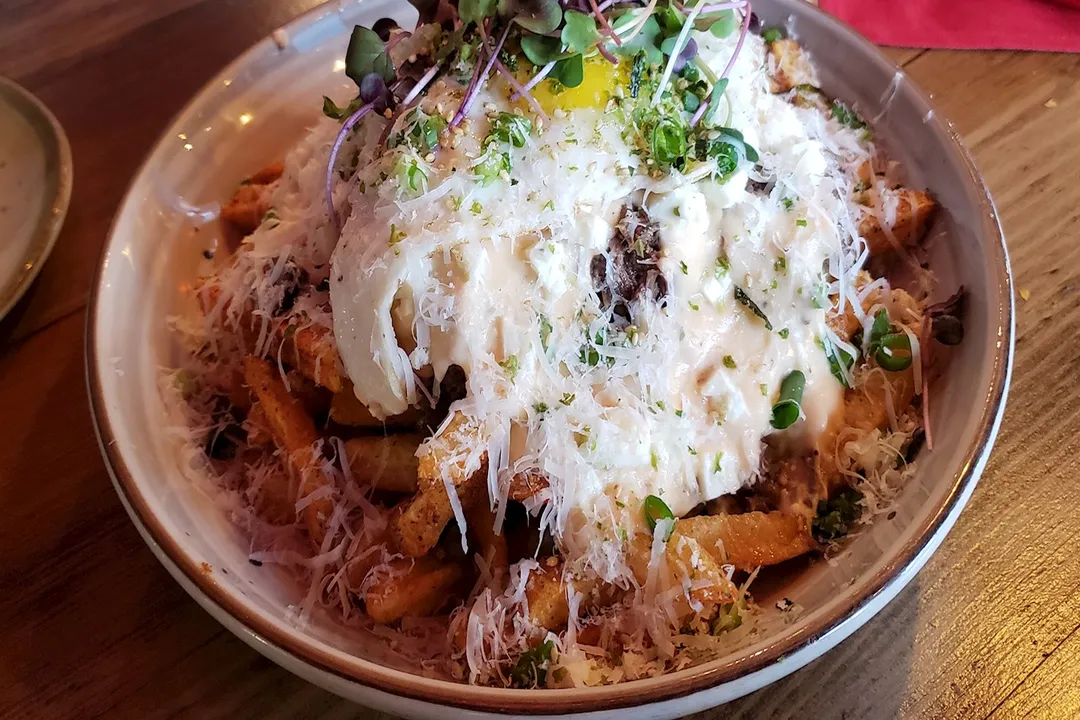
The modern landscape leans heavily toward the self-contained food truck rather than the sidewalk cart. [7] A food truck offers greater mobility and often a larger kitchen capacity, allowing vendors to move to where the demand is highest, whether that’s a major festival or a busy business district during the lunch rush. [7] This mobility is both a strength and a complication. While a food truck can chase the crowd, the consumer experience is different from finding a familiar cart on the same corner every day. The experience of grabbing a celebrated item, such as a Maine lobster roll or a Texas brisket sandwich, might depend entirely on whether the specific vendor truck is scheduled to be in a reachable location that day. [5]
# Regulatory Hurdles
The main impediment to a more widespread and vibrant street food culture across the entire nation, akin to street dining in parts of Asia or Europe, rests squarely on regulation. [3] Unlike countries where sidewalk vending is deeply embedded in urban planning, many American cities have layers of complex, often contradictory, local ordinances concerning permits, parking, proximity to brick-and-mortar restaurants, and health codes. [3] These regulations often vary wildly between neighboring municipalities, creating significant barriers to entry for aspiring vendors. [3] For a small business owner, navigating the bureaucratic maze required to secure a vending license in one city might take months and cost thousands, essentially limiting participation to those who can afford the upfront investment or who can operate in areas that have relaxed these older restrictions. [3]
Where regulations are friendly, like in certain zones in Los Angeles or specific organized food truck rallies, the scene thrives. [2] Where they are restrictive or unclear, the scene remains largely dormant, forcing entrepreneurial chefs to rely on private catering gigs or temporary festival bookings rather than consistent public vending. [3]

# Culinary Exploration
Despite the structural challenges, the quality and diversity of food being served from these mobile units are often exceptionally high. [6] The lower overhead costs associated with a truck compared to a full restaurant allow chefs to take greater risks, experiment with niche cuisines, and price items competitively. [7] This low barrier to experimentation—once the initial permitting hurdle is cleared—is what drives innovation in the US street food sector.
When scouting for the best experiences, travelers should look beyond just the main downtown arteries. A deeper dive into local social media groups or specific food truck park websites often reveals which vendors have developed strong followings based purely on their product quality, irrespective of prime real estate. [1] For instance, analyzing reviews across different platforms suggests that success often hinges on a vendor mastering one or two signature items—like a perfect al pastor taco or a singularly unique dessert—rather than attempting an overly broad menu. [6] This focus on specialization seems to be a key differentiator between a temporary novelty and a long-lasting, successful street food operation in the US context.
# Recent Growth
There has been a noticeable, documented increase in the popularity and visibility of the American street food scene over the last decade. [7] This growth is fueled by increased consumer demand for high-quality, convenient, and adventurous eating options, coupled with better organized events that legally gather many trucks in one place. [2][7] This shift suggests that while the culture might not match every global benchmark yet, the market for mobile, high-quality food is expanding significantly, pushed by both consumer appetite and culinary innovation from chefs willing to operate on wheels. [7]
If you are planning a trip specifically to experience this, understanding the local zoning rules provides an interesting meta-lesson in American governance. In many dense cities, food trucks often congregate in areas zoned for commercial or industrial activity during the day simply because those areas have looser restrictions on idling or vending, meaning the best food might not always be in the most scenic tourist spots, but rather near business parks where the lunch crowd is concentrated. [1] This forces a different kind of urban navigation—it’s less about following tradition and more about tracking the nearest legal parking zone for that day’s best vendor.
#Videos
I Tried The Best Street Food In America - YouTube
Related Questions
#Citations
how popular street foods in the US? : r/AskAnAmerican - Reddit
10 Best Street Food Cities in the USA - Hotels.com
Why doesn't more of the US have a vibrant street food culture like ...
Street food - Wikipedia
I Tried The Best Street Food In America - YouTube
Street Food experiences in America || Victoria Cruises Line
Exploring the Rise of Street Food Popularity Across the U.S.
Top 56 American Street Food - TasteAtlas
RANKING The Best Street Food In America! - Facebook