What is the future of food streets?

The global food landscape is vibrating with change, and nowhere is this more apparent than at the humble street food stall and the sprawling, modern food street. The concept of grabbing a bite on the move—once purely about speed and cost—is rapidly maturing into a sophisticated culinary arena. This evolution is not just about new recipes; it encompasses deep cultural expression, technological integration, and a fundamental rethinking of urban dining spaces. The future of these open-air eateries suggests a blurring of lines, where humble origins meet haute cuisine techniques, all while contending with economic realities and digital disruption.
# Affordability Drive
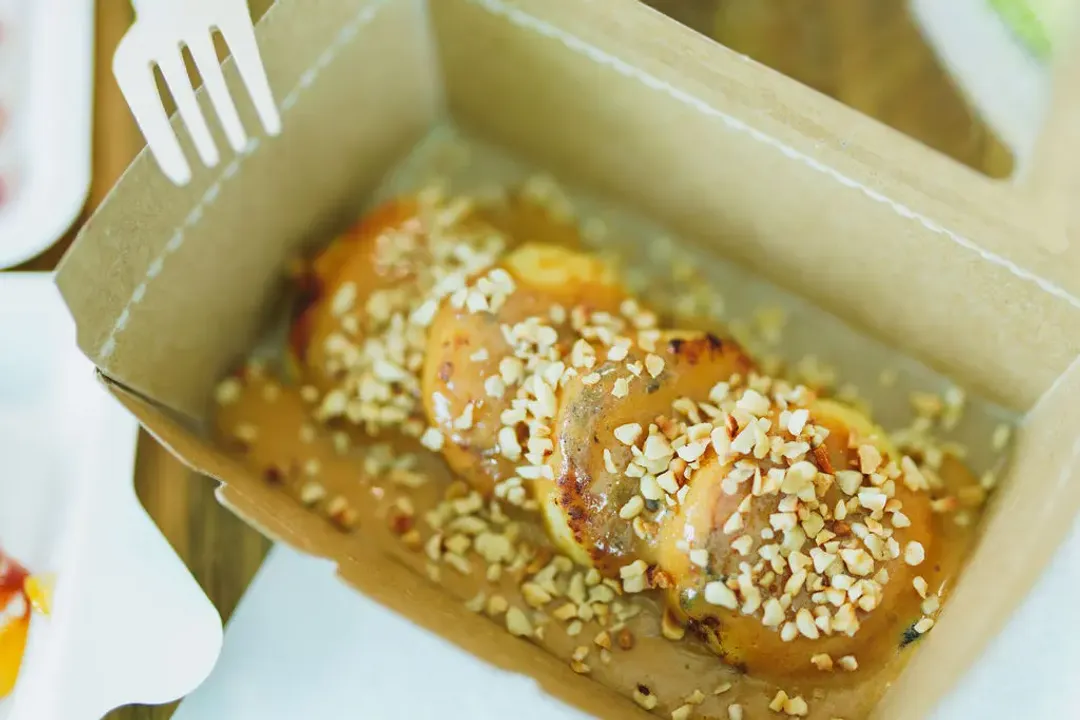
Economic uncertainty, particularly inflation, is acting as a major catalyst, pushing consumers to seek out experiences that deliver maximum impact without maximum cost. This has led to a significant global boom in street food culture, where affordable indulgence has become intertwined with daily dining habits. Consumers are increasingly drawn to meals that are both satisfying and budget-conscious, a dynamic that positions street vendors perfectly.
This demand for value is reshaping which cuisines gain traction globally. While street food has always been foundational in regions like Southeast Asia and Latin America, certain flavors are now rising to prominence worldwide because they hit the sweet spot of flavor intensity and low price points. For instance, Filipino street food, with its unique blend of sweet, savory, and tangy profiles—seen in dishes like Lumpia (spring rolls)—offers a sensory feast that aligns with the need for affordable indulgence. Similarly, the relative newcomer, Cambodian cuisine, is emerging as a hidden gem, offering balanced, rich meals through items like the Num Pang sandwich.
For operators, this means authenticity must now be paired with accessibility. Consumers, especially Generation Z, are discerning; they expect experiences that are exciting and new, but they remain highly cost-sensitive. Value for money is therefore not just about the lowest price, but about the experience delivered at that price, whether through flavor complexity or sheer convenience.
# Couture Flavor
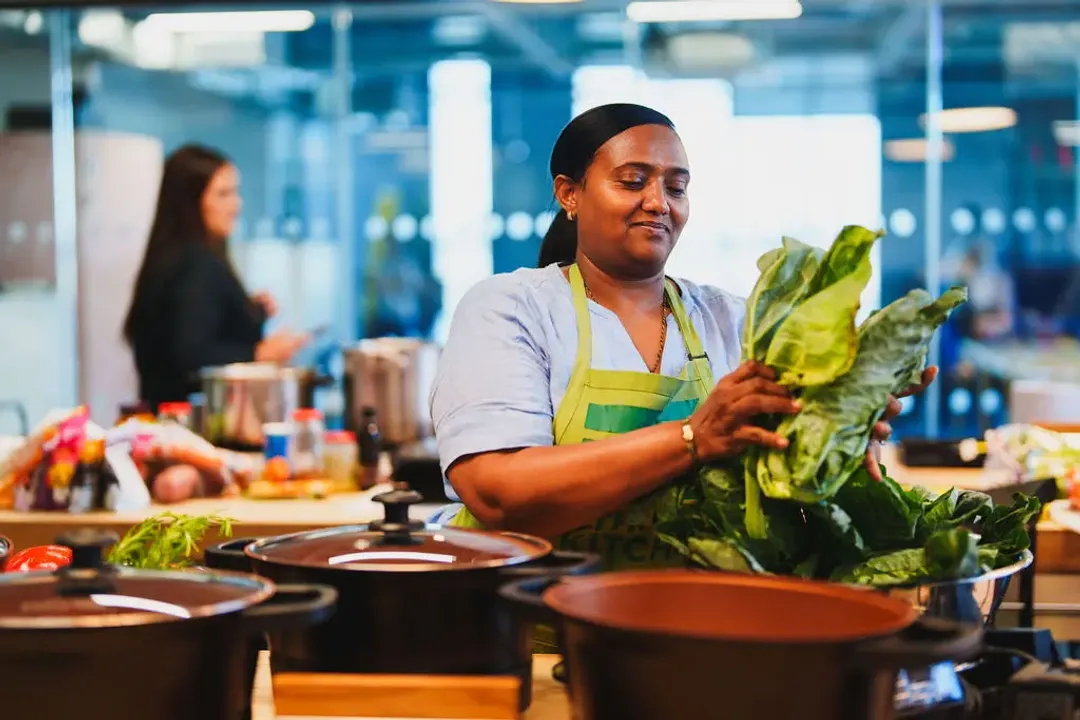
The maturation of street food is best encapsulated by the trend dubbed Street Food Couture. This isn't about replacing street food's accessibility; it’s about perfecting it using high-level techniques typically reserved for upscale dining. Everyday formats—like Bao Buns, Loaded Fries, or Mexican Elotes—are being reimagined with gourmet ingredients and sophisticated execution.
This elevated approach is about flavor intensity and storytelling. We see chefs applying refined techniques to traditional street food bases, such as using artisanal fillings in tacos or crafting rich, smoked-fish broths for ramen served curbside. Chefs are borrowing from their lineage, leaning into Culinary Roots to ensure the food, even when elevated, carries deep meaning and respect for its origins. For example, a chef might use time-honored marination or fermentation methods, not just for flavor, but to connect diners to cultural heritage.
Flavor itself is becoming more layered and challenging. Consumers are moving beyond simple tastes toward complexity, actively seeking profiles that include bitterness, tangible tanginess, and pronounced umami hits. Furthermore, the global interconnectedness driven by travel and digital exchange is producing Borderless Cuisine, where techniques and ingredients from distinct culinary worlds are intentionally combined, like Asian glazes on European comfort dishes. The goal is to offer affordable luxury—a high-perceived-value item that remains operationally attainable for quick-service formats.
# Spatial Culture
The physical environment is inseparable from the food culture it houses, a relationship that extends from basic stalls to fine dining establishments. Historically, vibrant food streets thrive on a sense of fluidity. In places like Indore's Sarafa Bazar, the lack of rigid delineation between stalls, carts, and trucks encourages an unrestrained, lively atmosphere where movement and sensory exploration are natural extensions of the dining process.
This fluidity is vital for encouraging diners to experiment and engage casually. Consider the architectural styles themselves; in White Town, Pondicherry, the French colonial grid layout with wide boulevards sets a welcoming, open stage for cafes and vendors, allowing colonial elegance to mingle with Tamil hospitality around shaded courtyards. The architecture directly dictates the energy. Coastal areas might feature thatched roofs catching sea breezes, while urban luxury spots use modernist glass facades to match cosmopolitan lifestyles.
The future promises a deliberate blurring of the lines between street food informality and fine dining elegance, driven partly by innovative architecture. The use of modular and pop-up structures will allow spaces to dynamically shift—perhaps operating as a bustling market by day and a more elegantly zoned, low-lit dining space by night. This adaptive approach speaks to a larger sustainability goal, where historic buildings are given new life through adaptive reuse, turning them into rich venues for culinary and cultural exchange.
One significant consideration for urban planners and vendors alike is accessibility and community building. Successful street food zones ensure inclusivity across socio-economic boundaries, using open layouts that invite everyone to gather. A small analysis here: While modern, centralized food halls promise cleaner aesthetics and centralized ordering (sometimes using tech like digital tabs that follow your smartphone), they risk creating 'Choice Paralysis' where the sheer number of options overwhelms the diner. The inherent architectural structure of a true street—one that allows for organic spill and boundary dissolution—often promotes a more genuine, shared community experience than a strictly organized food court successor, even if the latter offers better centralized restrooms..
# Smart Stalls
The integration of Artificial Intelligence (AI) is perhaps the most significant technical shift coming to the street food scene. This is not about replacing the human element, but about providing vendors with smart tools to manage the complexities of small-scale, high-turnover businesses.
AI tools are being employed to:
- Predict Demand: Analyzing sales data to forecast which dishes will sell best during specific times, allowing vendors to prep accurately and reduce waste.
- Optimize Menus: Reading online reviews and social media chatter to understand flavor preferences, suggesting new recipe iterations—such as making a dish slightly crispier based on customer feedback—that align with local tastes.
- Improve Safety: Using smart reminders or cameras to ensure hygiene standards are met and food isn't left burning, adding a layer of operational assurance where human oversight might waver during busy periods.
- Manage Pricing: Suggesting dynamic pricing or combo offers based on real-time demand fluctuations, such as during local festivals.
The aspiration extends to futuristic concepts like AI Food Carts, where robotics assist in final preparation, ensuring consistency and efficiency, though experts note the robot's role is currently seen as an assistant, not a replacement for the human chef’s creative input. Voice ordering in multiple local languages is another expected leap, breaking down communication barriers even at the most traditional-looking carts.
An important editorial perspective emerges when contrasting the rise of hyper-efficient AI with the desire for authentic culinary roots. If AI perfectly optimizes every ingredient swap, spice level, and preparation time based on data, the street food experience risks becoming too predictable. The magic of street food often lies in the slight, charming imperfection—the unexpected flavor note from a vendor who cooks purely from memory, not an algorithm. Operators must find a balance where technology supports business health without sterilizing the culinary soul that draws customers in the first place.
# Hall Evolution
Parallel to the technological advances in mobile kitchens, the fixed-location counterpart—the food hall—is also wrestling with its identity and future viability. Food halls are distinct from the older food courts because they are dedicated culinary destinations, often repurposing vintage urban buildings and serving as incubators for independent, often minority-owned, concepts. They frequently incorporate alcohol, entertainment like trivia or live music, and innovative ordering systems like digital tabs linked to smartphones.
However, the model is still "figuring it out". Early logistical challenges—like waiting in separate lines for different items and then struggling to find communal seating—persist, despite technological efforts to smooth service. The sheer volume of choice can lead to Choice Paralysis, where diners are overwhelmed by the selection of cuisines available under one roof. Furthermore, profitability remains a concern, with reports suggesting that some halls experience fatigue or fail when rental costs outpace traffic, much like previous concepts such as meal kits or ghost kitchens.
The evolution seen here often involves adaptation from the larger restaurant industry. Concepts like "fast-fine" are appearing, where multiple brands operate out of a single shared kitchen behind a counter, streamlining operations for the vendors while still offering diverse choices to the consumer. This hybridization shows that food halls are not static; they are iterating rapidly, potentially moving toward a model that integrates the curation of independent brands with the operational efficiency of centralized production. The historical pattern suggests that successful food hall concepts may eventually be absorbed or replicated by better-capitalized chain operators, echoing the fate of earlier food court crazes.
# Final Synthesis
The trajectory for food streets and their modern manifestations is clear: integration and elevation. The street is where cultural authenticity meets the pressure of modern economics, forcing innovation from the ground up. This innovation is fourfold: flavor is deepening and growing bolder; authenticity is being consciously preserved through Culinary Roots; the format is being elevated into Street Food Couture; and the diner is demanding co-creation through personalized, interactive experiences.
Architecturally, the future requires spaces that are flexible enough to accommodate the energy of the street while providing the refined ambiance that consumers now expect from casual dining options. Technologically, AI offers unprecedented efficiency in forecasting and tailoring menus, but vendors must guard against allowing data to erase the essential, unquantifiable human element of street food culture. The next era of street dining will be defined by how successfully these diverse forces—tradition, technology, architectural design, and economic necessity—converge into a cohesive, delicious, and sustainable urban experience.
Related Questions
#Citations
4 Trends Shaping The Food Future: A New Report Reveals ... - Forbes
Street Food Evolved: Trends Shaping 2025 - McCain Foodservice
Bytes on the Streets: The AI-Fueled Future of Local Flavors
Food halls: A fad still figuring it out - Restaurant Business Magazine
These are the 4 most important food trends for 2025
Comfort food 2025 – When street food grows up - Messe Stuttgart
Food Streets to Fine Dine: How Architecture Drives Food Culture - RTF
Street Food And The Growth Of Street Food Culture - Tastewise