What are common street foods?

The experience of eating on the street is fundamentally about immediacy, accessibility, and the unvarnished flavor of a culture. It bypasses the formality of a sit-down meal, offering genuine taste snapshots of a location, often for just a few coins. [4][5] What unites this global phenomenon is not a single ingredient, but the efficiency of the delivery system—food prepared rapidly in a public space, designed to be eaten standing up or on the move. [1]
# Global Favorites
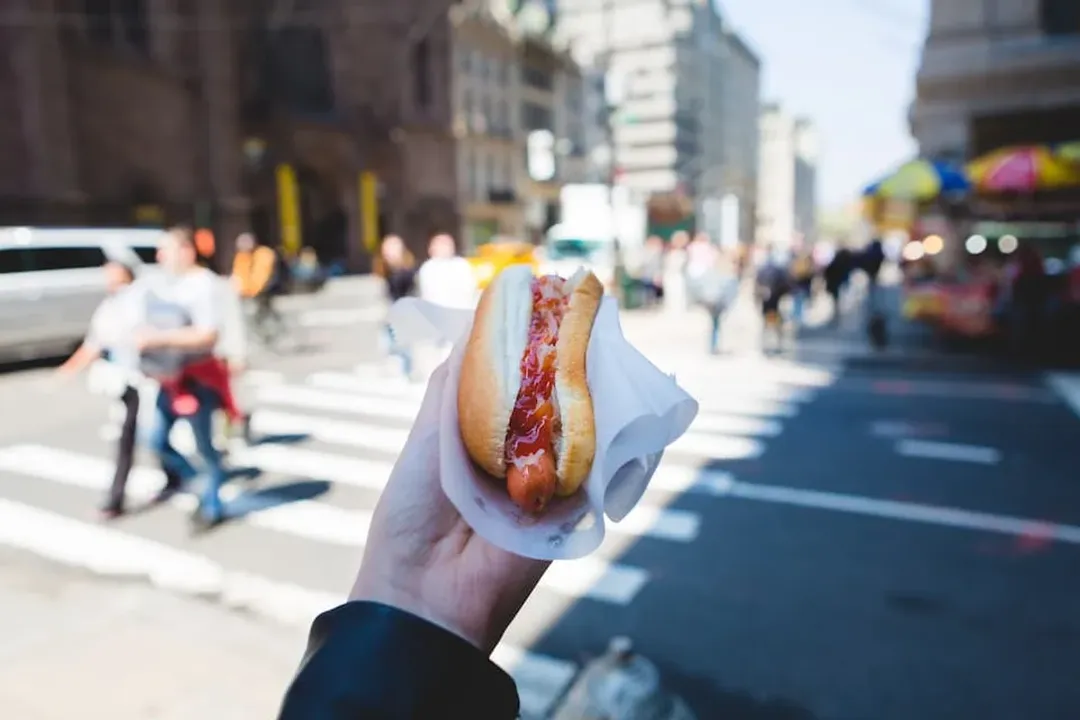
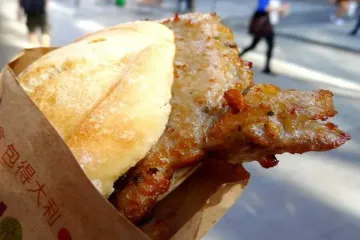
Across diverse continents and culinary traditions, certain dishes consistently rise to the top of global favorites lists, suggesting a universal appeal for specific flavor combinations or textures. [9] For instance, the simple act of wrapping savory fillings in dough or bread appears in countless high-ranking street foods. Consider the beloved Banh Mi from Vietnam, where a crisp baguette, a legacy of French colonialism, is stuffed with grilled meats, pâté, and fresh herbs. [4] Contrast this with the Arepa from Colombia and Venezuela, a corn-based patty split and filled with cheese, meat, or beans. [2][4] Both rely on a bread-like casing for portability, yet their flavor profiles are worlds apart.
Another frequently cited category involves fried carbohydrates. The Indian Samosa, a triangular pastry filled with spiced potatoes and peas, is a staple that transcends its origins, finding echoes in savory pastries worldwide. [3][9] Similarly, the sweet, deep-fried pleasure of Jalebi—a pretzel or circular-shaped sweet dipped in sugar syrup—is highly rated, showcasing a love for intense sweetness in street fare. [2][9] In Latin America, Churros, whether served plain or dipped in chocolate, carry a similar fried-dough appeal, though they are often viewed as a treat or dessert rather than a main meal. [4]
The simple perfection of grilled or skewered meat also features heavily. Satay, found throughout Southeast Asia, typically features marinated meat served on small wooden skewers, accompanied by a rich peanut sauce. [8] This contrasts with the Mediterranean and Middle Eastern Shawarma or Kebab, where thinly sliced meat is shaved from a vertical rotisserie and served wrapped in pita or flatbread, often dressed with yogurt-based sauces and fresh vegetables. [1][4]
# Asian Markets

Asia remains the undisputed global epicenter for street food culture, boasting an unparalleled density and variety of offerings. [8] The sheer volume of highly-rated dishes originating from countries like Thailand, India, and Malaysia speaks to a centuries-old tradition of portable, flavorful dining. [9]
In Southeast Asia, the balance of sour, sweet, salty, and spicy is paramount. Pad Thai, the stir-fried rice noodle dish commonly found on Bangkok streets, perfectly exemplifies this flavor equilibrium. [2][4] It’s often cooked right in front of the customer on a massive wok, ensuring smoky flavor known as wok hei. [8] Nearby, in places like Malaysia or Indonesia, Nasi Lemak—rice cooked in coconut milk and served with anchovies, peanuts, egg, and sambal—can be bought packaged neatly in banana leaves for a quick breakfast or lunch. [4]
Moving east, Japanese street food presents a refined take on quick eats. Takoyaki, little balls of batter filled with octopus and topped with savory sauces and bonito flakes, are a specialty, often cooked in specialized dimpled pans. [2] Even simpler items like Yakitori (grilled chicken skewers) are elevated through careful seasoning and grilling technique.
Indian street food, often termed chaat, emphasizes texture and complex spice mixes. Beyond the ubiquitous Samosa, [3] one encounters Pani Puri or Golgappa, small, hollow, crispy spheres filled with spiced water, tamarind chutney, potato, and chickpeas—a burst of flavor and texture that demands immediate consumption. [2][4] The variety is so deep that many regions boast specific specialties; for instance, Aloo Tikki, spiced potato patties, are a North Indian favorite. [4]
# The Americas Showcase
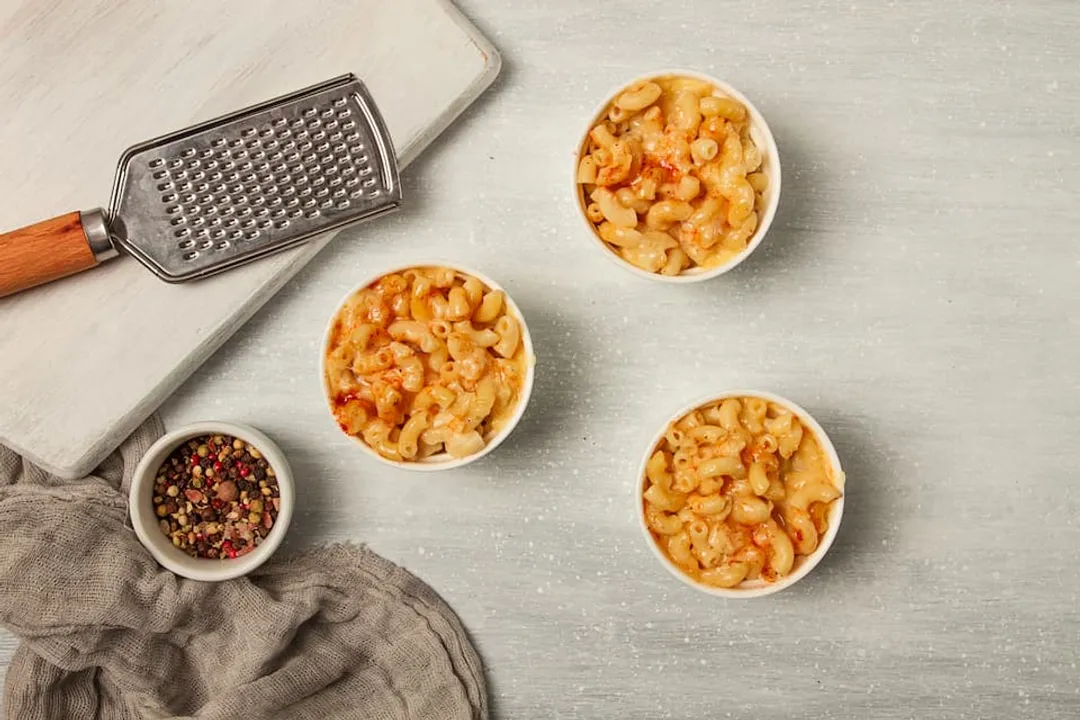
Street food traditions in the Americas range from deeply rooted indigenous staples to more modern, fusion creations. [6] In Central and South America, corn remains a foundational element, much like in Asia rice or wheat. Beyond the Arepa, [2] Mexico offers the Tostada, a crispy, flat tortilla piled high with toppings like beans, meat, cheese, lettuce, and salsa. [2][4] Mexican street cuisine is world-renowned for its diversity, with regional tacos varying significantly from one city to the next. [4] In Brazil, Pastel—a thin, deep-fried pastry pocket filled with meat, cheese, or palm hearts—is a popular, savory indulgence. [2]
When we turn to the United States, street food often reflects the melting pot nature of its cities, though some items have become uniquely emblematic of the country’s fast-casual dining identity. [6][10] While hot dogs and pretzels are common in many urban centers, certain items are cited as being distinctly American street fare that is hard to find elsewhere in the same form. [6] The Lobster Roll, particularly associated with New England, features chilled lobster meat mixed with mayonnaise or warm with butter, served in a split-top, buttered, and grilled hot dog bun. [6] Another icon is the Corn Dog, a sausage coated in a thick layer of cornmeal batter and deep-fried on a stick, usually served with mustard or ketchup. [6][10] The highly regionalized barbecue, when served from a truck or stand (like brisket tacos or pulled pork sandwiches), also firmly enters the street food domain. [10]
# European Simplicity
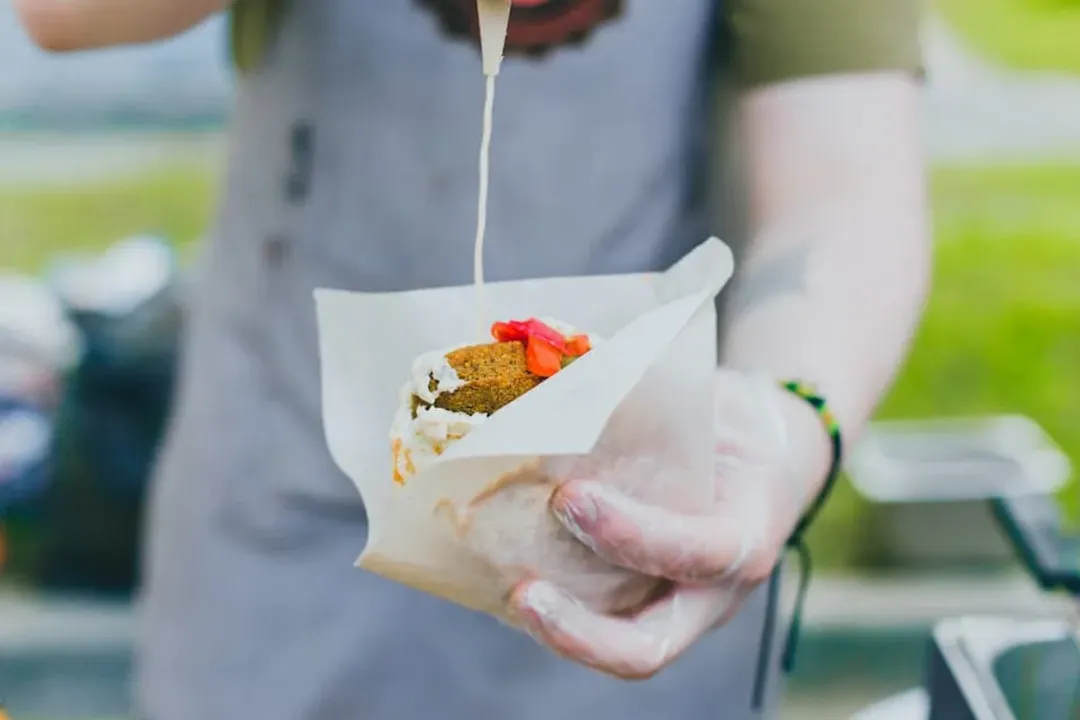
European street food, while sometimes overshadowed by its Asian or Latin American counterparts in terms of sheer variety, offers satisfying, often carbohydrate-heavy options suited to quick consumption or festival environments. [5]
In Spain, Churros are popular, but the savory side is well-represented by options like Bocadillos (simple sandwiches on baguette-like bread) or various fried seafood snacks in coastal areas. [4] Portugal is famous for Pastel de Nata, though traditionally a bakery item, its convenient size allows it to function as a grab-and-go treat. [2]
In Germany, while context matters—a festival versus a daily lunch—items like Bratwurst or Currywurst (sausage topped with curried ketchup) are quintessential quick eats, often served simply in a roll. [1] The concept here often centers on portability and hearty sustenance rather than complex layering of fresh ingredients, though quality sausage remains the star. [5]

# Ingredient Dynamics
The vast array of street foods available globally reveals some underlying patterns in how vendors approach mobile feeding. If we analyze the construction of these top-rated dishes based on primary components—the base delivery system versus the protein/vegetable filling—a few trends emerge.
| Primary Base Category | Typical Flavor Profile | Global Examples |
|---|---|---|
| Fried Dough/Bread | Sweet or Savory/Starchy | Churros, Samosa, Arepa, Pita/Wrap [2][4] |
| Noodle/Rice Base | Complex Spice/Umami | Pad Thai, Fried Rice Variants [8] |
| Skewered/Grilled Meat | Smoky/Marinated | Satay, Yakitori, Kebab [1][4] |
| Liquid/Sauce Focus | Fresh/Spicy/Tangy | Pani Puri, Ceviche (less common as true street food but present) [2] |
It is interesting to note that while the flavor language changes entirely—a Thai peanut sauce versus a Mexican salsa—the structural language often remains consistent: use a stable, edible vehicle to contain a flavorful payload. [1] The global street food scene is less about what ingredients are used, and more about how those ingredients are engineered for rapid preparation and consumption on pavement. For example, the very nature of serving Banh Mi in a baguette versus a Shawarma in a flatbread shows two different approaches to managing juices and fillings within an edible container. [4]
# Adaptability and Local Context
The true nature of street food isn't static; it adapts rapidly to local availability, religious custom, and even historical influence. [1] In an area where pork is restricted, a vendor might pivot from grilled pork skewers (Satay) to chicken or tofu, maintaining the marinade and sauce structure to keep the essence of the dish recognizable. [8] This adaptability is a key factor in long-term street food success.
One essential aspect that is often overlooked when cataloging famous street foods is the importance of the portable carbohydrate as the universal delivery system. [1] Whether it’s the dense, steamed Mantou in China, the thin Roti in India, or the ubiquitous flour or corn tortilla in the Americas, the ability to wrap, scoop, or hold the main components in a piece of cooked grain product is what defines the street aspect of the food. [4] If a dish requires a knife and fork and a stable table, it usually graduates to restaurant fare. A vendor’s success hinges on minimizing prep time and maximizing handheld ease. For a traveler looking to genuinely sample a city’s culinary heart, seeking out the dish sold with the fewest utensils is often the best indicator of authentic street food. [5]

# Unique American Specialties
While fusion and global influences are strong, the US context has generated specific street foods that are indeed harder to locate in their original iterations elsewhere, primarily due to regional access to specific primary ingredients or cultural adoption patterns. [6]
The Lobster Roll is a prime example, tying directly to the geography of the Northeast coast. [6] While lobster exists globally, the preparation—especially the cold, mayonnaise-dressed style versus the warm, buttered style—is a specific cultural dichotomy within American street food marketing. [10] Similarly, the heavily battered and deep-fried Corn Dog found at fairs and street stalls has become an Americanized adaptation of simpler sausage-on-a-stick concepts, optimized for deep-frying efficiency. [6][10]
Furthermore, specialized regional BBQ, when sold from a truck, takes on a street food identity that is hard to replicate elsewhere. For instance, a true Texas-style smoked brisket served on a simple bun, focusing purely on the smoke ring and bark development rather than elaborate sauces, is a uniquely American street food phenomenon valued by enthusiasts. [10]
# The Experience Factor
Beyond the plate, the value of street food lies in the transactional experience. [5] It is a direct interaction with the cook, often with minimal language barrier required, relying instead on pointing, nodding, and the universal language of delicious smells. [4] This immediacy builds trust; you see the preparation, you see the freshness (or lack thereof), and you receive the food seconds later. This transparent process contributes significantly to the authority and reputation of a good street vendor. [5]
When navigating a new city's street food scene, a helpful approach involves looking for queues composed primarily of locals, rather than other tourists. A long line of people who live there is a powerful, organic endorsement of quality and value. [5] Furthermore, understanding that street food pricing is often highly localized means that what seems expensive in one stall might be a bargain compared to the nearest formal restaurant for a dish of comparable quality. [4] Street food stalls often represent the true, unvarnished taste of a region, existing outside the economic pressures that shape formal dining menus.
This vibrant, often chaotic environment, characterized by the sizzle of oil, the hiss of steam, and the constant flow of customers, represents more than just a quick meal; it is the edible pulse of urban life in many parts of the world. [5] From a high-rated, complex Koshary (a mix of rice, pasta, lentils, and tomato sauce topped with chickpeas and crispy onions) in Egypt [3] to a simple, perfectly grilled Choripán (sausage sandwich) in Argentina, [4] the core remains the same: exceptional flavor delivered with unmatched speed and authenticity.
#Videos
The Street Foods That Define Every Country - YouTube
Related Questions
#Citations
List of street foods - Wikipedia
World street food: 25 street food dishes we love! - Tasteaway
A cool guide of 55 beloved street foods from around the world - Reddit
50 Best Street Foods Around the World - Uncornered Market
Novotel - 10 of the Best Street Food Dishes From Around the World
What are some unique and tasty street foods in America that cannot ...
The Street Foods That Define Every Country - YouTube
Most Popular Street Foods in the World - Facebook
Top 100 Street Food in the World - TasteAtlas
21 Popular Street Foods of the US - Chefs Deal