What are some popular street foods?
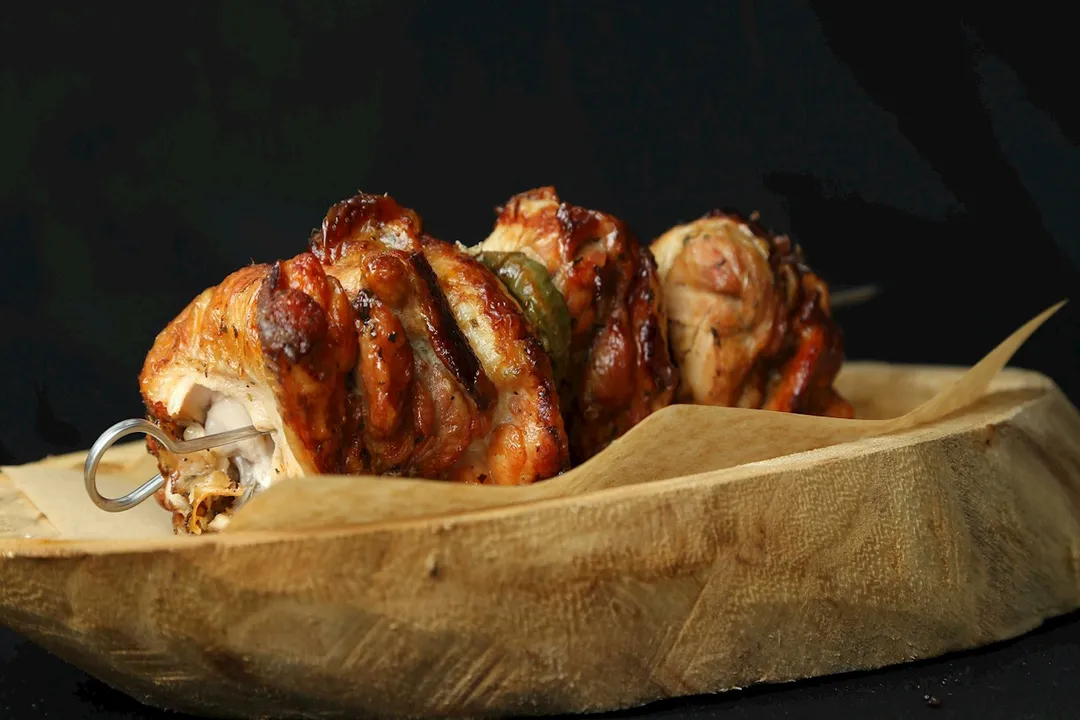
The simplest definition of street food describes ready-to-eat victuals or drinks sold by a vendor in public spaces, such as a market, fair, or directly on the street. These vendors often operate from food carts, portable booths, or food trucks, with the primary purpose of immediate consumption. What is fascinating is the sheer scale: a 2007 study by the Food and Agriculture Organization suggested that a staggering 2.5 billion people consume street food every single day. While many dishes become globally recognized, the authentic street food experience remains intensely local, varying greatly across cultures and regions.
# Global Staple
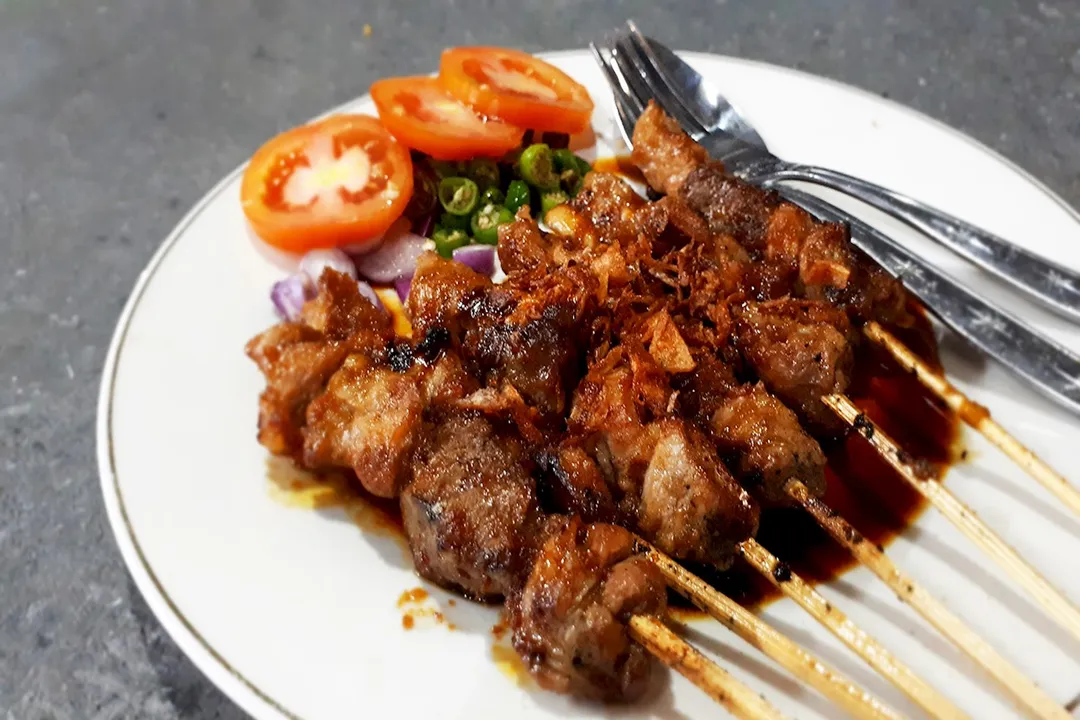
For many travelers, the pursuit of these local culinary gems becomes the map for their entire trip. The active search for a regional specialty—be it a taco, a dumpling, or a savory curry—often serves as a mission that leads explorers away from well-trodden tourist paths and into everyday neighborhoods. This quest provides an immediate, unfiltered immersion; one often shares a communal table with local residents, making street food a truly democratic space. It is a way to engage with people outside of typical service industry interactions and observe cooking magic firsthand, often made with surprisingly simple tools.
Noticing the heavy prevalence of dough-based street foods across continents—from the Arepa in Colombia to the Langos in Hungary and the Puri in India—suggests that street food evolution often anchors itself to easily portable, cheap grain bases. In regions relying on corn, like parts of Latin America with their arepas and tlayudas, the staple is ground maize, while wheat flour dominates portable fare in Europe and the Middle East with items like the Turkish Döner or Hungarian Lángos. This divergence highlights how fundamental agricultural staples dictate the very structure of on-the-go eating globally.
# Asia Variety
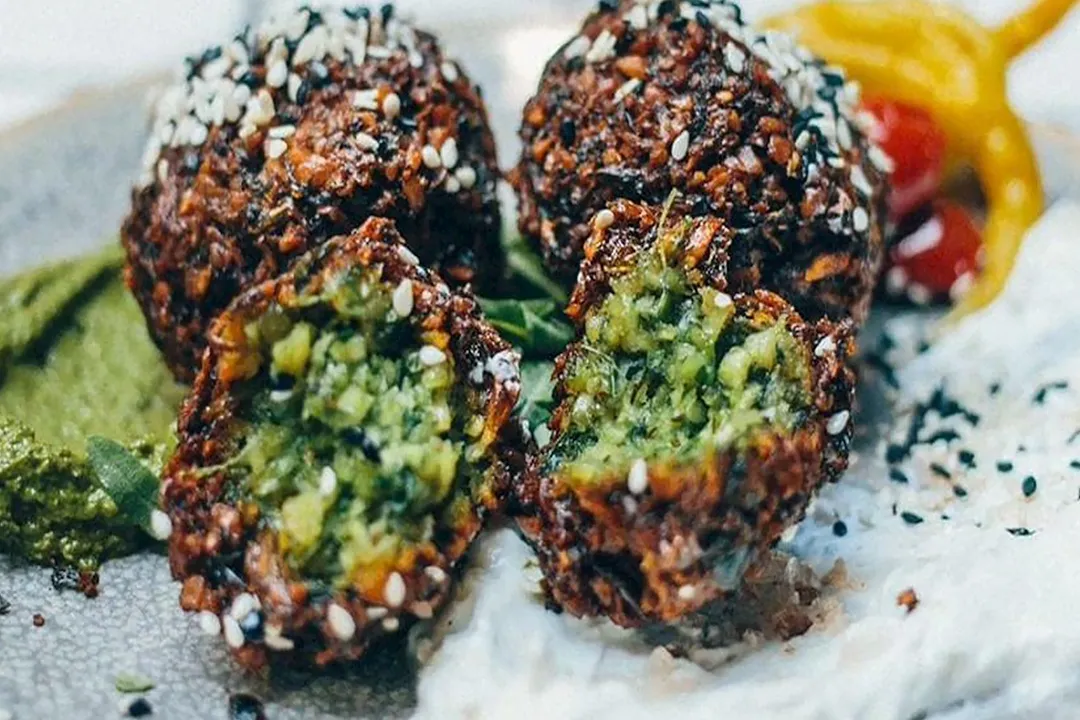
Nowhere is the diversity more apparent than in Asia, which offers both snacks and hearty, soup-based meals. Thailand, for instance, is frequently cited as a street food love affair for many travelers, offering everything from savory shrimp red curry served street-side to the sweet and sticky Mango Sticky Rice dessert. In Vietnam, the Bánh mì, a sandwich built on an airy baguette-like bread, is a global favorite, often filled with roasted pork belly (heo quay) alongside pâté, fresh herbs, and pickled vegetables. Meanwhile, just down the road in Singapore, the culinary melting pot manifests in dishes like Hainanese Chicken Rice or Char kway teow, flat rice noodles stir-fried rapidly over high heat.
China showcases its variety through dumplings like Jiaozi, which can be steamed, boiled, or pan-fried (Guotie or potstickers). Further south, Hong Kong offers the uniquely textured Egg Waffle, a fluffy treat cooked between semi-spherical plates. Moving west into the Himalayas, Nepal serves Momos, steamed or fried dumplings often enjoyed after a trek. Myanmar offers Mohinga, a distinctive hot and sour fish-based soup served with rice vermicelli, typically eaten for breakfast. Even sweets find their place, such as Jordan’s Knafeh, a decadent dessert featuring gooey white cheese, semolina, and sweet syrup, proving street food isn't exclusively savory.

# Europe Grills Skewers

European street food often features grilled meats and robust baked goods. In Greece, skewers of marinated meat, Kontosouvli, are beloved, though the lighter, vertically roasted Gyro meat wrapped in pita is perhaps more common on the go. Germany presents the globally familiar Döner Kebab, often served in a wrap (Dürüm), and the iconic Currywurst—a fried pork sausage drenched in curry ketchup.
Eastern Europe has its own celebrated contributions. Bosnia and Herzegovina offers Ćevapi, small logs of grilled minced meat served in flatbread, traditionally accompanied by onions and kajmak, a thick cream that some mistake for a soft cheese. Hungary offers the easily addictive Lángos, a deep-fried flatbread often smothered in sour cream and cheese. While Italy is known for refined dining, Naples offers the Cuoppo Napoletano, a paper cone filled with fritto misto—lightly fried fresh seafood or vegetables. Furthermore, Portugal’s Pastel de Nata, a creamy custard tart with a flaky crust, demonstrates that the continent’s street offerings include indispensable pastries enjoyed with a local espresso, or bica.
# Latin Pockets
The street food scene across Latin America relies heavily on corn-based foundations, molded into countless portable shapes. Argentina is famous for its savory Empanadas, though the best ones, travelers note, come from the Salta region. Neighboring Bolivia offers Salteñas, which are similar to empanadas but distinguished by a slightly sweet, baked crust, often filled with meat, egg, and olive, with spice levels ranging from sweet to fiery.
Mexico is a powerhouse of this format. Beyond ubiquitous tacos, Oaxaca is renowned for the Tlayuda, a massive, semi-dried tortilla layered with beans, cheese, and meat, which can be served flat or folded like a giant, pliable pizza. In El Salvador, the quintessential snack is the Pupusa, a thick corn tortilla stuffed with cheese, beans, or pork rinds, served with curtido (pickled cabbage relish). Peru, which many cite as a culinary highlight, offers exquisite Ceviche—fresh raw fish cured in citrus juice—often enjoyed with a side of popcorn. Interestingly, the Anticuchos de corazon (marinated beef heart skewers) also rank highly, traditionally served with boiled potatoes.
# North Africa Middle East
The culinary traditions of the Middle East and North Africa offer rich, spiced handheld items and slow-cooked specialties. The most famous iteration is the chickpea (or fava bean) fritter, Falafel. In Egypt, the version known as Taameya specifically uses fava beans, resulting in a lighter, fluffier texture than its chickpea counterparts. These are frequently stuffed into pita bread with pickled vegetables and tahini.
Further west in Algeria and Morocco, vendors sell Karantika (or Calienté), a simple, comforting dish made from chickpea flour batter baked until it has a crisp top but remains creamy inside. This is often served tucked into crusty bread. In the Levant region, meats cooked on a vertical rotisserie, like Shawarma, are wrapped in flatbread with sauces and vegetables. For those seeking something purely sweet, Jordan offers Knafeh, a dessert that proves street food can be decadent, pairing warm, gooey cheese with a semolina crust soaked in sweet syrup.
# Local Focus Unique
While global travel illuminates shared traditions like skewers and dumplings, some foods remain distinctively rooted in a single locale or small region. South Africa boasts Bunny Chow, a curious but hearty dish consisting of a hollowed-out loaf of white bread filled with curry, thought to have originated as an easy-to-carry lunch for plantation workers in Durban. In the Caribbean, St. Maarten/St. Martin offers Johnny Cakes, fried cornmeal snacks often split open to form a sandwich, such as one filled with salt fish.
The United States, while having many international imports, also features its own distinct street-side offerings, including the Corn Dog (a hot dog on a stick dipped in cornmeal batter and fried) and regional creations like the Breakfast Burrito from the Southwest. Even within fusion, specific local takes arise, such as the Korean Taco blending Korean bulgogi with Mexican tortillas, popular in North America.
It’s worth noting that while TasteAtlas ranks the dish itself based on audience ratings, the traveler accounts consistently emphasize that the experience of the transaction—the immediacy, the connection with the cook, and the ability to customize or simply point at what you want when language fails—is what truly elevates many street foods from mere sustenance to indelible cultural memory. Observing a dish prepared quickly from basic ingredients, such as witnessing the mastery of turning Takoyaki (octopus balls) in their molded pan in Japan, teaches a valuable lesson in culinary economy and flair. This closeness to the action, whether watching a hopper pancake cook in Sri Lanka or a tlayuda grilling in Oaxaca, is the added ingredient that restaurant dining rarely provides. The global landscape of street food, therefore, is less about a definitive ranking and more about the personal adventure each cart or stall promises. [1][3]
Related Questions
#Citations
List of street foods - Wikipedia
50 Best Street Foods Around the World - Uncornered Market
Top 100 Street Food in the World - TasteAtlas