Why is Prosecco better than wine?
Prosecco holds a unique, effervescent place in the modern drinking landscape, often seen as the default choice for celebratory bubbles or a light afternoon refreshment. While the notion of one beverage being universally "better" than another is subjective—especially when comparing an entire category of wine against a single style—Prosecco certainly possesses a set of compelling characteristics that explain its massive, sustained popularity and why many consumers actively choose it over other wines, including its more famous French cousin. The key to its success lies in its origin, its production method, its inherent flavor profile, and its exceptional value proposition.
# Italian Terroir
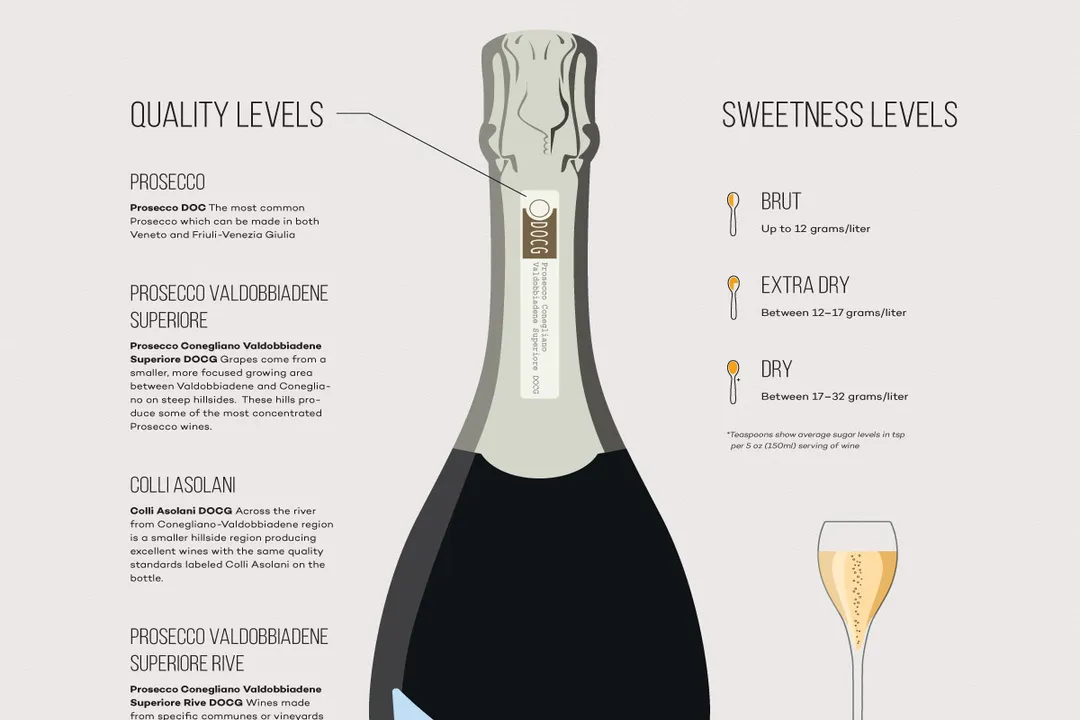
The very definition of Prosecco anchors it to a specific, protected slice of the world, giving it an immutable sense of place that many other wines lack immediate traceability to. True Prosecco is not a style made everywhere; it must hail exclusively from select provinces in northeastern Italy, specifically spanning the Veneto and Friuli Venezia Giulia regions. This adherence to geography is formalized through quality control designations. The broadest category is Prosecco DOC, which covers a much larger growing zone where grape yields can be more flexible.
However, the apex of quality resides within the Denominazione di Origine Controllata e Garantita (DOCG) areas, which are subject to Italy’s strictest regulations. The most celebrated of these is the Conegliano Valdobbiadene Superiore DOCG zone, a classic growing area nestled on the hills between the towns of Conegliano and Valdobbiadene in the province of Treviso. In this specific, UNESCO World Heritage-listed landscape, grapes must be grown on hillside vineyards, which naturally restricts yields compared to the flatter lands allowed under the DOC rules. Even more exclusive is the Valdobbiadene Superiore di Cartizze DOCG, a tiny micro-region revered for producing wines showing greater depth, vibrant acidity, and lifted aromatics. This geographically restricted, quality-controlled production provides a baseline assurance of character that appeals to drinkers seeking authenticity and regional identity.
# Method and Mousse
The fundamental difference between Prosecco and wines like Champagne lies in how the crucial second fermentation—the process that creates the bubbles—is managed. Prosecco primarily utilizes the Charmat Method, or the Italian method, where the second fermentation occurs in large, pressurized steel tanks before the wine is filtered and bottled. This process is inherently quicker and more cost-effective than the méthode Champenoise used for Champagne, where refermentation happens inside every single bottle.
The impact on the final product is significant. Because the Charmat method focuses on preserving the primary aromatic qualities of the grape rather than creating secondary, yeasty complexity, the resulting bubbles tend to be lively but gentler than the persistent, fine mousse found in traditional method sparkling wines. While Champagne develops signature notes of brioche, toast, or nuts from extended contact with the spent yeast cells (lees) inside the bottle, Prosecco champions freshness. For the consumer prioritizing immediate drinkability and vibrant fruit, this method is an advantage, allowing the wine to be enjoyed young and fresh without the need for extended aging.
Yet, the conversation isn't purely black and white. A small but dedicated movement exists where Prosecco producers employ the col fondo technique—a return to older customs where the lees are intentionally left in the bottle, leading to sediment. These wines offer a "wilder" profile with increased texture, appealing to those who appreciate the complexity traditionally associated with bottle-aged sparkling wines, but from an Italian base.

# Flavor Profile
The character of Prosecco is largely defined by the Glera grape, which must constitute at least 85% of the blend for a wine to legally carry the name. Glera is prized for its moderate acidity and a distinct aromatic profile centered around orchard fruits and white flowers. When you open a typical Prosecco, you are immediately greeted with notes of green apple, pear, and sometimes citrus or honeysuckle.
This fruit-forward nature is a major draw. Even when labeled Brut, the driest style, the intensity of the Glera fruit can make the wine seem sweeter than it actually is when compared to a leaner, less fruit-driven sparkling wine. This inherent fruitiness, balanced by lively acidity, makes it exceptionally quaffable. For consumers moving away from sweeter or less expressive still wines toward something bubbly, Prosecco delivers an immediate, crowd-pleasing flavor payoff that requires no lengthy analysis to appreciate. While traditional method wines often demand a palate accustomed to autolytic (yeasty) characteristics, Prosecco offers immediate, unadulterated fruit joy.
The range of sweetness levels allows for broad appeal. Prosecco DOC offers Brut (driest), Extra Dry, Dry, and Demi-Sec (sweetest), while the Superiore DOCG typically omits the sweetest level. For many, the Extra Dry style—which carries slightly more residual sugar than Brut—strikes the perfect chord, offering a pleasing balance of fruit, tingly acidity, and a whisper of sweetness.
# Economic Accessibility
One of the most significant, pragmatic arguments for Prosecco's dominance in certain markets is its price structure. Because the Charmat production method is less labor-intensive and faster than the traditional method, Prosecco can be offered to consumers at a significantly more accessible price point.
This translates directly into its function as a social lubricant. It is the beverage you can afford to have open on the table for guests or bring two bottles to a gathering without concern. While connoisseurs might argue that higher-end expressions of other sparkling wines like Cava or Crémant offer superior quality for a slight price increase, the average consumer often finds that at the low end—the 15 bracket—Prosecco delivers a consistently pleasant experience labeled with a recognizable, "exotic" Italian name. This positions it as the go-to choice for conviviality—the fun of having bubbles readily available for any occasion. If we consider the sheer volume of immediate celebratory needs met per dollar spent, Prosecco provides an unmatched return on investment for effortless enjoyment.

# Culinary Companionship
Prosecco’s reputation is rooted in its role as the quintessential Italian aperitivo, the drink enjoyed before a meal to stimulate the appetite. Its light, fresh styles are perfectly suited for starting an evening or pairing with light snacks. This attribute alone makes it a superior choice to heavier, more complex wines that might dull the palate before the main course arrives.
However, the versatility of modern Prosecco extends far beyond pre-dinner sips. The key to pairing is often using the bubbles and acidity to cleanse the palate alongside medium-intensity dishes. Its fruit-driven nature is an unexpectedly good foil for spicier cuisines, pairing wonderfully with the complex flavors of Thai, Vietnamese, and Hong Kong-style dishes. Furthermore, its ability to cut through richness makes it ideal for salty, oily, or fried foods such as arancini or fritto misto. Even the brut versions can hold their own against seafood pastas or simple pizza, while the richer, texture-forward Col Fondo expressions have successfully been paired with heartier fare like grilled pork ribs, demonstrating a surprising capacity to contrast with heavier flavors. This adaptability means a single bottle can transition from the welcome drink to pairing with several different appetizers or the main course, a flexibility not always afforded by more rigidly structured wines.
# Perceived Wellness Angle
In the contemporary search for moderation, Prosecco has found an advantage in its perceived comparison against other common alcoholic choices, namely beer. When looking strictly at carbohydrates, Prosecco often shines. A standard 5-ounce serving of Prosecco typically contains only about 1 to 2 grams of carbohydrates, whereas a typical beer can range from 10 to 20 grams. Even though the sugar content in both might be low after fermentation, the low carbohydrate count in Prosecco is a distinct benefit for those monitoring that specific dietary intake.
Furthermore, like other wines, Prosecco contains polyphenols derived from the grapes, which are recognized for their antioxidant properties, potentially benefiting heart health, improving circulation, and aiding in memory function. While all alcohol contains "empty calories" that offer no nutritional value, the generally lower overall carbohydrate load in a single glass compared to many beers gives some consumers the perception of making a lighter choice, provided consumption is kept in check. A typical 125ml glass contains around 1.5 units of alcohol, aligning with general guidelines for moderate consumption, though consumers must remain aware that the calorie count, derived from both alcohol and residual sugar, still contributes to daily intake.
# The Sommelier's Perspective and Originality
While its mass-market success is undeniable, even wine professionals acknowledge the unique position Prosecco occupies. Many experienced tasters note that someone truly seeking the nuanced, toasty complexity of Champagne would choose that wine, recognizing they are fundamentally different beverages, not substitutes. Prosecco’s value proposition isn't to mimic its French counterpart; rather, it offers an authentic, vibrant expression of the Glera grape via a method designed for immediacy.
Here is a point of reflection on its intrinsic difference: Champagne's traditional method forces a commitment to complexity; the secondary fermentation adds notes that mask the primary fruit character over time. Prosecco, by contrast, is a celebration of what the grape is right now. If your goal is to taste the vibrancy of spring flowers and fresh green apple in a glass today, without waiting years for yeast-derived flavors to develop, Prosecco’s Charmat method is objectively superior for capturing that transient freshness. It is a wine focused on when you drink it, not how long you save it.
Another way to view its advantage is through the lens of regional dedication to style. Unlike some other high-volume sparkling wine appellations where quality producers have sometimes left due to changing reputations, the top tiers of Prosecco, the DOCGs, are actively refining their terroir expressions. The recent introduction of official UGAs (Unità Geografiche Aggiuntive, much like Champagne’s crus) in the Conegliano-Valdobbiadene region shows a dedicated commitment from the top producers to map and highlight specific vineyard excellence, ensuring that the "good Prosecco" remains distinct and exciting for those willing to seek it out beyond the entry-level DOC bottles. This ongoing technical refinement, paired with its accessible nature, creates a powerful dichotomy: a wine that works perfectly for a casual weeknight pour yet possesses an increasingly detailed hierarchy of quality for the dedicated enthusiast.
In essence, Prosecco isn't necessarily "better" than all wine, but it executes its specific mandate—delivering affordable, vibrant, fruit-forward, celebratory bubbles born from a unique Italian heritage—with unmatched efficiency and widespread appeal.
Related Questions
#Citations
11 Reasons to Pop Some (More) Prosecco - Wine Enthusiast
What do you think about Prosecco? Do you think it is worth the hype?
What's Healthier? Beer vs Prosecco Sparkling Wine - SYLTBAR.com
How many units and calories are in prosecco? - Drinkaware
The Prosecco Wine Guide (Drink Better!) | Wine Folly