Is Kaluga caviar better than Beluga caviar?
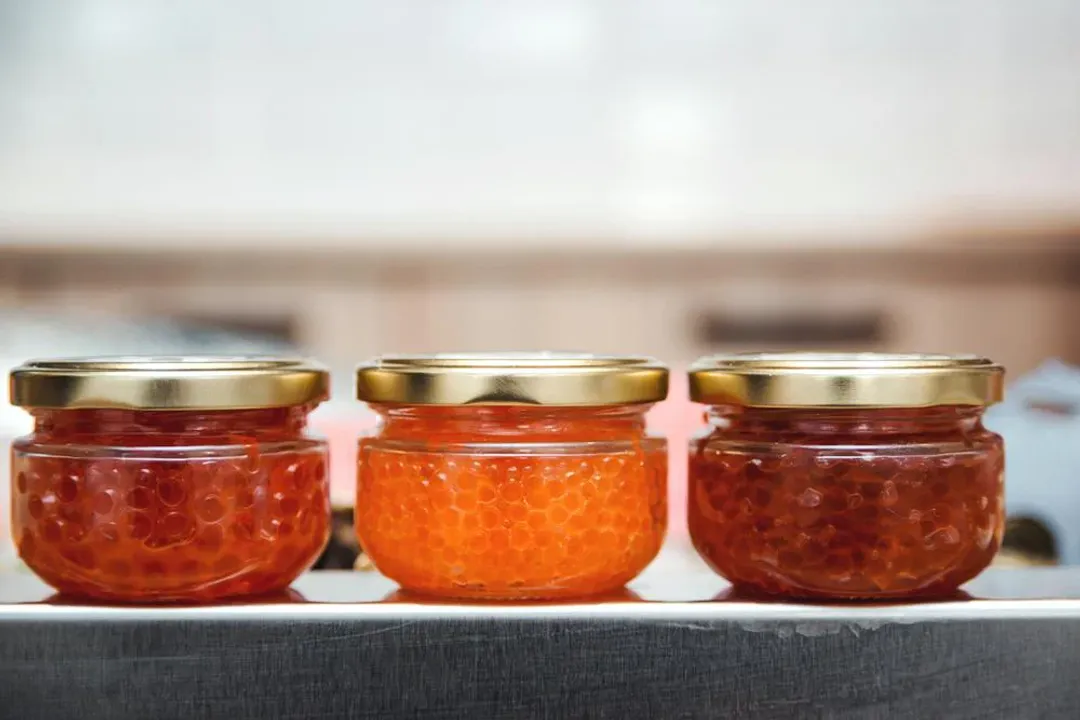
The comparison between Kaluga caviar and the legendary Beluga caviar is central to modern discussions of luxury gastronomy. While Beluga has long held the undisputed title as the world's most famous roe, Kaluga has rapidly established itself as a highly respected contender, often serving as the most viable and ethical replacement for its more restricted counterpart. To determine if one is definitively "better," one must move past reputation and analyze the specific characteristics derived from the sturgeon, the resulting sensory experience, and current market availability.
# Sturgeon Origins
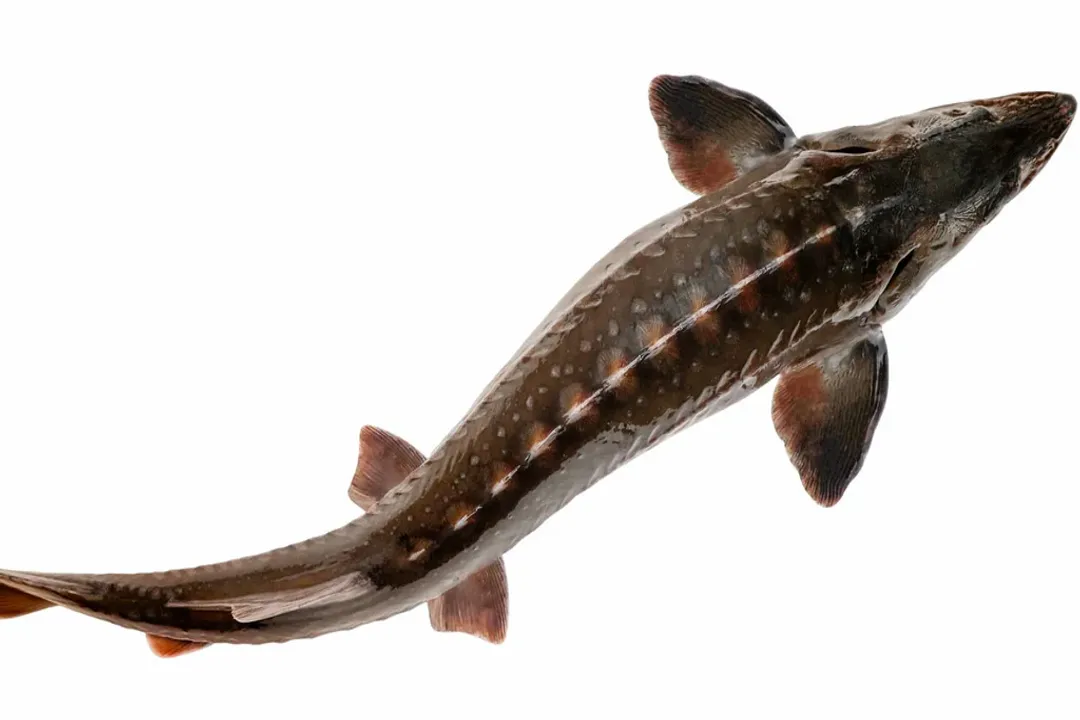
The fundamental difference between these two delicacies is rooted in ichthyology—the types of fish they come from. True Beluga caviar originates from the Huso huso sturgeon, a species renowned for being the largest and slowest to mature globally. This slow maturation process, which can take up to twenty years for the fish to yield its first significant harvest, is a primary driver of its historical scarcity and extreme cost.
In contrast, Kaluga caviar comes from the Huso dauricus sturgeon. While pure Kaluga is also considered critically endangered and highly regulated, the Kaluga available widely today is often a hybrid, frequently crossed with other species like Acipenser Schrenckii or Huso huso (creating Kaluga Hybrid). This focus on sustainable aquaculture, often in controlled environments like those in China, has made farm-raised Kaluga a cornerstone of contemporary high-end caviar service.
# Visual Markers

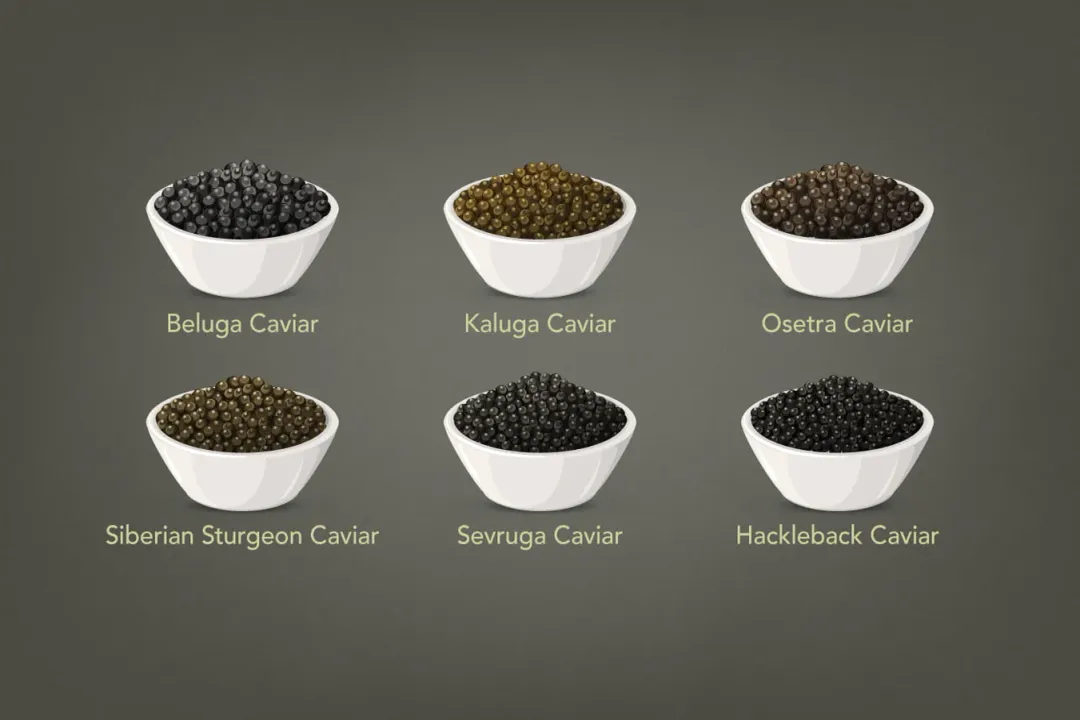
Visually, both caviars project prestige due to the size of their individual beads, placing them firmly in the "large egg" category, unlike the smaller grains of Sevruga.
Beluga is celebrated for having the largest eggs of any sturgeon caviar. The appearance is typically elegant, ranging from pale silver to a rich steel gray. The pearls are known for being notably oversized, soft, and delicate, with a visual refinement that signals elite status.
Kaluga pearls are also large and plump but are slightly smaller than those of true Beluga. The coloration on Kaluga is generally warmer and deeper, presenting as deep grey, charcoal, or even warm brown, sometimes featuring hints of olive green. These eggs are described as robust and well-defined, possessing a noticeable gloss or sheen. For the home gourmet, the structural difference in the egg means that a high-grade Kaluga Hybrid often maintains its pristine plating appearance better during transport and service than the ultra-fragile Beluga.

# Palate Differences
The distinction in flavor profile is perhaps the most crucial factor when deciding between these two titans of the caviar world.
Beluga is revered for its subtlety. Its flavor is clean, mild, and exceptionally refined, often described as having very low perceived salinity. Tasting notes lean heavily toward fresh butter, sweet cream, and a gentle marine essence that finishes smoothly without any harshness or aggressive brine. It is the epitome of buttery delicacy, demanding attention because of its restraint.
Kaluga, while also buttery, offers a richer and more immediate expression of flavor. It carries a slightly sweeter, warming finish alongside its buttery depth. Critically, Kaluga possesses a more noticeable, yet still controlled, oceanic note and deeper umami characteristics, sometimes even exhibiting earthy undertones. Where Beluga offers a whisper of elegance, Kaluga provides a more immediate, full-bodied satisfaction that stands up well to accompaniments.
# Mouthfeel Breakdown
Texture is an immediate indicator of quality, and here, the difference between the two is distinct, often leading consumers to prefer one over the other based on preference for "melt" versus "pop."
Beluga texture is characterized by exceptional softness. The membrane is thin and fragile, causing the egg to dissolve almost instantly upon contact with the palate, releasing its creamy interior in a fleeting, elegant experience.
Kaluga provides a balance between structure and softness that many find highly appealing. While it still melts into a smooth, creamy finish—described by some as an ocean-flavored butter mousse—it retains a slightly firmer structure and a pronounced pop before dissolving. This balance makes the experience less ephemeral than Beluga, giving the palate something to engage with momentarily before the creamy richness takes over.

# Market Reality
In contemporary commerce, the conversation shifts dramatically from sensory attributes to legality and accessibility.
True, wild Beluga caviar is heavily restricted under CITES regulations, and its import into markets like the United States has been banned for conservation reasons. Any legal Beluga available must come from highly scrutinized, certified aquaculture farms, keeping its supply extremely limited and its price in the absolute highest tier. This positions Beluga as a milestone product for collectors or grand occasions.
Kaluga, especially in its hybrid forms, thrives in the modern farmed environment. Because it is widely farmed, Kaluga is significantly more accessible, leading to more stable and lower pricing relative to Beluga. While still firmly in the luxury range—with some hybrid varieties costing around $$105$ an ounce—it allows for enjoyment by a broader segment of connoisseurs and chefs seeking that large-pearl, buttery profile. This easier availability means that Kaluga Hybrid is frequently chosen by fine dining establishments as an ethical and practical stand-in for the nearly unobtainable original.
If we were to create a simple metric for immediate value versus experience, one might note that while Beluga’s ultra-soft texture demands absolute perfection in handling, Kaluga’s superior structural integrity often translates into a more reliable and predictable product when purchased online and served at home, making it a fantastic choice for those who want a guaranteed rich, buttery experience without the associated scarcity premium. Conversely, if the primary goal is the most restrained, mildest butter flavor achievable—a truly singular, almost neutral elegance—the rarity and cost of legal Beluga might be the necessary price of admission.
# Conclusion
Ultimately, asking if Kaluga caviar is "better" than Beluga caviar is like asking if a finely aged single-malt Scotch is better than a flawless, crystal-clear French vodka; they serve different roles on the palate and at the table.
Choose Beluga when the occasion demands the ultimate symbol of tradition, rarity, and unparalleled softness, and budget is not a consideration. Its flavor profile is one of supreme delicacy and restrained marine notes.
Choose Kaluga when you seek the closest luxurious experience to Beluga—large, buttery pearls with a satisfying texture—but require greater accessibility, a richer flavor profile, and a price point that allows for more frequent enjoyment or larger guest counts. Kaluga delivers exceptional richness and a pleasing, firmer burst, making it the quintessential modern luxury caviar, balancing prestige with practicality. For the everyday epicurean looking to capture that classic, large-pearl, creamy mouthfeel, Kaluga often presents the superior value-to-luxury ratio in today's market.
Related Questions
#Citations
Kaluga Caviar: How is it different from other types?
Kaluga vs. Beluga vs. Osetra: Which Caviar Is Best for You?
Understanding sturgeon caviar types
How does Kaluga caviar compare in flavor and texture to traditional ...
A Comprehensive Guide to the Different Types of Caviar
Beluga vs Kaluga Caviar: Key Differences Explained
Caviar Guide 2025–2026: Beluga vs Kaluga vs Osetra vs Sevruga
Caviar Buying Guide: Which Caviar To Buy | Petrusco Caviar
Types of Caviar: Comparing Taste, Texture, and Price