How much does an average caviar cost?
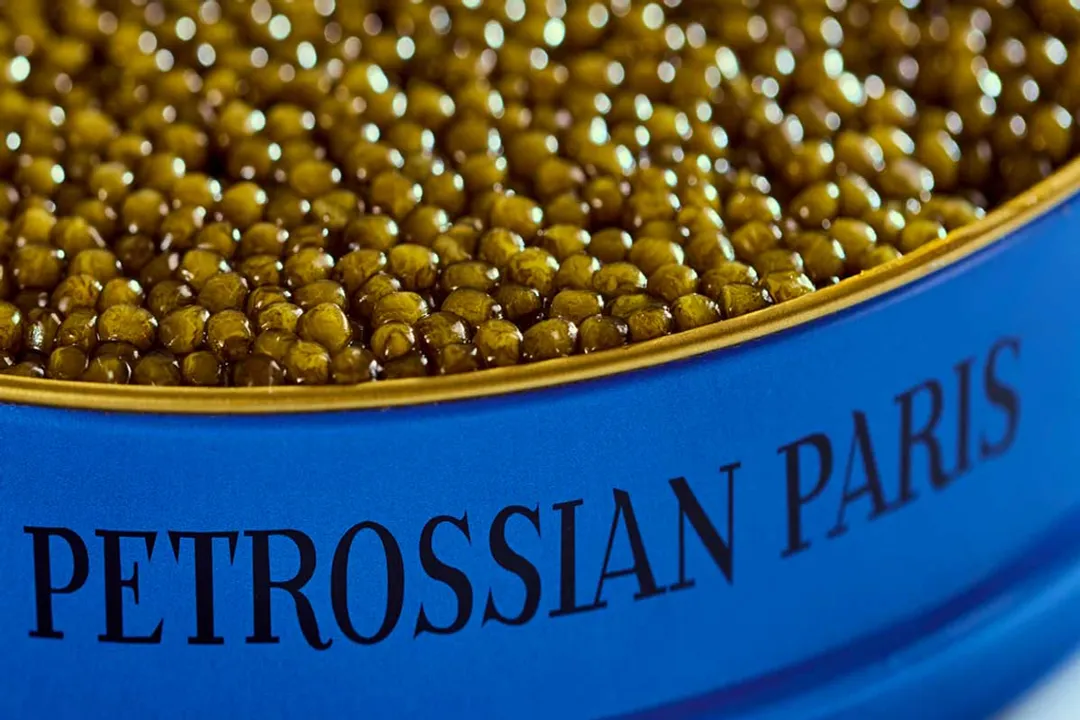
The cost of genuine caviar is often shrouded in mystery, leading many to assume it is an inaccessible luxury reserved for high-profile events. The reality is that the price tag attached to that small tin can span an enormous range, fluctuating dramatically from perhaps fifty dollars for a modest introductory serving to several thousand for the rarest delicacies. [4][5][8] Understanding why the price swings so wildly is key to navigating the market, whether you are seeking a starter taste or aiming for the peak of piscine opulence. [4]
# Price Drivers

The fundamental reason caviar carries such a high price tag relates to the biology of the sturgeon itself and the modern constraints of aquaculture. It takes a very long time—sometimes seven to twenty years—for a female sturgeon to mature enough to produce high-quality eggs suitable for harvesting. [4][8] This long maturation period, combined with intensive care requirements, forms the baseline for the expense. [4]
The single most significant factor influencing the final price point is the species of sturgeon. [4][8] Different species yield eggs with distinct textures, flavors, and colors, which dictate their market value.
- Beluga (Huso huso): Historically the gold standard, true wild Beluga caviar is virtually extinct in legal trade, making the farmed version extremely expensive, often commanding the highest prices. [6]
- Osetra (Acipenser gueldenstaedtii): Highly prized for its nutty flavor and firm texture, Osetra generally sits in the upper-middle to high-price tiers. [4][5]
- Siberian or Baerii (Acipenser baerii): These are often the most accessible, representing a good entry point into true sturgeon caviar due to shorter maturation times compared to Osetra or Beluga. [4][1]
- Kaluga: Often a hybrid, this tends to be larger-grained and priced relative to its Osetra likeness. [3]
The second major factor is the origin and farming method. [4][8] While wild-caught caviar from countries like Russia or Iran used to dominate, today nearly all legally traded caviar is farmed due to international conservation efforts and CITES regulations. [6] Farmed caviar, when produced ethically and sustainably, allows for quality control that wild sources cannot match, but it still requires significant investment in tanks, feed, and monitoring. [4] The quality grading, based on color, size, firmness, and processing expertise, acts as the final tiering system, separating excellent eggs from merely good ones. [8]
# Cost Benchmarks
To give a clearer picture of what "average" means, it is helpful to look at common price divisions based on typical tin sizes, usually measured in ounces or grams. For instance, looking at 30-gram (about 1 ounce) quantities, the market segments roughly into three tiers based on species and quality grade. [1][3][5]
If you were looking to sample good, farm-raised sturgeon roe, you might find Siberian (Baerii) caviar starting around the 100 mark for a small tin. [1][5] This is an approachable price point for someone new to the product who wants to experience true sturgeon flavor without the extreme commitment. [9]
Moving into the mid-range, quality Osetra or perhaps a high-grade Siberian selection often falls between 300 for that same 30g size. [3][5] These options typically offer a significant step up in flavor complexity and texture compared to the entry-level offerings.
The high end involves premium Osetra, specific aged selections, or rarer species like Kaluga, which can push prices well past 500 per ounce. [5][6] If a retailer advertises caviar costing thousands of dollars for a single ounce, you are almost certainly looking at the absolute highest grades of classic Osetra or the highly restricted Almas (a rare, pale Iranian Beluga roe). [5][6]
It is crucial to differentiate these figures from imitation products. What is often sold as "caviar" in large supermarkets or served as a budget garnish—like lumpfish, capelin, or even paddlefish roe—can cost as little as 20 for a similar-sized container. [9] While these offer the salty pop texture, they lack the subtle, complex oceanic flavor profile of true Acipenser sturgeon eggs. [9]
# Entry Point Analysis
For a novice investor in gourmet food, visualizing the cost per gram can frame the decision-making process. If a 30-gram tin of good quality Siberian caviar costs 2.50 per gram. [1] Compare that to a premium 30-gram Osetra tin costing 8.33 per gram. [3] This comparison shows that while the absolute cost difference between introductory and premium tins might seem large ($175 difference in this example), the actual unit price jump represents a threefold increase, reflecting the elevated demand and rarity associated with the higher-tier species. [4]

# Lesser Cost Options
The market does cater to those who appreciate the aesthetic of caviar but cannot justify the expense of sturgeon products. [9] These alternatives, often derived from non-sturgeon fish, provide visual appeal and a salty burst but lack the characteristic buttery or nutty notes of true caviar. [9]
Fish species commonly used for these more budget-friendly options include:
- Lumpfish
- Capelin (often dyed black)
- Whitefish
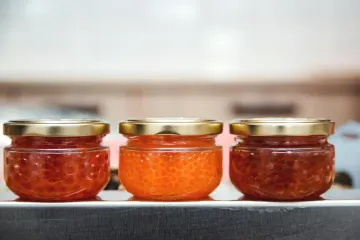
- Salmon (which is sold as salmon roe, or Ikura, and has a much larger, brighter orange egg)
These substitutes are not meant to compete with true sturgeon caviar; rather, they occupy a different segment entirely, serving as excellent garnishes or appetizers when the flavor complexity of sturgeon is not the primary focus. [9] A consumer expecting Siberian Osetra flavor from a $15 lumpfish tin is setting themselves up for disappointment, which highlights why careful label reading is essential when purchasing. [9]
# Quality Versus Quantity
A frequent debate among newcomers is whether to buy one large tin or several smaller ones when trying a new producer or species. Given the delicate nature of caviar, which is highly perishable even when refrigerated properly, purchasing smaller tins is almost always the superior quality assurance strategy. [5]
True caviar loses its peak texture and flavor profile relatively quickly once the vacuum seal is broken, sometimes within days. [5] If you purchase a large 250-gram tin because the per-ounce price is slightly lower, and you cannot consume it all within a week, the remaining roe will begin to degrade, making the overall experience less satisfying and negating any initial bulk savings. [4] Therefore, a better approach for quality exploration is to acquire two or three 10-gram or 30-gram tins from different sources or species, taste them side-by-side, and then commit to the one you preferred most for a larger future purchase. [5] This limits your initial financial risk while maximizing sensory data collection. [4]
# Market Positioning
The price of caviar is also heavily influenced by branding and presentation. [8] Established houses with decades of history, particularly those associated with traditional Russian or Iranian sourcing standards (even if the fish are now farmed globally), command a premium simply due to their name recognition and perceived authority. [6][8] A tin labeled with a prestigious name can cost significantly more than an identical, scientifically equivalent product from an unbranded or newer aquaculture farm. [8]
Consumers should recognize that they are paying for expertise, heritage, and marketing when they select certain established brands. [6] For many enthusiasts, this added layer of history is part of the experience, but for those solely focused on the egg itself, looking past brand names to the species and grade listed on the tin can unlock significant value. [4]
Ultimately, while the upper limits of caviar pricing seem astronomical, a genuinely pleasurable experience with high-quality, farm-raised sturgeon eggs is achievable at a price point well below the five-figure territory. [4][8] Determining your personal "average cost" depends entirely on whether you prioritize species rarity, flavor complexity, or simply the cultural experience of tasting genuine sturgeon roe. [9]
Related Questions
#Citations
Premium Caviar – California Caviar Company
How much should I pay for Good Caviar? Which ...
Caviar Price
How Much is Caviar? The Ultimate Guide to Caviar & Roe ...
Caviar & Roe Collection
Petrossian Caviar | Discover the World's Finest Caviar Online
How much does caviar cost? Expensive delicacy
How Much Is Caviar and Why Is It So Expensive?
What's the difference between $50 and $5000 caviar?