Why do Japanese people eat so much seaweed?
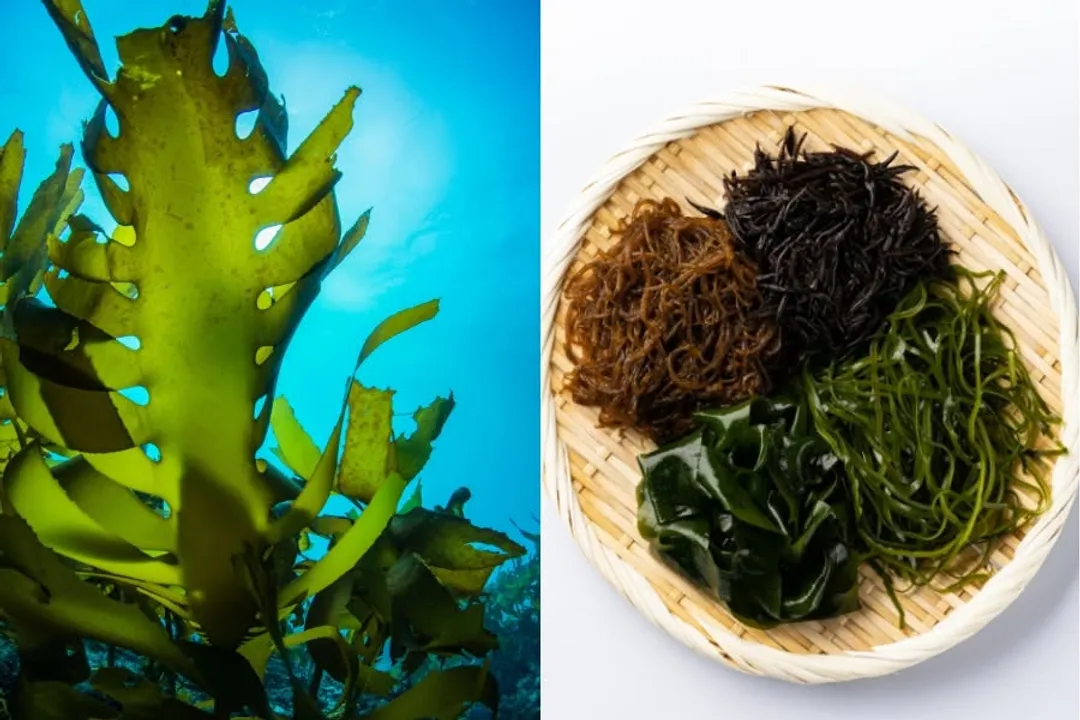
The sheer volume of seaweed consumed daily in Japan often surprises visitors or those observing the cuisine from abroad. It’s not merely a garnish or a niche health food; it’s an interwoven staple, appearing in everything from breakfast miso soup to lunchtime rice balls and evening side dishes. [8][9] To understand this deep integration, one must look beyond simple dietary preference and consider geography, ancient culinary tradition, and even unique biology.
# Island Proximity
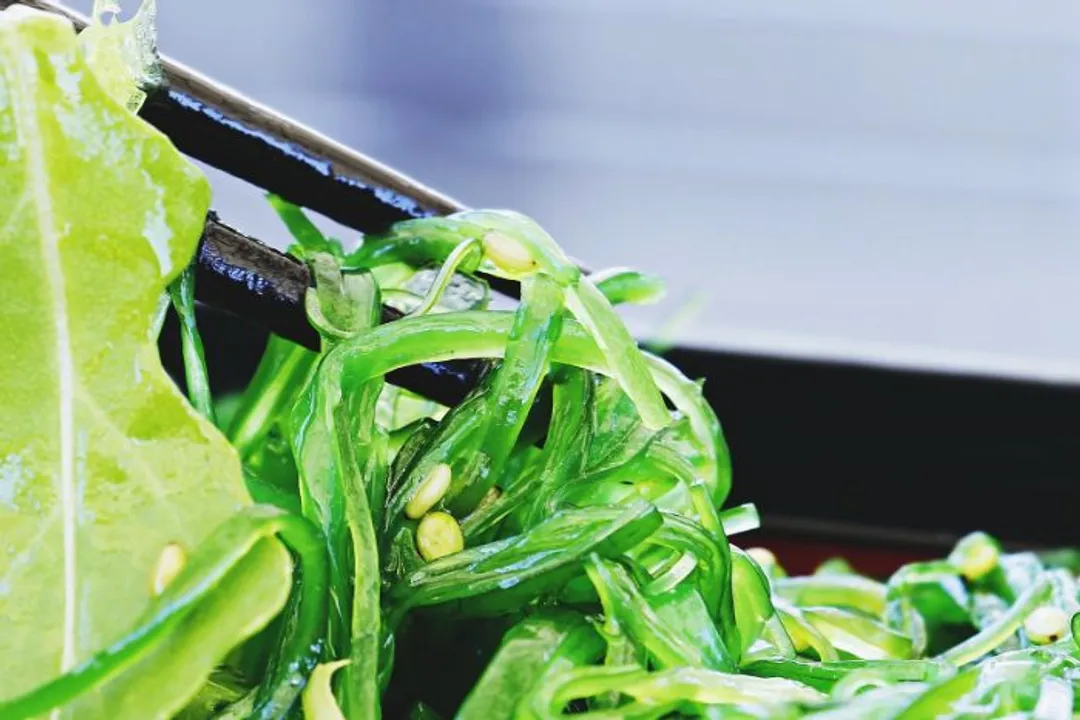
Japan, being an archipelago, has immediate, natural access to the ocean that many other large nations lack. [2] For millennia, life along the coasts meant that edible sea vegetables were readily available resources, often requiring far less effort to gather than tilling difficult terrestrial soil. [2] This inherent availability naturally positioned seaweed as a reliable component of the diet long before modern supply chains existed. In contrast, in places like America, seaweed has historically been viewed as something foreign or relegated to specific ethnic markets, largely because it wasn't an accessible local crop. [2]
# Ancient Roots
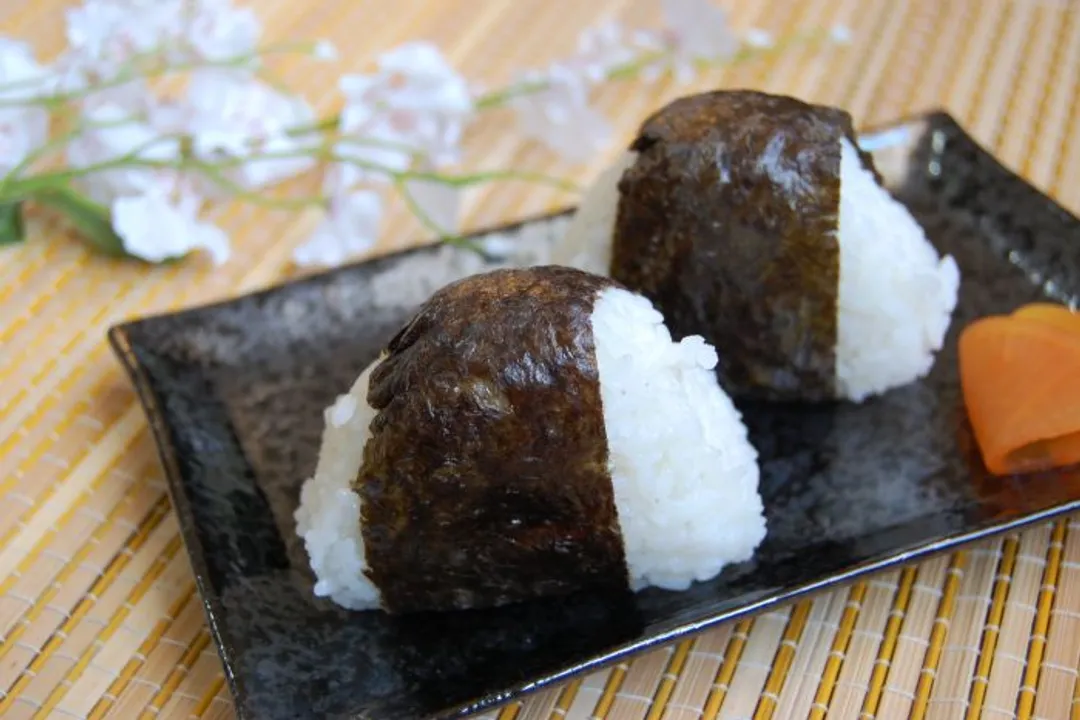
The relationship between the Japanese people and sea vegetables is not new; it boasts a very long history within the nation's culinary narrative. [8] Seaweed has been incorporated into dishes for an extended period, suggesting it moved beyond being a seasonal necessity into the realm of cultural expectation and taste preference. [8] This longevity means that children grow up with the distinct flavors and textures as normal parts of their meals, cementing its place in the culinary landscape. [9]

# Key Varieties
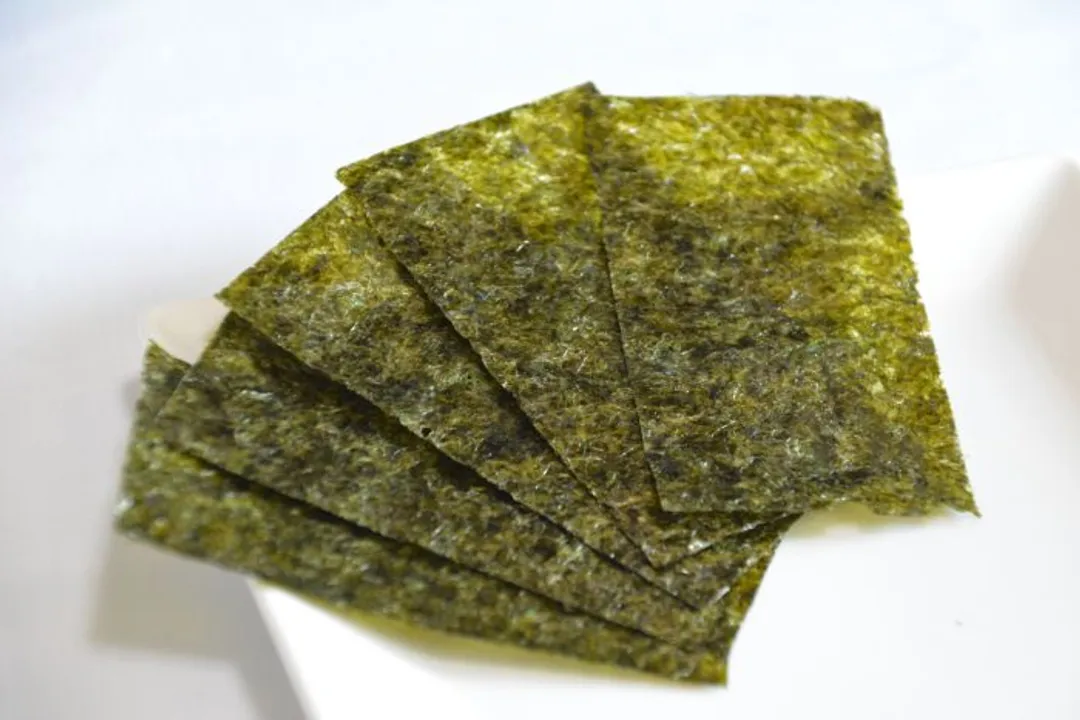
Japanese cuisine utilizes several distinct types of seaweed, each serving a specific purpose, which speaks to their versatility rather than just consuming one type repeatedly. [9]
- Kombu: Perhaps the most foundational, kombu is essential for making dashi, the savory broth stock that forms the backbone of countless Japanese soups and sauces. [9]
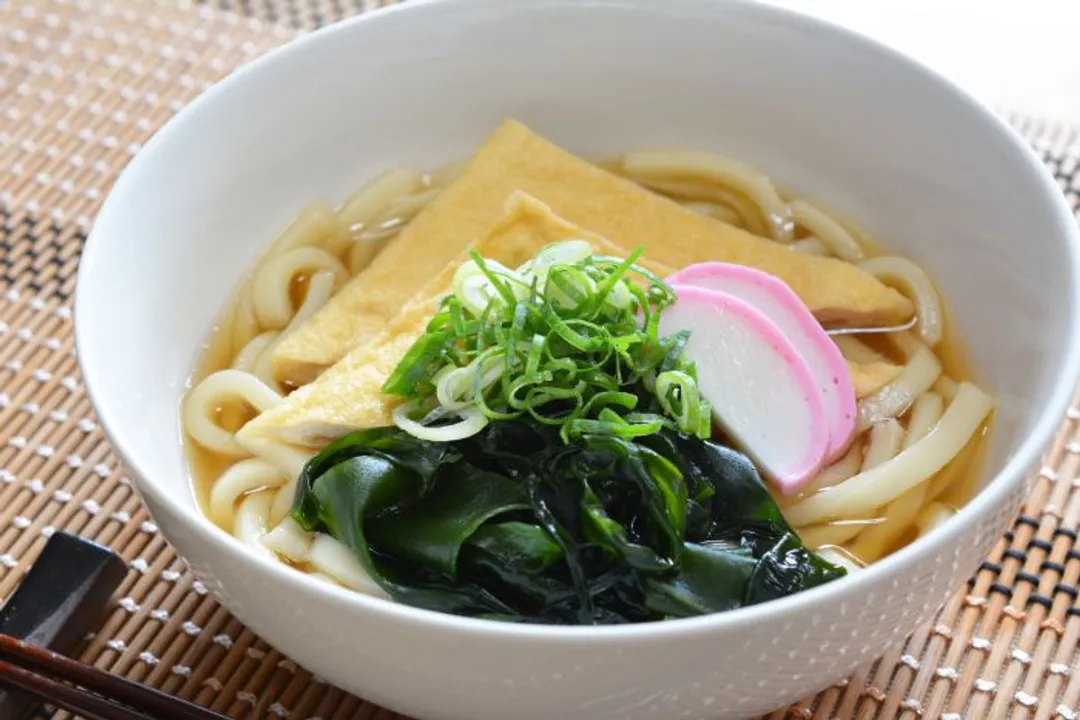
- Wakame: Often found swimming in miso soup, wakame has a delicate texture that softens nicely when rehydrated and cooked. [9]
- Nori: Best known globally as the thin sheets used to wrap sushi rolls, nori can also be crumbled over rice or snacks. [9]
When you consider that one of these varieties, Kombu, is often invisible by the time the meal is served because it has been simmered down to create the primary umami flavor base (dashi), it becomes clear that seaweed contributes far more to the Japanese palate than just the visible green garnish. [9] It functions as a fundamental seasoning agent, much like salt or stock cubes do elsewhere, yet it carries a powerful nutritional profile. [1]
# Gut Health
One of the most fascinating explanations for the high consumption rate relates to human biology—specifically, the gut microbiome. [3][4] Research has suggested that the Japanese population possesses distinct advantages in breaking down certain complex sugars found in seaweed, such as fucoidan, which are difficult for many Western guts to process. [3][4]
This is attributed to specialized bacteria. Studies indicate that certain gut bacteria commonly found in Japanese individuals possess the necessary genetic machinery, specifically a gene called srfA, which allows them to digest these marine polysaccharides that others cannot. [4][5] While someone in America might eat a sheet of nori and experience digestive upset because their system can't effectively break down the compounds, the adaptation present in the Japanese gut microbiome allows for efficient nutrient extraction and digestion. [3][5] This natural ability removes a significant barrier to high consumption, making seaweed a truly beneficial and easily integrated food source rather than a difficult one. [4]

# Essential Nutrients
The practice is also strongly reinforced by the significant nutritional contributions seaweed offers. [1] Seaweeds are remarkably rich sources of essential minerals and vitamins. [1] They are particularly famous for their high content of iodine, an element crucial for proper thyroid function. [1] Furthermore, they supply dietary fiber, iron, calcium, and a range of vitamins, including B12, which can be harder to source in plant-based diets.
When looking at the diet of traditionally healthy, long-lived individuals in Japan, seaweed appears consistently. [6] One nutritionist noted that even today, elders often rely on foods like seaweed for their robust health, and they continue to eat it daily. [6] This observable correlation between high seaweed intake and general well-being reinforces its place in modern nutritional advice, even if the underlying reason for high consumption is historical and biological.
If we were to approximate the mineral density, consider that a small amount of dried seaweed can contain several times the calcium found in milk or the iron found in spinach, ounce for ounce, though the total volume consumed is small. [1] However, because it is consumed daily across multiple meals, the cumulative intake becomes substantial, providing a consistent mineral boost throughout the year. [1]
# Daily Presence
The accessibility and digestibility mean seaweed is naturally woven into the daily routine rather than being reserved for occasional meals. It is a simple, quick addition that adds depth and nutrition without requiring extensive preparation time. [9] Think about how often a typical Western diet includes a simple, quick vegetable addition to a main course that also carries significant iodine and fiber—it is rare. [1]
For instance, one can quickly rehydrate a small quantity of wakame for an instant salad or sprinkle toasted nori flakes over a bowl of rice. [9] This ease of integration contrasts sharply with the American context, where seaweed preparation often requires specific recipes or deep frying (like seaweed snacks) to make it palatable or digestible for a non-adapted gut. [2] The Japanese don't need to fry it or add excessive fat; they can eat it plain or simply rehydrated, trusting their bodies to handle the complex structure. This low-effort, high-reward component—nutritionally and flavor-wise—ensures it stays on the plate across generations.

# Synthesis
Ultimately, the extensive consumption of seaweed in Japan is a perfect example of environmental opportunity meeting cultural necessity and biological luck. The physical environment provided the resource, [2] history integrated it into the core flavor profiles like dashi, [8][9] and a population-wide evolution in gut bacteria made it an easy and effective source of otherwise hard-to-get nutrients. [4][5] This convergence creates a powerful dietary habit that is deeply ingrained, scientifically supported, and practically accessible every day.
Related Questions
#Citations
Seaweed: The Edible Forests of the Ocean - Web-Japan.org
Why is seaweed more popular in Japan than in America? - Quora
TIL that Japanese people can digest seaweed while for the rest of us ...
Japanese Guts Are Made for Sushi | Science | AAAS
Who eats seaweed? Barriers and motivations in Japan versus the ...
Japanese nutritionist: The food robust elders swear by and I eat daily
Why Seaweed Is a Daily Staple in Japan - YouTube
【Seaweed in Japanese dishes 】 Japanese people have a very ...
A Beginner's Guide to Japanese Seaweed - byFood