Why do people cover their heads when eating ortolan?
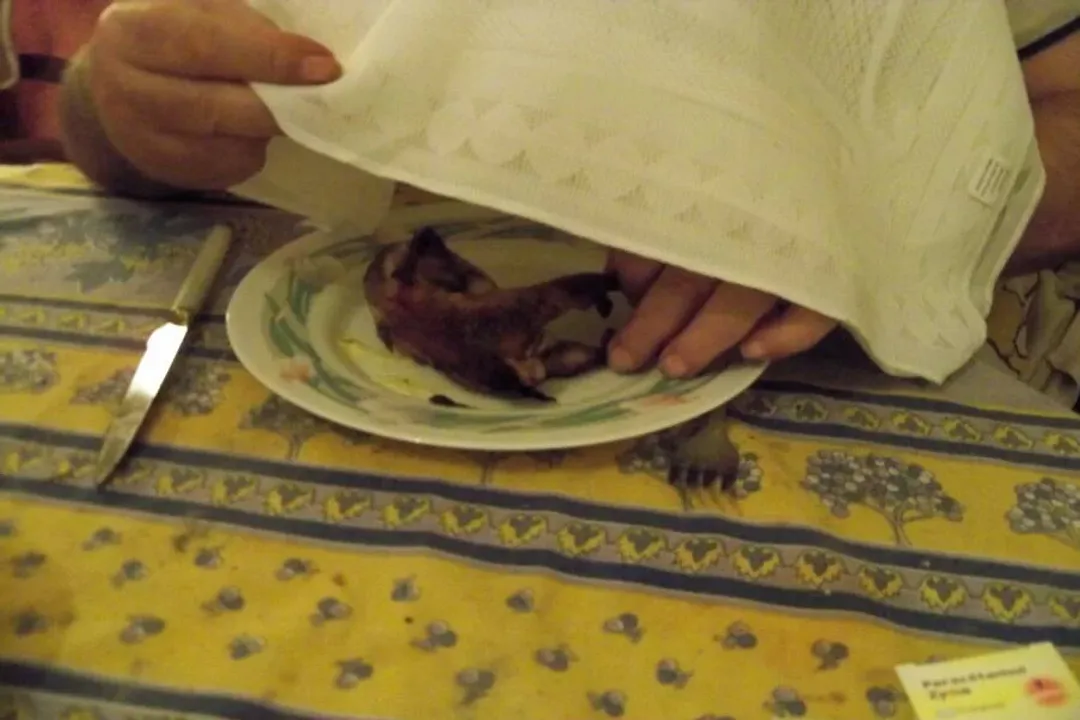
The act of dining often involves subtle social codes, but few culinary rituals are as visually arresting or secretive as that associated with eating the ortolan. A diner at this particular traditional French meal might appear to be engaged in some form of private, perhaps even religious, observance, as a white linen cloth is draped entirely over their head and the plate, obscuring their face from view. [1][2][5] This striking visual is the central mystery surrounding the preparation and consumption of this diminutive songbird, one of the most legendary and controversial dishes in European gastronomy.
# The Bird
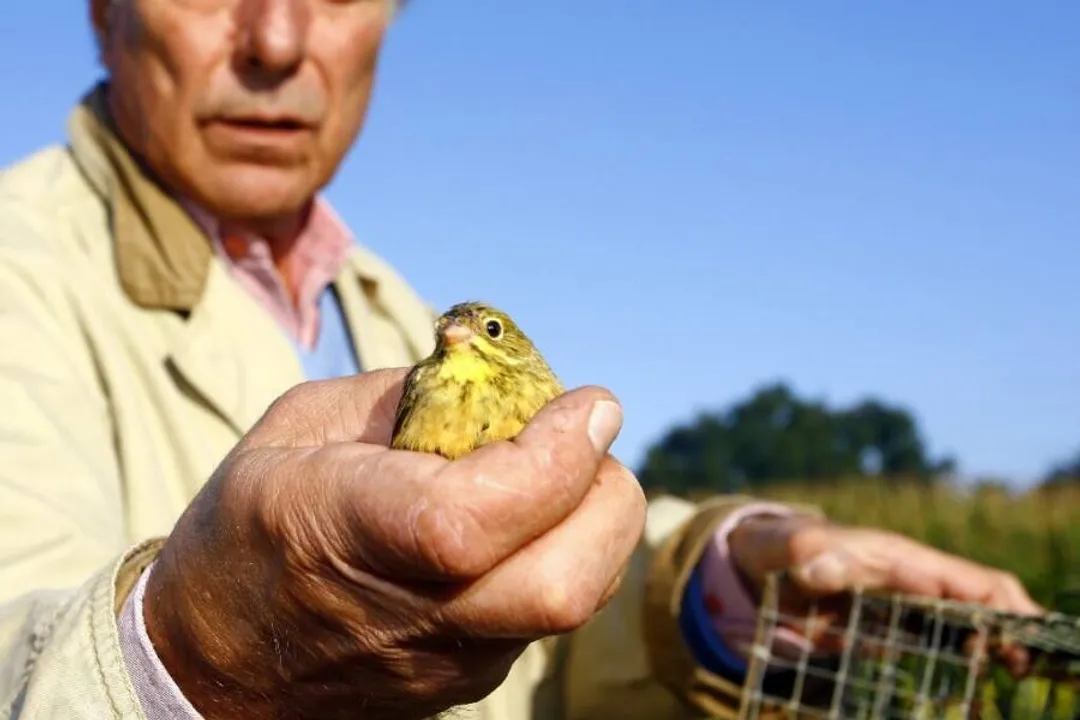
The object of this unusual ceremony is the ortolan bunting (Emberiza hortulana), a small migratory songbird. [3][6] While the tradition is rooted in French cuisine, the bird itself is found across much of Europe and Western Asia. [3] In its natural state, the ortolan is protected, but for the purposes of this dish, it was historically trapped during its migration to warmer climes, often using fine nets. [3] This practice, along with the fattening process, is what brings the dish into direct conflict with modern conservation laws. [3][6]
# Preparation Secrets

The unique flavor profile that supposedly warrants such dramatic presentation is achieved through a lengthy and intensive preparatory phase. Before it reaches the plate, the ortolan undergoes a specific fattening regimen. [3][6] The bird is essentially force-fed, causing it to swell significantly, much like the process used for creating foie gras. [3] Once sufficiently plump, the bird is poached in a bath of spirits, typically Armagnac or Cognac, before being roasted quickly. [3][6] The resulting delicacy is served whole, bones and all, making the subsequent eating process quite unconventional. [3]

# Covering Rationale

The tradition of using a cloth—often a large napkin—to cover the head while consuming the ortolan is motivated by a combination of sensory enhancement and behavioral necessity. [2][5]
# Aroma Capture
One significant driver for draping the cloth is experiential. Because the bird is served whole, retaining the intense aromas released during the quick roasting and soaking in spirits is paramount to the intended gustatory experience. [2][3] The cloth acts as a personal tent, trapping the steam and bouquet right around the diner's nose and mouth. [2][5] This concentrates the fragrant vapors, theoretically maximizing the perception of flavor as the bird is consumed. [3]
# Hiding the Act
A second, perhaps more socially significant reason, relates to the sheer oddity and messiness of the consumption method. The ortolan is meant to be eaten in a single, continuous motion. [3][6] The diner is expected to put the entire bird—head, bones, beak, and all—into their mouth and consume it in one go. [3][5] This process is intrinsically undignified and visually jarring to onlookers. [3] The cloth provides a screen, allowing the consumer to conceal their actions, often described as hiding the sight of the "grisly" or "macabre" nature of completely devouring a tiny skeleton. [3][5] This suggests that the practice is as much about etiquette in the face of the grotesque as it is about flavor enhancement. [7] It is an interesting dichotomy: one motivation aims to heighten a sense—smell—while the other aims to eliminate visual evidence of the act itself. Historically, the shame of eating a creature whole, especially one revered as a songbird, might have been the primary driver, with the aromatic benefit being a happy secondary effect. [2][5]
# The Ritual's Texture

The visual of this ritual is often so stark that it has been described in terms that suggest a kind of intense, private communion with the food, almost like a ritualistic act. [3] One might picture the diner leaning over the plate, completely shrouded in white linen, a stark contrast to the typical open, brightly lit setting of a formal French dinner. [1] The experience demands total focus, shutting out the surroundings to concentrate solely on the small, richly flavored morsel. [2]
Consider the cultural paradox inherent in this practice. In many food traditions, communal eating and the visibility of enjoyment are prized; here, the ultimate act of enjoyment requires total visual isolation. [3] The secrecy enforced by the napkin might not just be about hiding bones; it could also be about guarding a deep, almost guilty, pleasure derived from consuming something now widely considered taboo. [3] The continued, albeit secretive, observance of this ritual, even after its ban, speaks volumes about the power of deep-seated culinary tradition over changing morality or legislation. [3]
# Modern Taboo
Despite its storied place in history, the eating of ortolan is now severely restricted, if not entirely outlawed, in France and across the European Union. [3][6] The European Union listed the ortolan as a protected species, effectively banning the practice due to population decline. [3][6]
| Status Component | Historical Context | Modern Context (EU/France) |
|---|---|---|
| Legality | Traditional, celebrated, legal | Illegal due to protected status [3][6] |
| Acquisition | Trapped via nets during migration | Poaching continues secretly [3] |
| Consumption | Performed openly under a cloth | Performed secretly, often in private [3] |
The persistence of the practice, however, illustrates a common tension in culinary heritage: the clash between preservation and tradition. [3] Reports suggest that despite the prohibitions, the illegal hunting and serving of ortolans still occurs, often arranged with extreme discretion among those who value the tradition above the law. [3] When consumed illegally today, the act of covering the head might carry an added layer of meaning—it conceals not just the messy eating, but the very evidence of a criminal act. [3] This adds a layer of risk and exclusivity to what was once a high-society indulgence. Even figures as prominent as former French President François Mitterrand reportedly requested the dish on his deathbed, underscoring its deep cultural cachet, even as its future grew uncertain. [3]
The entire affair—from the fattening of a protected creature to the final consumption under a shroud—is perhaps the most extreme example of how far culinary devotion can push societal and legal boundaries in pursuit of a singular, intense flavor experience. [2][3] The napkin, therefore, is more than just a tool for aroma; it is a symbol of the dish's controversial, clandestine, and intensely private nature. [5]
Related Questions
#Citations
People eating the traditional French meal of ortolan bunting ... - Reddit
Why This Famous French Dish Is Eaten With A Towel Over Your Head
Ortolan Bunting - Gastro Obscura
Ortolan Bunting A cruel cooking method turns this tiny songbird into
Why Diners Cover Their Heads When Eating This Banned French Dish
Ortolan, The French Delicacy So Delicious It's Sinful
Why Do The French Cover Their Heads While Eating This Tiny Bird?
Why Do the French Cover Their Heads to Eat Ortolan? - YouTube
Why do the French eat ortolans? - Quora