Why don't people eat rabbit meat?
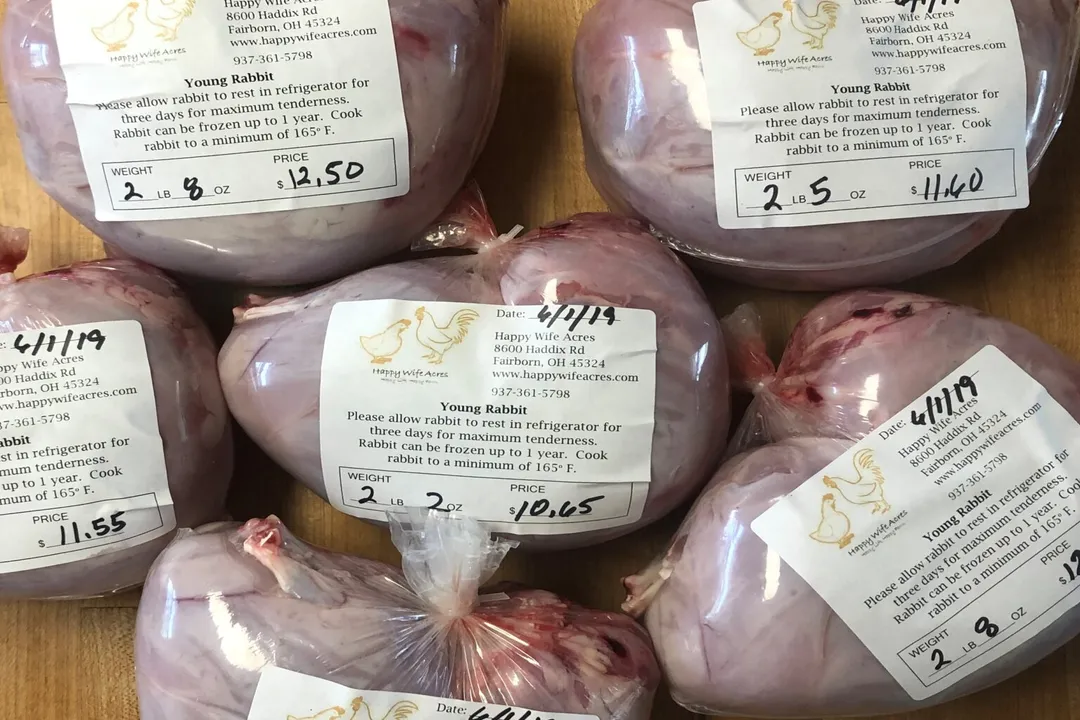
The hesitation surrounding rabbit meat in many Western diets is a fascinating cultural phenomenon, especially when considering that rabbits are abundant and have historically served as a food source for centuries. [2][3] It isn't a single barrier preventing rabbit consumption from reaching the mainstream; rather, it is a combination of psychological hang-ups, commercial inertia, and deeply ingrained cultural norms that have pushed this lean protein to the periphery of the modern marketplace. [1][4] For many people today, the image conjured by the word "rabbit" is not that of a hearty stew ingredient, but rather a fluffy pet or a beloved storybook character. [1][8]
# Pet Perception

One of the most immediate and powerful reasons people avoid rabbit meat stems from the animal's status as a companion animal in contemporary society. [1] In many households, rabbits are beloved pets, frequently kept indoors and treated with affection similar to dogs or cats. [8] This emotional connection creates a significant psychological block when considering them as food. [1][4] When an animal transitions from the field or farm to the living room, the pathway to the dinner plate becomes obstructed by sentimentality. [3]
This modern view contrasts sharply with historical norms. In older times, and in many non-Western cultures today, the distinction between a food animal and a pet was much clearer, or perhaps less strictly applied, based on necessity and availability. [2] We don't generally see this level of emotional dissonance applied to animals raised strictly for consumption, like cattle or chickens, which are rarely integrated into daily family life in the same intimate manner. [4] This disconnect between perception and consumption is a major factor in why rabbit remains an outlier in the average grocery aisle. [1]
# Culinary Familiarity
Beyond the pet factor, familiarity breeds consumption in the food world, and rabbit meat lacks the necessary exposure for widespread acceptance. [4] In most conventional supermarkets across the United States and many parts of Europe, rabbit meat is conspicuously absent from the primary butcher cases. [3] Consumers default to the familiar—beef, chicken, pork—because they know how to prepare them, what they should taste like, and how to purchase them confidently. [1]
When rabbit is available, it often appears in a less accessible format. It is frequently sold frozen or requires a special order from a butcher or a dedicated ethnic market. [3] This lack of convenience is a substantial deterrent for busy home cooks. If a customer must go out of their way, pay a premium, or risk buying a frozen product when they want to prepare a weeknight meal, they are far more likely to choose the readily available, cheaper alternatives. [4] Consider the sheer logistical difference: a standard grocery store carries multiple cuts of poultry and beef daily, whereas finding fresh, local rabbit might require visiting a farmers' market or specialty supplier. This market reality reinforces the idea that rabbit is not a common food item, creating a self-fulfilling prophecy. [3]

# Religious Dietary Laws
Religious and cultural prohibitions also play a significant, though sometimes less obvious, role in limiting consumption. [2] For instance, in Judaism, rabbits are specifically classified as not kosher because while they chew their cud, they do not have fully cloven hooves, failing one of the key requirements for permitted land animals in Leviticus. [6] While the specific interpretations or emphasis of these dietary laws may evolve over time, the resulting exclusion from Jewish dietary practice removes a segment of the population from the consumer base. [6] Similar historical or religious restrictions exist in various other traditions globally, contributing to a mosaic of non-consumption across different communities. [2]
# The Shadow of Starvation
A more technical, yet historically significant, deterrent involves the lean nature of rabbit meat and the risk associated with eating only that protein source: rabbit starvation. [7] Rabbit meat is exceptionally lean, meaning it is very low in fat. [7] Historically, people who relied on rabbit meat exclusively for survival, particularly in times of scarcity or in wilderness survival scenarios, often developed a condition known as protein poisoning or "rabbit starvation". [7]
This condition occurs when a diet consists almost entirely of very lean protein, lacking sufficient fat or carbohydrates to properly metabolize the amino acids. [7] The liver becomes overwhelmed, leading to symptoms like diarrhea, nausea, lethargy, and eventually death, even if the stomach feels full. [7] While this is not a risk for the modern consumer who eats a balanced diet including vegetables, fats, and carbohydrates, the folklore and historical memory surrounding the danger of a rabbit-only diet persist as a warning passed down through generations. [1][7] It’s an ingrained cautionary tale suggesting that rabbit meat is somehow inherently "unhealthy" when not balanced, a perception that lingers long after the survival context has vanished. [7]

# Taste and Preparation Concerns
Many people who have never tried rabbit meat often harbor preconceived notions about its taste or texture, frequently assuming it is gamey, tough, or simply unpleasant. [4] In reality, when properly prepared, rabbit is often described as mild, subtle, and closer to chicken or veal than to other game meats. [5] The flavor profile is quite delicate. [5]
The issue, however, often lies in preparation. Because it is so lean, rabbit can dry out easily if cooked incorrectly, leading to a tough or stringy result, which then reinforces the negative perception. [5] Unlike fattier meats that can withstand a bit of overcooking, rabbit demands a gentler, more thoughtful approach to heat application. [5] Culinary education on how to properly butcher, season, and cook rabbit—whether braised, stewed, or roasted—is lacking for the general public. [4] If the few experiences people have had with rabbit involved poor cooking methods, it solidifies the opinion that the meat is not worth the effort compared to the reliability of familiar fare. [1]
# Commercialization Gaps
The market structure itself seems to favor existing staples over novel proteins like rabbit. [3] The poultry industry, for example, has achieved massive scale through efficient farming and processing techniques, making chicken exceptionally cheap and ubiquitous. [2] Rabbit farming, while possible, has not achieved this level of industrialization for the mass market. [3]
The economics of scale are difficult to overcome. For a protein to become a staple, it needs consistent supply, predictable pricing, and widespread distribution channels. [4] Rabbit operations tend to be smaller, more niche, or focused on local markets. [3] This small scale keeps the per-pound price relatively high compared to bulk chicken or ground beef, placing it in a specialty or gourmet category rather than a daily staple category. [2] This high-price, low-availability cycle keeps it out of the reach or consideration of the average shopper looking for value and convenience. [3]
To put this into perspective, consider that while rabbit is a very efficient meat producer, the infrastructure for rapid, centralized processing and distribution that underpins the modern supermarket has simply not been built out for it in the same way it has for established livestock. [2] The infrastructure development requires significant consumer demand first, creating a classic chicken-and-egg problem where lack of availability dampens demand, and lack of demand prevents industry expansion. [4]

# Morality and Effort
There is a final, more subtle layer involving the perceived effort and morality of raising or procuring the meat. [8] For those who prefer to source their meat ethically or locally, rabbits present a unique set of considerations. [8] They are often viewed as clever and personable, which might cause some hesitation regarding their slaughter. [8] Furthermore, small-scale rabbit farming requires specific knowledge regarding housing and health, which can be a barrier to entry for home producers looking for an easy backyard protein source, especially compared to backyard chickens. [3][8] While many see them as easy to raise, the concentrated nature of their care requirements for optimal meat production might be more effort than an aspiring small-scale farmer is willing to commit when compared to other options. [8]
# A Comparative Look at Alternative Proteins
It is interesting to compare the hurdles facing rabbit meat to those overcome by other meats that were once uncommon but are now standard in many Western diets. For example, while duck or goat meat might still be considered niche in some regions, they have achieved a more normalized status than rabbit, often benefiting from specific ethnic culinary traditions that drove initial sustained demand. [2] Rabbit, in contrast, seems to have fallen into a peculiar cultural gap—not widely integrated into a major ethnic cuisine that fuels mass imports/consumption, and too strongly associated with companionship in the dominant culture. [1] If one were to survey common backyard farming staples, poultry and swine dominate due to quick turnover and established markets. Rabbit’s slower growth cycle, though efficient, doesn't perfectly align with the quick-turnaround expectation set by industrial poultry. [3]
# Moving Forward
For those interested in integrating rabbit into their diet, the pathway forward involves overcoming these cultural and logistical hurdles. [5] It means seeking out recipes that favor slow, moist cooking methods to preserve the delicate texture and recognizing that the mild flavor pairs well with strong herbs and sauces, making it adaptable to various palates. [5] Furthermore, supporting small, local producers who are investing in rabbit farming helps build the necessary economic foundation for wider availability. When purchasing, understanding that the higher price reflects current market scale rather than inherent value, and treating it as a quality substitute for veal or poultry, can shift the consumer mindset. [2][4] The meat itself remains a nutritionally sound choice—high in protein and B vitamins, and low in fat—making the current avoidance purely a matter of perception and market infrastructure. [7]
#Videos
Rabbit Starvation on the Homestead | Should You Be Concerned?
Related Questions
#Citations
Why are rabbits not a preferred source of meat, seeing as they breed ...
Why don't we eat rabbits? - The Straight Dope
Why We Don't Eat Much Rabbit Anymore - Happy Wife Acres
Why do you think rabbit meat isn't more popular? - Quora
We Should All Be Eating More Rabbit - Eater
What is today's Jewish explanation for why rabbit meat is unkosher?
Rabbit starvation: Why you can die even with a stomach full of lean ...
Eating rabbit, -Morality, or just common sense
Rabbit Starvation on the Homestead | Should You Be Concerned?