Is rabbit meat harmful to humans?
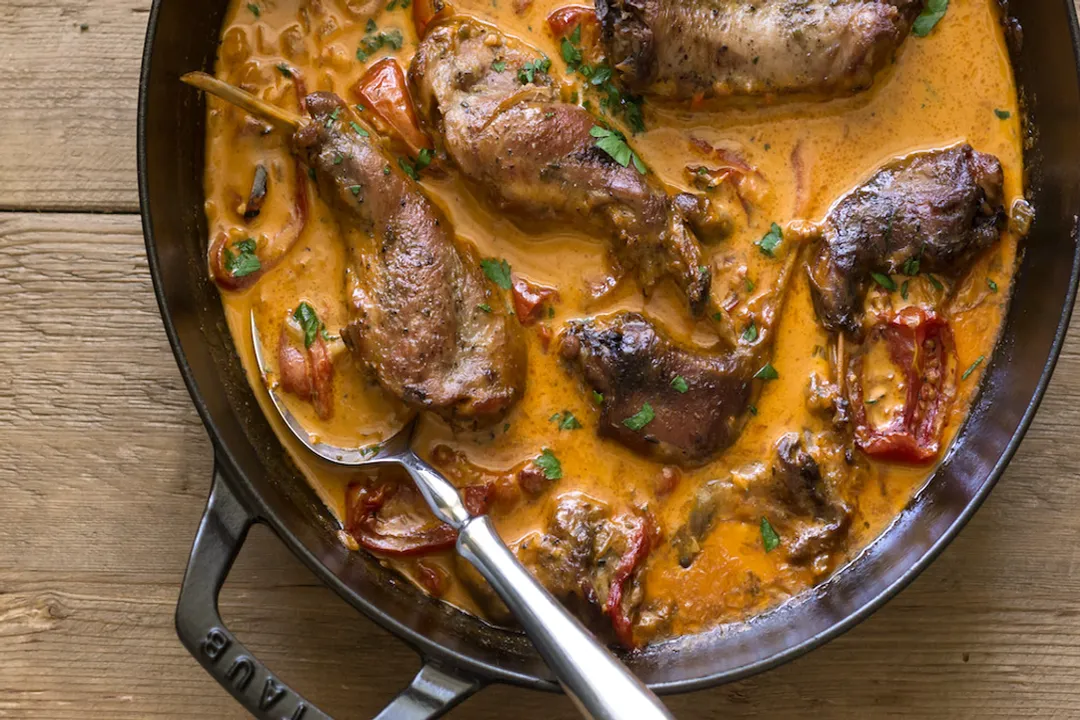
Rabbit meat occupies a unique space in the culinary world; it is both a traditional staple in many cultures and, for others, a source of curiosity or apprehension. When considering its consumption, it’s essential to weigh its notable nutritional advantages against very specific, albeit manageable, health risks that often depend heavily on how the animal was sourced and prepared. [2][5] From a purely dietary standpoint, rabbit offers a compelling profile. It is recognized as a lean source of high-quality protein, often containing less fat than many cuts of chicken or beef, making it attractive for those managing cardiovascular health or seeking low-calorie options. [1][7]
# Lean Nutrition
The composition of rabbit meat is what truly sets it apart in terms of general health merits. It provides significantly more protein per serving compared to beef, pork, or chicken, while simultaneously boasting a lower fat content. [7] Furthermore, it delivers essential vitamins and minerals, including notable amounts of Vitamin B12, which is critical for nerve function and red blood cell formation, as well as phosphorus and iron. [1][7] For someone accustomed to only commercially raised poultry or beef, rabbit is surprisingly mild in flavor, often described as similar to chicken, though perhaps richer, which allows it to integrate easily into familiar recipes. [7] The meat is classified as a white meat. [7]
When you look at the numbers, the comparison becomes clearer. While specific values fluctuate based on the animal's diet and whether the skin is included, farmed rabbit meat generally falls into the category of very low-fat protein sources. [1] Think of it this way: while a typical skinless chicken breast is already quite lean, rabbit often edges it out, providing maximum protein density with minimal saturated fat accumulation. This characteristic is precisely why rabbit has historically been favored in environments where food resources needed to be stretched efficiently, providing maximum fuel for minimal intake.
# Pathogen Concerns
The primary reason people voice concern over eating rabbit meat centers on potential pathogens, especially when dealing with animals taken from the wild rather than those raised in controlled farming environments. [5] Two main infectious threats warrant attention: Tularemia and Trichinellosis.
# Tularemia Risk
Perhaps the most serious risk associated with wild rabbit consumption is Tularemia, commonly known as "rabbit fever". [5][10] This is a highly infectious bacterial disease caused by Francisella tularensis. [5] Infection in humans can occur not just from eating undercooked meat from an infected animal, but also simply from handling the carcass, particularly if the handler has cuts or abrasions on their skin, or if the animal was infected and handled improperly. [5] Symptoms of tularemia can range from skin ulcers and swollen lymph nodes to pneumonia, depending on how the bacteria entered the body. [5] Because this disease is a significant danger associated with wild game, strict hygiene during field dressing and thorough cooking of the meat are non-negotiable precautions for hunters. [5]
# Parasitic Threat
Another, though often more widely known, risk is Trichinellosis, caused by the Trichinella parasite. [10] While commonly associated with undercooked pork or bear meat, rabbits can also carry this parasite if they have consumed infected prey or raw scraps. [5] The danger here is directly related to preparation; if the meat is consumed raw or only partially cooked, the parasitic larvae can survive and mature in the human gut, leading to the illness known as trichinosis. [5][10] The safety measure is straightforward: ensuring the meat reaches a proper internal temperature to kill any potential parasites ensures safety from this specific vector. [5]
# Starvation Risk
Beyond pathogens carried by the animal, there is a physiological danger associated with the nutritional profile of rabbit meat itself, especially if it forms the exclusive basis of the diet for an extended period. This phenomenon is often termed Rabbit Starvation or protein poisoning. [3][9]
Rabbit starvation occurs when an individual consumes a diet consisting almost entirely of very lean protein, like rabbit, without adequate intake of fats, carbohydrates, or other necessary nutrients. [3][9] The human body requires a balance, and when overloaded with protein that lacks sufficient fat or energy sources, the liver and kidneys become overwhelmed processing the excess amino acids. [3]
This is not an issue for someone enjoying a standard, balanced meal featuring rabbit meat alongside vegetables, grains, or some added fats. The danger manifests during extreme survival situations where the only available food source is lean rabbit meat, day after day. [3][4] The initial symptoms can be misleading—nausea, fatigue, and a gnawing hunger that persists even with a full stomach—before progressing to more severe issues like muscle wasting and, if untreated, death. [3][9] This condition serves as a strong reminder that lean is beneficial in moderation, but exclusively lean is physiologically damaging. [4] If you are relying on wild game in a survival scenario, finding any source of fat—animal or plant-based—becomes an urgent necessity to balance the high protein load from the rabbit. [3]
# Safe Preparation
Mitigating the risks associated with rabbit consumption relies almost entirely on two factors: sourcing context and cooking technique. [5]
# Cooking Thoroughly
The most critical step for safety is proper cooking. For any meat, but especially wild-caught game where the history is unknown, the meat must be cooked to an internal temperature sufficient to eliminate potential bacteria or parasites like Trichinella. [5] While specific temperature recommendations can vary slightly by region, aiming for meat that is no longer pink at the center and that has reached a safe holding temperature is the general best practice for ground meat or smaller cuts. [5] If you are cooking a whole rabbit, using a meat thermometer is the best way to verify doneness throughout the thickest parts of the muscle.
# Handling Precautions
If you are hunting or dressing a wild rabbit, the risk of Tularemia transmission necessitates extreme care. [5] It is advisable never to handle a rabbit that appears visibly ill, lethargic, or that died without being shot, as these are potential indicators of disease. [5] Always wear gloves when skinning or field dressing, and take care to wash hands and thoroughly sanitize all cutting surfaces and utensils that came into contact with the raw meat. [5] Even if you are not immediately consuming the meat, these steps prevent environmental contamination and personal exposure.
For those raising rabbits commercially or domestically, the risk of parasitic or bacterial infection from the environment is dramatically reduced, provided the animals are raised on clean feed and water, and housed hygienically. [6] This distinction between farmed and wild rabbit is key to understanding where the greatest dangers lie.
# Contextual Safety
The question of whether rabbit meat is harmful ultimately depends on context: Are you looking at its nutritional value, or its potential exposure to environmental threats? Nutritionally, it is a sound, healthy protein option. [1] Hazard-wise, the risk profile shifts significantly between the woods and the market.
One helpful perspective for home cooks preparing wild rabbit is to embrace low-and-slow cooking methods whenever possible. A long, slow braise or stew, while perhaps not achieving the same searing crust as a quick fry, ensures deep penetration of heat, effectively neutralizing microscopic threats. [5] Moreover, when making stock from the rabbit bones and connective tissues, you are introducing collagen and trace minerals that balance out the ultra-lean muscle meat, providing a more nutritionally rounded base that counteracts the potential issues associated with a diet only composed of the muscle tissue itself. [3] In essence, preparation dictates the risk: a well-handled, fully cooked rabbit is a nutritious meal; an improperly handled, raw, or undercooked one carries serious risk. [5]
Related Questions
#Citations
What Are the Health Benefits of Rabbit Meat? - WebMD
Why shouldn't you eat rabbit? - Animal Club
Rabbit starvation: Why you can die even with a stomach full of lean ...
Is It Unsafe to Eat Rabbits Before the First Frost? | MeatEater Hunting
Rabbit: Safety and Health | Missouri Department of Conservation
Pros and Cons of Rabbit Meat : r/MeatRabbitry - Reddit
Rabbit and Hare - Health and Social Services
Potential and limitations of rabbit meat in maintaining food security ...
Rabbit Starvation: Can "Too Much Protein" Kill You?
Why can eating rabbit kill you? - Quora