Can humans eat fresh alfalfa?
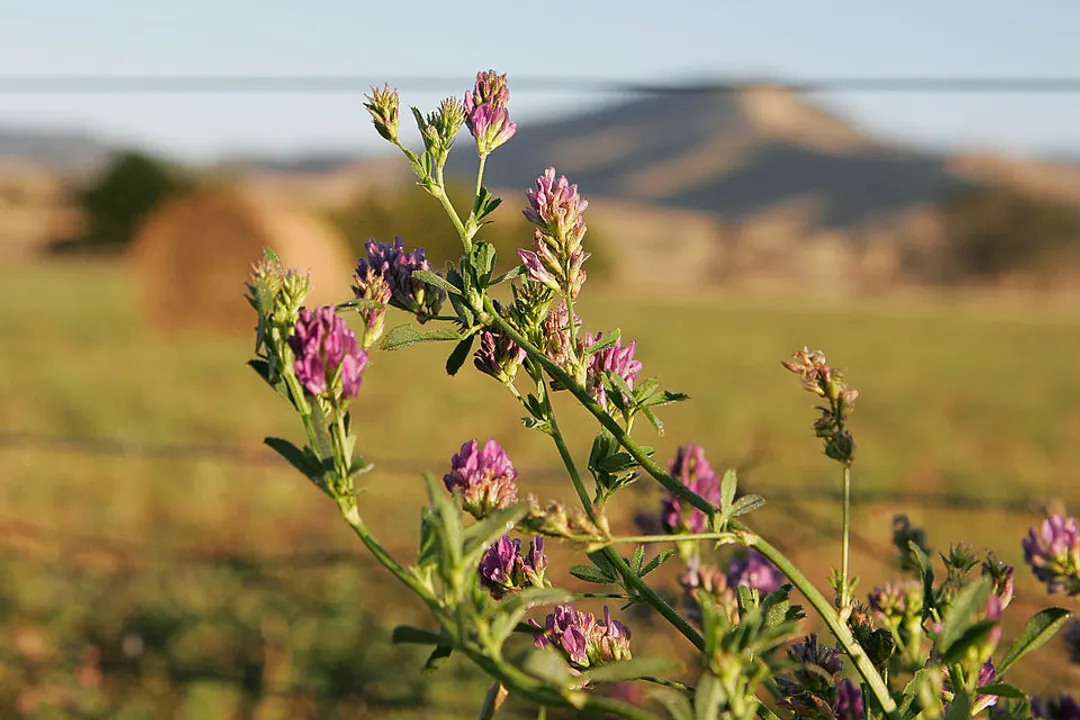
Alfalfa, recognizable by its delicate, clover-like leaves, is often seen garnishing plates in restaurants or tucked into sandwiches, leading many to wonder if these fresh green shoots are just as healthy for humans as they are famous for feeding livestock. The plant, scientifically known as Medicago sativa, has a long history of cultivation, primarily as forage for cattle and other farm animals. However, its application extends into human consumption, typically in the form of raw sprouts. The answer to whether you can eat it fresh involves balancing significant nutritional advantages against some very specific safety considerations, particularly when consuming it raw.
# Nutritional Snapshot
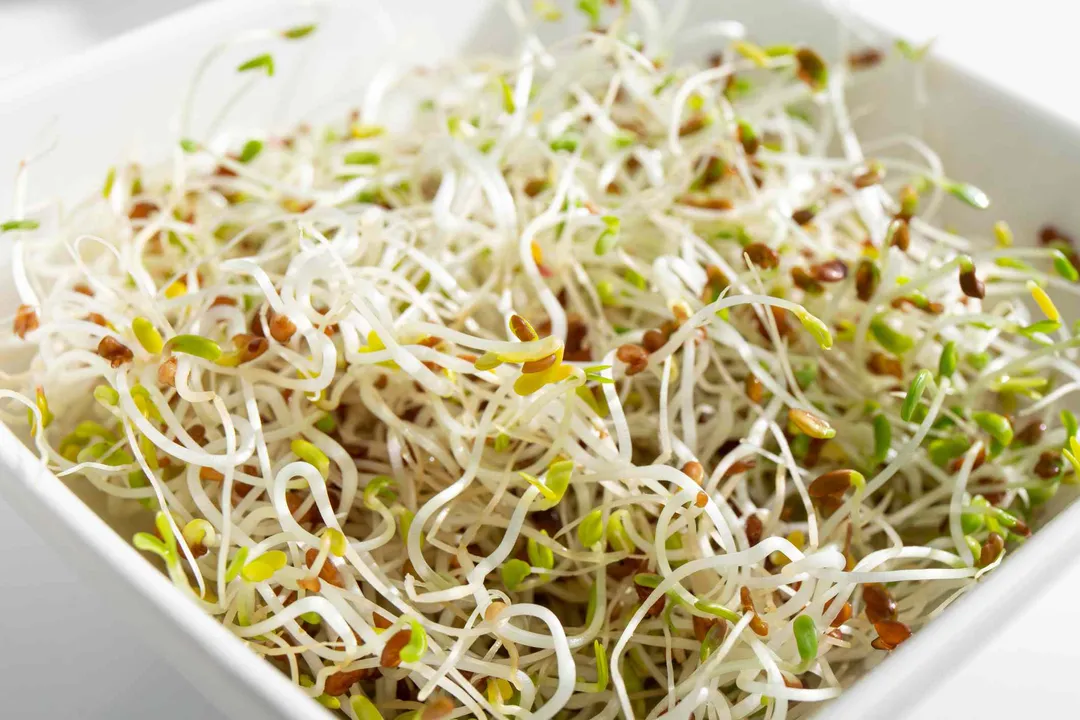
Alfalfa sprouts are remarkably nutrient-dense for their low caloric value. They provide a good source of several essential vitamins and minerals. Key components often highlighted include vitamin K, which is crucial for blood clotting and bone health, and vitamin C, an important antioxidant. Beyond these, alfalfa offers traces of other vitamins and minerals like iron, calcium, and potassium. Furthermore, the plant material contains compounds such as phytoestrogens and flavonoids, which are the subject of ongoing dietary research.
When comparing alfalfa to mature alfalfa leaves used for hay, the sprout form concentrates certain elements while perhaps reducing others. For instance, the sprouting process itself changes the nutrient profile compared to the mature seed or hay. Alfalfa is also considered a complete protein source, containing all nine essential amino acids, a trait that distinguishes it among plant-based foods. This protein content, combined with the presence of beneficial enzymes, makes it an attractive addition to vegetarian or vegan diets seeking a high-quality, low-calorie boost.
# Health Associations
People consume alfalfa for several purported health benefits, many linked to its rich phytochemical content. One area that receives attention is cardiovascular health. Some studies suggest that alfalfa may help reduce the absorption of cholesterol in the gut, potentially leading to lower blood cholesterol levels in humans. This effect is sometimes attributed to the presence of saponins, compounds found in alfalfa that can bind to cholesterol.
Another potential benefit relates to managing blood sugar. Evidence suggests that alfalfa may help lower blood sugar levels, which could be relevant for individuals monitoring their glucose intake. Additionally, alfalfa contains antioxidants, which help combat free radicals in the body, contributing to overall cellular health. It is worth noting that many of these human health benefits are supported by animal studies or limited human trials, meaning the exact effect and required dosage for a healthy adult remain areas needing further clarification in mainstream dietary science.

# Food Safety Concerns
The primary caution against regularly consuming fresh alfalfa sprouts revolves not around the plant itself, but around the environment necessary for sprouting—warm, humid conditions ideal for rapid seed germination. These exact conditions are also perfect for the growth of harmful bacteria, such as Escherichia coli (E. coli), Salmonella, and Listeria monocytogenes. Because the sprouts are often eaten raw, there is no "kill step" from cooking to eliminate potential contamination.
The USDA and similar food safety agencies frequently issue warnings or recalls concerning raw sprouts due to these contamination risks. The danger lies in the fact that if the original seeds are contaminated, the bacteria can proliferate rapidly throughout the sprouts during the humid growing process. This risk necessitates extreme care in sourcing and handling.
If you decide to incorporate raw sprouts into your diet, understanding the supply chain matters more than for a hard vegetable. Unlike buying a head of lettuce, where visible spoilage is a clearer indicator, bacterial contamination on sprouts is invisible. Therefore, prioritizing sprouts that are clearly refrigerated and purchased from vendors with high turnover rates, which suggests less sitting time, is a practical step to minimize, though not eliminate, risk. Furthermore, teaching children, the elderly, pregnant women, and anyone with a compromised immune system to avoid raw sprouts altogether is a common recommendation from public health bodies due to the heightened vulnerability of these groups to foodborne illness.
# The Amino Acid Factor
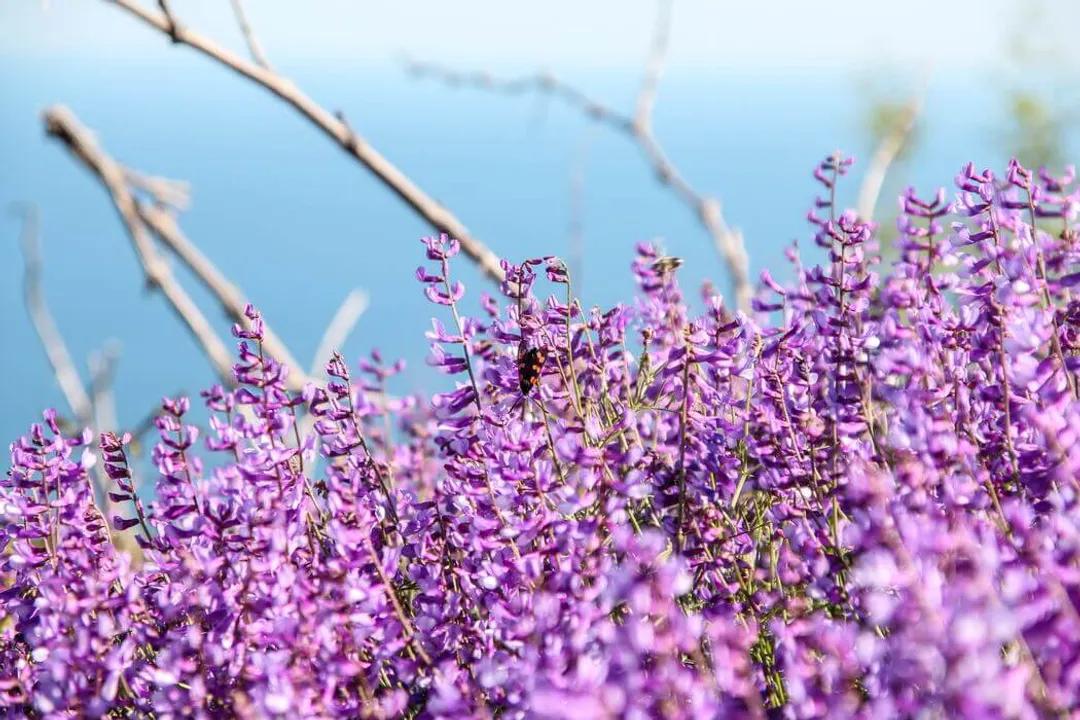
Beyond bacterial contamination, there is a specific biochemical concern unique to alfalfa consumption, particularly relevant for certain populations. Alfalfa contains an amino acid called L-canavanine. In animal studies, high intake of L-canavanine has been linked to potential negative health outcomes.
This compound has been specifically implicated in potentially exacerbating or triggering symptoms of Systemic Lupus Erythematosus (SLE), an autoimmune disease. For individuals diagnosed with lupus, or those with a family history, the consumption of alfalfa in any form—including sprouts—is generally advised against because L-canavanine can potentially stimulate the immune system in ways that mimic or worsen lupus activity. Even if you are perfectly healthy, it is wise to practice moderation with raw alfalfa sprouts, as the long-term effects of consistent, high-level L-canavanine intake on the general population are not fully established. This is one reason why many herbalists suggest using alfalfa supplements or teas intermittently rather than daily staples.

# Incorporating Alfalfa Safely
Since the primary concern with fresh alfalfa is bacterial risk in the raw state, thinking about how you integrate it into meals can be a worthwhile strategy. If you are concerned about the risks associated with raw sprouts, consider using alfalfa in cooked applications, such as stirring it into stir-fries right at the end or adding it to soups just before serving. Applying heat, even brief exposure, significantly reduces the likelihood of foodborne illness from bacteria like Salmonella.
When eating them fresh, a simple rinse under running water is often suggested, but health experts emphasize that rinsing alone does not guarantee the removal of bacteria that may have infiltrated the sprout structure. A more proactive approach involves checking if commercially sold sprouts have been treated, such as with a light chlorine wash, although this information is not always readily available to the consumer.
A practical way to manage the intake volume is to think of fresh alfalfa sprouts as a flavorful accent rather than the bulk of your meal. If you are adding them to a sandwich or salad, use a small handful—enough to contribute that fresh crunch and slightly nutty flavor—instead of piling them high. By treating them as a garnish or an occasional textural element, you limit the dose of L-canavanine and reduce your overall exposure risk without completely missing out on the sensory appeal.
# Alfalfa Beyond the Sprout
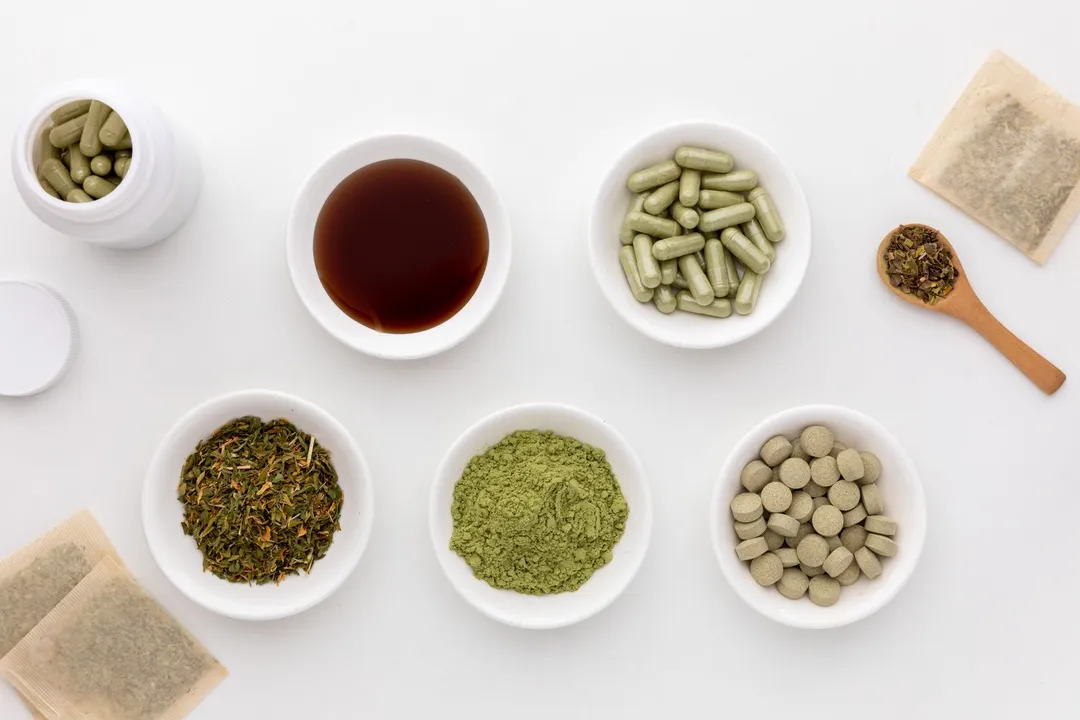
While the topic centers on fresh alfalfa, it is helpful to understand its broader context, as this can inform decisions about sprout consumption. Mature alfalfa leaves are typically too tough and fibrous for direct human consumption and are mainly processed into hay. However, parts of the mature plant are processed into various supplemental forms, including teas, tablets, and powders.
These processed forms generally avoid the immediate bacterial danger associated with raw sprouts. However, they still carry the nutritional profile, including the saponins and L-canavanine, meaning the concerns regarding blood thinning (due to high Vitamin K content potentially interfering with anticoagulant medications) and the lupus-triggering amino acid remain relevant for anyone taking these concentrated products. For instance, individuals on blood thinners like Warfarin need to maintain a consistent Vitamin K intake, and large, unpredictable fluctuations from consuming alfalfa supplements could be problematic.

# Preparing Seeds for Home Growing
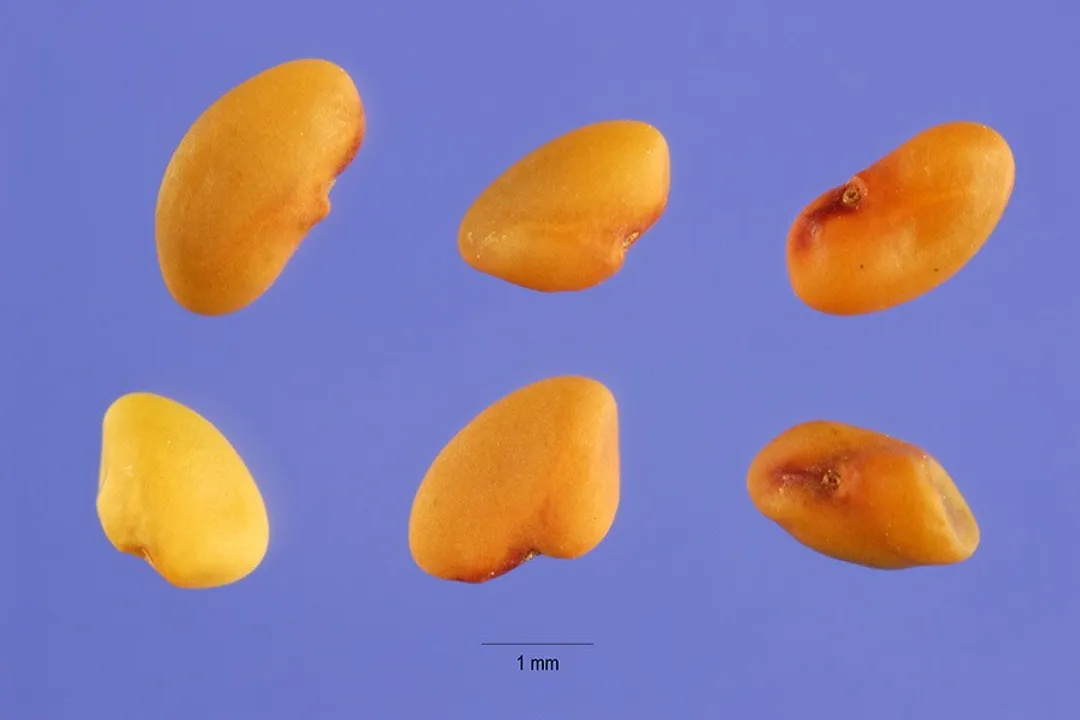
For those who wish to try sprouting at home to control the environment, extreme attention to sanitation is non-negotiable. The seeds must be of high quality, preferably from a reputable source that has tested them for pathogens. The process requires soaking the seeds, then draining and rinsing them multiple times a day, ensuring no standing water remains, as stagnant water encourages bacterial growth. Using purified or distilled water for rinsing, rather than tap water, can also offer an extra layer of security against introducing waterborne bacteria into the sterile sprouting environment. This level of vigilance is key because the conditions that create a perfect sprout are, simultaneously, conditions that favor harmful microbes.
In summary, humans can eat fresh alfalfa sprouts, and they offer a concentration of nutrients like Vitamin K and C. However, this consumption is best undertaken with an awareness of two distinct risks: the ever-present, low-probability threat of bacterial contamination inherent to all raw sprouts, and the specific biochemical risk of L-canavanine for individuals with lupus or related autoimmune conditions. For the general population, enjoying them in moderation as a fresh garnish appears to be a common dietary practice, but it requires making informed choices about sourcing and preparation.
Related Questions
#Citations
Alfalfa: Benefits, Nutrition Facts & Side Effects - Healthline
Health Benefits of Alfalfa - WebMD
Health Benefits of Alfalfa Leaf
Alfalfa - Wikipedia
Alfalfa: Benefits, Uses & Side Effects | Gaia Herbs
Alfalfa: Benefits, Uses, Side Effects, and More - Health
Alfalfa - Health Encyclopedia - University of Rochester Medical Center
Q&As Alfalfa - Wikifarmer
4 Health Benefits of Alfalfa - Health Cleveland Clinic