What kind of meat is chuan?
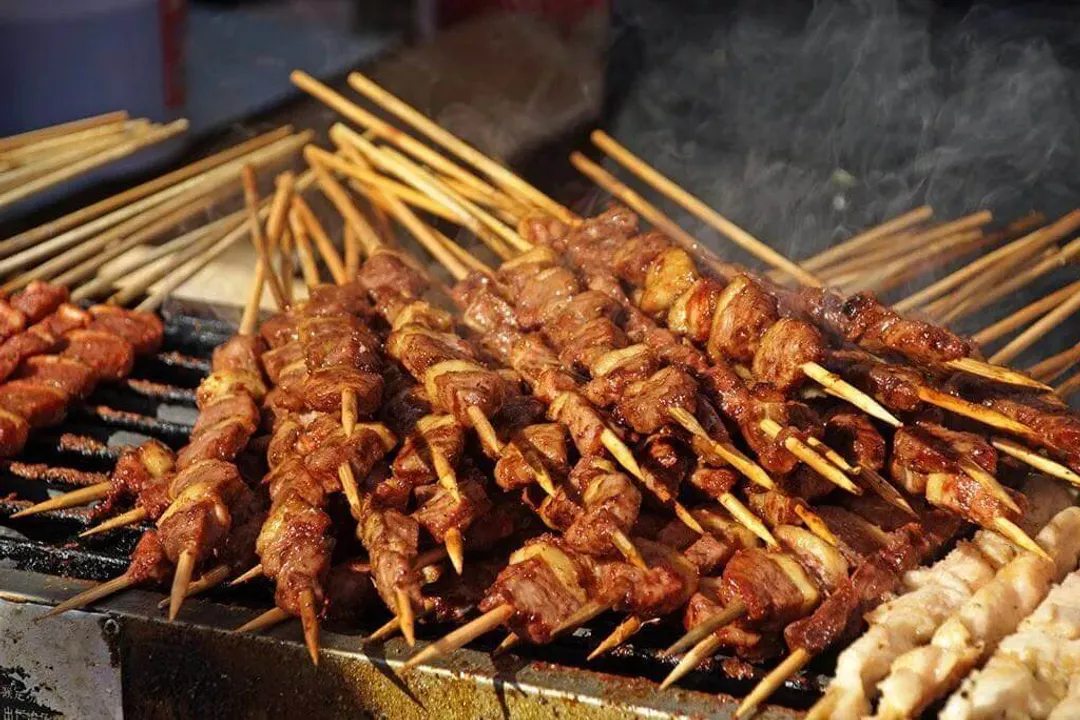
The concept of chuan (串) immediately brings to mind food presented on a stick, characterized by small pieces of ingredients cooked until perfectly done, often over an open fire or charcoal. [1][5] The Chinese character itself, 串, visually resembles a skewer, making the name straightforward. [4] While "chuan" translates simply to "skewer" or "kebab," in the context of popular Chinese street food, it most often refers to a specific style of grilled preparation, which has seen its popularity surge across China over the last decade. [1][4]
# Lamb Core
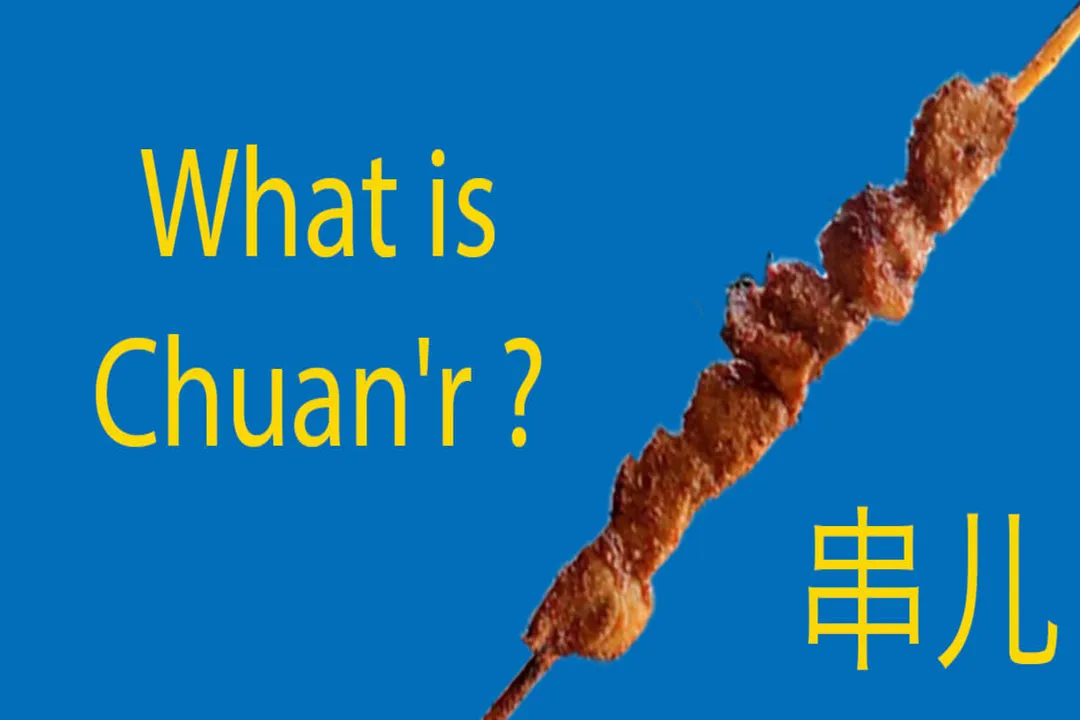
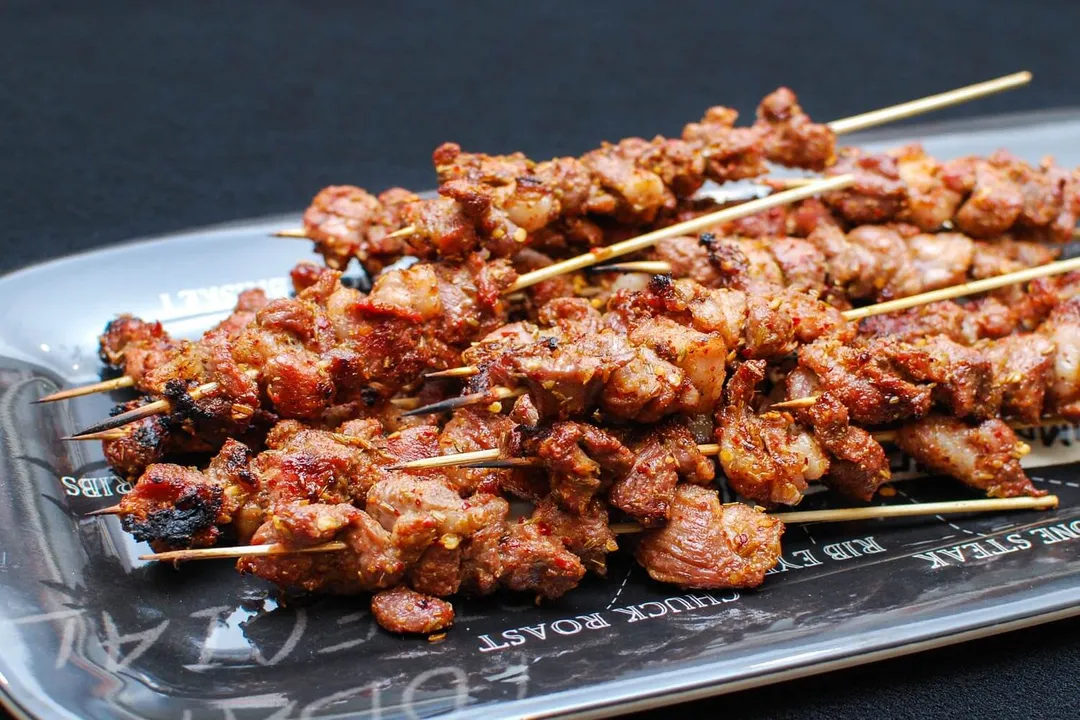
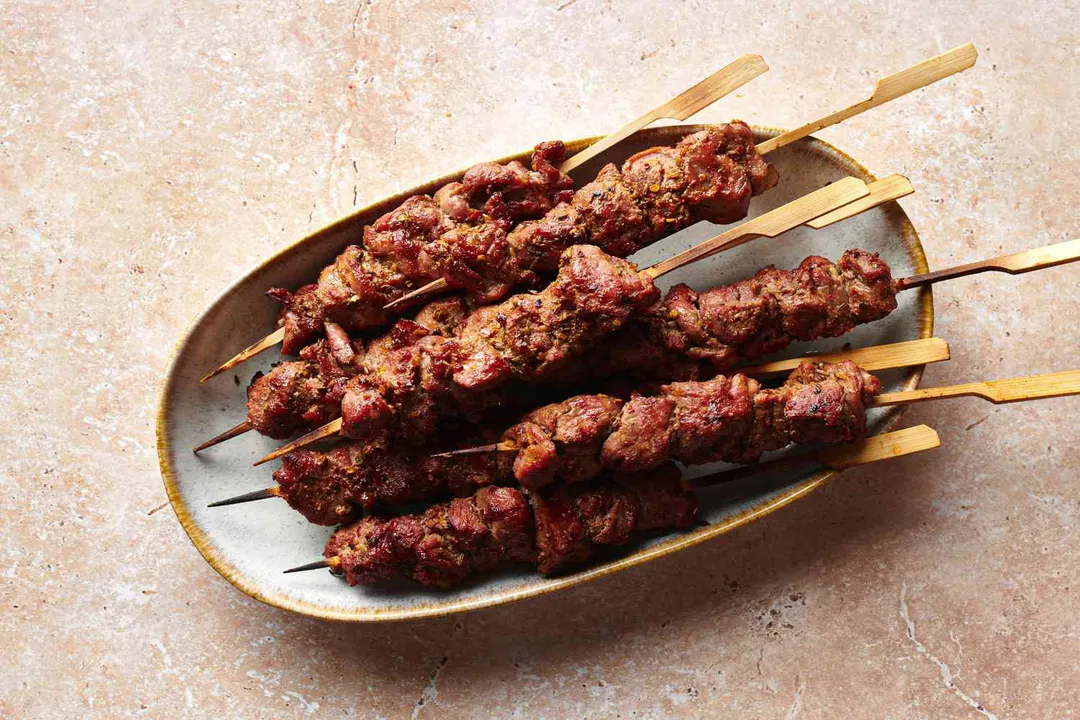
When asking what kind of meat chuan is, the immediate and historically accurate answer points to lamb. [5] The dish has its roots in the cuisine of the Uyghur people and other Chinese Muslims from the Xinjiang region in Western China, where the Xinjiang lamb skewer (新疆羊肉串, Xinjiang yangrou chuan) originated. [4][5] This original format, often called yangrou chuan, remains the quintessential chuan for many. [4]
For these traditional lamb skewers, the key to optimal flavor and texture lies in the cut selected. [2] A cut that is too lean, such as the loin, is generally avoided. [2] Instead, cooks often prefer the lamb shoulder chop because it offers a crucial balance between lean meat and fat. [2] This fat content is vital; as the skewer cooks over the heat, the fat renders, basting the meat from within and ensuring juiciness. [2] It is common practice to leave all the fat on when cubing the shoulder meat for skewering. [2] The seasoning for this foundational style is typically robust, relying heavily on a mix of cumin seeds, dried red pepper flakes, and salt, sometimes supplemented with black pepper and sesame oil. [1][4]
# Menu Scope
While lamb is the standard-bearer, the term chuan has evolved to encompass nearly anything that can be threaded onto a bamboo stick and cooked. [1] The variety available in modern chuan establishments showcases a significant expansion beyond the original focus, often organized into tiers of adventurousness on the menu. [1]
The common, accessible choices—often considered Level 1—include reliable meats like beef (niurouchuan) and chicken (such as chicken wings or crispy chicken skin). [1][5] Pork is also an option in some contexts. [4]
However, what truly distinguishes the breadth of chuan is the inclusion of items that might challenge diners unfamiliar with traditional Chinese culinary preferences, especially regarding offal. [1] These more adventurous selections, sometimes classified as Level 2 or 3, can feature:
- Organ Meats: Large lamb kidney (dayao), chicken hearts (jixin), and various forms of cartilage (cuigu), which can be from chicken, beef, or lamb. [1]
- Intestine/Tendon: Lamb meat and tendon (yangroujin) is a specific and often praised item. [1]
- Seafood: Roasted shrimp (often eaten shell-on) and shellfish like scallops (Kao Dai Zi). [1][5]
The selection extends far past animal protein. Vegetables like potato slices, whole roasted garlic cloves, chives, lotus root, and mushrooms are frequently skewered. [1][5] Furthermore, non-meat staples like mantou (steamed buns) and even silkworm cocoons represent the versatility of the skewered format. [1][4]
This expansion means that ordering chuan requires an assessment of both the diner's comfort level and the specific regional focus of the vendor. [1] If one is looking solely for familiar meat on a stick, the basic skewers are available everywhere; for the truly curious, the menu offers a glimpse into regional ingredient acceptance. [1]
# Broth Grilling
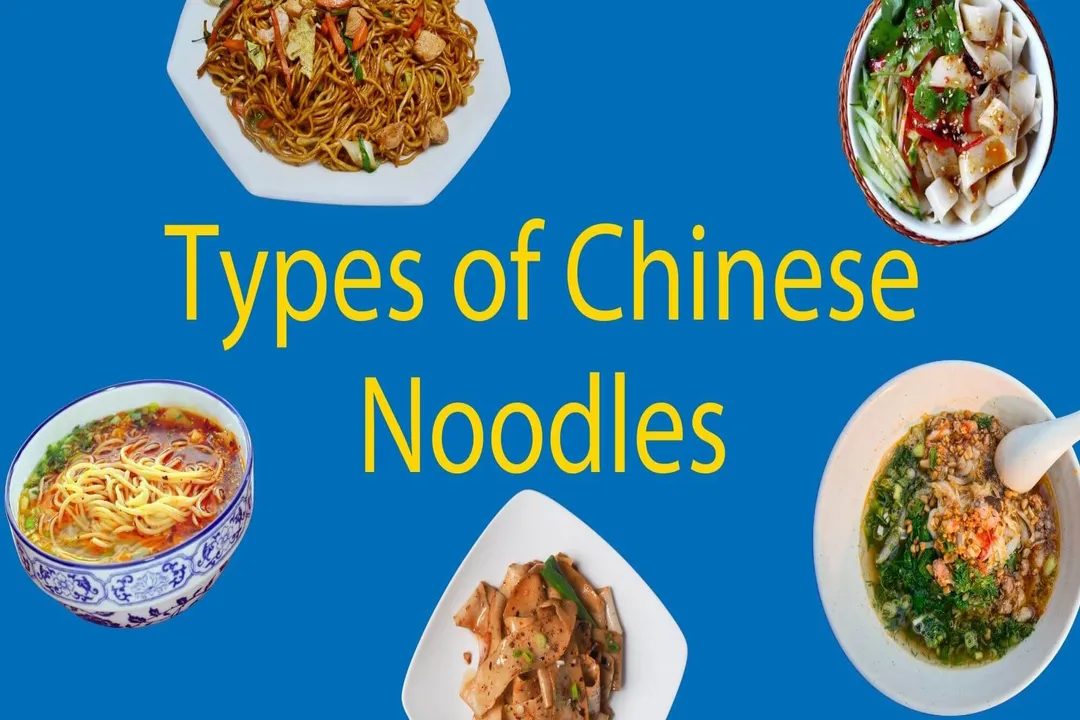
The preparation method also defines the chuan experience, leading to distinct styles that affect how the meat is flavored and consumed. [4] The most well-known method is grilling over charcoal, as seen with the Xinjiang lamb skewers, which allows the dry spices to toast onto the fat-laced meat. [2][5]
A very popular, yet fundamentally different, preparation exists, particularly associated with Sichuan province: Chuanchuan Xiang (or chuanchuan when simplified). [4] In this style, the skewers—which can hold an assortment of ingredients—are not grilled but are instead left to soak or boil in a highly seasoned, spicy broth, often enriched with chili bean paste and chili oil. This process infuses the ingredients slowly, drawing out deep, "aggressively awesome" flavors after an hour or two. The meat in chuanchuanxiang might be pre-cooked (like blanched vegetables, beef balls, or shredded chicken) or simply raw ingredients intended to cook in the pot.
When comparing the two primary formats—the dry-rubbed, grilled chuan'r (a Beijing dialect term for skewers) versus the wet-simmered chuanchuanxiang—the nature of the meat choice becomes subtly different. [1][4] While lamb dominates the grilled category, chuanchuanxiang allows for a vast, almost random assortment of ingredients, as the intense, unified broth flavor is designed to overpower or homogenize the individual tastes of the items soaked within it.
A crucial distinction for readers is that the grilled version, like the classic yangrou chuan, benefits from leaving the fat on the lamb shoulder to melt and carry the dry spice rub. [2] Conversely, in the Sichuan chuanchuanxiang, the infusion happens via liquid, meaning fattier meats are less critical than ingredients that can effectively absorb the complex, oily, and numbing (if Sichuan peppercorns are present) broth.
# Culinary Bravery
The menu at a chuan establishment often sets an informal challenge for the diner, reflecting cultural attitudes toward texture and less conventional cuts of protein. [1] This stratification—from simple potato slices to lamb penis (yangbian)—is a social barometer as much as a culinary guide. [1] For the uninitiated, navigating this spectrum is part of the experience. [1]
It is worth noting a fascinating pattern in how chuan is consumed regionally; while the chuanchuanxiang hot-pot style offers an easy entry point with its all-encompassing spicy broth that smooths out textures, the traditional grilled chuan'r requires a more direct engagement with the selected ingredients. In the grilled scenario, the success of the dish relies heavily on the quality of the meat and the direct impact of the spice blend, which is why lamb has historically maintained its top position: its strong flavor profile stands up best to the intense dry seasoning and high heat of the grill. [4]
When encountering a chuan vendor or restaurant, the initial assumption, based on historical precedent and ongoing popularity, should default to lamb. [4] If the vendor is selling skewers cooked over an open charcoal brazier, especially one advertising a Xinjiang style, the core product is undoubtedly lamb, seasoned with cumin and chili. [4] If the establishment appears more like a casual eatery where you select raw ingredients to be cooked in a large, bubbling pot, then you are likely engaging with the chuanchuanxiang style, where the resulting dish is less about the specific type of meat and more about the shared, spicy bath it has taken.
Ultimately, chuan is not defined by a single meat, but by the method of cooking that showcases a wide array of proteins and vegetables. Yet, the spirit of chuan remains tethered to the succulent, perfectly spiced lamb skewer that started it all on the streets of Northwest China. [4] The modern version is a testament to adaptability, allowing chicken, beef, seafood, and even tofu to share the same simple delivery system. [1][5]
Related Questions
#Citations
Chuan'r (串儿) - A Simple Guide and Introduction to a fine Chinese ...
Chuan (food) Facts for Kids
Spicy Cumin Lamb Skewers (Yang Rou Chuan) Recipe - Serious Eats
Sichuan Street Food Chuanchuan, Chili Oil Skewers (红油串串香)
Chuan for the uninitiated... - A bear and a pig