What kind of food is ambar?
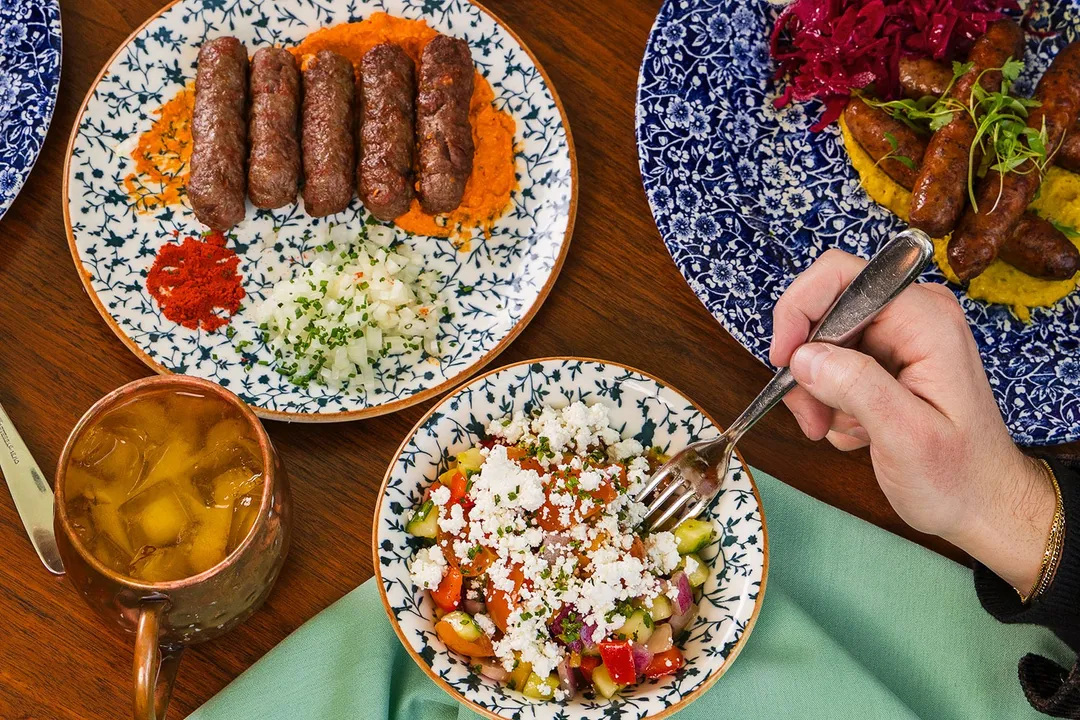
The food associated with the name "Ambar" most frequently points toward a specific style of cuisine rooted in the Balkan Peninsula, often as presented by a particular restaurant group operating in major US cities like Chicago and Arlington, Virginia. [2][4][5] This culinary tradition represents a rich convergence of influences shaped by centuries of history, sitting geographically at the crossroads of the former Ottoman Empire, Central Europe, and the Mediterranean. [9] It is not a single, monolithic entity but rather a collection of regional flavors drawing from Serbian, Croatian, Bosnian, Bulgarian, and other national gastronomies. [9]
# Balkan Roots
Understanding the food Ambar serves begins with grasping the essence of Balkan cooking itself. This cuisine relies heavily on fresh, seasonal ingredients, often featuring grilled meats, savory pastries, an abundance of dairy, and grains. [2] The flavor profile frequently balances rich, slow-cooked elements with bright, fresh additions like yogurt or vinegary pickles. [9] Because the region spans diverse landscapes—from Adriatic coastlines to continental interiors—the food reflects this variety, incorporating both seafood and hearty land-based fare. [2]
A significant historical marker in Balkan cuisine is the long period under Ottoman influence, which introduced elements like pita (layered pastries), coffee culture, and certain spice combinations. [9] Simultaneously, proximity to Austria-Hungary and Italy contributed influences like certain cured meats and pasta techniques. [2] This fusion results in dishes that are deeply familiar in their components—like eggplant, peppers, lamb, and cheese—yet distinct in their preparation and combination. [9]
One of the most distinctive elements you will encounter in authentic Balkan dining, and certainly what Ambar aims to showcase, is the culture of meze, or small plates designed for sharing. [2] This communal approach is central to the dining experience, encouraging diners to sample widely across the menu rather than focusing on a single large entree. [2]
# Dining Concept
The Ambar restaurant concept often centers around a philosophy they term Dining Without Limits. [3] This term moves beyond simple all-you-can-eat offerings; it describes a specific service style where the goal is complete culinary immersion into the region's foodways. [3] In this model, guests are encouraged to order numerous small plates and share them, allowing for an expansive tasting experience that mirrors traditional Balkan hospitality. [3] It suggests an emphasis on breadth of offerings rather than just quantity of a single item. [3]
This approach contrasts sharply with traditional Western three-course meal structures (appetizer, main, dessert). [3] Instead, the meal flows, with guests continually ordering small portions of different items—be they cold appetizers, grilled meats, or vegetable sides—until satisfied. [3] The experience is designed to feel generous and continuous, reflecting the warmth often associated with hosts in the Balkans. [1][4] This concept also ties into the restaurant's mission to introduce newcomers to the diversity within Balkan food that they might not encounter in a typical, single-focus establishment. [2]
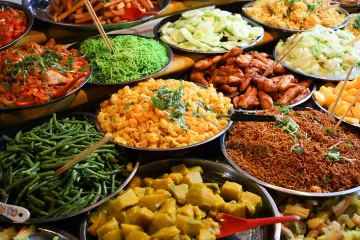
One way to visualize the sheer variety this concept unlocks is to consider the different geographical influences mapped onto the menu. For instance, a platter might include a heavily spiced, grilled item reminiscent of Turkish kebabs, adjacent to a creamy, cheese-laden pastry originating near the Austrian border, all served alongside a bright, yogurt-based dip common in the south. [9] This juxtaposition, encouraged by the "Dining Without Limits" style, is where the true educational and gustatory value lies. [3]
# Signature Flavors and Dishes
When exploring the food at Ambar, several staples of Balkan cooking are invariably present, often given a refined touch. [2][9]
# Savory Pastries and Breads
The pastry tradition, heavily influenced by pita styles, is prominent. [9] These are often thin, layered dough preparations baked until flaky and golden. You might encounter sirnica (cheese-filled) or zeljanica (spinach-filled) variations, though the restaurant might use local or adapted names for these classics. [1] The dough itself is key—it needs to be light enough to puff up but sturdy enough to hold rich fillings. [9] Furthermore, the bread basket itself is often more than an afterthought, featuring dense, rustic loaves perfect for soaking up the juices from grilled meats or sauces. [2]
# Grilled Meats
The heart of many Balkan meals is the grill. This involves various cuts of meat, most famously ćevapi (or ćevapčići), which are small, skinless sausages made from ground beef, lamb, or a mixture thereof, seasoned simply but perfectly. [2] They are traditionally served with somun (a type of flatbread) and chopped onions, perhaps with a side of ajvar (a red pepper relish). [9] While ćevapi are the standard-bearer, the grill also yields skewers (ražnjići) and expertly seasoned chops, focusing on the quality of the meat and the char from the flame rather than heavy marinades. [2]
# Dairy and Dips
A crucial counterpoint to the richness of the grilled items and pastries is the fresh, tangy element provided by dairy. [2] Balkan cuisine makes extensive use of yogurt, often strained to create a thick, creamy texture used as a base for sauces or served simply alongside food. [9] Cheeses are also ubiquitous, ranging from salty, crumbly varieties similar to feta to richer, softer cheeses used in fillings. [2] Dips like kajmak (a clotted cream similar to butter, but richer) or urnebes (a spicy cheese spread) offer layers of texture and flavor that are essential for rounding out a tasting experience. [9]
For example, consider the difference in texture when comparing a creamy kajmak served alongside a smoky, grilled pork chop versus the sharp tang of a fresh goat cheese sprinkled over a cool cucumber and tomato salad. Both items might appear on the same table setting, showcasing the cuisine's deliberate interplay of temperature and richness. [9]
# Location and Recognition
The presence of Ambar in different metropolitan areas suggests a successful model for exporting this specific cuisine. In Arlington, Virginia, for instance, the restaurant has earned attention, including a recognition from the Michelin Guide, which speaks to a level of quality and execution that transcends simple ethnic food stereotypes. [4] This suggests a commitment to high standards in sourcing, preparation, and presentation. [4]
The expansion into a major hub like Chicago's River North neighborhood further solidifies its status as a serious culinary player, bringing Balkan flavors to a highly competitive dining scene. [5][8] The success in these varied markets implies that the food has a universal appeal once the specific flavors are properly introduced and explained, which is the role of the service style and menu design. [2][3] While the core menu remains rooted in tradition, the specific local sourcing and interpretations ensure freshness and relevance in each location. [4][8] It's worth noting that in the broader culinary landscape, there exists a separate entity named Ambar India, indicating that the name itself is not exclusively tied to Balkan food, but context is everything when discussing this particular culinary style. [6]
# Original Analysis: Bridging Familiarity and Novelty
For readers coming from a background dominated by Italian, Greek, or general American grilling traditions, the Balkan food at Ambar can feel immediately accessible yet distinctly new. [9] Think of it this way: the pita is structurally similar to a well-made Greek spanakopita, but the flavor profile of the filling might lean more towards a savory, less herbaceous, or tangier profile due to different cheeses or spice mixes. [9] Similarly, the grilled meats share the primal appeal of a good backyard barbecue, but the accompanying condiments—like a smoky, sweet pepper ajvar instead of standard ketchup or BBQ sauce—completely reorient the taste experience. [2]
A practical approach for a first-time visitor to maximize the experience within the "Dining Without Limits" framework is to employ a specific ordering rhythm. Instead of ordering all the heavy meat dishes at once, a useful strategy is to start with a curated selection of three cold dips/salads (e.g., one vegetable-based, one cheese-based, one yogurt-based), followed by two vegetable-focused small plates (like grilled peppers or baked eggplant dishes), and then introduce the ćevapi or a small meat skewer portion. [3] This sequencing allows the palate to adjust gradually to the richness, ensuring that by the time the main grilled items arrive, the diner hasn't become overwhelmed by smoke and fat, leaving room to truly appreciate the subtle differences between the meat preparations. [2] This layered approach helps the diner navigate the sheer volume of high-quality choices presented. [3]
# Experience Details
The overall atmosphere accompanying the food is also part of the "Ambar" experience, designed to complement the communal nature of the cuisine. [1][4] The setting often features warm, inviting decor that hints at the region's artistry without being overly thematic or kitschy. [8] Service, when executing the "Dining Without Limits" style, requires a knowledgeable staff capable of guiding diners through the menu's breadth, perhaps suggesting ideal pairings between a specific cheese and a glass of regional wine or rakia. [3] The presentation itself tends to be clean and focused, letting the quality of the ingredients speak for themselves, whether it is a simple dusting of paprika or a vibrant drizzle of herb oil on a platter. [2][4]
The culinary scope, as presented by this type of venue, effectively argues that Balkan food is worthy of deep examination, sitting comfortably alongside more established international cuisines in terms of complexity and depth of flavor. [2][4] It is the food of migration, trade, and adaptation, resulting in a truly layered dining narrative available plate by plate. [9]
# Final Notes on Interpretation
Given the varied online presence—from restaurant websites detailing menus and concepts [1][3] to journalistic reviews praising specific locations [2][4][5][9]—the definition of "Ambar food" is inextricably linked to this modern presentation of Balkan cuisine. It is characterized by its balance, its generous spirit, and its successful navigation of historical influences into a contemporary, appealing format. [3][4] While the name could apply elsewhere, [6] the culinary identity associated with it overwhelmingly points to this vibrant, crossroads tradition from Southeastern Europe. [2][9]
#Videos
Ambar: Vibrant New Balkan Dining Destination In River North
Related Questions
#Citations
AMBAR | Best European restaurant in Town | European restaurant ...
Fascinating Balkan Cuisine In Chicago At Ambar - Forbes
Arlington's Ambar Serves Balkan Cuisine That's Earned a Michelin ...
Ambar, a Balkan chain, has opened its first Chicago location
Ambar India Restaurant – Rated Best India Restaurant in Cincinnati
Ambar: Vibrant New Balkan Dining Destination In River North
Ambar Brings Balkan Flavors to River North - Chicago Magazine