What is the quality of Cobia meat?
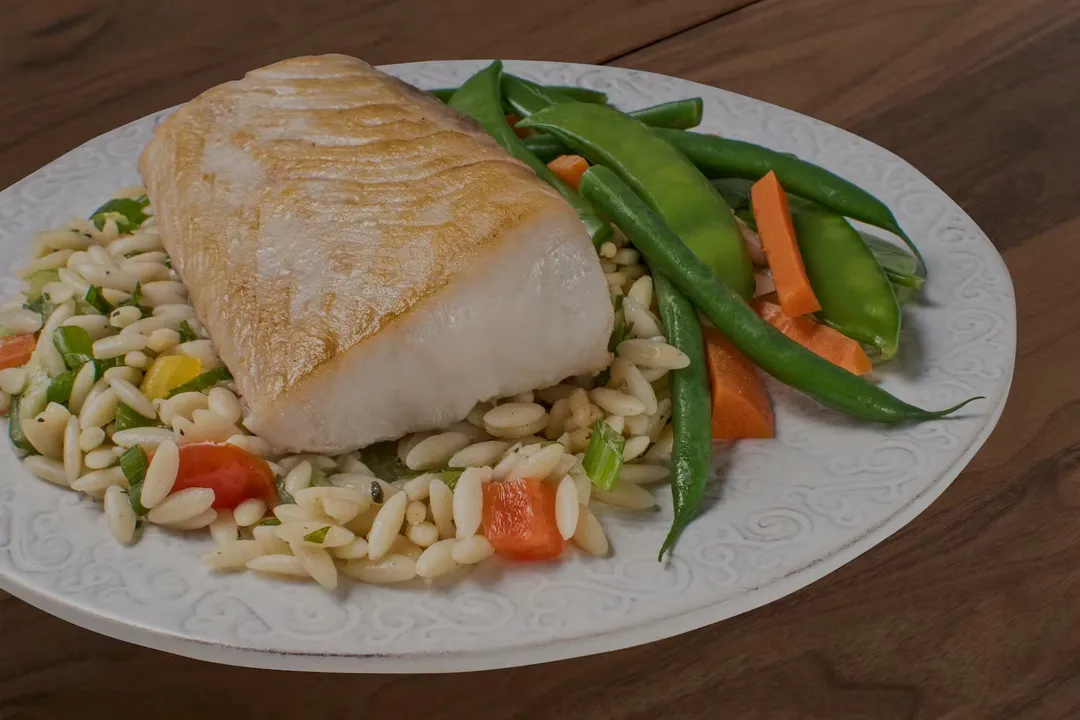
The arrival of Cobia on the U.S. seafood scene is relatively recent, stemming primarily from promising aquaculture operations rather than large-scale wild harvests. [1] This fish, scientifically known as Rachycentron canadum, has quickly gained attention from chefs and consumers alike, often being touted as the next popular farmed species, possibly achieving an "upscale appeal" similar to tilapia but with more inherent character. [1] Its unique qualities in both the wild and under controlled farming conditions are what set it apart in the competitive seafood market.
# Flavor Richness
The culinary appeal of Cobia begins with its flavor profile, which is frequently described in positive terms across various sources. It possesses a sweet, rich flavor, [1] though some assessments categorize the flavor as medium. [5] Proponents often highlight its mild, buttery flavor that manages to stand out without being overpowering, making it an excellent choice for those who prefer a more balanced taste profile in their seafood. [6] This mildness suggests it is agreeable to a wide audience, even those typically cautious about strong "fishy" tastes. [4]
The flavor is rich enough that it holds its own against bold pairings. While it pairs well with simple preparations like grilling, it also accepts marinades and strong sauces, such as those with Cajun spice, lemon, soy, or chili flavorings. [1][5] This adaptability means the fish acts as a great canvas for a variety of global cuisines, from Asian-inspired marinades to robust, herbaceous crusts. [5]
It is useful to note that for those looking for alternatives, Cobia is sometimes likened in profile to Swordfish or Chilean Sea Bass, which gives a good indication of its substantial presence on the plate. [1][3]
# Flesh Firmness
Beyond taste, the texture of Cobia meat is perhaps its most defining physical characteristic. The flesh is consistently described as firm. [1][6] Raw cobia meat is a light tan color, transforming to a snowy white upon cooking. [1] This firmness contributes significantly to its versatility. Unlike some more delicate whitefish that might break apart easily, Cobia’s structural integrity allows it to withstand aggressive cooking methods. [6]
The texture is often reported as having a nice flake. [1] However, the degree of firmness and moisture can vary depending on how and where it was raised. Farmed specimens, particularly those raised in active open-ocean environments, are noted for having improved musculature and fat distribution, leading to moist flesh. [3] In fact, the oil content is comparable to that of coho salmon, ensuring the meat stays moist. [1]
If you are considering preparation methods involving high, direct heat, like grilling or pan-searing, the firm texture is a major advantage. One source specifically points out that the fat renders out during a high-heat sear, which can create a beautiful golden crust while keeping the interior moist and flaky, sometimes without even needing added oil. [3] Conversely, when preparing it via baking or barbecuing, some local guides advise using a good oil or marinade to help retain moisture, as the fish can lean toward being slightly dry in those applications. [5] This suggests that while inherently moist due to fat content, the way the heat is applied plays a significant role in the final eating experience.
For diners hesitant about overly flaky textures, Cobia offers a satisfying medium-to-firm bite that is reminiscent of a steak-like fish experience. [5] This robustness means it can even be cut thin for carpaccio or sushi without fear of disintegration, a significant benefit for presentation and handling. [3]
# Supply Routes
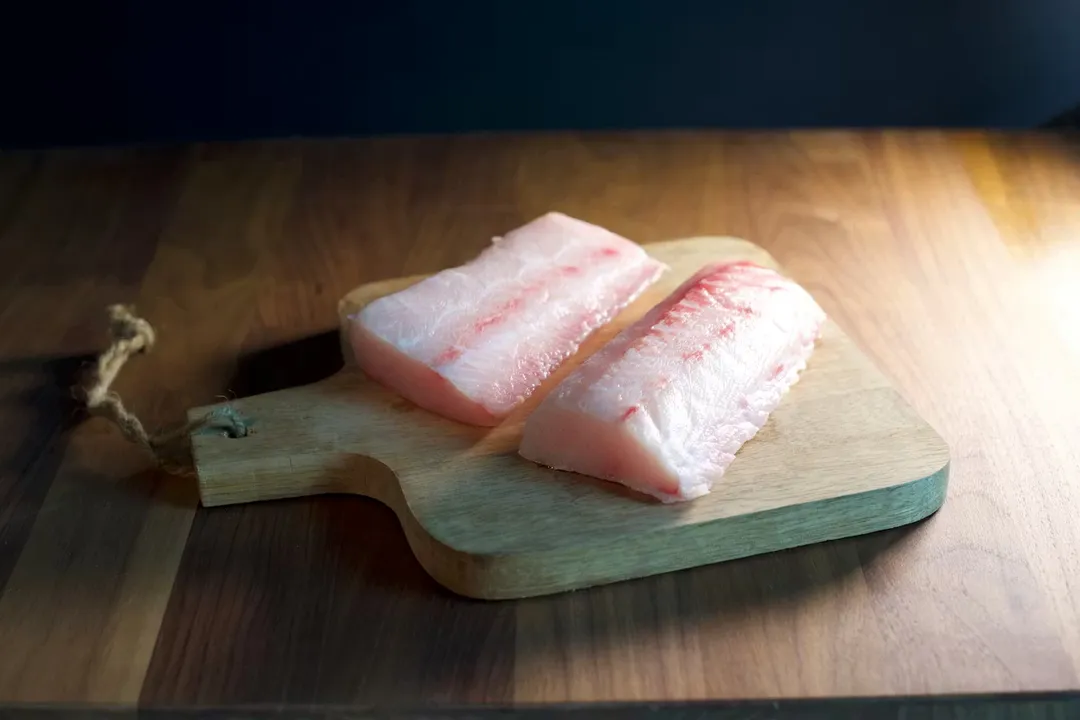
The availability of Cobia for the consumer market is dual-natured, split between wild populations and expanding aquaculture. [1][2]
# Wild Fisheries
In the wild, cobia are an impressive fish, capable of growing over 6 feet long and weighing up to 150 pounds. [1] They inhabit tropical, subtropical, and temperate waters globally, though they are absent from the eastern Pacific. [1] In U.S. waters, they are most prevalent from Virginia south through the Gulf of Mexico, undertaking seasonal migrations toward warmer offshore waters in the cooler months. [2]
From a commercial standpoint, wild cobia are generally not targeted by fishermen; they are landed as bycatch. [1] In 2023, commercial landings were relatively low at just under 100,000 pounds. [2] Recreational anglers, however, highly value them, appreciating the large fish for the powerful fight they offer. [1] In that same year, recreational anglers landed nearly 4.9 million pounds. [2] Management of wild stocks in the U.S. is complex, involving NOAA Fisheries, the Gulf Council, and the Atlantic States Marine Fisheries Commission, with regulations covering minimum size limits (currently 33 inches fork length, potentially increasing) and daily bag limits. [2] One assessment indicated that while the Gulf of Mexico stock was subject to overfishing in 2020, the stock itself was not classified as overfished. [2]
# Aquaculture Growth
Because wild availability is limited and not commercially targeted, aquaculture has become the primary driver for broader market access. [1] Cobia is considered a proven candidate for farming because it adapts well to controlled environments and can reach a typical market size of around 11 pounds in less than a year. [1] China is cited as the world leader in farmed cobia production, but operations are developing globally, including in Puerto Rico, the Bahamas, Vietnam, Central America (ocean-cage operations), and even a freshwater facility in Virginia. [1]
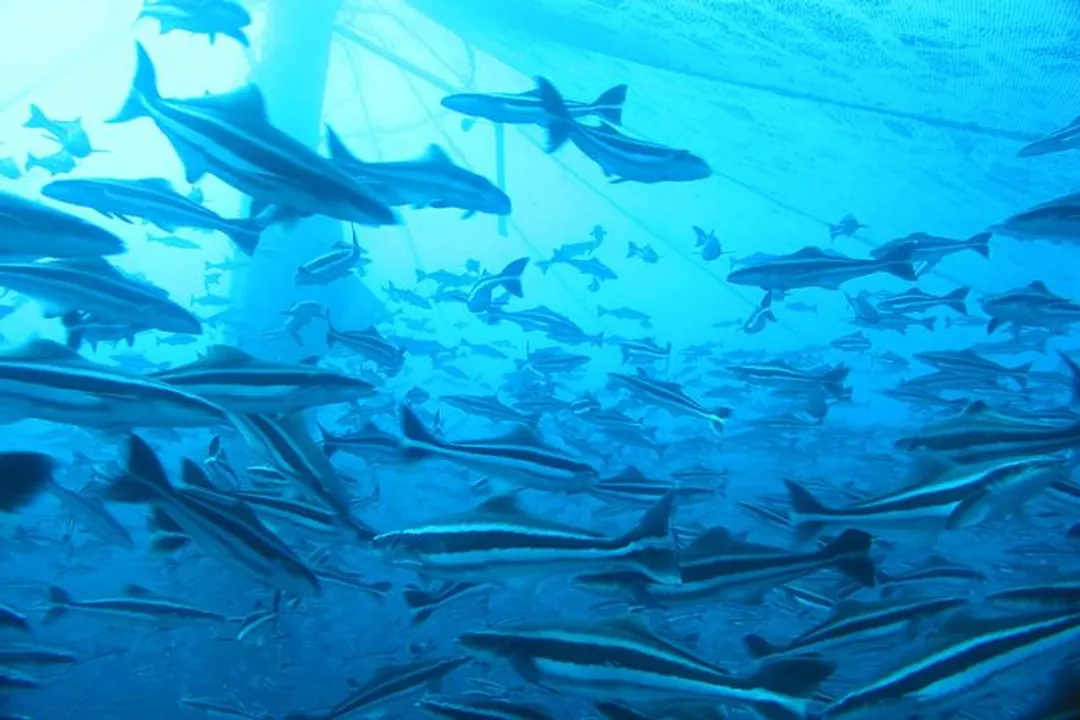
One notable example of innovation in this sector involves operations like Open Blue, which raises cobia in deep-water, open-ocean submersible net pens approximately 8 miles offshore. [3] This method utilizes natural, free-flowing marine currents, which is intended to promote healthy growth and good fat content while minimizing ecological impact by keeping fish away from sensitive coastal areas where nutrient buildup could be a concern. [3] This approach directly addresses consumer demand for traceable and sustainably raised seafood. [3]
If you are sourcing Cobia locally in the U.S., understanding the source—whether it’s a regulated domestic wild-catch operation or a specific aquaculture facility—is crucial for verifying quality and sustainability claims. [2]
# Eco Rating
The sustainability rating heavily depends on the origin of the fish. For those seeking environmentally conscious choices, the assessment of farmed cobia, specifically the marine net-pen variety from Panama, places it in the Yellow/Good Alternative category according to Monterey Bay Aquarium Seafood Watch standards.
This yellow rating is due to specific environmental concerns associated with its feed and potential impact on wild populations.
- Feed Dependency: The fish oil required to feed farmed cobia is significant. Data suggests that 3.84 tons of wild fish would need to be caught just to supply the fish oil needed to grow one ton of farmed cobia. While there is an increasing use of more sustainable fisheries byproducts in the feed mix, this reliance on wild forage fish remains a scoring factor.
- Escapes and Genetics: There is a moderate concern regarding escapes from net pens, and it remains unknown how potential interbreeding between escaped farmed fish and wild populations might affect the genetic makeup and fitness of wild stocks.
- Chemical Use: Data concerning the use of antibiotics is limited, but there is an indication that treatments, potentially including those important for human medicine, are being used.
In contrast, U.S. wild-caught cobia is considered a smart seafood choice because it is managed and harvested responsibly under existing U.S. federal regulations. [2] Fishing gear used rarely contacts the ocean floor, resulting in minimal habitat impact, and bycatch is also minimal since commercial fleets rarely target the species directly. [2] This suggests that for the U.S. market, the wild-caught option often carries a cleaner environmental profile than the currently assessed farmed imports. [2]
# Preparation Methods
Cobia’s texture makes it exceptionally accommodating in the kitchen, suitable for a wide range of cooking techniques. [1]
The primary recommended methods involve dry, high-heat cooking:
- Grilling: The firm structure handles the grill grates well and benefits from the smoky char. [1][6]
- Broiling or Sautéing/Pan-Searing: These methods work well to achieve that desired exterior crust while maintaining internal moisture. [1][3]
- Baking/Roasting: Fillets can be baked, often at temperatures around 400°F for 20 to 25 minutes for 2 or more fillets, aiming for an internal temperature of 145°F. [3]
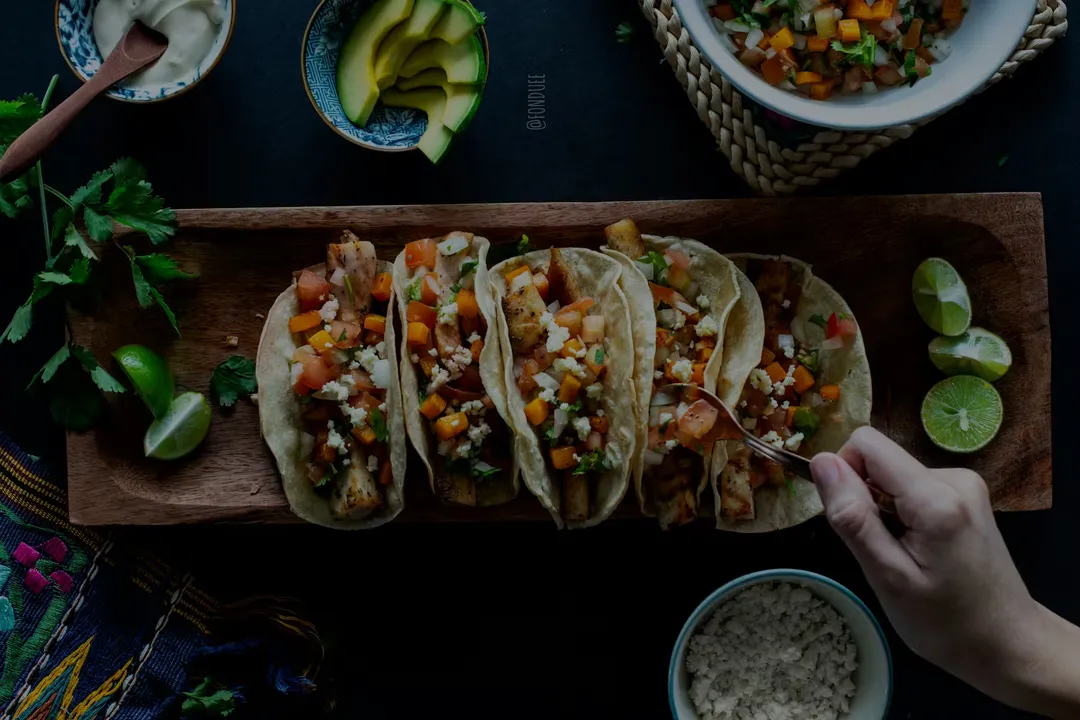
It is also excellent served raw, prepared as sashimi or sushi. [1] Given its meaty structure, it can also be cubed for dishes like Hawaiian-style Poke, combined with ingredients like onion, cherry tomato, and capsicum. [5]
A chef’s consideration when working with Cobia is its versatility across dining styles. Because it performs reliably under high heat and pairs with diverse flavors, it transitions easily from a casual grilled application to a more refined, sauced presentation. [1][6] This reliability—performing beautifully whether fried, grilled, or used raw—is a major advantage for menu planning. [6]
# Health Profile
From a nutritional standpoint, Cobia presents itself as a lean and healthy protein source. [2][3]
Key health metrics include:
- Protein: It is high in protein, providing close to 19 grams per 100-gram raw serving. [1][2]
- Fat Content: The total fat is quite low, around 0.64 grams per 100 grams raw, with saturated fat contributing only about 0.12 grams. [1][2] This makes it a good choice for those monitoring fat intake compared to fattier options like salmon, while still delivering health benefits. [6]
- Micronutrients: Cobia is noted as being rich in several important vitamins and minerals, specifically riboflavin, niacin, vitamin B6, magnesium, and potassium. [2]
- Omega-3s: While one commercial source claims it has higher omega-3s than salmon, [3] official nutritional data tables from NOAA list Omega-3s as N/A, [2] suggesting variability or lack of standardized reporting for that specific metric. [2] The Australian data, however, does list specific Omega-3 components, showing Docosahexaenoic Acid (DHA) at 238 mg and Eicosapentaenoic Acid (EPA) at 44 mg per 100g, though total Omega 3 is listed as N/A. [5]
As a whitefish, it fits well within popular dietary plans such as high-protein, low-carb, and Mediterranean diets. [6]
# Species Characteristics
Cobia are formidable fish in the water, growing large and exhibiting aggressive predatory behavior, mainly targeting crustaceans, though they consume fish and squid as well. [2] Their closest living relative is the remora, or shark sucker. [2] Young cobia display striking coloration with alternating black and white horizontal stripes, which fades as they mature into a dark brown hue. [2] This appearance often leads to them being mistaken for sharks or remoras. [2] They are often compared visually or contextually to the Yellowtail Kingfish when being sold or discussed in the market. [5] In the wild, they are known to associate near structures like shipwrecks, buoys, or large animals like sharks and turtles. [2] Anglers frequently mention their fascinating curiosity, noting that they can sometimes be tempted to bite on very basic baits, making them an engaging catch for sport fishing enthusiasts. [4]
Related Questions
#Citations
What is Cobia? - Cobia - Crowd Cow
what's so special about a cobia? : r/Fishing - Reddit
Cobia | NOAA Fisheries
Cobia Cobia seafood recommendation
Cobia - SeafoodSource
Cobia-152 - Fishfiles