Is keta salmon good quality?
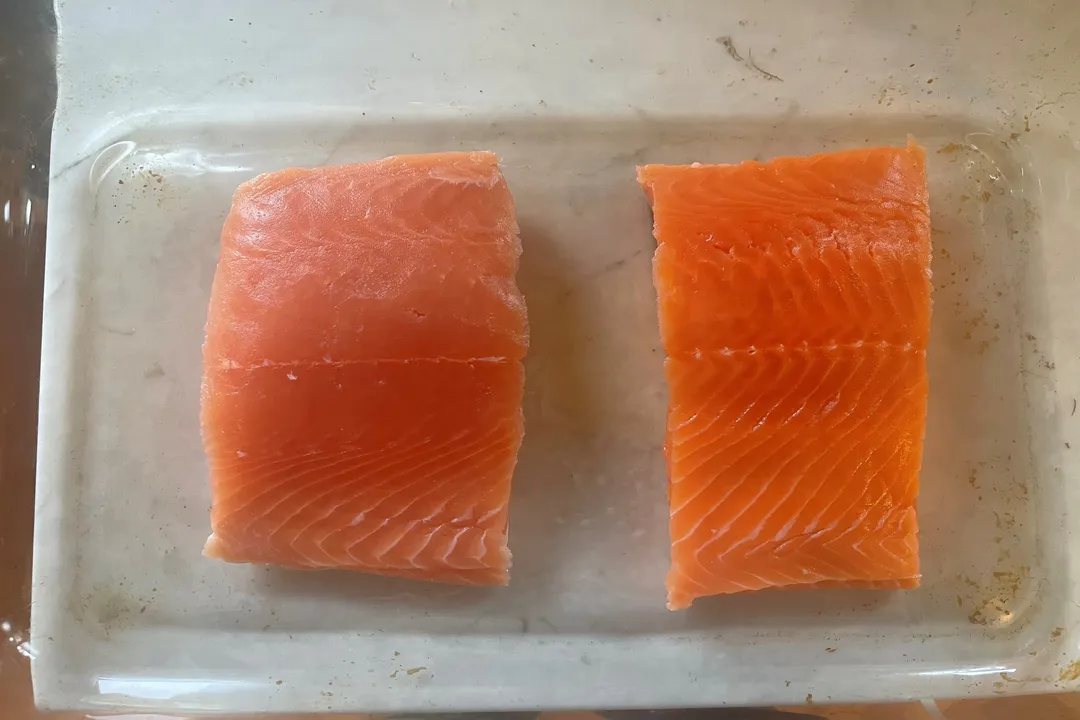
Keta salmon, often known by its other name, Chum salmon, occupies a distinct niche within the world of Pacific salmon. When discussing quality, the answer isn't a simple yes or no; it really depends on what you intend to do with the fish and which characteristics you prioritize in your meal. Unlike the deep, oily richness of Sockeye or the universally praised flavor of Coho, Keta presents a profile that some home cooks might initially find underwhelming or even disappointing if they expect a high-fat experience. [2][5][9] Understanding its inherent traits—its fat level, color, and texture—is the key to appreciating what this species offers. [2]
# Species Identity
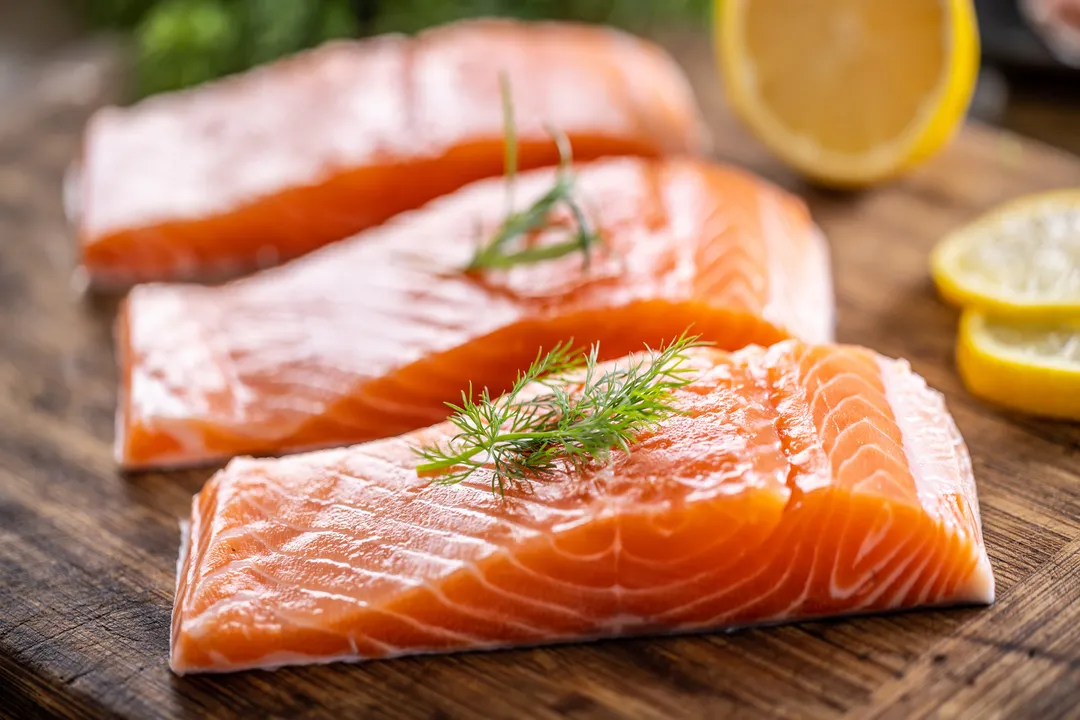
Keta is officially recognized as one of the five species of Pacific salmon, alongside Chinook, Coho, Pink, Sockeye, and Masu (though Masu is less commonly discussed in North American markets). [2] Its common alternative name, Chum salmon, is used interchangeably in many parts of the industry. [3][4] Knowing this helps when navigating seafood counters or reading labels, as Keta and Chum refer to the exact same fish. [2] For those focused on responsible sourcing, wild-caught Alaska Keta salmon is MSC (Marine Stewardship Council) certified, joining the ranks of other major Alaskan species recognized for sustainable fishing practices. [4]
# Texture Profile
A defining characteristic of Keta salmon is its texture, which tends to be firmer than Sockeye salmon. [2] This firmness is an asset in certain culinary preparations. For instance, because it holds its structure well during cooking, it is often recommended for dishes like stir-fries, where a delicate, high-fat fish might break apart too easily. [9] However, this inherent structure is directly related to its fat content, which is generally lower than that found in Coho or Chinook salmon. [2]
When discussing texture and fat, it is helpful to visualize where Keta sits on the spectrum. If you imagine the typical Alaskan salmon lineup, Keta often falls on the leaner side, though typically still possessing more oil than Pink salmon. [2][6] This leaner nature means that if you treat a Keta fillet the same way you would a fattier Coho—perhaps grilling it hot and fast or baking it for an extended time—the result can easily be dry and somewhat bland. [1][9] The experience of some home cooks finding it dry or bland often stems from cooking a lower-fat fish using methods optimized for higher-fat varieties. [1] Mastering Keta means understanding its lower oil ceiling; aim for moist cooking environments or very brief high-heat applications where the exterior crisps before the interior dries out.
# Flavor Spectrum
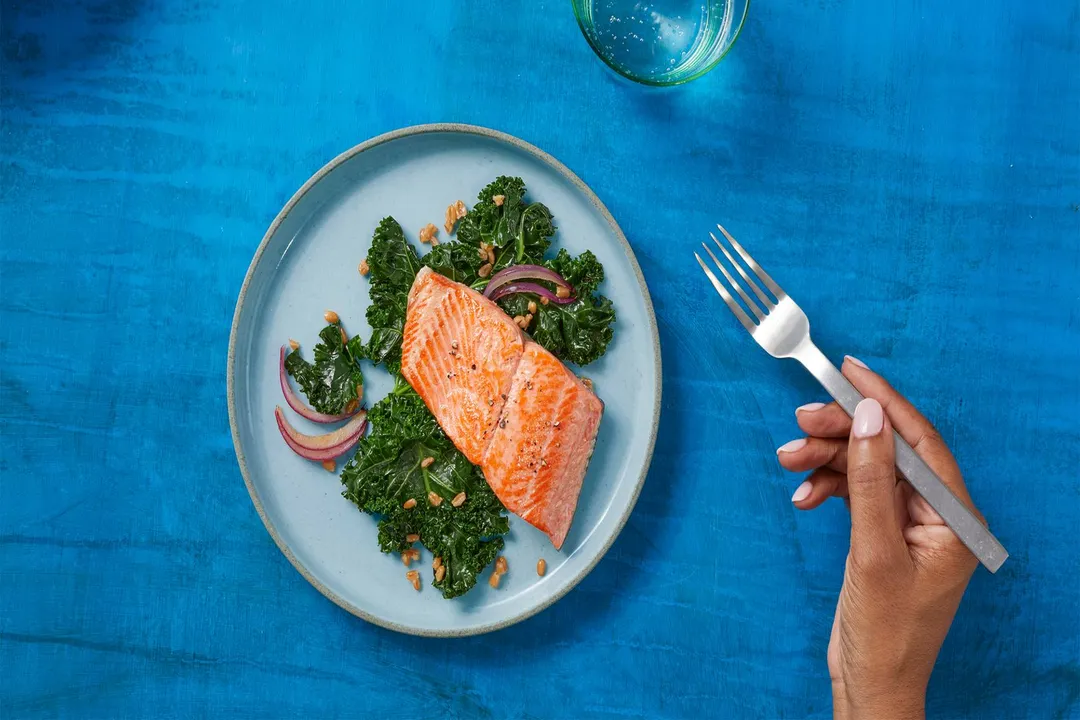
Flavor is another area where Keta requires setting expectations correctly. Its taste is frequently described as milder compared to the intense, robust flavor of Sockeye or the balanced richness of Coho. [2][5] The flesh color mirrors this mildness, often appearing lighter pink, sometimes even pale orange or white, rather than the deep, vibrant red associated with premium Sockeye. [2][5]
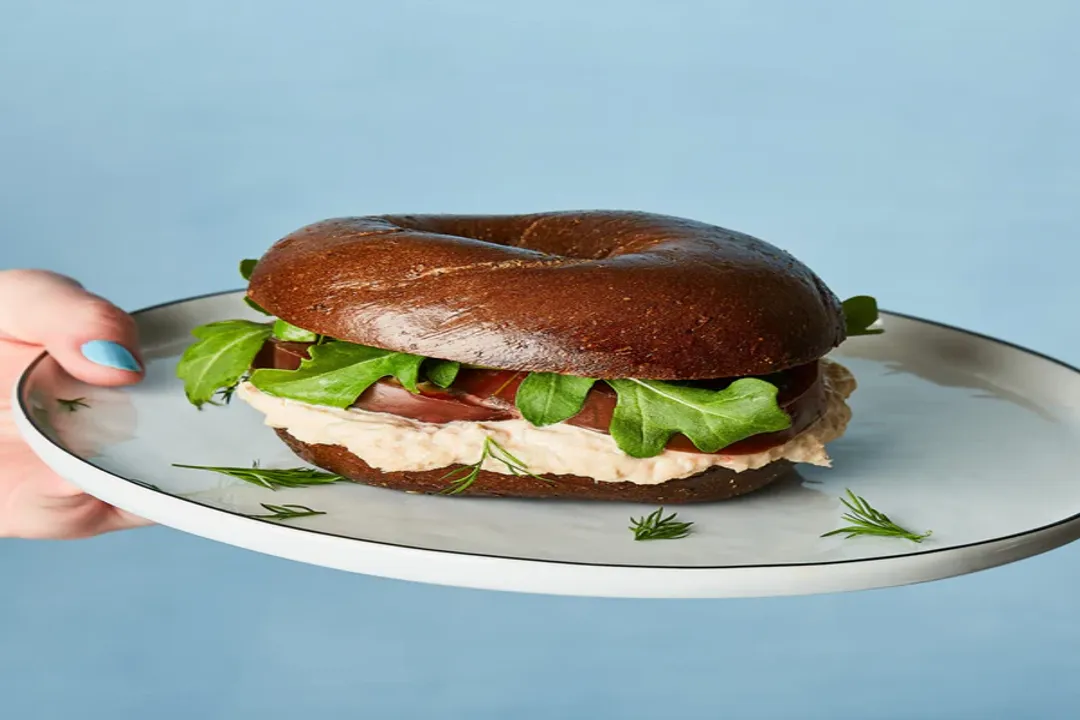
This mildness isn't a flaw; it’s a feature that makes it versatile. Because the flavor isn't overpowering, Keta is highly sought after for processing methods that enhance taste and texture, particularly smoking. [5] When smoked, the fish absorbs flavor beautifully, and its firmer texture ensures it remains intact, making it a favorite for lox, hot-smoked products, and cold-smoked preparations. [5] For consumers who prefer a less "fishy" taste, Keta provides a subtle introduction to salmon, making it a good entry point before moving on to the more assertive flavors of other species. [5]
# Market Positioning
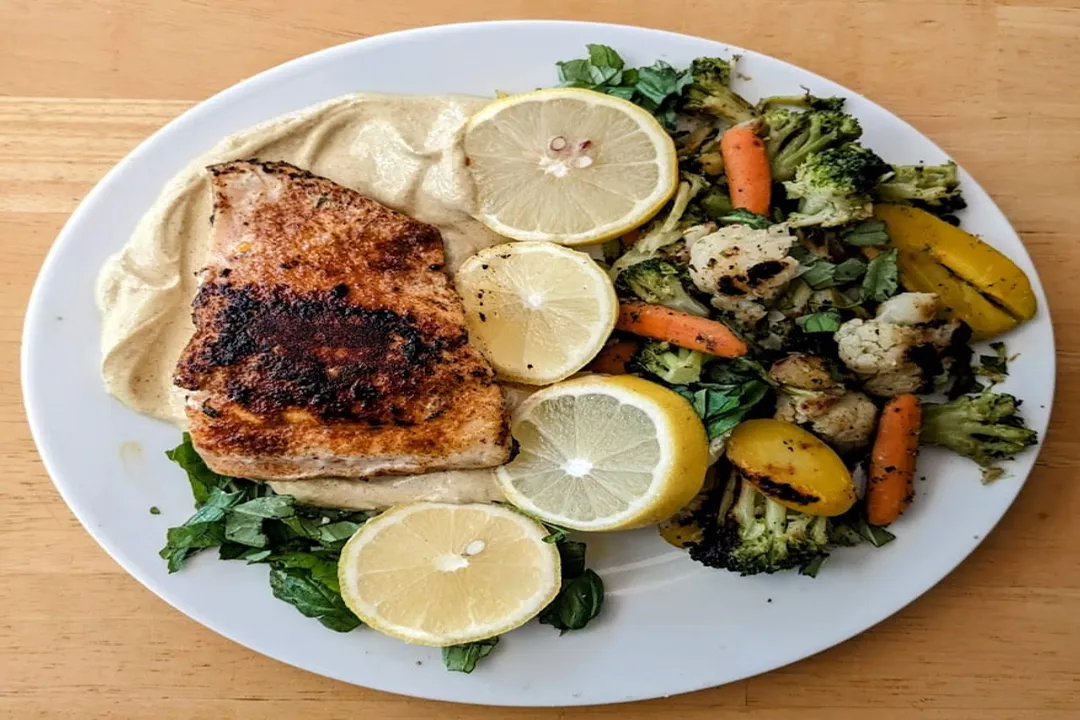
Keta salmon frequently occupies a more accessible position in the seafood market in terms of price when compared side-by-side with the top-tier species. [6] While it is a valued species, especially for the processing industry, general market perception sometimes places it below Sockeye or Coho for fresh-eating applications. [6] This relationship between price and perceived quality means that consumers can often find Keta available in bulk or frozen formats at a better value, such as seeing it offered as a cost-effective option at large retailers. [7]
When you see it sold commercially, you are often seeing the result of an efficient, large-scale supply chain focused on quality processing. For instance, Alaska Gold Brand identifies Keta as one of their core Pacific salmon offerings, indicating its standing within reputable sourcing operations. [2] It’s a workhorse fish for the industry, providing substantial volume for canning, freezing, and smoking operations. [5]
To put this into context for the average shopper comparing species in an Alaskan seafood case, one might mentally organize them based on flavor intensity and fat for fresh consumption:
| Species | Primary Flavor | Fat Content | Best For |
|---|---|---|---|
| Chinook | Very Rich | High | Grilling, high-end fresh |
| Coho | Balanced, Bright | Medium-High | Broiling, general fresh eating |
| Sockeye | Distinct, Intense | Medium | Sashimi, visual appeal |
| Keta (Chum) | Mild | Lower-Medium | Smoking, stir-fry |
| Pink | Very Mild | Low | Canning, processed products |
This comparison table highlights that Keta’s value proposition is often tied to its suitability for transformation rather than its raw, fresh-eaten state, which is an important distinction when evaluating its "quality". [2][5]
# Preparation Insights
The mixed reviews circulating online often come down to application. If a consumer buys Keta expecting the deep red, luxurious mouthfeel of a premium Sockeye fillet and pan-sears it until the internal temperature is high, they are setting themselves up for disappointment—the result will likely be dry. [1][9]
However, when utilized correctly, Keta shines. Consider the smoker. The relative leanness means the flesh dries slightly during the hot-smoking process, concentrating flavor without becoming overly greasy, which some prefer for traditional smoked salmon spreads or appetizers. [5] For those cooking it fresh at home, a practical approach is to pair it with moisture. Think gentle poaching in broth, baking it under a layer of seasoned foil, or using a glaze or marinade that keeps the surface hydrated during cooking. [1] The fact that it's firm enough to withstand being cubed and tossed into a hot wok without disintegrating is a considerable advantage over softer species. [9]
Many reputable seafood purveyors handle Keta specifically for these prepared products, recognizing its inherent qualities instead of fighting them. For example, products sold frozen from trusted sources might be packaged specifically to maintain the texture until thawed, offering a budget-friendly, high-quality salmon option, provided the cook knows how to treat it. [7] When purchasing Keta, look not just at the species name but also at how it was handled post-catch; rapid freezing immediately after harvest is crucial for locking in quality, regardless of the salmon type. [2]
In essence, Keta salmon quality is contextual. If your measure of quality is high fat and intense color for immediate fresh consumption, you might rank it lower than Coho or Sockeye. [2] But if your standard includes excellent utility for smoking, a pleasant mild flavor that plays well with seasonings, and better value on the market, Keta is unequivocally a high-quality product worthy of your table. [5] It simply demands a different style of cooking than its fattier cousins. [1]
Related Questions
#Citations
Anyone else have this experience with Keta Salmon?
What is the difference between coho salmon and keta ...
Keta Salmon
Keta or Chum - Salmon
Keta Salmon 101
Why You Should Avoid Pink Or Keta Salmon At All Costs
Orca Bay Frozen Keta Salmon (Costco) Review
Keta Salmon: Everything You Need to Know