Is keta salmon healthier?
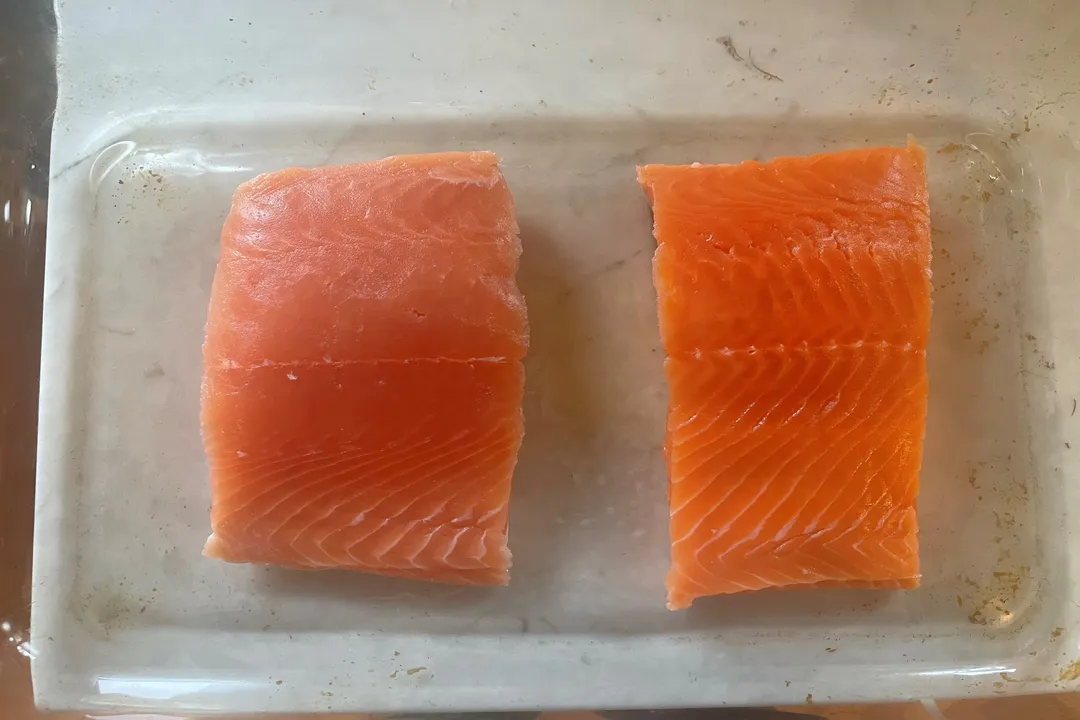
When looking into the world of salmon, the sheer variety can be overwhelming, especially when trying to pinpoint the healthiest option available on the market. Keta salmon, often referred to by its other name, Chum salmon, stands as one of the distinct species of Pacific salmon originating from Alaska. [2][7] For many consumers, the immediate comparison is drawn to the deeply colored Sockeye or the richer Chinook, leading to the central question: how does Keta stack up in terms of health, flavor, and overall value? Understanding its unique characteristics reveals that "healthiest" isn't always a single answer, but depends on dietary priorities. [3]
# Species Name
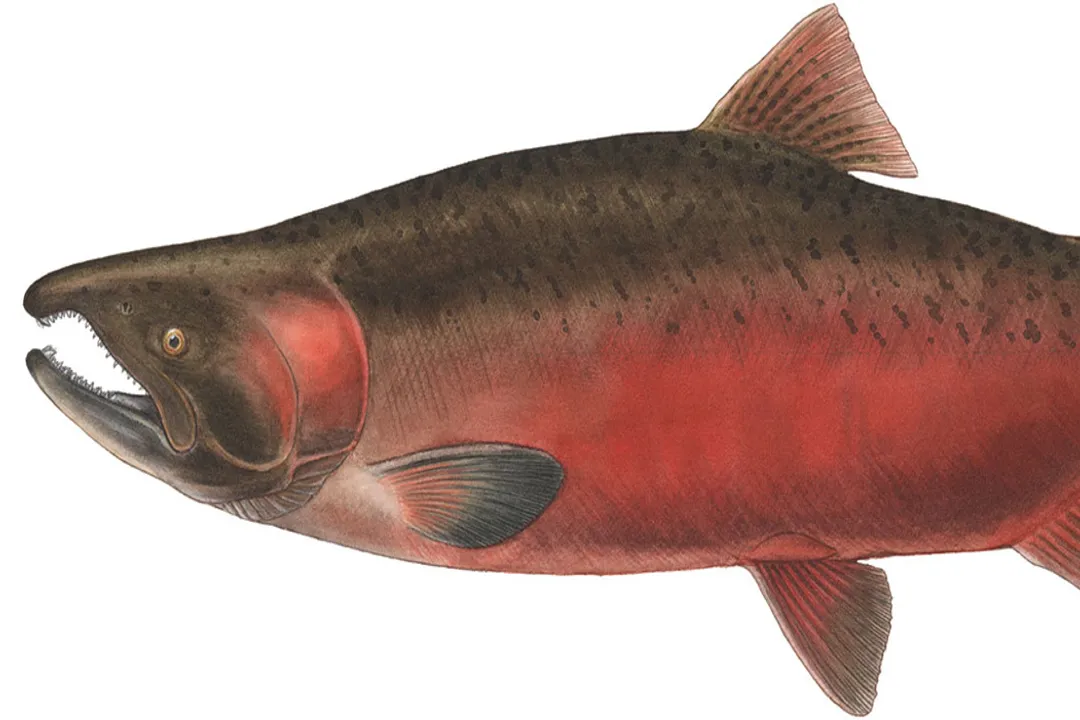
Keta salmon belongs to the five species of Pacific salmon that thrive in Alaskan waters, joining Sockeye, Coho, Chinook, and Pink salmon. [2] The name Keta is often used interchangeably with Chum salmon. [7] This distinction in naming can sometimes lead to confusion when reading labels or sourcing fish, so recognizing both terms is helpful for the discerning buyer. [7] Trident Seafoods notes that Alaska Keta salmon represents a significant portion of the overall catch in the region. [8] As a wild-caught species from a relatively clean environment, its origin—especially when certified as Wild Alaska salmon—contributes significantly to its perception of high quality. [6]
# Health Metrics
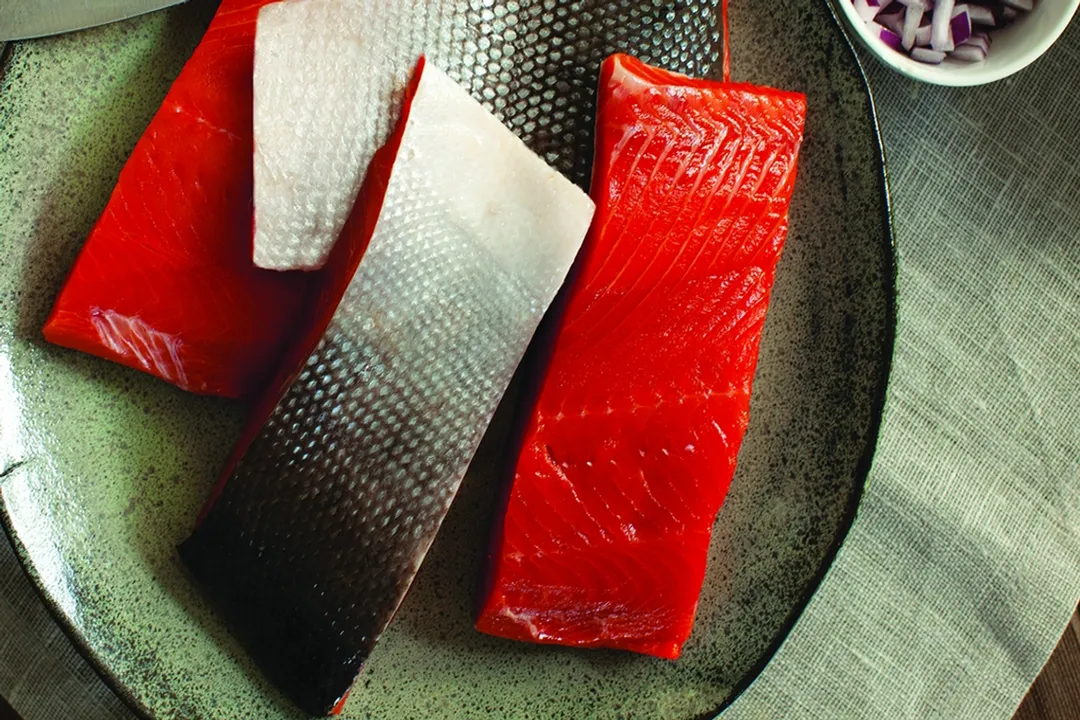
Assessing the health profile of Keta salmon involves looking closely at its macronutrient breakdown, particularly its fat and omega-3 content, compared to its cousins. [3] Generally, Keta is praised as a nutritional powerhouse, delivering substantial benefits. [4] It is an excellent source of high-quality protein, which is vital for muscle maintenance and satiety. [4] Furthermore, like all true salmon, it provides beneficial omega-3 fatty acids, essential for heart and brain health. [4]
However, direct comparisons often reveal subtle differences. While Keta is certainly healthy, it tends to be leaner than species like Sockeye or Chinook salmon. [3][7] This translates to a lower overall fat content, and consequently, a slightly lower concentration of the beneficial omega-3 fats when measured ounce-for-ounce against its fattier relatives. [3] This positioning is important: Keta is not unhealthy; rather, it occupies a valuable niche for health-conscious shoppers who prioritize lean protein intake while still wanting the benefits of high-quality fish oil, rather than seeking the absolute maximum Omega-3 dosage found in fattier varieties. [3][4] For example, if one were tracking total fat intake strictly, a leaner Keta fillet might be preferable over a richer King salmon fillet on a given day. [7]
For consumers concerned about contaminants, third-party evaluations exist. For instance, one specific product of Orca Bay Wild Caught Keta Salmon Fillets received a score of "Best Choice" from the Environmental Working Group (EWG). [5] This designation suggests low levels of contaminants and favorable sourcing practices for that particular offering. [5]
# Flavor Texture
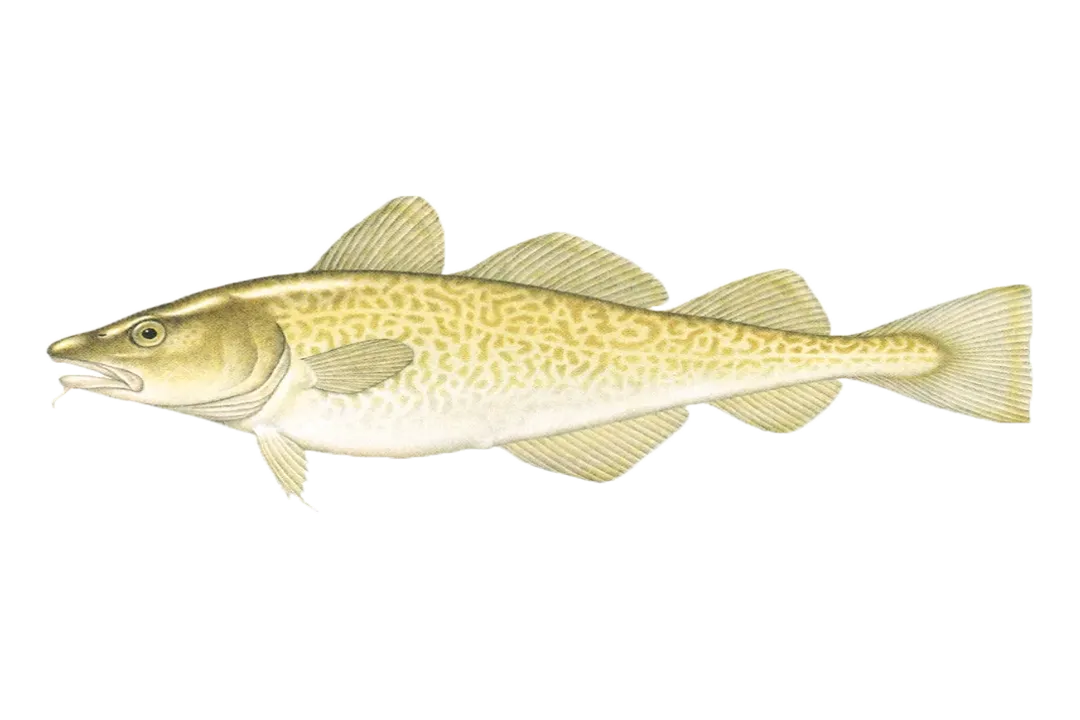
The lower fat profile directly influences the culinary experience of Keta salmon. Because it carries less intramuscular fat compared to Sockeye or Coho, its flesh is naturally paler and possesses a firmer texture. [7] Where Sockeye is known for its deep, rich color and intense flavor, Keta is characterized by a milder taste. [7] This subtlety is an advantage for many cooks. Its less assertive flavor means it readily accepts a wide variety of seasonings and marinades without clashing with the fish's natural profile. [7]
One common discussion point among salmon eaters centers around the potential for dryness. Because the fat acts as a natural buffer during cooking, leaner fish like Keta require a bit more attention to technique. [1] If overcooked, the texture can become somewhat dry or chalky, a common experience noted by home cooks. [1] This is where a slight adaptation in cooking strategy pays dividends. Instead of relying solely on high-heat searing where moisture loss is rapid, home cooks might find Keta excels when gently poached or baked at a moderate temperature, allowing the subtle flavor to shine without compromising the structure. [7] This lean characteristic makes it versatile, though perhaps less forgiving than a very fatty fish like Chinook or high-fat farmed Atlantic salmon.
# Wild Sourcing
The provenance of Keta salmon heavily influences its desirability and perceived health benefits. The vast majority of the Keta salmon highlighted in discussions about quality and nutrition is Wild Alaska Salmon. [6] Fishing within the well-managed waters of Alaska offers assurance regarding sustainability and low levels of pollution compared to some other global sources. [9]
The Wild Alaska Salmon & Seafood association emphasizes the value of purchasing this specific origin. [6] Furthermore, organizations like the Wild Salmon Center advocate for choosing wild salmon species that are well-managed, which supports ecosystem health. [9] When you select Wild Alaska Keta, you are choosing fish that spent their lives feeding naturally in the open ocean, a key factor often cited when differentiating quality across salmon types. [2][8] For cooks aiming for the highest ethical and nutritional standards, verifying the "Wild Alaska" seal is a crucial step, regardless of which species is being purchased. [6]
# Final Verdict
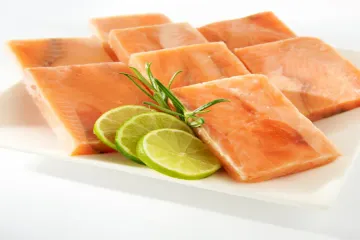
So, is Keta salmon healthier? The most accurate answer is that it is exceptionally healthy, but its precise ranking depends on what metric you prioritize. If your main goal is to consume the absolute highest quantity of Omega-3s per serving, a fattier species like Sockeye might marginally edge it out. [3] However, if you are aiming for a fantastic source of lean, high-quality protein that is less calorie-dense due to lower fat content, Keta is an outstanding choice. [4][7]
Keta salmon represents a remarkable balance: it provides significant essential nutrients while offering a milder taste and firmer texture that appeals to those who do not prefer the strong "fishy" flavor sometimes associated with fattier wild salmon. [7] When sourced from the wild Alaskan fisheries, consumers receive a product with excellent environmental credentials and a clean bill of health, verified by organizations monitoring food safety. [5][6] Ultimately, making Keta a regular part of your diet is a sound decision for general well-being, making it a worthy inclusion alongside the other Pacific favorites. [4]
Related Questions
#Citations
Anyone else have this experience with Keta Salmon? - Reddit
Keta Salmon | Alaska Seafood Marketing Institute
The Healthiest Types of Salmon | Vital Choice
Fresh Keta Salmon Fillet | Health Benefits, Cooking Tips & Recipes
EWG's Food Scores | Orca Bay Wild Caught Keta Salmon Fillets
Wild Alaska Keta Salmon
What is the difference between coho salmon and keta salmon?
Wild Alaska Keta Salmon | Species | Trident Seafoods
What Salmon Should I Eat?