Which is healthier, Chocos or cornflakes?
The ongoing debate between choosing Chocos or plain Corn Flakes for breakfast often boils down to a quick assessment of sugar versus simplicity, yet the full picture requires looking closer at ingredient processing and nutritional claims. While both are popular, convenient breakfast items, they occupy different ends of the health spectrum, with experts sometimes cautioning against both if one is seeking optimal daily nutrition. [1] The question isn't just which one is "healthier," but which one aligns better with your specific daily intake goals, especially concerning added sugars.
# Ingredient Composition
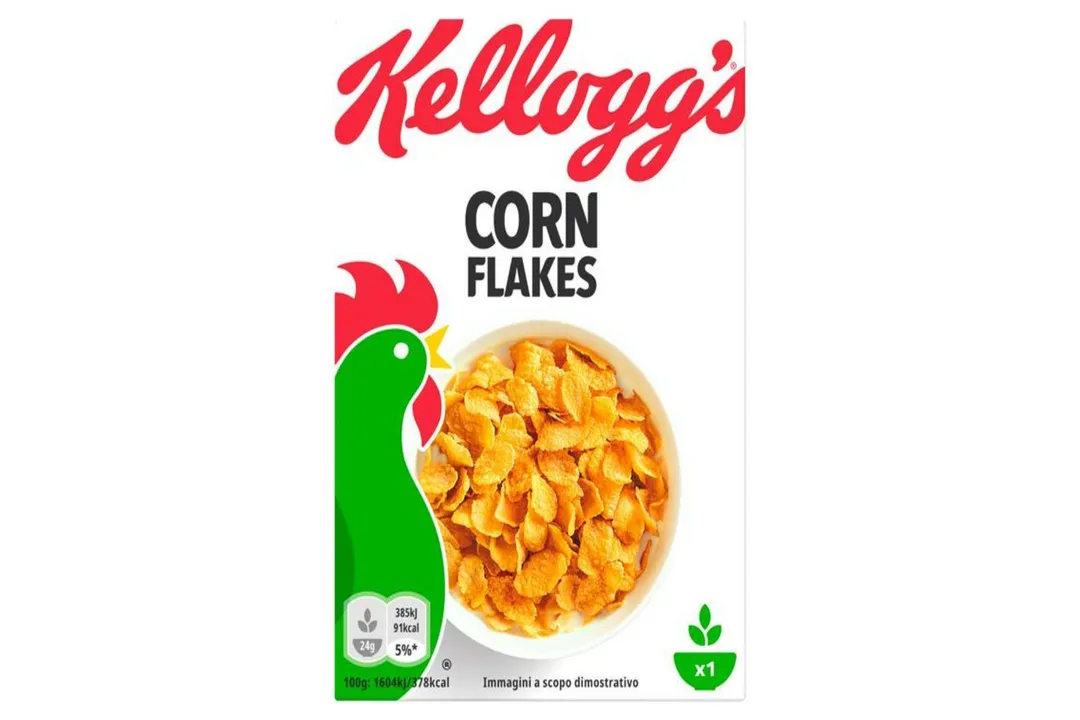
When comparing the two cereals, the fundamental difference lies in flavor additives and primary grain type. Chocos, the chocolate-flavored option, contains ingredients like soya and cocoa powder alongside sugar. [4] Corn Flakes, on the other hand, are primarily made from milled corn, with sugar and malt flavoring also present in the main ingredients. [4][4]
This foundational difference immediately suggests a divergence in nutritional impact. Cereals marketed towards children, such as Chocos, are often sweetened heavily to enhance palatability. [4] In contrast, plain Corn Flakes are frequently marketed with the idea of being a healthier, less embellished choice, often deriving their structure from whole grain corn, although they are described as ultra-processed. [1][4]
It is essential to note that the base ingredient for Corn Flakes is indeed corn—specifically field corn, which needs milling to become edible for humans, unlike the sweet corn we eat on the cob. [4] Despite this, many reviews categorize Corn Flakes as an unhealthy food because they are ultra-processed and can contain added sugars and malt flavoring. [4]
# Sugar Content Comparison
Sugar is often the most significant differentiator between these two breakfast staples. For general health and weight control, lower sugar intake is usually the goal, which tips the scale in favor of the plainer option. [4]
One analysis found that a 30g serving of Kellogg's Chocos (without milk) can contain approximately 10.4g of sugar. [4] If an individual were to consume more than the recommended serving—which is common—this sugar load increases quickly. One user shared an experience of accidentally consuming 210 grams, resulting in 65 grams of sugar, which is a very significant intake for a single meal. [4]
When we look at plain Kellogg's Corn Flakes, a 100g analysis cited a sugar content of 8g. [1] Another source reviewing nutritional facts suggested that Corn Flakes typically contain much less added sugar than Chocos. [4] If we extrapolate the 8g sugar per 100g from the GoodtoKnow data to a 30g serving, that would be about 2.4g of sugar, which is substantially lower than the 10.4g reported for Chocos in the other source. [4][1] Even standard Rice Krispies (often comparable to plain flakes in the 'less sweet' category) were reported at 7.9g of sugar per 30g serving. [1]
For context, a different assessment of Chocos stated that a 30g serving has 24.9g of carbohydrates, of which 10.4g is sugar. [4] This high sugar content can cause a blood sugar spike followed by a mid-morning slump, leading to cravings for more sugar or caffeine. [1] Furthermore, foods with high added sugar content are associated with health issues like tooth decay, obesity, and an increased risk of diabetes. [4]

# Glycemic Load and Energy
Beyond the sheer amount of sugar, the type of carbohydrate matters, particularly concerning blood glucose levels. Corn Flakes have been noted to possess a high glycemic index (GI) of around 81. [4] High GI foods cause blood sugar levels to rise quickly, increasing the demand for insulin. [4] This rapid spike and subsequent drop can lead to a feeling of inactivity and false starvation signals, making it difficult to maintain energy throughout the morning. [4]
If the concern is managing blood sugar, especially for those with diabetes risk, Corn Flakes, due to their high GI and carbohydrate content, are not ideal for regular consumption. [4] It's interesting to note that even though Corn Flakes are low in fat, the sugar present can still promote fat storage when consumed in excess. [4]
Chocos, being a flavored, likely more processed product, often face similar scrutiny regarding rapid energy release due to their sugar content. [4] Some commentary suggests that because Chocos are highly sweetened, they should be considered a "treat only" food rather than a healthy breakfast staple. [4]
# Fiber and Satiety
A truly healthy breakfast cereal should contain sufficient fiber, protein, and healthy fats to maintain stable blood sugar levels and keep you full until lunch. [1] In this area, both Chocos and standard Corn Flakes generally fall short when compared to alternatives like muesli or porridge. [1]
Kellogg's Corn Flakes are specifically flagged as being low in fiber. [1] While they are low in fat (0.9g fat, 0.2g saturated fat per 100g), this lack of fiber means they are less effective at providing lasting satiety compared to wholegrain options. [1] Low protein content in plain Corn Flakes also contributes to them not keeping you full for long periods. [4]
While ingredient lists for Chocos are less frequently detailed in the provided data, processed, crunchy, sweetened cereals typically do not prioritize high fiber content. [4] In fact, one assessment noted that the grain used to make cereals like Chocos is often processed to the point where the natural fiber and vitamins are removed, requiring them to be artificially added back in later. [4]
Here is a simplified comparison of known attributes for standard versions:
| Feature (Per 100g or noted serving) | Kellogg's Chocos (Approx.) | Kellogg's Corn Flakes (Reported) | Health Implication |
|---|---|---|---|
| Sugar Content (30g) | ~10.4g [4] | ~2.4g (estimated from 8g/100g) [1] | Chocos cause a higher immediate sugar spike. |
| Fat Content | Low (0.8g per 30g) [4] | Very low (0.9g total per 100g) [1] | Both are relatively low in fat as served. |
| Fiber Content | Not explicitly noted, likely low | Low [1] | Neither provides significant staying power alone. |
| Glycemic Index (GI) | Not noted, but high sugar suggests high GI | High (GI of 82) [4] | Both risk rapid blood sugar increase. |
| Processing Level | Heavily flavored/sweetened | Ultra-processed [4] | Both are manufactured, not whole foods. |

# Practical Nutritional Adjustments
Given that both options present nutritional compromises—Chocos with high sugar, Corn Flakes with low fiber and high GI—the decision shifts to how you fortify your bowl. Simply pouring either cereal with milk is not enough for a balanced start if you aim for sustained energy.
A useful piece of advice centers on mitigating the inevitable sugar and carbohydrate impact. If you choose the sweeter Chocos, you must control the portion size, perhaps limiting intake to 30–60 grams max, and pair it with a substantial protein source like milk or yogurt to help blunt the ensuing blood sugar curve. [4] For instance, pairing Chocos with a banana adds natural sweetness along with fiber, which is better than adding refined sugar. [4]
For Corn Flakes, since they are low in fiber, the best action is to add what they lack. A great strategy is incorporating fresh fruit, like berries or apples, or nuts to boost the fiber and protein content, making the meal more filling and nutritionally dense. [4] This transforms a simple carbohydrate base into a more complete breakfast.
# When Chocos Might Be Acceptable
While generally considered the less healthy choice due to added sugar, Chocos might serve a purpose in very specific contexts. If the primary goal is palatability and compliance, especially for a child who would otherwise refuse breakfast entirely, a small, controlled portion of Chocos can ensure they consume some calories and nutrients from fortified milk. [4] Furthermore, for an athlete or a highly active individual needing quick-release calories before an intense activity, the sugar content provides immediate energy, though this must be managed carefully. [4] The key takeaway from those who successfully incorporate it, even while trying to lose weight, is measuring the portion rigorously and ensuring the rest of the day's diet compensates with higher protein and lower overall carbs. [4]

# Corn Flakes' Historical and Modern Standing
It is worth remembering that Corn Flakes were originally intended to be a healthier alternative to the very sugary breakfast options available in the late 19th century. [4] Today, they are still popular, but they are often criticized because their low protein content doesn't provide lasting fullness, and their high GI can be problematic. [4] Some people in regions with strong traditional breakfast cultures question why one would choose these imported, processed cereals over nutrient-rich local staples like Idli, Dosa, Upma, or whole wheat options. [4] This perspective highlights that "healthy" must be relative to the overall diet context.
# Choosing Whole Grains
For those looking for a consistently healthier choice than both options, the consensus leans toward whole grains that are naturally low in sugar. Cereals like Weetabix (cited with only 4.2g sugar per 100g) or Nestle Bitesize Shredded Wheat (with only 0.7g sugar per 100g) are recommended because they are high in fiber and low in added sugar and salt. [1] Even porridge oats are lauded for being high in fiber and protein, which aids in cholesterol reduction and slow-release energy. [1]
If you prefer a flake texture but want better nutrition than Corn Flakes, opting for wheat flakes might be better, as they naturally contain more fiber from the whole wheat bran compared to the starchy corn base. [4]
Ultimately, the comparison between Chocos and Corn Flakes shows that neither is a nutritional powerhouse. Chocos carry a heavy sugar tax, while Corn Flakes offer minimal fiber and a high glycemic load. The "healthier" pick is Corn Flakes, but only if you consciously add fiber and protein to balance the meal and prevent the rapid blood sugar fluctuations that high GI foods cause. [4][1] If you rely on cereal daily, switching to a true wholegrain, low-sugar option provides more consistent benefits for blood sugar stability and satiety. [1]
#Videos
Kellogg's Chocos VS Kellogg's Corn flakes Which one Is ... - YouTube
Trying & Rating Breakfast Cereals! - YouTube
Related Questions
#Citations
Which is healthier, Kellogg's Chocos or Corn Flakes? - Quora
Kellogg's Chocos VS Kellogg's Corn flakes Which one Is ... - YouTube
Expert advice reveals the best and worst cereals for your diet