What are the main ingredients in Chocos?
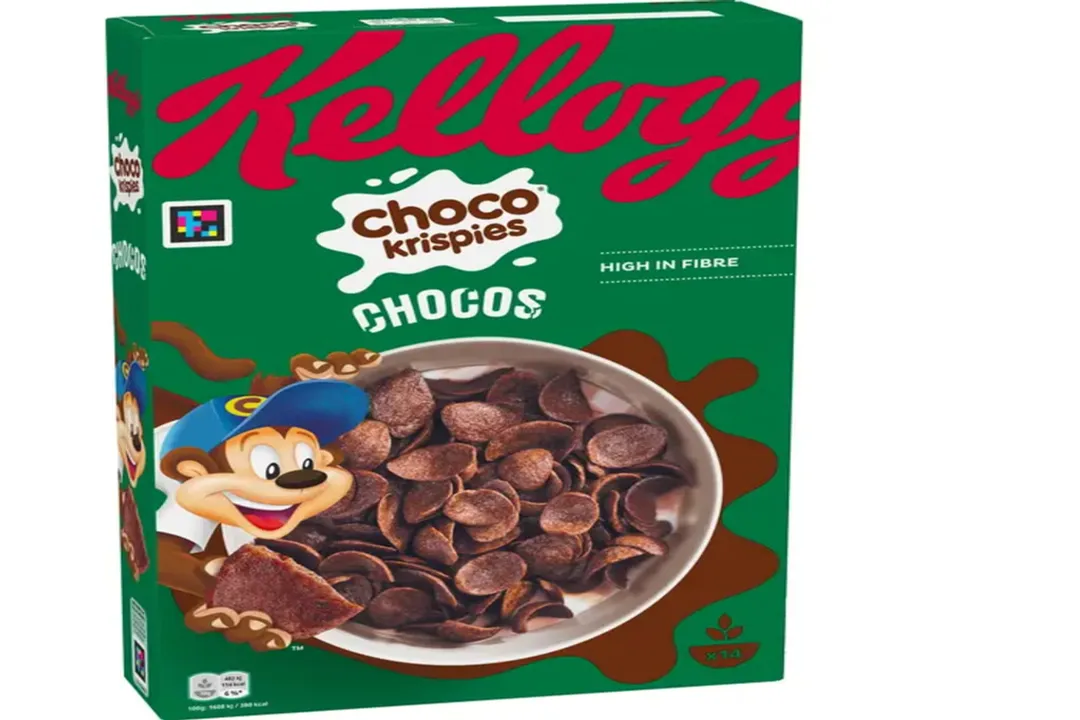
The composition of any widely recognized food item like Kellogg's Chocos is often a subject of curiosity, especially for those looking to understand what they are consuming beyond the initial, appealing chocolate flavor. Delving into the ingredient labels reveals a structure typical of many fortified, ready-to-eat breakfast cereals, centered around milled grains, sweetness, and cocoa, but with distinct variations depending on the specific product variant and region. [1][2][3]
# Core Grain Base
The foundation of the Chocos experience is its cereal base, which is consistently grain-derived, though the exact type and degree of processing can shift between product lines. In many standard offerings, the ingredient list begins with Wheat Flour. [6] For instance, one detailed analysis of a product listed Wheat Flour as the top ingredient, estimated to constitute around 50% of the cereal mass. [6] However, in other markets or product versions, the emphasis is placed on a healthier starting point, with Whole Grain being highlighted as the very first ingredient. [1]
This subtle difference in declaration—"Whole Grain" versus "Wheat Flour"—is noteworthy when considering the product's overall nutritional positioning. While whole grain inclusion is generally positive as it retains fiber and nutrients, the term "Wheat Flour" often refers to refined flour, which has had the bran and germ removed. [6] The inclusion of whole grain content is also promoted in specific variations, such as the Multigrain Chocos, which details a Multigrain Flour Mix (64.8%) containing Wheat Flour (Atta), Whole Oats Flour, and Corn Meal. [3] This suggests that different Chocos formulations balance the wheat base with other grains to achieve specific textural or marketing goals. [3] For example, another variant, Choco Krispies - Chocos, specifies a higher percentage of Wheat flour at 72%. [5]
A point worth noting is that when a manufacturer chooses to list a refined ingredient like Wheat Flour first, they may be strategically managing the perception of the product's health profile, even if whole grains are present elsewhere in the list or in other variants. [6] Conversely, the Multigrain iterations make it clear that multiple cereal sources contribute to the structure. [3] The cereal’s final shape, whether the classic piece or a filled pocket like Chocos Fills, is achieved through an extrusion process involving high heat and pressure applied to this grain-based dough.
# The Chocolate Element
The defining characteristic of Chocos, its chocolate taste, is derived from a combination of cocoa products and sweeteners concentrated into a powder or cream. [2][6] Across the various product examples, Chocolate Powder is a significant component, often listed second only to the primary grain. [6][5] This chocolate powder itself is a mixture, prominently featuring Sugar and Cocoa Powder. [2][5]
In one detailed breakdown, the chocolate powder constituted 28% of the total product, with the cocoa powder component estimated to account for roughly 7.0% of the final cereal weight. [6] Some descriptions explicitly mention the presence of cocoa powder as a major ingredient alongside soya, irrespective of the chocolate powder inclusion [^6 - Quora answer].
The Chocos Fills Double Chocolaty variant elaborates on this by specifying a distinct Choco Cream filling, which contains its own blend of ingredients, including Cocoa Solids (6.3%). [2] In this filled version, there are separate additions of Cocoa Solids (5%) to the main cereal matrix as well. [2] This dual application—coating/flavoring the exterior and filling the interior—enhances the chocolate experience but naturally increases the density of the core flavor components. [2]
# Managing Sweetness and Texture
Like most cereals marketed toward a younger audience, the ingredient list for Chocos features substantial amounts of added sugars, which are necessary both for flavor appeal and for achieving the desired crisp texture during manufacturing. [6][7] Consumers should recognize that the sweetness is typically sourced from more than one type of sugar.
The main sweetener is straightforwardly listed as Sugar. [6] However, the presence of Glucose Syrup is also noted in the base formulation. [6] The dual inclusion of refined sugar and glucose syrup is a common technique in food science. While refined sugar provides simple sweetness, glucose syrup is essential for controlling crystallization, moisture retention, and achieving the specific crunch that the cereal is known for. [6] One analysis indicated that the product contains added sugars approximating 37% of the composition, derived from both the primary sugar and the syrup. [6] Nutritional snapshots for a standard 30g serving show sugar content around 8.7g to 10.4g, leading some to suggest limiting consumption due to the quick energy spike these sugars can cause. [6][7]
The inclusion of both Sugar and Glucose Syrup is precisely why the product, in some analyses, is flagged as an Ultra-processed food. [6] This classification stems from the use of processed ingredients that typically offer minimal nutritional value beyond energy, which is an important consideration when comparing Chocos to simpler cereal options like plain cornflakes or oats. [6][7]
# Fortification and Other Components
To counter the nutritional deficit often associated with highly processed grain and sugar content, Chocos cereals are fortified with essential micronutrients. [6] The manufacturer integrates a range of Vitamins & Minerals into the matrix. Key vitamins often listed include the B Vitamins (B1, B2, B3/Niacin, B6, B12), and Vitamin D. [6] Minerals frequently present are Iron and Calcium. The inclusion of Calcium Carbonate is noted, serving as a mineral source. [6]
Beyond the structural and enriching ingredients, several other components define the final product:
- Salt: Included for flavor enhancement, typically present in low amounts relative to the other bulk ingredients. [6]
- Flavouring: This category is broad, covering both Natural and Artificial flavorings, sometimes specified as Cream or Vanilla in certain regions. [2][6] The presence of nature-identical flavors, particularly those relating to cream, has led to discussions regarding the potential inclusion of dairy derivatives, though this is variant-dependent. [4]
- Spices: Cinnamon is listed as an ingredient in the standard version, contributing an aromatic layer to the cocoa profile. [6][5]
- Oils and Additives: Some formulations, particularly the filled variety, contain Edible Vegetable Oil (like Sunflower or Palm Oil) and an Antioxidant (such as INS 307b) to maintain freshness and texture. [2][3]

# Analyzing Formulation Strategy
When examining the ingredient lists across different product pages, an interesting observation about ingredient hierarchy emerges. If we compare the standard Chocos, which may list Wheat Flour first, [6] with the Multigrain version that explicitly details a high percentage of its Multigrain Flour Mix at the top, [3] we can infer a conscious differentiation in messaging. It appears the brand tailors its primary ingredient declaration based on regional preference or targeted health messaging, even if both cereals rely heavily on processed grain components to form their shape and base. [1][3]
Furthermore, the high concentration of sugar requires a sophisticated approach to texture management. The simultaneous use of granular Sugar and viscous Glucose Syrup serves a clear technical function that goes beyond mere sweetening. If only sugar were used, the cereal might be overly brittle or susceptible to moisture absorption, leading to a rapid loss of crunch in the milk—a product failure for a chocolate cereal. [6] The syrup acts as an anti-crystallizing agent and binder, ensuring the crispy exterior remains intact longer. This intentional layering of sweeteners and texturizers solidifies its classification among more heavily processed breakfast foods, contrasting sharply with single-ingredient options like plain rolled oats. [6][7]
# Dietary Implications and Variations
The primary nutritional concern raised in user discussions about Chocos relates to its added sugar content, which can result in a significant carbohydrate load in a typical serving, especially when paired with milk and potentially extra sugar added by the consumer. [6][7] This profile leads some to categorize it as a "treat only" food rather than a daily staple, though others find controlled portions acceptable within a broader diet plan [^6 - Saurabh Singh].
The presence of Milk Solids in the Chocos Fills variant is a crucial detail for those following restricted diets, such as veganism, as it introduces an animal-derived ingredient that may not be present in the base cereal (though specific vegan status remains unclear for all versions). [2][4] This variation underscores the necessity of checking the specific label, as the "Chocos" umbrella covers products with fundamentally different compositions. [2][3] For example, the Fills version has a filling component, whereas the standard extruded pieces rely on the overall dough composition for flavor and structure. [2]

# Conclusion on Ingredients
Ultimately, the main ingredients that define Kellogg's Chocos are a blend of milled wheat or multigrain flour, a significant quantity of sugar combined with glucose syrup for flavor and texture, and a considerable amount of chocolate powder derived from cocoa solids. [1][2][3][6] This foundation is supported by added vitamins and minerals to offer nutritional fortification, alongside salt and various flavorings to create the distinct, crunchy, chocolate-milk experience that has made it popular. [6] Understanding this ingredient breakdown, particularly the dual role of sugars and the reliance on processed flour, offers a clearer picture of what contributes to the cereal’s taste and texture profile.
Related Questions
#Citations
Kellogg's® Multigrain Chocos Nutritious Multigrain Cereal
Kellogg's Chocos 156 g - Limasy.com
is kellogg's chocos vegan? - Reddit
Kelloggs Choco Krispies - Chocos, 420 g
Chocos – Kellogg's – 375 g - Open Food Facts
Which is healthier, Kellogg's Chocos or Corn Flakes? - Quora
Kellogg's Chocos 385g chocolate breakfast cereal - Quicky BD