What are Japan's main dishes?
Japanese cuisine is celebrated globally for its meticulous presentation and profound respect for ingredients, but reducing its main dishes to just sushi and tempura misses the vibrant reality of what people actually eat daily in Japan. While those iconic foods certainly hold their place, the true backbone of the Japanese table is built upon satisfying, well-balanced meals centered around rice, noodles, and expertly prepared proteins. [1][7] Understanding the main courses means looking past the specialized sushi counters and into the home kitchens and local shokudō (casual eateries) where staple dishes offer deep comfort and flavor. [10]
# Rice Culture
Rice, or gohan, remains the undisputed foundation of nearly every traditional Japanese meal, serving as the central component around which side dishes are organized. [7] It is not merely a side; it is the anchor. When rice is elevated to a primary focus, the resulting dish is often a donburi, or rice bowl meal. [2] These one-bowl wonders offer a complete, satisfying experience, layering savory toppings over steaming hot rice.
Consider Katsudon, for instance. This dish layers a deep-fried pork cutlet (tonkatsu) that has been simmered with egg and a sweet-savory broth right on top of the rice. [2][7] Similarly, Gyudon features thinly sliced beef and onions simmered in a sweet sauce, creating a quick, hearty meal perfect for a fast lunch or a late-night bite. [2] Another essential don is Oyakodon, whose name literally translates to "parent-and-child donburi," referring to the use of both chicken and egg in the simmering sauce. [7][1]
These bowls represent efficiency and deep flavor layering. Unlike Western layered dishes where components are often separate, in a donburi, the broth or sauce soaks into the rice, ensuring every bite carries the essence of the topping. [1] This textural integration, where the soft egg in Katsudon melds with the grains, is key to its widespread appeal as a main course. [2]
# Noodle Power

If rice is the foundation, noodles are perhaps the most varied and passionately debated main course category in Japan. [1][7] The three major players—Ramen, Udon, and Soba—are all distinct in texture, preparation, and regional significance, yet they all serve as phenomenal vehicle for rich broths and toppings. [1]
Ramen is globally famous, yet its true complexity lies in regional variation. While its origins are Chinese, the Japanese perfected it into countless styles, distinguished primarily by their broth base: shio (salt), shoyu (soy sauce), miso, or the rich, creamy tonkotsu (pork bone). [7][1] A key difference between a casual bowl of ramen you grab on the street and a meticulously crafted bowl from a specialized shop is the time dedicated to the stock. A truly great ramen shop might spend days developing the depth of its broth, using various bones, vegetables, and aromatics, often resulting in a flavor profile that far surpasses what a typical home cook can manage on a weeknight. [1]
Udon noodles are characterized by their thick, chewy texture, made from wheat flour. [7] They are often served hot in a milder, clearer broth called kakejiru, which is based on dashi. [1] Udon is incredibly versatile; it can be served cold with a dipping sauce (zaru udon) or served hot with toppings like fried tofu (kitsune udon) or tempura (tempura udon). [7]
Soba noodles, made from buckwheat, offer a nuttier flavor and a slightly firmer bite. [7] Like udon, they are enjoyed hot or cold. When served cold, they are frequently dipped into a concentrated sauce (tsuyu), often seasoned with soy sauce and mirin. [1] The philosophy behind choosing between udon and soba can sometimes subtly hint at local geography. For instance, areas with excellent water quality are often lauded for producing superior soba because the delicate flavor of the buckwheat is easily tainted by poor water; conversely, some regions favor the heartiness of udon. [5] This highlights a subtle dedication to ingredient quality that underpins much of Japanese cooking philosophy, a level of detail often invisible to the casual observer. [2]
# Crispy Favorites
Japanese culinary arts excel at mastering specific preparation techniques, and frying (agemono) is certainly one of them. The goal is not greasy heaviness, but an almost weightless, airy crispness achieved through precise temperature control and batter composition. [7]
Tempura is the most delicate example. It involves lightly coating seafood or vegetables in a very thin batter—often just ice-cold water mixed with flour—and quickly frying it. [1][7] The final product should shatter delicately when bitten, allowing the flavor of the main ingredient, perhaps shrimp or sweet potato, to shine through. [7]
Tonkatsu, on the other hand, is a much heartier main dish. It features a thick slice of pork loin or fillet that is breaded with panko (Japanese breadcrumbs) before deep-frying. [7] Panko, being coarser than standard breadcrumbs, absorbs less oil and creates a distinct, jagged texture that stays crisp longer. [1] Tonkatsu is typically served sliced over rice or with shredded cabbage, accompanied by a thick, tangy Worcestershire-like sauce that cuts through the richness of the pork. [2][7]
# Charred Flavors
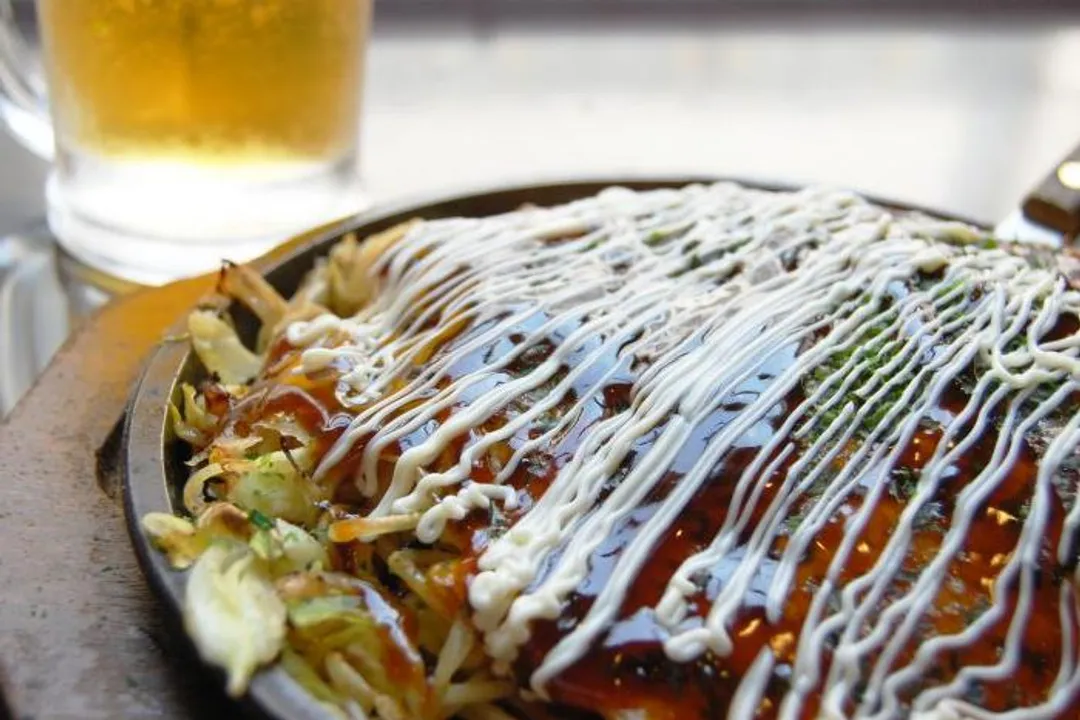
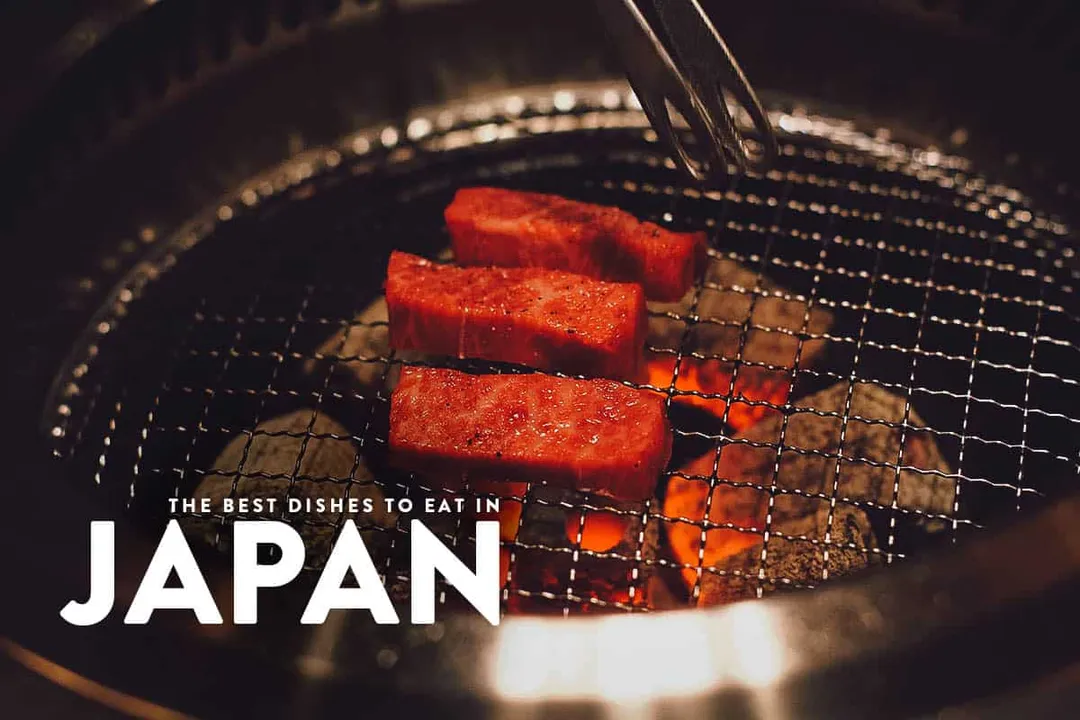
Yakimono, or grilled dishes, are staples found everywhere from high-end restaurants to street stalls, emphasizing smoky, caramelized flavors. [1]
Teriyaki, which has become a global term, refers to a cooking method where food is glazed with a tare sauce (soy sauce, mirin, sugar, sake) while being grilled or broiled. [7] While chicken or salmon teriyaki is common, the technique is applied to various meats and vegetables to achieve a deep sheen and sweet-savory crust. [1]
Yakitori, often seen as a snack or appetizer, frequently functions as a main course when eaten in quantity, especially at an izakaya (a Japanese pub). [1] It consists of bite-sized pieces of chicken—every part of the bird is used—skewered and grilled over charcoal. [7] The skewers are seasoned either with salt (shio) or brushed with tare sauce during grilling, allowing the charcoal smoke to infuse the meat deeply. [1][7]
# Everyday Plates
While ramen and sushi draw international crowds, the most frequently consumed main dishes within Japanese homes often fall into the category of yōshoku (Western-influenced Japanese cuisine) or simple simmered dishes. [10] These are the meals families rely on for quick nutrition and familiar comfort. [5]
Japanese Curry Rice (karē raisu) is an excellent example. Imported to Japan during the Meiji era, it was adapted to suit local palates, resulting in a thicker, sweeter, and less aggressively spiced version than its Indian ancestor. [10] It is almost always served over rice and often includes root vegetables like carrots and potatoes, and is frequently paired with tonkatsu (creating katsu-karē). [1][5] It’s a quintessential example of how Japan adopts and perfectly refines foreign concepts into its own main dish canon. [10]
Nikujaga (meat and potatoes) is another home-cooking stalwart. [10] It’s a stew made by simmering thinly sliced beef or pork, potatoes, and onions in a broth flavored lightly with soy sauce and sugar. [7] It embodies the nimono (simmered dish) category, offering mild, deeply savory flavors that require minimal active cooking time once the ingredients are combined. [1] In contrast to the bold, highly seasoned flavors of restaurant ramen, Nikujaga offers a gentle nourishment that speaks to the home kitchen’s focus on balance and ease. [10] A key difference to note is the focus on quick preparation: while a professional chef can spend eight hours perfecting a fish stock for a formal meal, home cooks prioritize dishes like nikujaga or gyudon because they can be prepared adequately in under 30 minutes, making them ideal for busy modern life. [5]
# Noodle Variations
Beyond the main three, there are specific noodle preparations that stand alone as main dishes. Yakisoba features stir-fried wheat noodles mixed with pork, cabbage, and a savory, slightly sweet sauce, often associated with festival stalls or casual dining. [7] It is a complete meal cooked quickly in a large, flat-bottomed pan or griddle (teppan). [2]
Another frequent sight is Hiyashi Chūka, which translates to "chilled Chinese." This is a cold ramen dish, popular in the summer months, served with crisp toppings like cucumber, ham, and egg, dressed with a light, vinegary soy sauce dressing. [7] It perfectly illustrates how the Japanese adapt core ingredients like wheat noodles to suit seasonal demands, transforming a hot winter staple into a refreshing summer main course. [1]
# Global Crossover
While many dishes listed are distinctly Japanese, others demonstrate successful culinary integration. Gyoza, originally Chinese potstickers, are now almost universally present in Japanese meals, often accompanying ramen or served as a side dish to a rice plate. [1][5] In Japan, they are most commonly pan-fried (yaki-gyoza), creating a crispy bottom and a soft, steamed top. [7]
Okonomiyaki presents a fascinating case study in regional pride as a main dish. Often described as a savory pancake, it involves mixing flour, eggs, water, shredded cabbage, and various additions (like pork belly, seafood, or cheese) on a griddle, then topping it with a special sauce, mayonnaise, dried bonito flakes (katsuobushi), and dried seaweed (aonori). [1][7] While Osaka style often mixes all ingredients into one batter, the Hiroshima style layers the ingredients, often including noodles, creating a multi-textured experience that requires a specific cooking approach. [7] This is more than just a pancake; it’s a highly customizable, interactive main course experience. [2]
In summary, Japan's main dishes showcase a mastery of technique—from the feather-light crisp of tempura to the slow-simmered depth of gyudon sauce—all unified by a commitment to balance. Whether it's the comforting familiarity of nikujaga at home or the intense flavor exploration of a regional ramen shop, these meals provide a complete picture of a cuisine that values both tradition and constant, subtle refinement. [1][7][10]
Related Questions
#Citations
50 Traditional Japanese Foods: Top Traditional Dishes - byFood
Japanese Main Dish Recipes - Allrecipes
Japanese Dinner Recipes - Just One Cookbook
Japanese dishes - Japan Guide
What are "typical" (not traditional!) food that Japanese eat at home?
37 Delicious Japanese Recipes Worth Mastering - Food Network
List of Japanese dishes - Wikipedia
Japanese Main Dish Recipes - The Spruce Eats
Japanese Food: 45 Must-Try Dishes in Japan (With Recipes)
Most common every day Japanese meals? | Japan Reference