What are the three great teas of Japan?
The world of Japanese tea is deeply interwoven with the nation's aesthetic, history, and daily ritual, creating a landscape far more nuanced than a simple categorization might suggest. While there are countless regional specialties and processing variations—from the roasted aroma of Hojicha to the nutty, savory blend of Genmaicha [4]—a select few stand out as foundational pillars of the country's unique tea tradition. These are the teas that define Japanese tea processing, flavor profiles, and cultural significance, standing apart for their distinct cultivation and preparation methods. Recognizing these three allows for a clearer appreciation of the artistry involved in crafting Nihoncha, or Japanese green tea. [5][8]
# Sencha Popularity
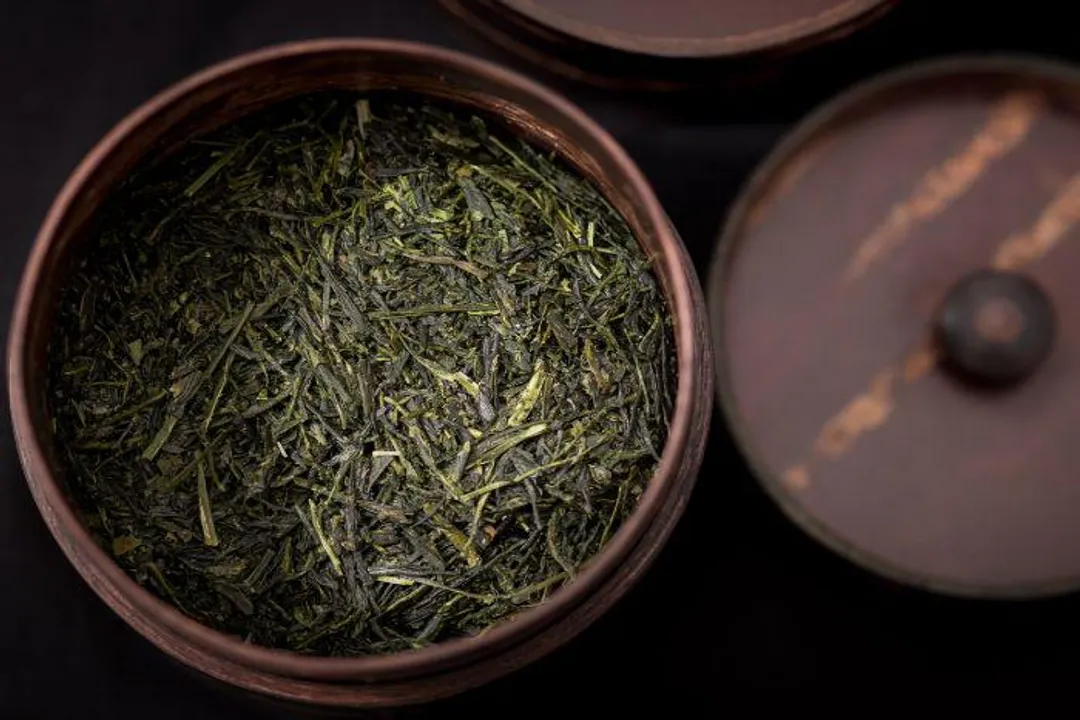
If one had to name the single most prevalent tea enjoyed by Japanese people every day, it would be Sencha. [1][9] This variety consistently dominates production, accounting for the vast majority of tea consumed domestically. [5][9] Its widespread availability is a testament to its balanced, approachable character, making it the everyday standard against which other green teas are often implicitly measured. [5]
The defining characteristic of Sencha lies in its processing. Like most Japanese green teas, it is steamed shortly after harvest. [3][8] This steaming process, known in Japan as satsuma-sei (kill-green), is critical because it halts oxidation, preserving the vibrant green color and the fresh, vegetal compounds that define Japanese tea. [3] After steaming, the leaves are rolled and dried, often resulting in a needle-like shape. [9] The precise duration and intensity of the steaming—ranging from deep steaming (fukamushi) to light steaming (asamushi)—drastically alter the resulting brew's body and flavor. [3][6] A lightly steamed Sencha tends to yield a clearer, more delicate infusion, whereas a deep-steamed variety produces a cloudier, richer liquor with a smoother mouthfeel. [3][6]
Flavor-wise, quality Sencha offers a delightful spectrum of tastes. One can expect notes of freshness, often described as grassy or vegetal, balanced by a pleasant, gentle astringency and a subtle sweetness. [9] The balance between the umami (savory depth) and the shibumi (astringency) is what separates good Sencha from exceptional Sencha. [8] Cultivation practices, such as sun exposure and fertilization, heavily influence this balance, meaning two teas labeled simply as "Sencha" can offer remarkably different experiences depending on their origin. [7]
# Matcha Preparation
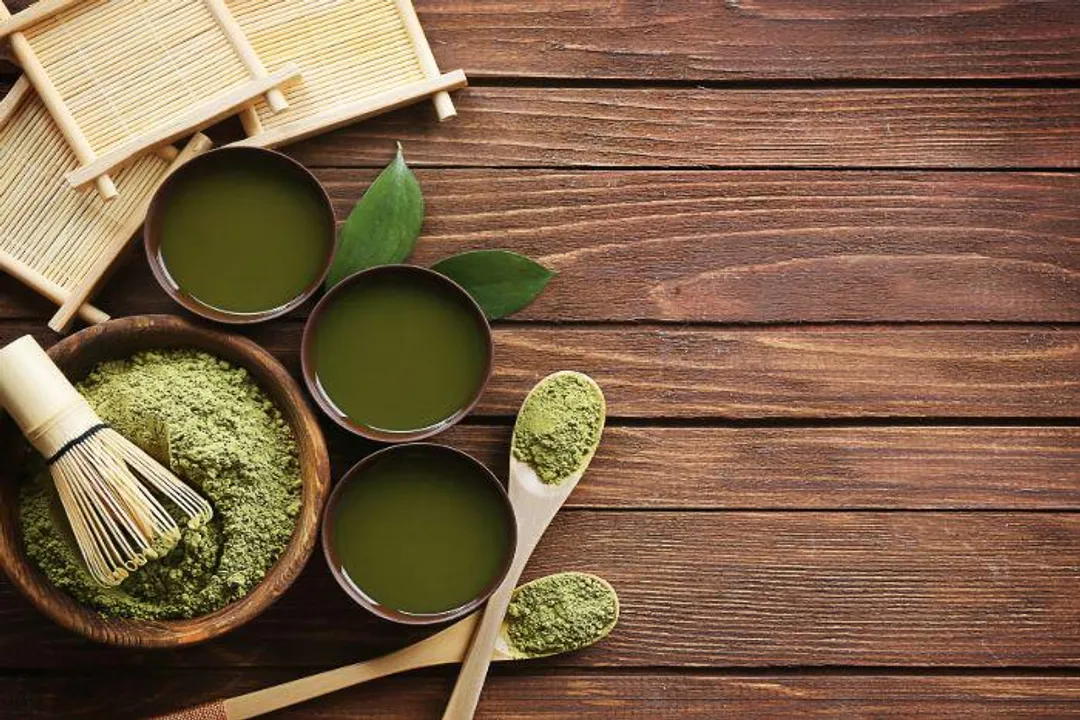
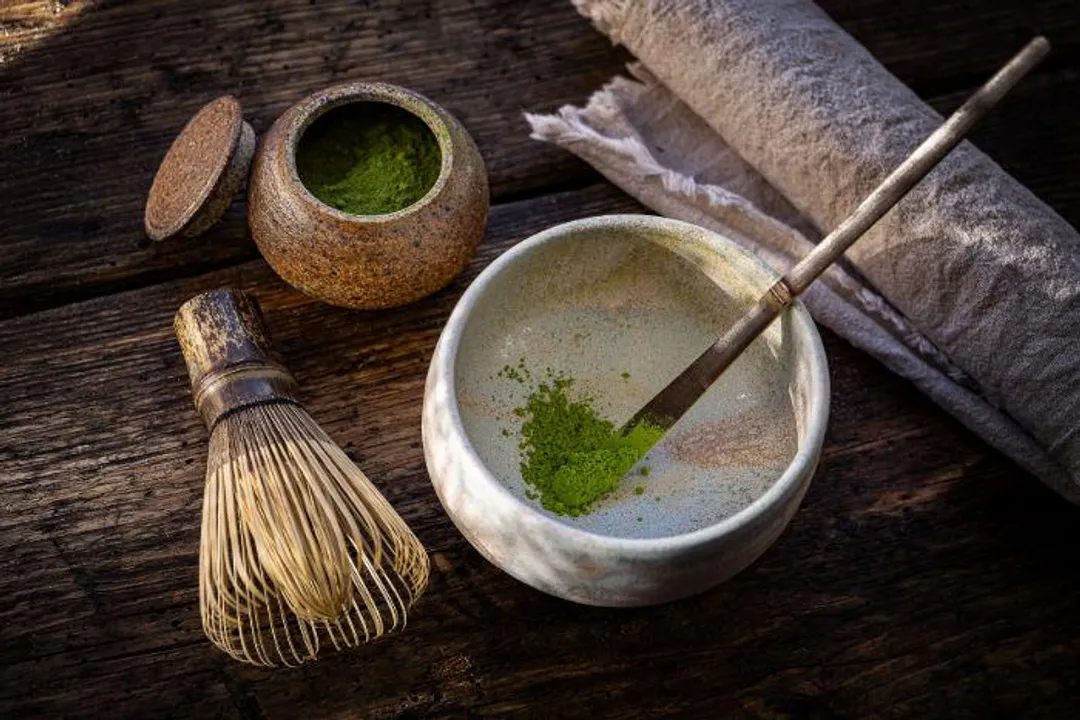
Matcha holds a revered place, not just as a beverage, but as a central element in the centuries-old Chanoyu, the Japanese tea ceremony. [1] While it is also drunk in less formal settings, its preparation is inherently ceremonial in its precision and mindfulness. [1][9] The preparation method is what truly sets Matcha apart from its steeped cousins.
Unlike Sencha or Gyokuro, which are infused and discarded, Matcha is a powdered tea made from shade-grown leaves (tencha) that have been carefully de-veined and de-stemmed before being stone-ground into an extremely fine powder. [6][9] When prepared, this powder is whisked directly into hot water using a specialized bamboo whisk called a chasen. [1][9] This suspension means the drinker consumes the entire tea leaf, resulting in a significantly higher concentration of catechins, caffeine, and L-theanine compared to standard steeped teas. [2][9]
The resulting beverage is rich, thick, and intensely flavored. Traditional Matcha preparation aims for a frothy top layer, achieved by vigorous whisking in a bowl (chawan). [1] The flavor profile is characterized by powerful, savory umami notes, often reminiscent of sweet seaweed or spinach, underscored by a clean finish. [6] The quality is often judged by its color—a brilliant, vivid jade green indicates high quality and proper shading—and the smoothness of the foam. [6] The cost difference between ceremonial grade and lower-quality culinary matcha, used often in lattes, reflects the meticulous harvesting and grinding required for the finest leaves. [2][5]
# Gyokuro Grade
The third tea that commands attention among connoisseurs is Gyokuro, often translated as "Jade Dew". [6] It represents the pinnacle of high-grade, shaded Japanese green tea, sharing a similar cultivation requirement with Matcha but being prepared as a steeped infusion rather than a suspension. [2][4][6]
Gyokuro's distinctive character is entirely due to its cultivation technique. For about three weeks leading up to harvest, the tea bushes are completely covered to shield them from direct sunlight. [2][6] This shading forces the plant to produce high levels of L-theanine and chlorophyll, as it attempts to maximize the absorption of the little light it receives. [2][6] The lack of sunlight reduces the production of bitter catechins, allowing the sweet, savory compounds to dominate the flavor profile. [6]
When brewed, Gyokuro demands a particular ritual, most notably requiring significantly cooler water temperatures—often between 50°C and 60°C (122°F and 140°F)—compared to Sencha. [8][9] Using boiling water would scald the delicate leaves, extracting harsh bitterness and destroying the nuanced sweetness. [8][9] The resulting infusion is pale green and famously rich in umami, delivering a deep, lingering, almost broth-like savoriness that is unmatched by other steeped varieties. [4][6] The experience of drinking Gyokuro is often characterized by an almost complete absence of the astringency one finds in standard green tea, replaced instead by a profound, vegetal sweetness. [6]
# Comparison Framework
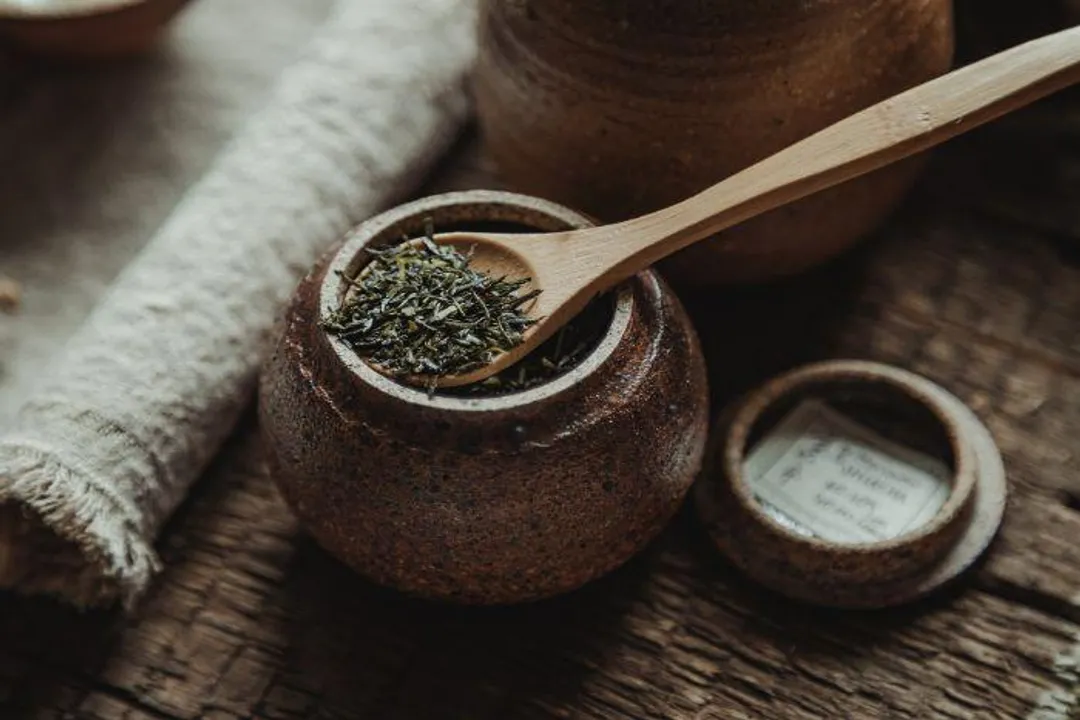
These three teas—Sencha, Matcha, and Gyokuro—provide an excellent framework for understanding Japanese tea because they showcase the spectrum of processing influence on the final product. Sencha is the steamed, standard green tea; Matcha is the powdered, shade-grown green tea; and Gyokuro is the steeped, premium shade-grown green tea.
Here is a summary of their key distinctions:
| Feature | Sencha | Matcha | Gyokuro |
|---|---|---|---|
| Form | Whole, needle-shaped leaf | Fine Powder | Whole, needle-shaped leaf |
| Shading | Minimal to none | Full shading (3-4 weeks) | Full shading (approx. 20 days) |
| Brewing Method | Steeping in water | Whisking powder into water | Steeping in water |
| Typical Temp | 70°C - 85°C (158°F - 185°F) | Approx. 70°C - 80°C (158°F - 176°F) | 50°C - 60°C (122°F - 140°F) |
| Flavor Focus | Balance of fresh grassiness and light astringency | Intense, frothy umami and sweetness | Deep, lingering, savory umami broth |
| Consumption | Everyday, staple beverage | Ceremonial and culinary use | Premium, contemplative sipping |
| [1][2][4][6][8][9] |
When looking at the supply chain, it is interesting to note how region dictates production focus. While many areas produce excellent Sencha—like Shizuoka, the largest producer—the areas most famous for deep shading, such as Uji in Kyoto, often dedicate their highest-quality leaves specifically to Matcha and Gyokuro production, sometimes leading to significant price disparities even within the same prefecture. [7] This regional specialization suggests that the terroir of high-shade cultivation is seen as too valuable to be used for everyday Sencha, favoring the creation of these luxury steeped and powdered experiences instead.

# Other Significant Offerings
While Sencha, Matcha, and Gyokuro anchor the high and mid-range of the market, neglecting other significant varieties would miss the full picture of Japanese tea culture. These others often arise from specific harvesting times or secondary processing.
Bancha is typically harvested later in the season than the leaves destined for Sencha, often resulting in a stronger, more robust flavor that holds up well to higher temperatures. [2][9] It’s a reliable, affordable daily drinker that still possesses the characteristic steamed green tea profile. [2]
Hojicha offers a stark contrast, as it is made from leaves (often Bancha or later-harvest Sencha) that have been roasted over charcoal. [4] This roasting completely transforms the chemical profile, drastically reducing caffeine content while introducing smoky, toasted, caramel notes. [4][9] It is gentle on the stomach and is often enjoyed in the evening or by children. [4]
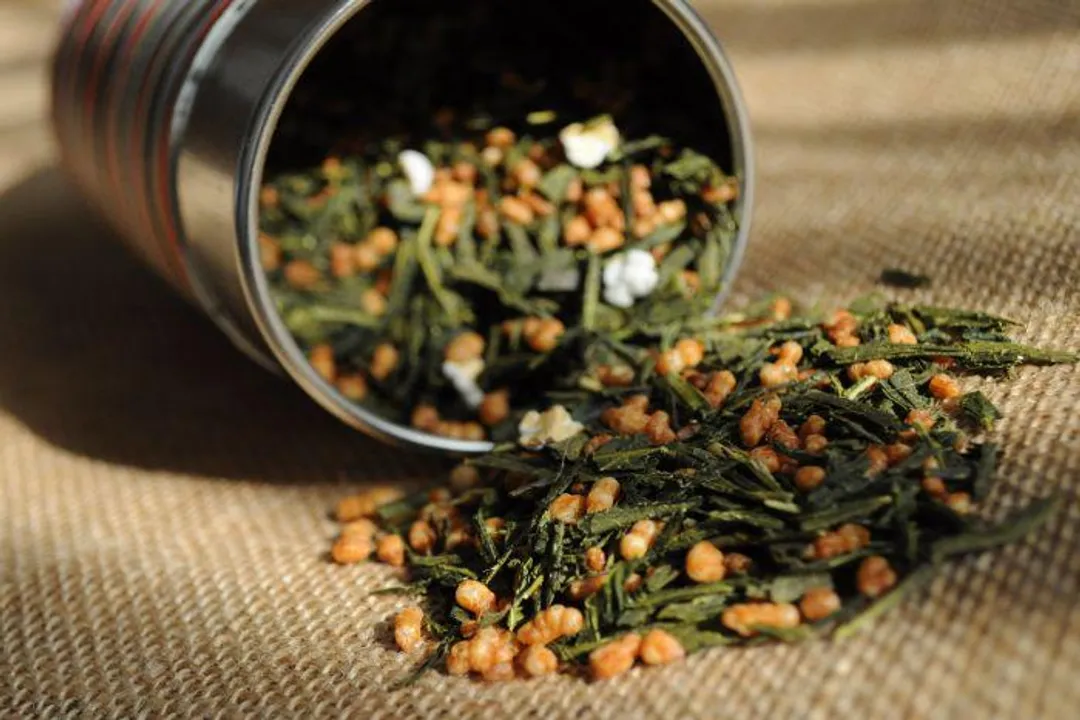
Then there is Genmaicha, which combines green tea leaves (usually Bancha or Sencha) with toasted and popped brown rice. [4][9] This addition imparts a unique, savory popcorn aroma and flavor to the tea, making it comforting and highly distinctive from the pure green character of the other types. [4]
Kabusecha is another important, though less common, variety that sits between Sencha and Gyokuro. [6] It receives a shorter period of shading—typically around one week—before harvest. [6] This intermediate shading gives it a flavor profile that marries the briskness of Sencha with the subtle sweetness and umami of Gyokuro, acting as a bridge between the standard and the premium shaded teas. [6]
# Brewing Nuances
Achieving mastery over Japanese tea involves paying close attention to variables that are often overlooked when brewing other types of tea, particularly water quality and temperature. [8] The inherent difference in leaf structure and intended flavor profile among the "great three" demands distinct care, especially in the home setting.
For instance, the delicate, shaded nature of Gyokuro means it requires very low temperatures to unlock its savory depth without releasing any vegetal bitterness. Conversely, Sencha benefits from slightly hotter water to draw out its full spectrum of freshness and subtle astringency. [8] Matcha, due to its suspension, requires a temperature that dissolves the powder effectively while preserving the lighter aromatics.
An actionable tip for consistent home brewing involves using a digital thermometer and applying a simple adjustment factor: if your kettle automatically stops at 90°C, for a standard Sencha, pour immediately; for a high-grade Gyokuro, allow the water to cool in a separate ceramic vessel for at least two full minutes before pouring to hit that ideal 55°C range. [8] This small, measured step in thermal management can prevent the scalding of delicate Gyokuro leaves while ensuring the Sencha releases its proper balance of flavor compounds, something that relying on guesswork often fails to accomplish consistently. Respecting the specific thermal needs of each of these three great teas separates a casual drinker from a true appreciator of Japanese tea craft. [8] The effort expended in cultivation and processing is best honored by precise care at the final steeping stage.
Related Questions
#Citations
Different Types of Japanese Tea: A Beginner's Guide - byFood
Japanese Tea Varieties - Sugimoto Tea Company
23 Types of Japanese Teas (Not Just Green Tea) - Teasenz.eu
Hojicha, Genmaicha and Gyokuro: 3 green teas from Japan
Introduction to Japanese Tea: Part 1
10 Unique Varieties: A Guide to Japanese Teas
The Many Different Area Brands of Japanese Green Tea | Tealife
Japanese Tea - A Brief (and Easy to Understand) Guide
A Tea Lover's Guide to Japanese Tea Varieties - Bokksu