What is Japan's most famous tea?

The title of Japan's most famous tea often sparks a lively debate, depending on whether one measures fame by sheer volume consumed domestically or by global recognition and cultural significance. In the world of Japanese tea, two contenders consistently rise to the top: Matcha and Sencha. While Matcha garners significant international attention for its vibrant color and use in ceremonies and lattes, Sencha claims the title based on its overwhelming popularity within Japan itself. [1][4] Understanding which is "most famous" requires a closer look at how each is produced, consumed, and perceived both inside and outside the island nation. [2]
# Consumption Volume
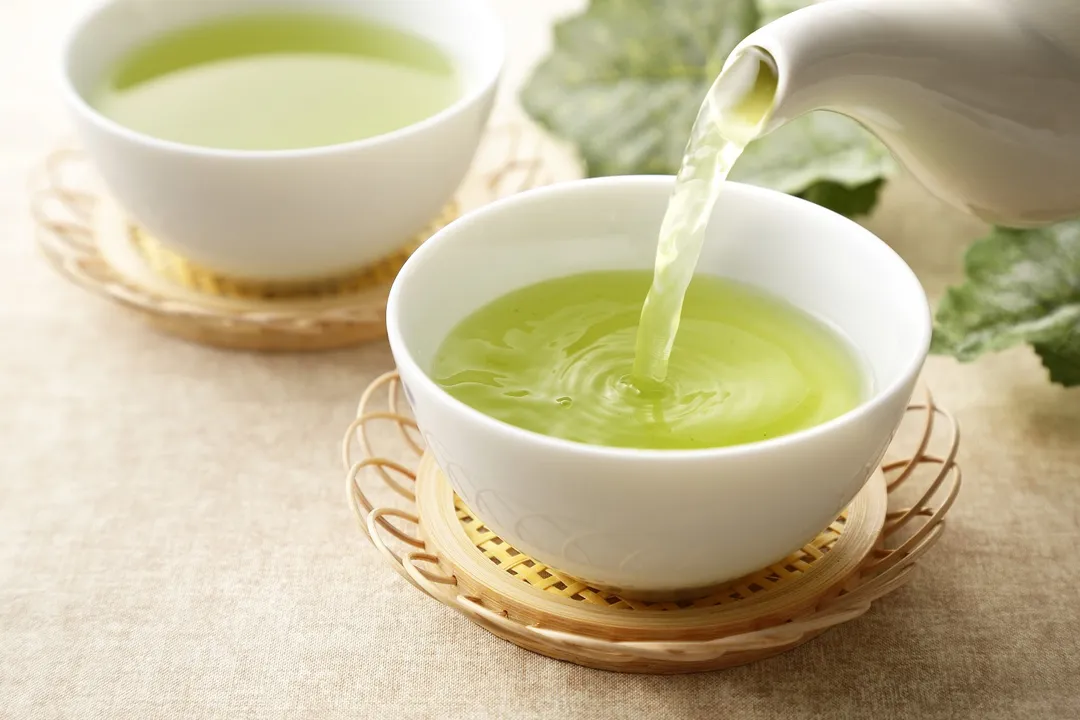
When looking at what the Japanese population actually drinks daily, the statistics strongly favor one variety. Sencha, which translates roughly to "infused tea," is overwhelmingly the most consumed type of tea across Japan. [4] Statistics indicate that Sencha accounts for a massive proportion of tea production, often cited as over 80% of all tea grown in the country. [8] This sheer volume means that if fame is measured by the frequency of daily interaction among the average Japanese citizen, Sencha is the undisputed champion. [5][8]
Sencha is processed immediately after harvesting, typically involving steaming the leaves to halt oxidation, followed by rolling and drying. [4] The steaming process is critical, as it preserves the tea's natural green color and its high levels of catechins and chlorophyll, lending it a characteristic fresh, slightly grassy, and sometimes astringent flavor profile. [4] Different grades exist, with some offering a sweeter, more umami-rich experience due to shorter steaming times or specific cultivar use. [1]
If you are looking for the tea that sells the most across various Japanese retail environments, reliable shopping information often confirms Sencha’s dominance, though specialty items like high-grade Matcha or popular blended teas also rank highly depending on the season or specific retail context. [5]
# Global Icon
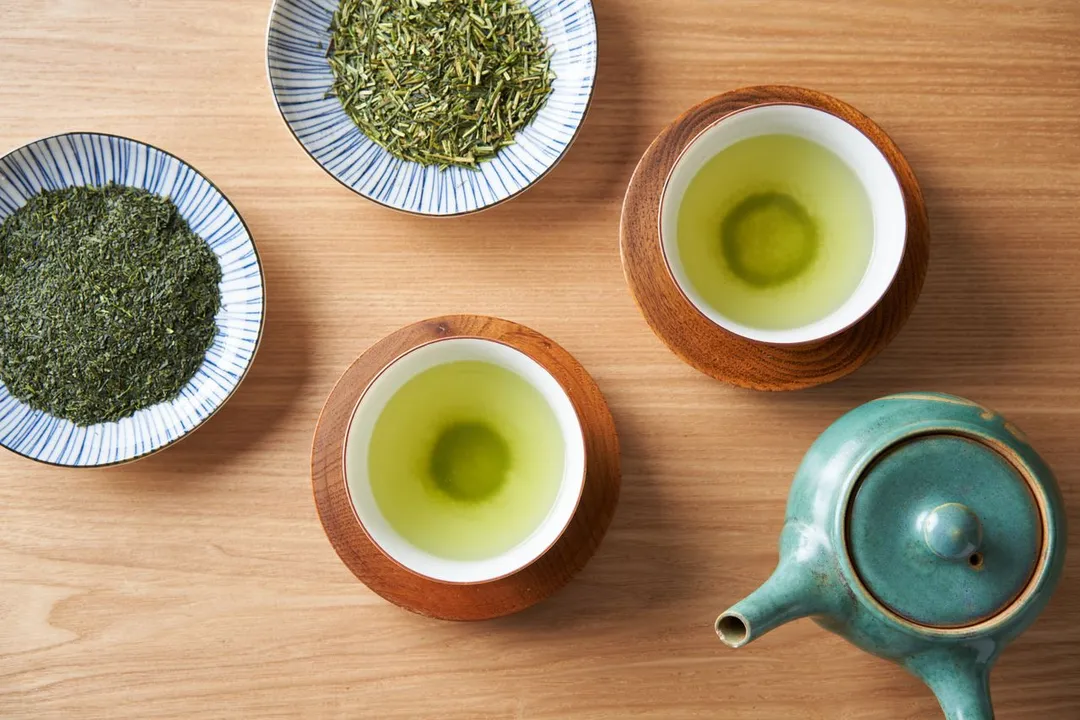
Conversely, if fame is judged by worldwide cultural impact, brand recognition, and association with traditional Japanese aesthetics, Matcha likely takes the lead. [6][7] Matcha is a finely ground powder of specially grown and processed green tea leaves. [7] Its history is deeply intertwined with Zen Buddhism and the Japanese tea ceremony, Chanoyu, which elevates its status from a mere beverage to a cultural artifact. [2][6]
The difference in preparation between Sencha and Matcha is dramatic. While Sencha is steeped by infusing the leaves in hot water and then discarding them, Matcha involves whisking the powder directly into hot water, meaning the drinker consumes the entire leaf. [6][7] This process concentrates the nutrients, leading to a much higher concentration of caffeine and L-theanine, the amino acid responsible for the tea's unique, calm alertness. [7]
The process that creates Matcha’s signature qualities starts long before grinding. The tea plants designated for Matcha are shaded from direct sunlight for several weeks before harvest. [7] This shading stops the plant from producing as much catechins (which contribute to bitterness) and instead encourages the production of L-theanine and chlorophyll, resulting in a sweeter flavor and the characteristic brilliant, almost electric green color. [6][7]
Editor's Observation on Quality Contrast
A useful point for consumers new to Japanese teas is recognizing that the price and grade of Matcha often correlate directly with how finely it is ground and how long it was shaded. A ceremonial grade Matcha, which is what most tourists associate with "true" Matcha, will be exponentially smoother and sweeter than a culinary grade, which is designed to withstand strong flavor pairings like milk or sugar in modern drinks. This distinction often trips up newcomers who try culinary grade first and wrongly assume all Matcha is intensely bitter. [1]
# Comparing Major Types
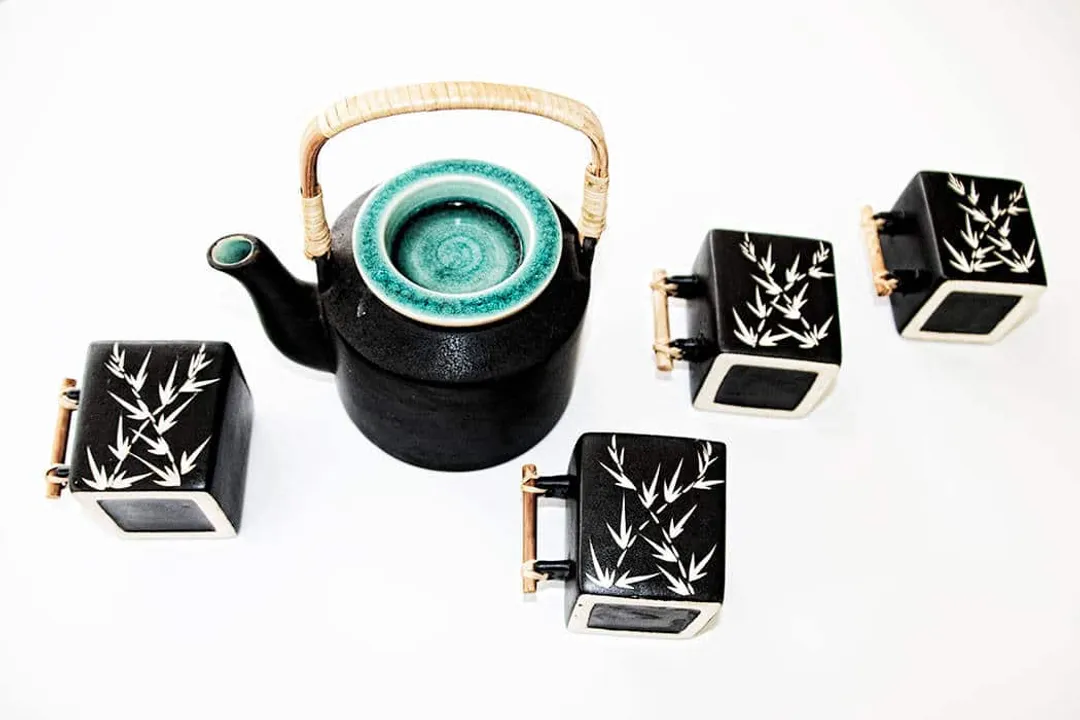
Japan produces many types of Camellia sinensis tea, most of which are green teas processed using the steaming method, unlike Chinese green teas which are typically pan-fired. [4] Understanding the major players helps contextualize the fame of Sencha and Matcha.
Here is a brief comparison of some traditional, well-known Japanese teas:
| Tea Name | Primary Processing Difference | Typical Flavor Notes | Associated Fame |
|---|---|---|---|
| Sencha | Steamed immediately after harvest | Fresh, grassy, slightly vegetal, balanced [4] | Most consumed tea in Japan [8] |
| Matcha | Shade-grown, steamed, dried, then ground into powder [7] | Umami-rich, sweet, creamy (depending on grade) [6] | Global cultural icon, ceremonial use [2] |
| Gyokuro | Shade-grown like Matcha, but steeped as leaf tea | Intense umami, sweet, less astringent than high-grade Sencha [4] | High-end, premium leaf tea |
| Hojicha | Roasted Bancha or Sencha leaves | Roasted, nutty, earthy, very low caffeine | Known for its brown color and lack of bitterness [9] |
| Genmaicha | Sencha or Bancha mixed with roasted brown rice [4] | Nutty, savory, popcorn-like aroma | Beloved for its comforting, unique flavor blend [9] |
Gyokuro is another high-grade, shade-grown tea, similar to Matcha in its pre-steaming preparation, yet it is brewed as a leaf tea, demanding very precise, low-temperature water for optimal flavor extraction. [4]
# Beyond the Big Two
While Sencha and Matcha dominate discussions, a wealth of other varieties contributes to Japan's tea reputation. Recognizing these helps build a fuller picture of the country's tea expertise. [9]
# Lower Grade Offerings
Teas like Bancha represent the more everyday drinking options. Bancha is typically harvested later in the season than Sencha and consists of coarser leaves and stems. [4] Because it is processed less carefully and uses older leaves, it tends to have a stronger, more astringent taste and lower overall quality than Sencha, though it remains perfectly suitable for daily, casual drinking. [1][4] This is the workhorse tea of the nation.
# Roasted Variations
To combat bitterness or cater to different palate preferences, roasting becomes key. Hojicha is made by roasting Bancha or Sencha leaves, often over charcoal, which turns the leaves a reddish-brown color. [4][9] This roasting process significantly reduces the caffeine content, making it a popular choice for evening consumption or for those sensitive to caffeine. [9] The flavor shifts dramatically to nutty and toasty notes. [4]
Another familiar category is Genmaicha, which is often called "popcorn tea". [4] This blend combines regular green tea leaves (usually Bancha or Sencha) with toasted, popped brown rice. [4][9] The rice imparts a savory, slightly sweet, and immensely comforting aroma and taste, balancing the vegetal notes of the green tea perfectly. [4]
# Specialty and Regional Gems
The pursuit of unique flavors has led to several other recognized types. Kukicha, sometimes called "twig tea," is made from the stems, stalks, and twigs separated during the processing of Sencha or Gyokuro. [9] Despite being made from byproducts, Kukicha is often surprisingly sweet and low in caffeine, offering a mellow, lightly grassy flavor. [1][9]
Genmaicha and Hojicha are frequently cited as excellent entry points for people hesitant about the more intense "green" flavors of traditional Sencha or the richness of Matcha. [4][9] If someone visiting Japan is seeking out local specialties beyond the big two, asking for regional teas or these popular blended varieties is a good strategy for finding something novel but still authentically Japanese. [3]
Actionable Tip for Travelers
When purchasing tea in a specialized tea shop in Kyoto or Shizuoka, don't just ask for Matcha. Inquire about Koicha (thick tea) versus Usucha (thin tea) grades if you plan to whisk it yourself. Usucha is easier to whisk into a smooth froth for beginners. Furthermore, if you find the standard steamed green teas too "grassy," ask specifically for Fukamushi Sencha (deep-steamed Sencha). This method results in a cloudier, often sweeter brew that lacks the sharp astringency of standard Sencha, showcasing regional processing expertise. [1]
# Production Nuances and Origin
The fame of Japan's tea is inextricably linked to its geography and meticulous processing methods, which contrast sharply with those used in other major tea-producing countries like China. [4]
# Steaming vs. Firing
The defining characteristic of nearly all Japanese green teas (excluding specialty types like Kamairicha, which is pan-fired in a style more akin to Chinese tea) is the immediate steaming of the leaves post-harvest. [4] This process, known as satsuma-sei, stops enzymatic activity that causes oxidation. In contrast, most Chinese green teas are pan-fired, which imparts a nuttier, toastier flavor profile. [4] This steaming preserves the bright green color and high levels of chlorophyll, giving Japanese teas their signature umami and vegetal character. [4]
# Geographical Concentration
The production of these famous teas is highly concentrated in specific regions, lending specific geographic names an aura of quality. Uji, near Kyoto, is historically renowned, especially for its high-quality Matcha and Gyokuro. [2][6] Shizuoka Prefecture, however, is the powerhouse in terms of sheer volume, being the largest tea-producing region in Japan. [8] Other notable areas include Kagoshima and Mie. [2] This regional specialization allows connoisseurs to trace the character of their tea back to its specific terroir, much like wine. [1]
# Cultural Context and Modernity
The ongoing fame of both Matcha and Sencha is supported by their deep cultural roots, even as they adapt to modern life. [2]
The Japanese tea ceremony, centered around Matcha, is not just about drinking tea; it is a highly formalized practice emphasizing harmony, respect, purity, and tranquility (Wa, Kei, Sei, Jaku). [6] This ceremonial association imbues Matcha with a perceived level of sophistication and tradition that few other teas possess. [2]
Yet, the everyday reality is dominated by Sencha. It is the tea served in offices, homes, and waiting rooms across the country. [2] Its familiarity and accessibility ensure its continued reign in terms of consumption statistics. [8]
Modern adaptations also play a role in maintaining fame. Matcha has successfully crossed over into global food trends, appearing in lattes, ice creams, chocolates, and baked goods. [6] This commercial success keeps the name and image of vibrant green powder constantly in the public eye, even for those who have never formally participated in a tea ceremony. [3] While Sencha is increasingly available globally, its presence often remains tied to the traditional leaf-brewing method, making Matcha's versatility a key driver of its broader modern fame. [1]
In summary, asking for Japan's most famous tea yields two valid answers: Sencha reigns supreme in domestic consumption statistics, being the daily beverage of choice for the nation. [5][8] Matcha, however, holds the crown for international cultural recognition and symbolic importance, representing the height of Japanese tea artistry. [6][7]
Related Questions
#Citations
Japanese Tea: Discover the Most Popular Types
Tea - Japan Guide
What tea should I buy in Japan? - Reddit
5 Traditional Japanese Teas - 2 Aussie Travellers
【Ranking in Japan】 The best-selling Japanese tea in Japan
What is Matcha? Discover Japan's Most Famous Tea - byFood
Matcha - Wikipedia
Survey Finds Japan's Favorite Teas - nippon.com
10 Unique Varieties: A Guide to Japanese Teas