How long do you let sun tea sit in the sun?
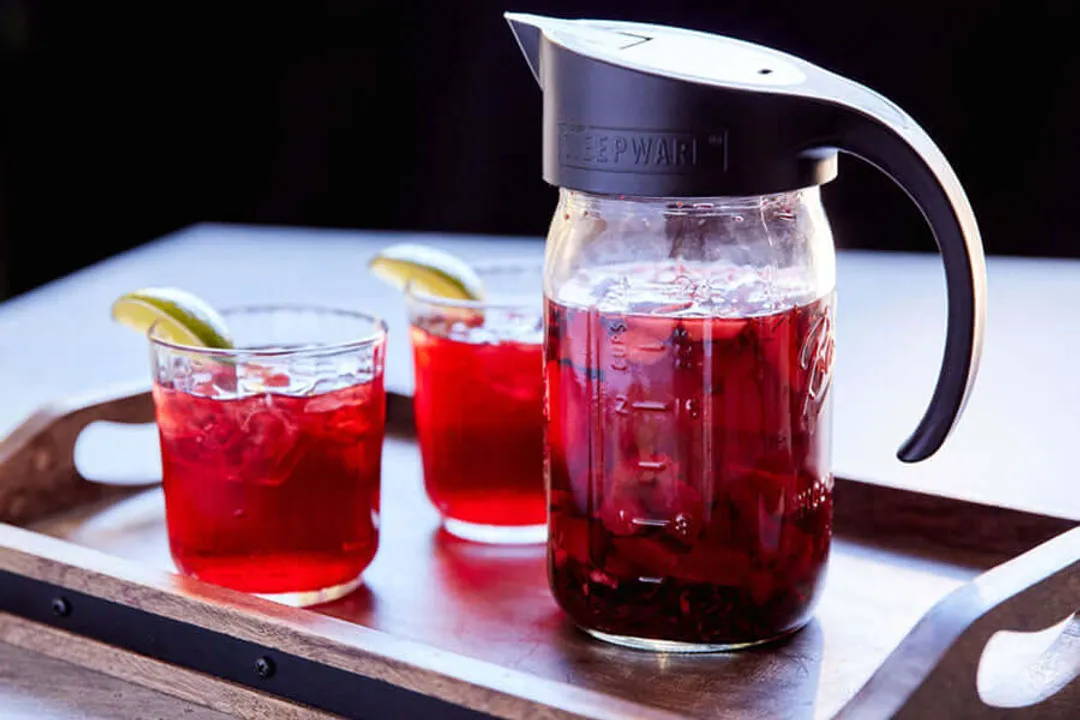
The pleasant ritual of setting a glass jar of water and tea bags out under the summer sun has captivated generations. It seems wonderfully simple: let nature do the work, and by afternoon, you have a large batch of subtly flavored, naturally sweetened iced tea. However, the simplest traditions often hide the most frequently debated questions, and with sun tea, the biggest mystery usually revolves around time. How long does this solar infusion really need to steep before it’s ready, and perhaps more importantly, before it becomes unsafe? The answer isn't a single number printed on a clock face; it’s a balancing act between achieving the perfect color and flavor while respecting the temperature zone that tea should avoid.[1][7]
# Steep Duration

The general consensus for sun tea steeping time is often cited as being somewhere between three and five hours in direct sunlight. [1][2][7] This window is usually sufficient for the water temperature to rise enough to extract the tea's color and flavor compounds without pushing the mixture into prolonged, questionable territory. [2][4]
What this really means is that you cannot treat every sunny day the same way. A blistering hot day in mid-July where the jar heats up quickly might only require three hours to reach a deep amber hue, whereas a milder, hazy day in late spring might need closer to five or even six hours to achieve the same depth. [1][5] You are essentially looking for a visual cue: when the tea has reached the color you typically aim for when making hot tea, it is likely ready to be removed from the sun. [7]
Contrast this with traditional hot brewing, where you might steep black tea for only three to five minutes to avoid bitterness. [9] Sun tea brewing is a much slower, gentler process. While proponents often describe the flavor as smoother, less astringent, and less bitter than conventionally brewed iced tea, this lower extraction temperature is also why it takes significantly longer to work. [2][6] If you taste it after just an hour, it will likely taste weak, like lightly tinted water, because the tannins and catechins—the compounds responsible for that classic tea "bite"—extract much more slowly in lukewarm water than in near-boiling water. [9]
When considering the variables, it’s useful to track the process on a clear day. If the tea bags are submerged in a clear glass container sitting on a dark surface (like black asphalt or a dark wooden deck), the water will absorb radiant heat much more efficiently than if the container is sitting on light-colored concrete or grass. [3] This difference in thermal absorption can easily account for an hour or more difference in necessary steep time. Keeping track of how long it takes for your preferred tea blend to achieve the right shade on a typical summer day gives you a reliable benchmark for future batches.
# Bacteria Risk
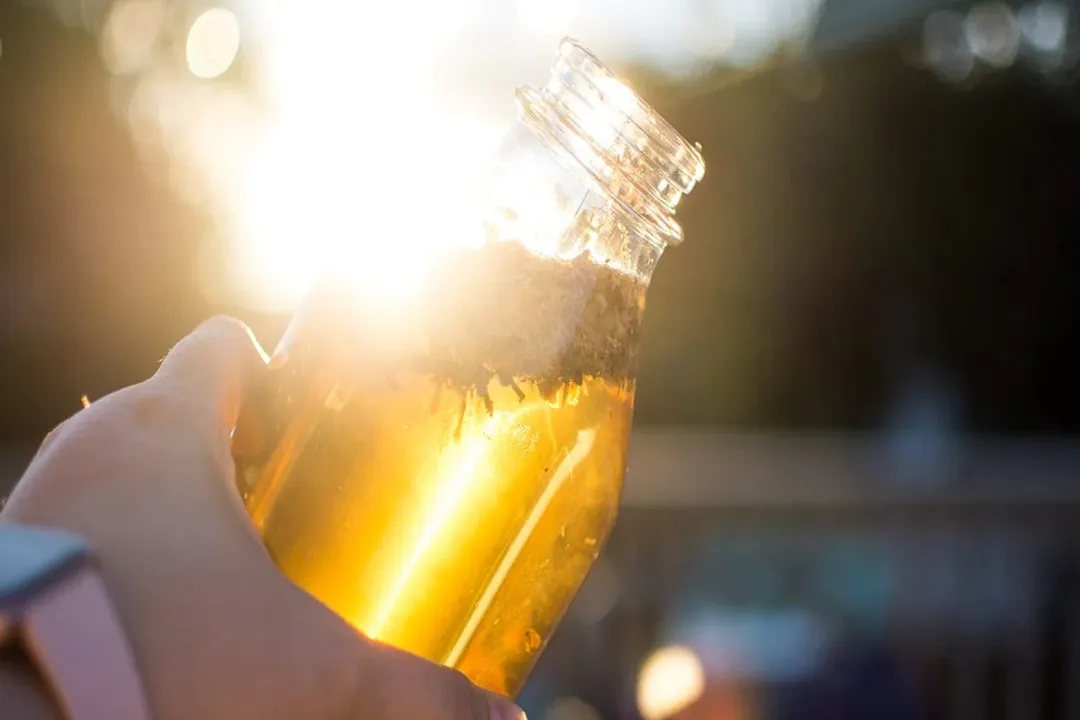
The primary reason many food safety experts caution against sun tea preparation isn't the tea itself, but the temperature at which it sits: the danger zone for bacterial growth. [2][7] This is where the timing becomes critical. The goal of steeping is to keep the water temperature below the ideal growth range for most harmful bacteria, or to extract the tea quickly before that range is reached. [2]
The widely cited danger zone for food safety is generally between and ( and ). [7] While hot brewing heats the water well above this range, killing potential pathogens, sun tea water typically only reaches temperatures between and ( and ). [2][7] If the tea sits too long, especially on a cooler day where the internal temperature struggles to climb or maintain heat, it can reside in that bacterial growth zone for an extended period. [2]
For this reason, many aficionados insist that the tea must be removed from the sun and refrigerated promptly once the desired strength is achieved, often no later than four to five hours. [2][7] Allowing the tea to sit for six, seven, or overnight on a warm porch, even if it looks appealing, drastically increases the risk of harboring uninvited guests, regardless of how good it tastes. [2][7] When in doubt about the heat level your jar is reaching—or if you plan to be away from home for most of the day—it is safer to use boiled, cooled water to start the infusion and then simply place the sealed jar in the refrigerator for a longer, safer cold brew. [2]

# Tea Ratio
While time is the main focus, it cannot be divorced from the quantity of tea used. The ratio of tea to water directly impacts how long it takes to achieve visible color and flavor. [3] A standard starting point for sun tea is often around one standard tea bag per cup of water (eight ounces). [1][6] If you are using loose leaf tea, a general guideline is about one teaspoon per cup, though this varies wildly based on leaf size and density. [3][9]
If you prefer a stronger, more robust brew, you have two choices: add more tea or increase the steeping time. If you opt for adding more tea—say, doubling the bags for the same amount of water—you will likely need to reduce the time spent in the sun, perhaps only needing three hours instead of five, to prevent the tea from becoming overly steeped and bitter. [7] Conversely, if you are making a very large batch and only have a small jar, the greater volume of water will insulate the tea, causing the temperature to rise slower, thus requiring a longer sitting time to reach the same extraction level. [5]
Consider this practical application: If you are aiming for the strength of a single-strength hot brew, and you know it normally takes 4 hours with 8 tea bags in a gallon jar, reducing the tea to 4 bags means you should check it closer to the 2.5 or 3-hour mark, as the lower solid-to-liquid ratio extracts faster on a relative basis. [3]
# Heat Alternatives
Given the time commitment and the inherent temperature risk, it is entirely sensible to look for ways to speed up the process or bypass the temperature danger zone entirely while still achieving that "sun tea" flavor profile. [2]
# Pre-Heating The Water
One effective method that bridges the gap between true sun tea and hot brewing is to use heat initially, and then let the sun finish the job gently. [2][6] Instead of starting with cold tap water, bring your water to a boil, allow it to cool slightly (perhaps to around or —still very hot, but below boiling), pour it over your tea bags or leaves in the jar, and immediately place the sealed jar in the sun. [2] This initial heat shock starts the extraction process rapidly. You may find that you only need an hour or two of sun exposure afterwards to reach full color before removing it for chilling, significantly reducing the total time spent in the marginal temperature range. [6] This technique is often favored by those who want the smoother taste profile without leaving the jar out all day long.
# Replicating Sun Flavor
Another way to approach this is to recognize that what people enjoy about sun tea is often the lack of overwhelming tannins, not the "sun" itself. If you are concerned about safety or simply don't have a full day of clear sun, you can replicate the effect by making a very weak, cool steep in the refrigerator. [7] Use your standard tea-to-water ratio but leave the jar in the fridge overnight, perhaps 8 to 12 hours. [7] While this is technically "cold brew," the resulting flavor profile is very similar—smooth, less bitter, and ready to drink safely whenever you wake up. [2] It sacrifices the immediacy of sun tea but offers superior flavor control and absolute safety.
One area that warrants careful consideration is what you place your tea on. If you are using a glass jar, placing it directly onto a dark, non-reflective surface, such as a black patio stone or a dark metal table, dramatically increases the ambient heat transferred to the water compared to setting it on a light-colored plastic chair. [3] Think of it like using a solar cooker: dark colors absorb energy faster. If you want to stick rigidly to the 3-to-5-hour window, ensure your container is absorbing as much solar energy as possible early in the process.
| Environment Condition | Estimated Time to Full Color (4 bags/gallon) | Primary Factor |
|---|---|---|
| Bright Direct Sun, Dark Surface | 3 – 4 Hours | High Heat Absorption |
| Bright Direct Sun, Light Surface | 4 – 5 Hours | Moderate Heat Absorption |
| Overcast Day, Moderate Temperature | 6+ Hours (Caution advised) | Low Heat Input |
| Refrigerator (Cold Brew) | 10 – 14 Hours | Time, not Heat |
| [3][7] |
In an effort to create a more controlled experience, I find that adjusting the tea material itself often helps manage the timing. If you use herbal infusions, like mint or hibiscus, which are less prone to bitterness than traditional Camellia sinensis leaves, you can safely leave them in the sun for an extra hour if the flavor hasn't quite hit the mark, as the risk of harshness is much lower. [8] Green teas, on the other hand, should be watched closely; they extract quickly and can turn vegetal or grassy if left too long, even in the sun. [9]
Ultimately, the best advice for how long to let sun tea sit is until it looks right, but never push past five hours if the tea remains warm and not actively chilled. [2][7] Always treat the resulting brew as you would any perishable item: once it has been out long enough to warm up, it needs to be cooled down quickly afterward to prevent spoilage. [2] If you cannot get to it immediately after the ideal time, it is better to pull it inside and put it in the refrigerator slightly weak than to leave it on the porch hoping it will get stronger before it goes bad.
Related Questions
#Citations
Can someone explain sun tea to me? : r/tea - Reddit
How to Brew Sun Tea Safely | Easy Steps & Tips - The Tea Spot
How To Make Sun Tea - Young Mountain Tea
How to make sun tea and what to do after brewing? - Facebook
How to Make Sun Tea #shorts - YouTube
How to Make Sun Tea (Regular and Sweet) | Wholefully
How to Make Sun Tea - The Pioneer Woman
How to Safely Make Sun Tea With Fresh or Dry Herbs
How to Make Sun Tea: A Simple Summer Brewing Method