What is the highest grade Japanese tea?
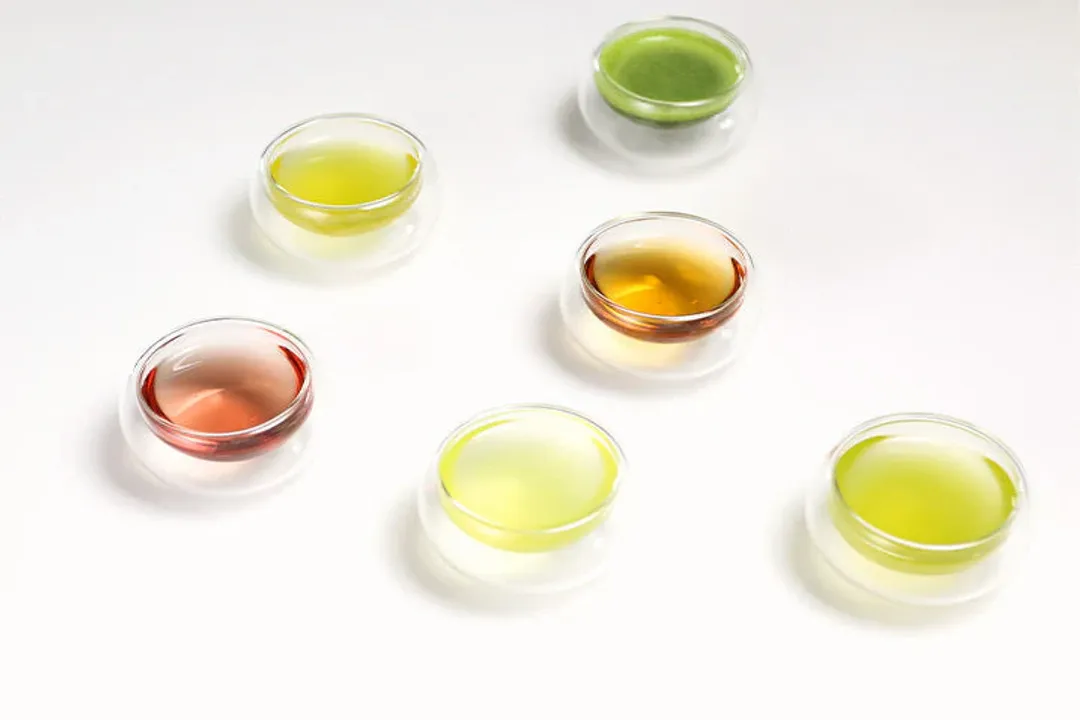
Determining the single highest grade of Japanese tea is less about finding one official title and more about understanding where the peak of cultivation, processing, and intentional shading occurs within the vast world of Camellia sinensis grown in Japan. The answer often circles back to specific, meticulously produced categories, with Gyokuro frequently being cited as the pinnacle of standard, everyday excellence, though specialized seasonal or single-estate harvests can sometimes claim a higher, more niche status. [1][8] Japanese tea grading itself can be complex, often relying on visual appearance, leaf integrity, and initial processing rather than just the final taste profile, making the 'highest' designation subjective depending on the metric used. [1]
# Grading Complexity
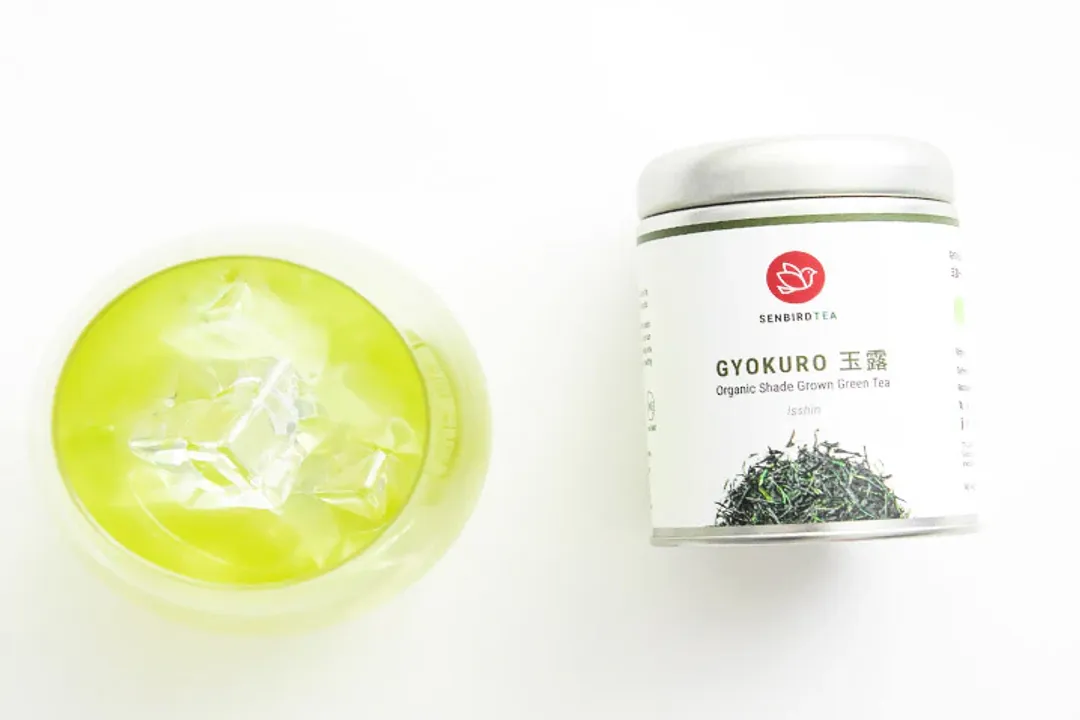
The official grading systems applied to Japanese tea, particularly for varieties like Sencha, often focus on the physical characteristics of the dried leaves after initial processing. [1] These traditional methods typically evaluate factors such as the shade of the green color, the uniformity of the leaf size, and the presence or absence of stems or broken pieces. [1] However, when tea connoisseurs discuss the absolute highest tier, they often move past the standardized, mass-market grading structure and focus on teas subjected to specialized cultivation methods designed to maximize umami and sweetness. [8] These top-tier teas are less about the standardized grade names and more about the specific agricultural techniques employed by the estate or maker. [4]
# Shading Benefits
The cultivation technique that most often signals a tea's ascension to the highest echelons is shading. [8] Shading tea plants from direct sunlight for approximately three weeks or more before harvest dramatically alters the chemical composition of the leaves, creating the prized qualities found in teas like Gyokuro and Matcha. [8] This process slows down photosynthesis, causing the leaves to produce more L-theanine and chlorophyll, which is responsible for the deeper green color and the rich, savory, umami flavor profile tea lovers seek. [7][8]
# Gyokuro Position
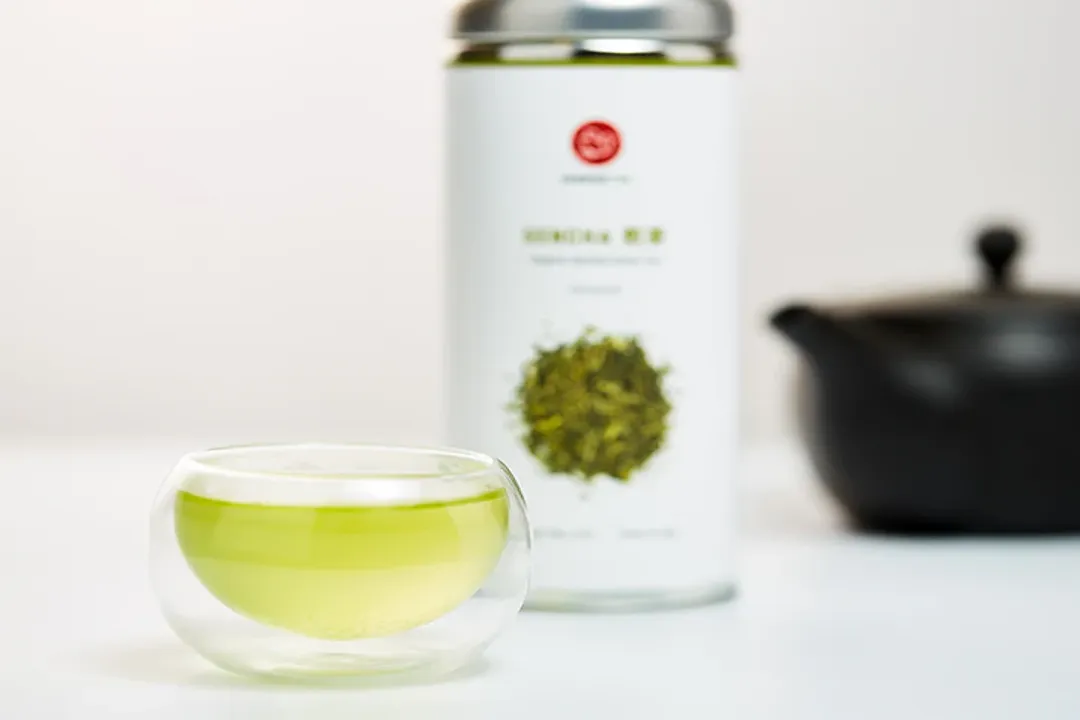
Gyokuro, which translates roughly to "jade dew," stands as a primary contender for the highest commercially available grade of steamed green tea. [2][8] Its production requires the tea bushes to be covered, shielding them from sunlight for at least 20 days, although some traditional methods extend this period. [8] This intensive covering distinguishes it significantly from Sencha, the most common type of Japanese green tea, which is grown in full sunlight. [8]
# Superior Classification
Within the realm of Gyokuro, the concept of "highest grade" continues down a rabbit hole of refinement. Producers often designate certain batches as Superior Grade Gyokuro, implying they meet the most stringent internal standards for leaf selection, harvest timing, and processing precision. [2][3] These superior lots represent the absolute best output from a specific harvest, selected meticulously by the tea master. [3] When one encounters a label specifying "Superior Grade Gyokuro," it suggests the tea exhibits an intense, concentrated umami flavor, a vibrant emerald color when brewed, and a very fine, needle-like shape. [2] This level of quality often commands a significantly higher price point due to the intensive care required from field to final drying. [3]
# Maker Expertise
The actual 'highest grade' tea is often less about a universal certificate and more about the reputation and proven expertise of the individual producer. [4] Certain tea makers are globally recognized for consistently producing teas that redefine quality standards, sometimes eclipsing even teas labeled with generic high-grade designations from less reputed producers. [4][6] For instance, specific artisans are known for managing the precise moment of harvest and the exact duration of the shading period with uncanny accuracy, resulting in a final product that achieves an unparalleled balance of sweetness and depth. [4] A tea maker's reputation, built over generations, becomes an unofficial, yet highly trusted, measure of a tea's ultimate grade. [6]
The pursuit of the highest grade often means seeking out the producer who has mastered the application of the shading technique, rather than simply finding a tea that carries a label suggesting shading occurred. [4][6]
# Chemical Markers

While the visual appearance and processing method offer strong clues, the chemical makeup provides another angle on quality, particularly regarding the desirable umami characteristic. [7] L-theanine levels are a key indicator, often being much higher in shaded teas like Gyokuro compared to unshaded teas like Sencha. [7] One analysis suggests that Gyokuro can have significantly higher L-theanine compared to high-grade Sencha, although precise comparative figures can vary based on the specific farming practices of the producer. [7] For example, the difference in L-theanine between a top-grade Sencha and a mid-grade Gyokuro might be smaller than the difference between a mid-grade Sencha and a top-grade Gyokuro. This highlights that the degree of shading is a more critical determinant of peak L-theanine concentration than the tea type name alone. [7]
If we were to create a rough comparison based on L-theanine, which contributes heavily to the perceived quality and savoriness, shaded teas are demonstrably engineered for a higher concentration than their sun-grown counterparts, regardless of the initial Sencha classification. [7][8]
# Varied Types
Japanese tea production is not exclusively about the Gyokuro/Sencha dichotomy; several other varieties exist, some of which also reach peak grades within their own categories. [5] While Gyokuro represents the highest tier of steamed, shaded whole-leaf tea, other unique types offer different high-level experiences. For example, Tencha, the leaves used to make Matcha, is another product of intensive shading and is considered extremely high quality before being ground. [1][5] Similarly, Kabusecha, which receives less shading than Gyokuro (usually around 10 days), occupies a middle ground, often praised for its excellent balance between the grassy notes of Sencha and the depth of Gyokuro. [8][5] Therefore, if one defines "highest grade" as the most refined processing method, Tencha (pre-grinding) might be considered among the elite, though it is defined by its preparation for Matcha rather than being a standalone infusion grade like Gyokuro. [5]
# Consumer Insight
Understanding the hierarchy of processing methods reveals an important consideration for the enthusiast: the interplay between cost and perceived value often dictates what consumers accept as the "highest grade". [3][9] Gyokuro, especially the superior grades, is expensive due to the labor-intensive shading process, limited harvest windows, and strict selection. [3] For the everyday premium drinker, a Fukamushi Sencha (deep-steamed Sencha) that offers exceptional flavor clarity due to its processing, even if grown in full sun, might provide a better value proposition than a very expensive, entry-level Gyokuro, even if the Gyokuro is technically superior in L-theanine content. [1][8] This suggests that the highest grade isn't just about chemical composition or producer prestige; it’s also about finding the peak expression within one's chosen style of green tea, whether that style is intentionally shaded or intensely steamed. [1][5]
Another point to consider when searching for peak quality lies in understanding the annual variation tied to terroir and weather, something not perfectly captured by standardized grades. A farmer who focuses intensely on a specific mountain slope—a small micro-terroir—might produce a batch of high-grade Sencha in a particularly good year that rivals a standard-grade Gyokuro from a larger, less specialized estate. This dependence on localized, annual success reinforces the idea that the highest grade is often found in smaller, dedicated lots rather than broad commercial categories. [4][6]
# Final Designation
Ultimately, if forced to name the highest grade Japanese tea based on the intensive cultivation required to achieve a unique, sought-after flavor profile that moves beyond standard sun-grown tea, the answer trends toward Gyokuro, especially when specifically designated as Superior Grade. [2][3] This designation implies that the tea has undergone the maximum necessary steps—careful varietal selection, extended shading, meticulous harvesting, and careful rolling and drying—to produce an intensely flavorful, umami-rich infusion that represents the zenith of traditional, non-Matcha tea production. [8][1]
Related Questions
#Citations
Japanese Tea Grading System - Chado Tea
Gyokuro-Superior grade - Matcha Green Tea made by Matabay
Gyokuro Superior Green Tea - Shop Online, Denver, Foco Or Boulder
Meet the Maker of the Highest Grade Japanese Green Tea in the ...
10 Unique Varieties: A Guide to Japanese Teas
Choosing a Japanese Tea - HIBIKI-AN
highest to lowest l thianine japanese tea? - Reddit
Japanese Tea: An Introduction to Grades - Shanti Tea
Tea - Japan Guide