What food is highest in magnesium?
Magnesium is a mineral that plays an essential role in keeping the body functioning as it should, supporting hundreds of different enzyme reactions. It is crucial for maintaining normal muscle and nerve function, building strong bones and teeth, keeping the immune system healthy, and assisting in the creation of energy and protein. Furthermore, it helps regulate blood sugar and blood pressure, and is required for proper heart rhythm. Despite its importance, a significant portion of the population, estimated at around 48% of Americans, may not be reaching their daily recommended intake through diet alone. While deficiency in otherwise healthy individuals is uncommon because the kidneys manage excretion, certain lifestyle factors, such as regular, heavy alcohol consumption, or health conditions like diabetes or gastrointestinal diseases, can increase the risk of inadequacy.
# Top Sources

The best approach to securing adequate magnesium intake is consistently prioritizing certain nutrient-dense foods, which generally fall into categories like seeds, legumes, nuts, and dark leafy greens.
# Seeds Power
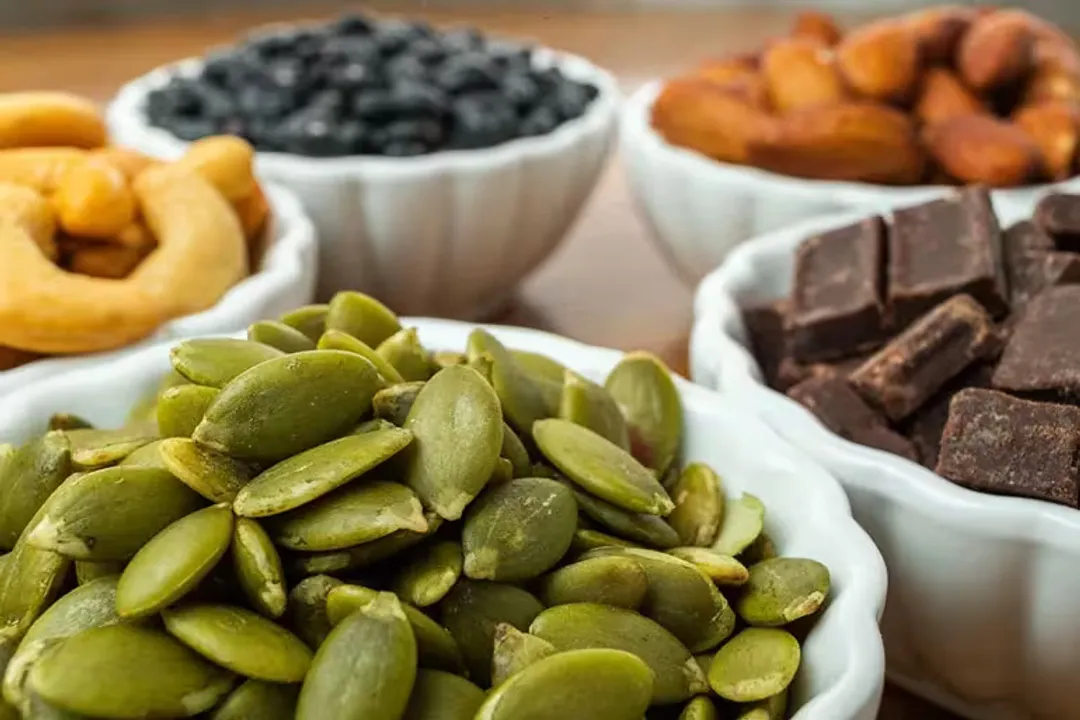
When seeking the absolute highest concentration of magnesium per serving, seeds often lead the pack. Pumpkin seeds stand out remarkably, providing about 168 mg of magnesium in a single one-ounce serving, which can account for a massive 40% of the Daily Value (DV). Other seeds follow closely; for example, one ounce of chia seeds delivers around 111 mg. These tiny sources also pack beneficial fiber and antioxidants, which are key for fighting free radicals and supporting heart health.
# Legume Loads
Legumes, which include beans, peas, and lentils, are another exceptional source of this mineral. Cooked black beans are a standout, offering an impressive 120 mg per cup, which translates to roughly 29% of the DV. Half a cup of cooked edamame (soybeans) provides about 50 mg. Legumes are also valuable for their high protein and fiber content, aiding in blood sugar control and potentially lowering cholesterol.
# Nut Concentrations
Nuts are incredibly nutrient-dense, offering magnesium alongside healthy fats and protein. Among the nuts frequently cited, cashews are particularly rich, with a one-ounce serving containing about 83 mg, or 20% of the DV. Almonds are close behind, providing around 76 mg per ounce. Even small quantities make a difference; a one-ounce portion of almonds alone can cover a significant portion of the daily needs.
# Green and Grain Impact
Magnesium is abundantly present in foods derived from plants, especially those that retain their natural structure.
# Dark Leafy Greens
Dark, leafy vegetables are universally recognized as mineral powerhouses, and magnesium is no exception. Spinach, whether raw or cooked, is a champion in this group. One cup of boiled spinach has been documented to provide around 158 mg of magnesium, meeting roughly 37% of the DV. Other greens like kale, collard greens, and turnip greens also contribute significantly to your intake.
# Whole Grain Benefits
Whole grains are superior to refined grains when it comes to magnesium, primarily because the refining process strips away the nutrient-rich bran and germ. Quinoa, a pseudocereal prepared like rice, offers about 118 mg per cooked cup. Similarly, buckwheat, when cooked, provides around 86 mg per cup. Choosing whole wheat over white flour is a simple swap that dramatically increases magnesium content; for instance, whole wheat flour contains over five times the magnesium found in white, all-purpose flour per 100 grams.
# Everyday Additions
Beyond the top tier, several common foods help round out your magnesium supply throughout the day.
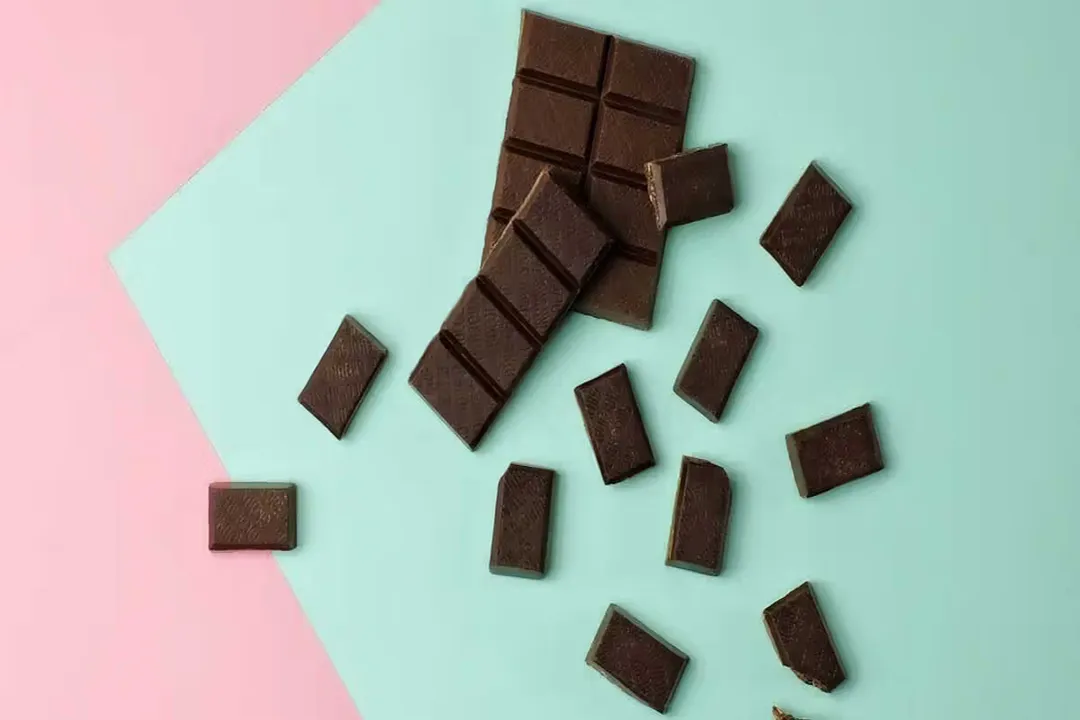
For those with a sweet tooth, dark chocolate is a satisfying way to boost intake. A one-ounce serving of chocolate with 70% cocoa solids or higher contains approximately 64 mg. This treat also supplies beneficial antioxidants.
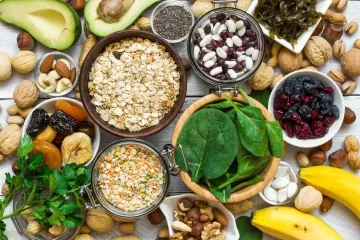
The tropical favorite, the avocado, is another excellent addition. A medium fruit can supply around 58 mg, or 14% of the DV, alongside heart-healthy monounsaturated fats. Even the familiar banana contributes, with a large one delivering about 37 mg. Don't overlook dairy; low-fat yogurt offers approximately 42 mg in an 8-ounce serving, delivering magnesium along with calcium and probiotics.
# Creating Daily Intake
For readers trying to visualize how to meet the adult Recommended Dietary Allowance (RDA), which hovers between 310 mg and 420 mg depending on sex and age, integrating just a few of these foods can be highly effective. Instead of meticulously tracking numbers—a tedious task experts rarely recommend—focus on building your plate around these components. Imagine a lunch built around a base of cooked spinach, topped with a handful of pumpkin seeds and served alongside a portion of cooked quinoa. This single meal composition could easily push an individual past the 300 mg mark, putting them well on track for the day. This "food first" mentality ensures you are also capturing the wide array of other vitamins, minerals, and beneficial plant compounds these foods offer.
# Processing and Absorption
The way food is prepared can critically influence its final magnesium content. As noted with grains, the removal of the bran dramatically reduces the mineral load. This same principle applies broadly to whole foods; processing often means losing beneficial nutrients.
It is important to remember that while food is the primary route to sufficient magnesium, the body's ability to absorb it can be affected by other dietary components or medications. For example, very high doses of zinc from supplements might interfere with magnesium absorption. Furthermore, certain medications, such as long-term use of some proton pump inhibitors or diuretics, can increase urinary magnesium loss or reduce absorption, making dietary diligence or medical consultation even more important for those individuals. Because magnesium is stored mainly in bones and soft tissues, and only a small percentage circulates in the blood, measuring serum levels alone doesn't always reflect the total body status, which is why consistent dietary supply is key.
Related Questions
#Citations
Foods high in magnesium | healthdirect
Magnesium-Rich Foods - Pediatric Nutrition - Golisano Children's ...
Eye on Nutrition: Magnesium | WIC Works Resource System - USDA
10 Magnesium-Rich Foods That Are Super Healthy - Healthline
Magnesium - Health Professional Fact Sheet
25 Magnesium-Rich Foods You Should Be Eating
13 Foods That Are Naturally High in Magnesium - GoodRx
Healthy foods high in magnesium - Medical News Today