Which food is rich in magnesium?
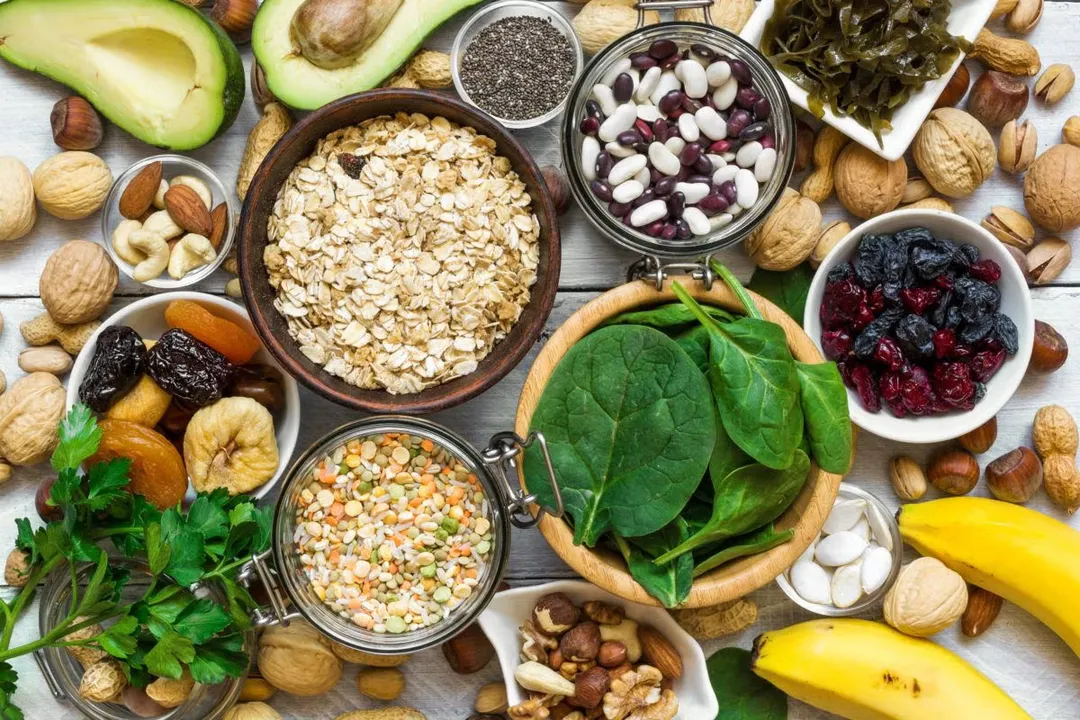
Magnesium is an essential mineral, working behind the scenes to support hundreds of chemical reactions throughout your body, which is why keeping tabs on your intake is genuinely important for maintaining good health. [5][7] It's involved in everything from building strong bones and synthesizing proteins to regulating your blood sugar and keeping your heart beating with a steady rhythm. [1][6][7] Although many people may fall short of the recommended Daily Value (DV) of around 400 to 420 milligrams for adult men and 310 to 320 mg for adult women, happily, nature provides an abundance of wonderfully dense food sources to meet these needs. [1][3][7]
# Mineral Functions
This mineral acts as an electrical conductor, helping muscles contract and nerves send signals effectively. [1] More than half of the body’s magnesium is actually stored in the bones, suggesting a clear tie to skeletal structure, alongside its known roles in blood pressure regulation. [1][3] It plays a key part in creating energy within your cells. [4][7] When levels drop too low, signs can range from loss of appetite and fatigue to more serious issues like muscle cramps and abnormal heart rhythms. [5][7]
# Seeds and Nuts

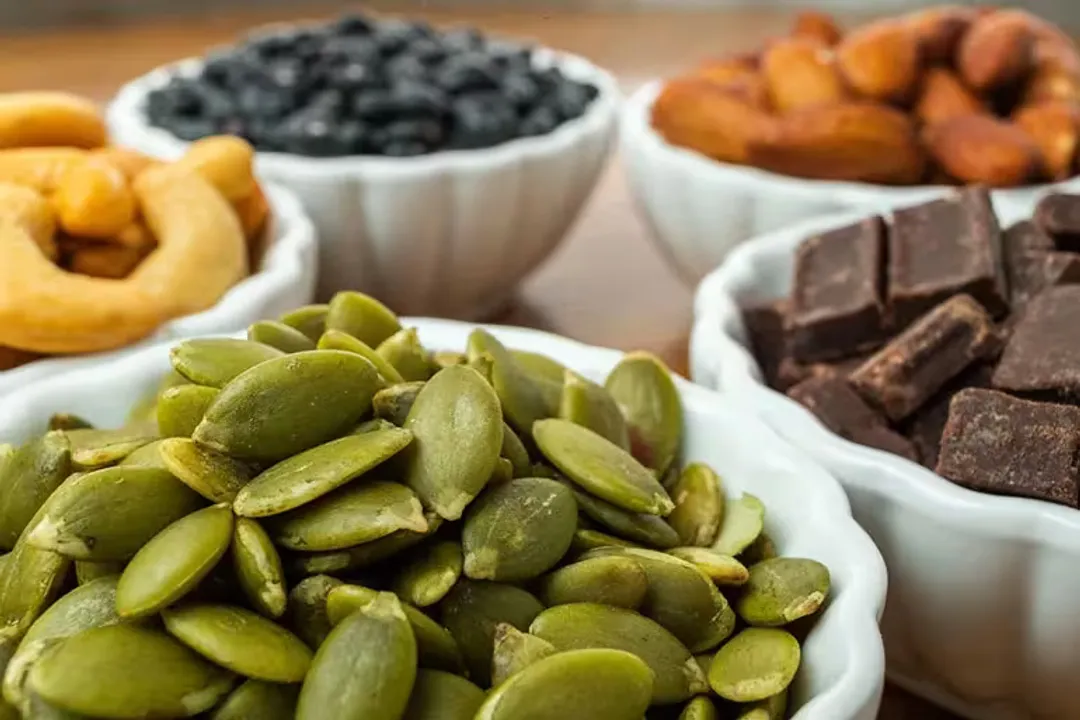
When aiming for a significant mineral boost, seeds and nuts often top the charts for concentration per serving size. Seeds, in particular, are magnesium champions. [5][7] For instance, a one-ounce serving of pumpkin seeds delivers a whopping 40% of the DV, making them a phenomenal source. [5][4] Chia seeds and flaxseeds also fall into this high-density category. [5][8]
Turning to nuts, you'll find excellent amounts in almonds, cashews, and Brazil nuts. [5] A single ounce of cashews can easily account for about 20% of your daily requirement. [5] While these are small packages, they also bring healthy fats and fiber to the table, which aids in feelings of fullness and may contribute to better cholesterol levels. [1][4]
It is interesting to note that while pumpkin seeds have the highest concentration by weight, a single meal built around a staple like black beans might contribute more to your overall daily total depending on portion size. For example, one cup of cooked black beans offers around 29% of the DV, meaning staples and treats contribute in different, important ways. [5]

# Legumes and Greens
The plant kingdom is where you find the most variety of magnesium-rich foods, with legumes and dark leafy greens standing out as true workhorses. [7] Legumes include beans, chickpeas, lentils, and soybeans (edamame). [5][6] A cup of cooked black beans provides nearly 30% of the DV, packed alongside high levels of protein and potassium. [5] Soaking dried beans before cooking them can aid digestion, as noted by some dietary advice. [8]
Equally important are the dark, leafy greens. [3][6] Spinach is particularly noteworthy; a one-cup serving of cooked spinach can provide nearly 37% of the DV. [5] Other beneficial greens that deserve a spot in your rotation include kale, Swiss chard, collard greens, and turnip greens. [2][4][6]
# Grains and Starches
Choosing whole grains over their refined counterparts is a general nutritional strategy that also benefits your magnesium status, as the refining process strips away the nutrient-rich bran and germ. [7] Whole grains like barley, oats, and wheat are good sources, as are pseudocereals like quinoa and buckwheat. [1][5][8] Cooked buckwheat, for instance, can provide about 20% of the DV in one cup. [5] Even common items like brown rice and oatmeal contribute meaningfully to your intake. [1][7] If you enjoy breakfast cereal, check the label, as many are fortified with magnesium. [7] If you're looking to boost magnesium and support bone health, remember that magnesium is crucial for converting Vitamin D into its active form. [1] Therefore, pairing a magnesium-rich food like spinach or quinoa with a Vitamin D source—like fatty fish or fortified milk—creates a powerful combination for your skeletal system. [1]
Potatoes, eaten with the skin on, also offer a decent amount of this mineral. [4][7]

# Protein Sources
While plant sources dominate the highest concentration rankings, animal products certainly contribute to the overall dietary balance. Fatty fish such as salmon, halibut, and mackerel are noted sources. [5][6] For example, salmon provides a solid serving of protein along with its magnesium content. [5] Beyond fish, some sources also list general meats like chicken and beef as containing magnesium, though typically in smaller amounts per serving than seeds or greens. [3][6]
# Fruits and Indulgences
Though often recognized for potassium, bananas are also a good fruit source of magnesium. [5][6] An avocado, while high in beneficial fat, also contains a notable amount, providing about 14% of the DV in a medium fruit. [5]
For those with a sweet tooth, dark chocolate (specifically varieties with 70% cocoa solids or higher) offers a delicious way to supplement intake, delivering about 15% of the DV in a one-ounce square. [1][5] It’s worth remembering that to get the most benefit from chocolate, choosing a higher cocoa percentage is key, as white chocolate contains minimal amounts. [8]

# Dairy and Water Context
Dairy products like milk and yogurt are listed as contributors, alongside soy-based alternatives like tofu, which is a staple for many vegetarians and a good protein source as well. [2][6][7] Even the water you drink can play a role; while tap water content varies widely, mineral and bottled waters can contribute small amounts to your daily total, although you cannot rely on it as a primary, quantifiable source. [4][7]
# Dietary Context and Intake Advice
It is important to grasp the difference between what is found naturally in food and what is added via supplements. Extra magnesium consumed from food is generally considered safe because healthy kidneys efficiently remove any excess amounts through urine. [1][7] The FDA sets a Tolerable Upper Intake Level (UL) for supplemental magnesium—for adults, this is often set at 350 mg from supplements alone—but there is no UL for magnesium naturally present in food. [7]
When preparing food, be mindful of technique. High-heat methods like broiling or searing, or excessive boiling, can reduce the nutrient content in vegetables. [6] To preserve magnesium, consider using methods like steaming vegetables with minimal water, rather than soaking or heavily boiling them. [6]
Experts often stress a "food first" mentality for obtaining this mineral. [4] Rather than meticulously calculating milligrams, a reliable approach is integrating a variety of these magnesium-rich, fiber-rich foods into your daily pattern. [4][7] This ensures you are getting not just magnesium, but a beneficial array of other vitamins, minerals, and plant compounds that work together for better health outcomes, a benefit a single supplement cannot fully replicate. [1][4]
Related Questions
#Citations
Magnesium - The Nutrition Source
Eye on Nutrition: Magnesium | WIC Works Resource System - USDA
Foods high in magnesium | healthdirect
25 Magnesium-Rich Foods You Should Be Eating
10 Magnesium-Rich Foods That Are Super Healthy - Healthline
Foods High in Magnesium - Together by St. Jude™
Magnesium - Health Professional Fact Sheet
9 food sources of magnesium - Laboratoire Dielen