What is the best type of Japanese tea?
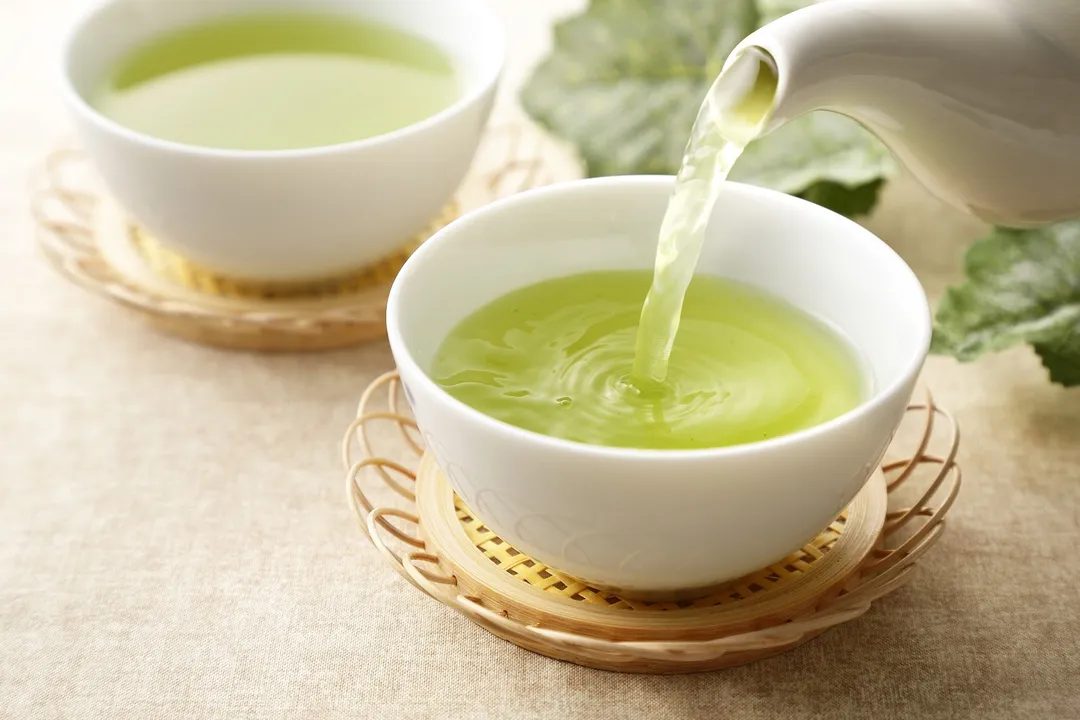
The quest for the single "best" Japanese tea is somewhat paradoxical, given the sheer diversity produced across the islands from the Camellia sinensis plant. [7] While the world often points directly to the bright, powdered intensity of Matcha, the true answer lies along a spectrum dictated entirely by how the leaves are treated after harvest—specifically, through steaming time, whether the plant is shaded from the sun, and if the resulting leaf is subjected to heat treatment like roasting. [1][5] Japan’s production is overwhelmingly dominated by green tea, representing over 99% of what is made. [2] To navigate this landscape, one must understand that the "best" tea is simply the one whose processing method aligns perfectly with a specific moment or craving.
# The Green Foundation
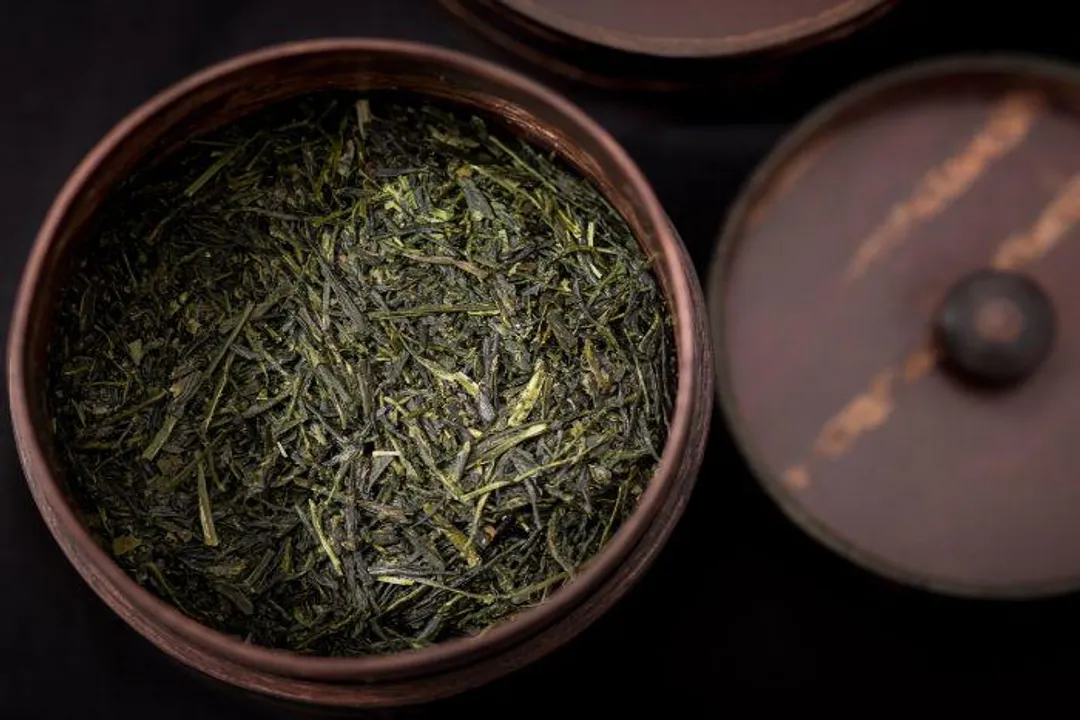
The vast majority of Japanese tea consumed domestically falls under the umbrella term Ryokucha, which simply means green tea. [7] The defining characteristic that separates Japanese green teas from many others, like Chinese varieties, is the immediate application of heat to prevent oxidation—a process achieved primarily through steaming. [1][7] This steaming process locks in the vibrant color and fresh, vegetal character. [9]
# Steaming Variations
Within the ubiquitous Sencha, the most widely consumed tea in Japan, accounting for perhaps 80% of total production, the duration of this initial steaming creates distinct categories. [5][7]
- Asamushi Sencha: This light-steamed style, typically receiving only 20 to 40 seconds of steaming, leaves the leaves more intact. [2] The result is a lighter flavor profile that highlights delicate, vegetal notes. [2][9]
- Chumushi Sencha: The medium-steamed or standard method, usually around 40 to 80 seconds, offers a balanced profile, blending the verdant freshness with subtle underlying sweetness. [2][7]
- Fukamushi Sencha: Deep-steamed for upwards of 80 to 200 seconds, this extended process breaks down the leaf structure significantly. [2] This yields a darker green liquor, a richer steamed-vegetable flavor, and releases more particles into the cup, which can make it an excellent candidate for cold brewing where fruitier notes emerge. [2]
Beyond these processing differences, the timing of the harvest also creates recognized types. Shincha, or "new tea," is the highly prized first flush harvested in early spring (around the Hachiju Hachiya mark). [1][7] These young leaves benefit from winter storage, resulting in a cup rich in nutrients, offering exceptional sweetness and aroma that is only available for a short window. [7][9] Conversely, Bancha is made from more mature leaves harvested later in the season, often in summer or autumn. [5][9] This results in a tea with earthier, woodier flavors, less aroma, slightly more astringency, and a lower caffeine load, making it an affordable, robust daily drinker. [5][9]
# The Shaded Pinnacle
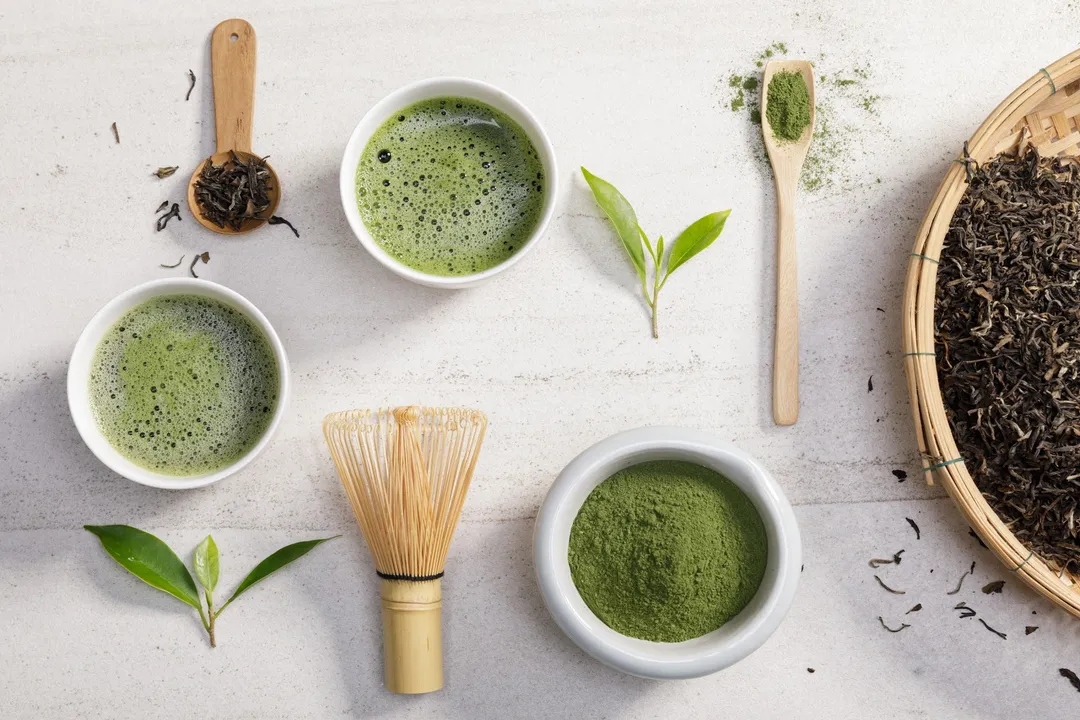
When seeking the peak of savory, sweet intensity—the classic umami associated with premium Japanese tea—the focus shifts to cultivation techniques rather than just post-harvest processing. Shading the tea bushes from sunlight for several weeks before harvest is the key manipulation used to achieve these rare and expensive grades. [5][7]
# Cultivation of Umami
The practice of shading drastically alters the leaf chemistry. By limiting photosynthesis, the plant converts less L-theanine (an amino acid responsible for sweet, savory flavor) into catechins, increasing the overall concentration of both L-theanine and chlorophyll. [1][5][9]
- Gyokuro: Considered by many connoisseurs to be the pinnacle of Japanese leaf tea, Gyokuro (meaning "jade dew") requires shading for over 20 days, often exceeding three weeks. [2][5] This results in dark, blue-green leaves and a brewed liquor that is intensely savory, oceanic, and subtly sweet, ideally brewed with remarkably cool water, sometimes as low as 50°C (122°F), to concentrate this delicate flavor without extracting excessive bitterness. [5][7]
- Kabusecha: Translating to "covered tea," Kabusecha occupies the middle ground, shaded for a shorter period, generally between ten and twenty days. [2][9] It strikes a balance, offering more umami and sweetness than Sencha, but retaining more of Sencha’s refreshing quality than the deep savoriness of Gyokuro. [5][9]
# Powdered Perfection
The leaves destined for Matcha are drawn from the same tradition of heavy shading used for Gyokuro, typically shaded for about three weeks. [2][5] The crucial difference in Matcha production is that the shade-grown leaves, known as Tencha, are dried flat, and then their stems and veins are meticulously removed before the final stage: stone-grinding into a fine powder. [2][7] Because the drinker consumes the entire leaf, Matcha delivers a highly concentrated dose of L-theanine and caffeine, offering a unique, sustained focus. [1][5] It is important to distinguish high-grade Ceremonial Matcha, meant to be whisked in water alone, from Culinary Grade Matcha, which is designed to hold its flavor when mixed with milk or added to baked goods, often coming from slightly later harvests for a bolder profile. [2]
It is fascinating to observe the deliberate cultivation choice. Shading Gyokuro or Matcha leaves is not merely about softening the flavor; it is a calculated agricultural intervention to maximize the concentration of desirable amino acids. This mirrors techniques in viticulture where specific vineyard conditions are managed to boost sugar or acid profiles in grapes, showcasing how Japanese tea artisans meticulously control chemistry long before the leaves ever see steam or a grinder. [2][5]
# Transformations Roasting and Blending
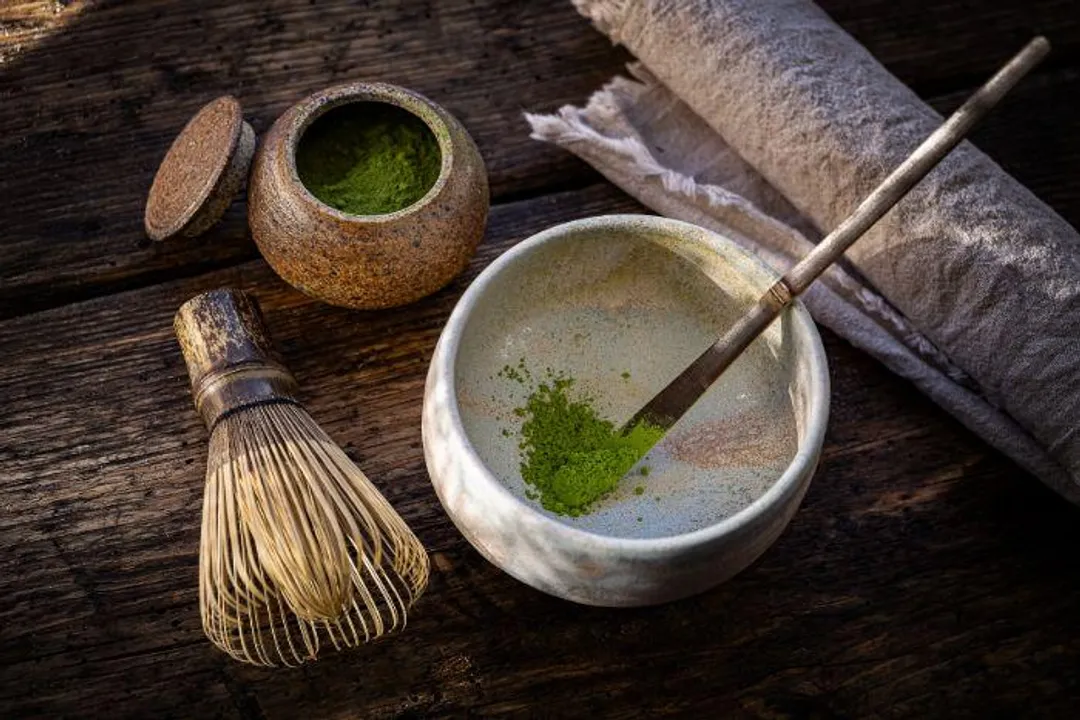
Not every celebrated Japanese tea achieves its flavor through shade or meticulous steaming; some rely on heat and admixture to create comforting, often lower-caffeine profiles suited for different times of day. [5]
# The Comfort of Roast
Hojicha, which translates simply to "roasted tea," is made by taking mature leaves or stems (often Bancha or Kukicha) and roasting them over high heat, usually in a porcelain pot. [7][9] This high-heat process transforms the leaf's color to a reddish-brown and radically alters the flavor profile from vegetal to nutty, smoky, and caramelized. [5][7] Critically, the roasting drastically reduces the caffeine content, making Hojicha a popular evening choice in Japan, often served to the elderly or children. [5][7]
# Cereal Notes
Genmaicha offers a completely different transformation through blending. It mixes standard green tea—often Sencha or Bancha—with roasted brown rice kernels. [1][5] This blend was historically a way to stretch limited tea supplies, but it has become a beloved style on its own, known as "popcorn tea" when the rice puffs during roasting. [1][7] The rice imparts a toasty, cereal sweetness that successfully balances any potential bitterness from the green tea base. [7] A lesser-known variation, Iri Genmaicha, enhances this blend further by incorporating Matcha powder into the mix, resulting in a cup with a brighter green liquor and an added umami boost. [2]
# Deviations from Steaming
While steaming is the Japanese standard, some unique styles diverge. Kamairicha, particularly associated with the Kyushu region, skips steaming entirely and is instead pan-fired, similar to many Chinese green teas. [2][9] This results in warmer, nutty notes—perhaps of almond or cashew—while still retaining a certain green freshness. [2][9]
# Parts and Process Byproducts
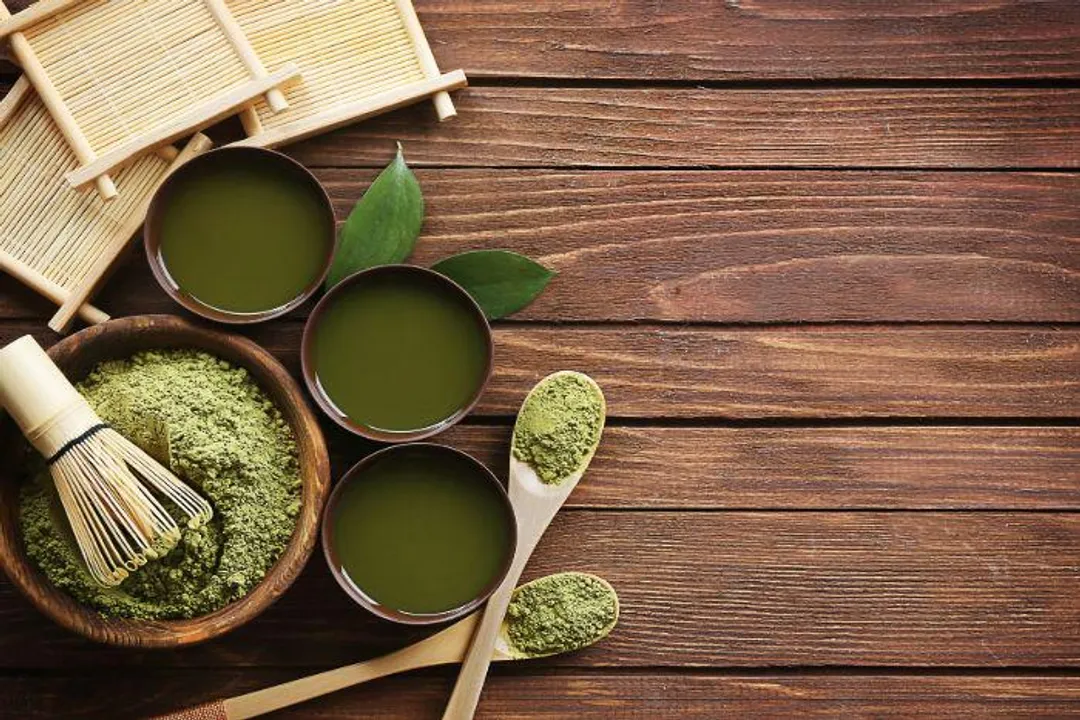
Japanese tea production extracts maximum value from the entire Camellia sinensis bush, resulting in distinct teas made from non-leaf components or processing remnants. [5]
- Kukicha: Known as "twig tea" or bōcha, this variety is made predominantly from the stems, twigs, and stalks separated during the processing of Sencha or Gyokuro. [5][7] These structural parts carry less caffeine but contribute a naturally lighter, hay-like sweetness, making Kukicha a mild, refreshing, and low-caffeine option. [1][9] A variation, Kuki Hojicha, involves roasting those stems, leading to an even darker flavor profile, akin to black coffee or dark chocolate, with minimal caffeine. [2]
- Mecha: This rare variety is made exclusively from the very first buds of the tea plant harvested in early spring. [5] These small, rolled buds produce a concentrated cup, sitting flavor-wise between Gyokuro and Sencha, offering a strong, robust taste and a quick energy lift due to high caffeine. [5][7]
- Konacha: This is the "dust tea," comprised of the tiny fragments and particles left over after higher-grade Gyokuro and Sencha have been shaped. [2][7] Though low-grade, the small size of the particles means it brews quickly—often in just 30 seconds—delivering a strong, grassy flavor, frequently served as a brisk palate cleanser in sushi restaurants. [7]
# Beyond Green
While green tea reigns supreme, Japan does produce other categories, alongside several popular tisanes that do not contain Camellia sinensis at all. [7]
# Oxidized and Fermented
Wakoucha is the term for Japanese black tea, which is fully oxidized, resulting in the amber color from which it derives its name, Kōcha ("red tea"). [5][7] Because Japanese black teas often utilize unique cultivars not typically used for black tea elsewhere, they tend to be milder than their Indian or Chinese counterparts, sometimes showing notes of honey and spice with a smooth finish. [1][7] Even rarer are Koji-fermented teas like Nadeshiko, which use fermentation processes similar to sake or miso, yielding chocolate and citrus notes reminiscent of aged Pu-erh. [2]
# Caffeine Free Options
For those seeking an evening beverage without the stimulant effect, several popular options exist that are caffeine-free infusions:
- Mugicha: Made from roasted barley grains, this is perhaps the most common non-tea beverage in Japan, particularly brewed cold during the hot summer months for its refreshing character. [5][7]
- Sobacha: This tea is made from roasted buckwheat kernels, offering a nutty, sweet, and earthy aroma. [5] Its preparation is simple infusion, and the kernels can even be eaten afterward.
- Kuromamecha: Crafted from roasted black soybeans, this tisane is known for its savory, nutty flavor and is traditionally associated with promoting various health benefits. [5]
- Kombucha (Kobucha): Distinct from the western fermented beverage, this is an infusion of dried seaweed (kombu) and often plum, providing a salty, deep umami flavor profile akin to a light soup, sometimes used for the dish chazuke. [7][8]
# Deciding Your Best Brew
The "best" tea is entirely dependent on the drinker’s preference for body, flavor intensity, and desired caffeine level. A good rule of thumb is to match the tea style to the time of day and the preparation rigor you are willing to undertake.
If you require a bracing start to the day or intense focus, Matcha or a bright Shincha offers a high L-theanine and caffeine boost. [5] If the day demands steady energy without the jolt, the universally popular Sencha (brewed moderately warm) serves as the daily staple. [7] For winding down, the roasted Hojicha or caffeine-free Mugicha provide warmth without stimulating the system. [5]
If bitterness in Sencha has been an issue in the past, it is crucial to recognize that this is often a result of over-extraction due to scalding the leaves with water that is too hot, rather than an inherent flaw in the tea itself. [3]
| Profile Goal | Flavor Character | Suggested Tea Type(s) | Primary Processing Driver | Recommended Water Temp |
|---|---|---|---|---|
| Maximum Umami/Sweetness | Savory, rich, deep | Gyokuro | Heavy Shading (20+ days) | Very Low (50–60°C) [5][7] |
| Daily Freshness/Balance | Grassy, slightly vegetal, light citrus | Sencha (Chumushi) | Steaming (Standard time) | Medium (70–80°C) [7] |
| Evening Comfort/Low Caffeine | Nutty, toasty, smoky | Hojicha | High-Heat Roasting | High (Near Boiling/90°C) [5][7] |
| Cereal & Comfort | Nutty, toasted rice | Genmaicha | Blending with Rice | Medium-High (80–85°C) [5][7] |
| Robust/Affordable | Earthy, strong, less refined | Bancha | Late Harvest | Hot (80–90°C) [5][9] |
When you purchase tea, remember that quality often correlates with traceability. While many mass-market options exist, enthusiast circles suggest seeking out teas from specific renowned areas, such as the high-quality Gyokuro and Matcha from Uji in Kyoto, or the distinct teas produced in regions like Yame in Fukuoka. [2][9] Experiencing these geographically distinct profiles—like the unique, pan-fired Kamairicha from Kyushu—adds depth to the appreciation of the overall category. [2][9] The "best" Japanese tea, therefore, is one you taste on a day when its specific flavor profile—whether deep, shaded Gyokuro or comforting, roasted Hojicha—perfectly matches your palate's expectation for that exact moment.
Related Questions
#Citations
Different Types of Japanese Tea: A Beginner's Guide - byFood
What tea should I buy in Japan? - Reddit
10 Unique Varieties: A Guide to Japanese Teas
Best Japanese Teas: 41 Types Explained Simply by an Expert
Japanese Tea: Discover the Most Popular Types
Japanese Tea Guide - Japan Centre
A Day in Tea: The Best Japanese Teas for Morning, Afternoon, and ...
Guide to Japanese Teas - The Fragrant Leaf
Japanese Green Teas: A Comprehensive Guide - ArtfulTea