What is so special about sun tea?
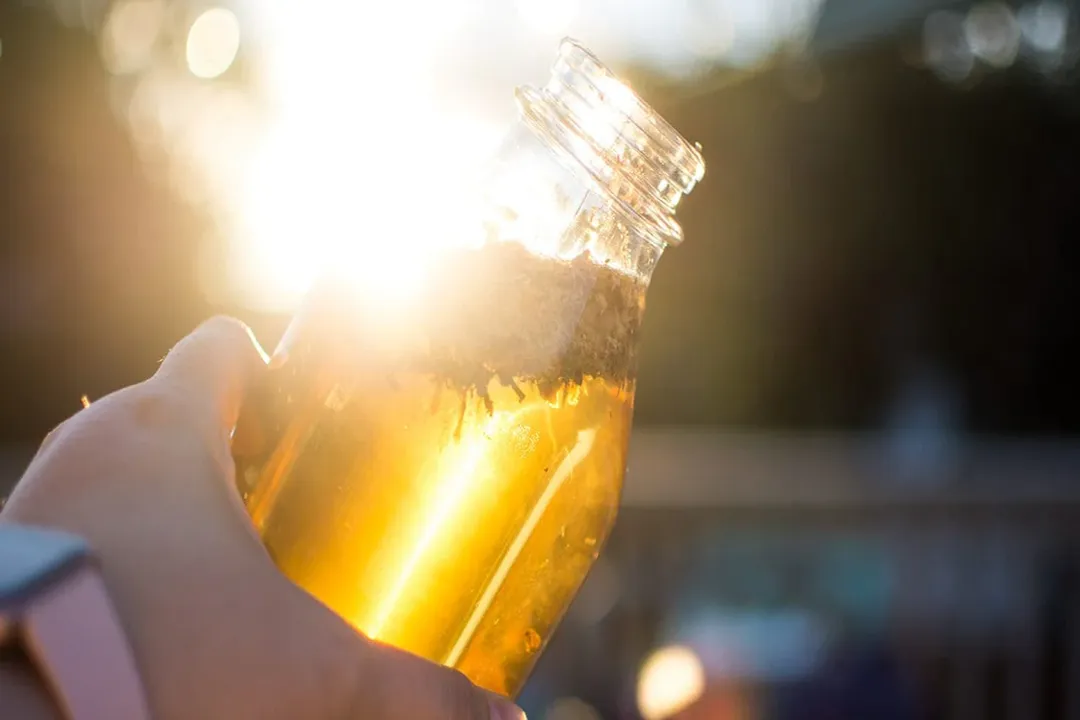
The glass jar, often a gallon-sized pickle jar repurposed for summer duty, sitting on a porch railing or patio table, is a familiar sight when the weather turns warm. Inside, water slowly darkens as tea bags or loose leaves steep under the direct gaze of the sun, creating what many call sun tea. This method is deeply rooted in the tradition of making large batches of refreshing iced tea without ever turning on the stove or boiling water indoors during the hottest part of the year. [3][2] It evokes a sense of ease and nostalgia associated with long, lazy summer days.
# Summer Tradition

The appeal of sun tea lies primarily in its simplicity and the avoidance of heat in the kitchen. [3] It’s an almost ritualistic approach to summer refreshment. Instead of the rapid extraction of flavor that comes from boiling water, sun tea relies on ambient heat and time. You simply combine your preferred tea—often black tea, but herbal blends are common too—with water in a clear container and let nature take its course. [9] The process usually takes several hours, depending on the intensity of the sunlight and the volume of water being used. [9] For those who love iced tea but dread the pre-step of making it hot, this method seems like a perfect, passive solution.
# Brewing Mechanics
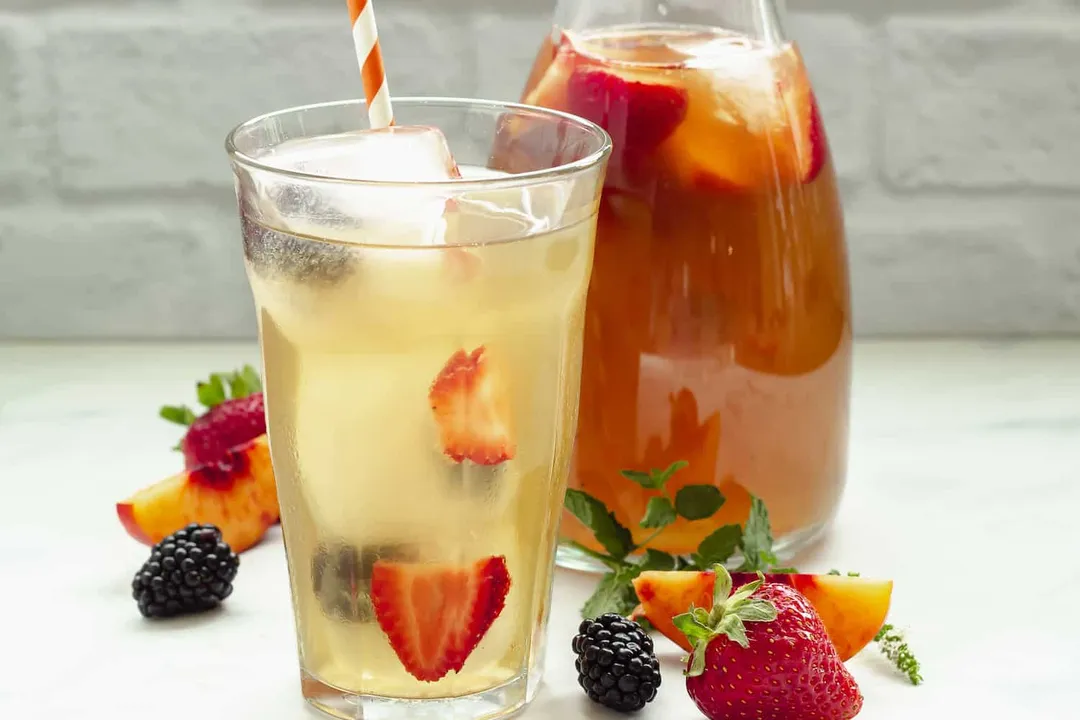
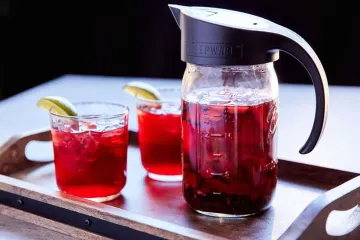
The exact mechanics are straightforward: tea compounds dissolve into the water as it warms gradually in the sunlight. People often use multiple tea bags, sometimes six or more, for a gallon batch to ensure the final product has enough strength, as the lower brewing temperature means extraction is slower than traditional hot steeping. [5] This slow extraction is what some enthusiasts believe gives sun tea its unique character. [5] The result, once chilled (or enjoyed immediately if warm enough), is ready to be served over ice, perhaps with a slice of lemon or a sprig of mint. [7]
# Flavor Differences
When discussing sun tea, the inevitable comparison is to its cousins: hot-brewed iced tea and cold-brewed tea. Hot-brewed tea, steeped briefly in near-boiling water, extracts catechins and tannins very quickly, often resulting in a brew that, if not steeped precisely, can taste bitter or astringent. [5] Cold-brewed tea, made by steeping leaves in cold water in the refrigerator for 8 to 12 hours, yields a very smooth, naturally sweeter concentrate because the lower temperature keeps the harsher, bitter compounds largely undissolved. [5] Sun tea, sitting in that middle ground—warmer than the fridge but much cooler than boiling—produces a flavor profile that many describe as milder than hot tea but perhaps slightly more robust than refrigerator cold brew. [5][6] This tepid, prolonged exposure seems to release different volatile aromatic compounds than either extreme temperature method, giving it a distinct, somewhat mellow profile that enthusiasts seek out. [5]
If you are accustomed to very strong tea, you might find that a standard 4-bag-per-gallon ratio for sun tea results in something weaker than expected, precisely because the temperature never hits the ideal range for rapid infusion. A personal test might reveal that for a gallon of sun tea, you need the equivalent of 8 standard bags to achieve the same perceived "strength" as a refrigerated cold brew made with 6 bags over 12 hours.
# The Safety Question
Despite its popularity, the tradition of sun tea comes with a significant caveat raised by food safety experts: the temperature danger zone. [4] The U.S. Department of Agriculture, and subsequently university extensions, identifies the temperature range between 40°F and 140°F (approximately 4°C and 60°C) as the zone where bacteria multiply most rapidly. [4] Because sun tea brews slowly, the water spends many hours languishing right in this danger zone, making it a potential breeding ground for harmful microorganisms, such as Bacillus cereus. [4]
The simple glass jar, left unattended on a sunny deck, might reach internal temperatures that encourage bacterial growth before the tea has fully steeped or before the sun's heat becomes truly sterilizing, which often requires sustained temperatures above 160°F. [4] This is a critical distinction: the warmth feels nice for brewing, but it's the wrong kind of warmth for food safety when dealing with standing water and tea leaves, which carry natural microbial load. [2] Unlike pasteurization, the sun's ambient heat is simply not reliable enough to neutralize potential pathogens in the time frame most people use for brewing. [4]

# Cooler Methods
Because of the established food safety risks associated with the temperature danger zone, the consensus among many food safety educators is to avoid making tea in the sun altogether. [4] The primary, safest alternative is the refrigerator cold brew method. [5] This method involves placing the tea and water in the fridge and allowing it to steep slowly for 8 to 12 hours. While it takes longer than a few hours in the sun, the temperature remains consistently below the danger threshold, meaning any bacteria present will not proliferate. [5][6]
Another, slightly faster, safe alternative often mentioned involves starting with water that has been boiled and allowed to cool slightly—perhaps down to 160°F or so—then adding the tea and letting it steep on the counter for a few hours, ensuring the final mixture is refrigerated promptly afterward. [4] If you are determined to keep the summer spirit of sun tea but want to minimize the exposure time to the temperature danger zone, you could try brewing it for a very short duration—perhaps two hours in the most intense midday sun—and then immediately refrigerating the liquid to halt any potential bacterial activity, treating the sun merely as a low-level heating element rather than the sole brewing agent. This modification attempts to balance tradition with caution.
# Tea Type Considerations
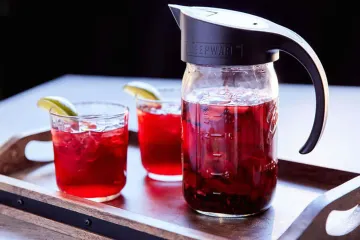
The type of tea also plays a small role in the overall experience and potential microbial risk. Traditional sun tea recipes often rely heavily on standard black tea. [2] However, since the brewing is slow and cool, more delicate teas or herbs might yield interesting results, provided they are handled safely afterward. For instance, lighter green teas might become overly vegetal or lack the necessary punch when steeped this way compared to a hot steep. On the other hand, herbal infusions, like hibiscus or mint, often perform well in longer, cooler steeps, similar to cold brew, since they are less reliant on heat to release their primary flavor compounds. [7]
# Making It Safe
If you are making a large batch of iced tea intended to sit around, even if you steep it hot first, proper handling is key. Once the tea is brewed hot, it should be cooled rapidly before sealing and refrigerating it to minimize the time it spends in that hazardous temperature band before being chilled. [4] If you use loose-leaf tea rather than bags, you will need a proper infuser or strainer to ensure no particles remain in the final product. [6] Ultimately, while sun tea holds a certain charm rooted in nostalgia and simplicity, modern food safety guidelines strongly recommend sticking to methods that use either high heat or consistent refrigeration to achieve a delicious, safe brew for those hot summer afternoons. [4]
Related Questions
#Citations
Can someone explain sun tea to me? : r/tea - Reddit
Sun Tea | Summer's Controversial Beverage
If you love iced tea but don't want to heat up your kitchen by making ...
The Dangers of Sun Tea | Simply Nutritious, Quick and Delicious
Is sun tea really any stronger or better than cold brewed refrigerator ...
Making Tea: Sun Tea vs Refrigerator Tea vs Hot-Brewed Tea?
Making Sun Tea - Steepster
How to Make Foolproof Fruited Sun Tea | Craving Something Healthy
How To Make Sun Tea - Young Mountain Tea