Are pyramid tea bags better?

The move from traditional flat tea bags to the now common, pillow-like pyramid shape sparks frequent discussion among tea drinkers. It’s not just a packaging trend; the design is fundamentally different, suggesting a different kind of tea experience lies within. [2][5] For many, the shift implies an upgrade in quality—that the contents are superior to the fine, broken bits found in standard paper sachets. [6][10] The actual difference, however, is a mix of genuine brewing mechanics, the quality of the leaf used, and, sometimes, simply clever marketing. [5]
# Infusion Space

The most immediate and frequently cited advantage of the pyramid design relates directly to the brewing physics inside the cup. [2][7] A traditional flat tea bag severely restricts the movement of the tea leaves once hot water hits them. The leaves are pressed tightly against the material, limiting the ability of the water to circulate fully and evenly extract the compounds that make up flavor and aroma. [6]
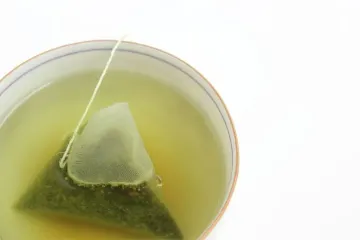
The three-dimensional structure of the pyramid shape solves this spatial constraint. [2][7] Because the bag has more volume, the tea leaves have significantly more room to unfurl, expand, and move freely as they steep. [8][9] This increased mobility allows for a more thorough and comprehensive infusion, similar to using a tea strainer or a dedicated infuser basket. [7] When leaves can fully hydrate and interact with the water, the resulting cup is often perceived as richer, clearer, and possessing a more developed flavor profile than one steeped from a cramped flat bag. [3][6] The goal of the pyramid shape is to bridge the gap between the convenience of a ready-made bag and the quality of loose-leaf brewing. [2][8]
# Leaf Selection

The quality of the tea inside the bag often correlates with the packaging choice, though this is not an absolute rule. [10] Manufacturers who invest in the more expensive pyramid packaging frequently choose to fill them with higher-grade ingredients to justify the premium positioning. [7]
Standard, low-cost flat tea bags are typically filled with fannings or dust—the smallest particles left over after processing higher-quality whole or large-cut leaves. [6][9] While these small particles release flavor very quickly, they often result in a more bitter, less nuanced brew because they release tannins and caffeine rapidly. [2] In contrast, pyramid bags commonly house either whole leaf tea or large, orthodox-cut tea leaves. [2][3][7] These larger pieces require more space to rehydrate properly, which is why the pyramid shape becomes essential for their optimal release of oils and complex flavor notes. [7][8] If you open a pyramid bag and find recognizable pieces of leaf, stem, or bud, it is a strong indicator that the manufacturer intended for a higher-quality brew than a standard bag allows. [9]
# Material Composition

While the shape promises superior infusion, the material of the bag itself requires careful consideration, as it introduces a significant variable. [4] The traditional flat bag is usually made of paper or a fibrous material, but pyramids are often constructed from synthetic mesh materials like nylon or polyethylene terephthalate (PET). [1][4]
For many consumers focused on purity and health, the idea of steeping hot water over plastic mesh is a considerable drawback. [1][5] Concerns frequently arise regarding the potential leaching of microplastics or other chemicals from these synthetic meshes into the final brew, although definitive research on widespread health impacts from quality-controlled food-grade plastics remains an evolving area. [1] Conversely, the clear mesh is advantageous for visibility; the consumer can often see the quality and cut of the leaf inside before purchase, offering a degree of quality assurance that opaque paper bags cannot. [2][8] Some premium brands have responded to these material concerns by using materials described as silk or biodegradable alternatives, though confirming the exact composition is key, as terms like "biodegradable" can sometimes be loosely applied or only refer to certain components. [2][4] It’s worth noting that the structural integrity required for the pyramid shape often necessitates a material stronger than simple paper, creating this inherent tension between form and material safety. [5]
When assessing a new brand of pyramid tea, it is helpful to view the packaging material as a separate calculation from the leaf quality it contains. A tea bag made of high-grade, whole-leaf Assam wrapped in questionable nylon presents a different value proposition than the same tea steeped in a clear, certified compostable mesh. The shape enables the tea, but the material dictates the purity of the surrounding environment.
# Economic Reality
The increased cost associated with pyramid tea bags is undeniable when comparing them side-by-side with their flat counterparts. [10] This higher price point is typically a direct result of two factors: the more expensive raw material (whole leaf tea vs. dust) and the complexity of the packaging process itself. [7][10] Manufacturing a three-dimensional sachet requires specialized machinery, adding to the overhead compared to the simple folding and sealing of a flat bag. [5]
This cost difference forces consumers to weigh perceived value. If the improved infusion leads to a noticeably better-tasting cup, the extra few cents per bag might be justifiable for daily enjoyment. [3] However, if the pyramid contains low-grade tea simply packaged in a visually appealing way, the extra cost is purely for marketing flair and offers no real benefit over a good quality, inexpensive loose-leaf product. [5][10]
# Waste Considerations
The environmental footprint of tea bags, regardless of shape, has become a significant topic of discussion. [4] While the pyramid shape might optimize the taste, it doesn't automatically guarantee environmental friendliness. [4]
If the pyramid bag is made from nylon or PET plastic, it cannot be composted alongside standard food scraps or garden waste. [4] In fact, throwing these synthetic mesh bags into a general waste bin means they contribute to plastic pollution, much like any other non-recyclable packaging. [1] Some brands, recognizing this, have switched to PLA (polylactic acid) or other plant-based polymers that can break down under specific commercial composting conditions. [4] However, consumers must be vigilant. If a package boasts a higher quality tea but doesn't explicitly state that the bag material is fully compostable or biodegradable, the safest assumption, based on industry norms, is that it contains plastic mesh. [4] For the dedicated environmentalist, the cleanest route remains buying loose-leaf tea and using a dedicated metal infuser, completely bypassing the bag dilemma altogether. [5]
For instance, a tea shop offering an Oolong in a pyramid bag might see higher customer satisfaction due to the leaf expansion, but if that same shop switched to a fully biodegradable paper-based sachet for a lower-grade tea, the trade-off in flavor might be less noticeable, while the environmental benefit becomes clearer. The consumer must decide which factor takes precedence in their purchasing decision.
# Packaging Perception
The perception of pyramid tea bags often splits the community into two camps: those who see it as a legitimate evolution in tea convenience and those who view it as an unnecessary gimmick. [5]
Those who appreciate the shape generally align with the argument that it unlocks the potential of higher-quality leaf that would otherwise be crushed in a flat bag. [8] They see it as an engineering solution to the problem of infusion restriction inherent in the traditional design. [2]
The skeptical group argues that if a manufacturer is using whole leaf tea, they should sell it loose so the user can brew it properly, rather than boxing it into a restrictive, albeit larger, container. [5][10] For them, the pyramid is an unnecessary middle step that adds cost and potential material contamination (plastic) without ever fully achieving the purity of a true loose-leaf experience. [1] A key piece of actionable advice for anyone evaluating a pyramid bag purchase is to look closely at the leaf itself through the mesh. If the leaves appear sparse, broken, or overwhelmingly small, the shape is not saving the quality; it is merely wrapping substandard material in premium packaging.
To help guide this evaluation, one might consider this simple mental checklist when picking up a box of pyramid teas:
- Material Check: Does the packaging explicitly state the bag material? (Look for words like PLA, silk, or avoidance of nylon/PET if environmental purity is the goal). [4]
- Leaf Visibility: Can you clearly see large, unbroken pieces of leaf material through the mesh? (Higher visibility usually equals better leaf quality). [2][8]
- Price Context: Does the price reflect the inclusion of whole leaf tea, or is it priced similarly to high-quality loose leaf? (If it's the same price as premium loose tea, the convenience might not be worth the potential material drawbacks). [10]
In summary, pyramid tea bags are demonstrably better than traditional flat bags in one critical area: providing the necessary physical space for leaf expansion and optimal water circulation. [2][7] This design choice often coincides with the use of superior, larger-cut tea leaves. [3][9] However, this advantage is conditional. The benefit can be negated or overshadowed if the bag material is synthetic plastic, introducing new material concerns, or if the manufacturer fills the premium packaging with low-grade tea simply for marketing impact. [1][5] They offer convenience coupled with improved infusion mechanics, but they do not automatically equal the gold standard of loose-leaf tea brewed freely in an open vessel. [10]
Related Questions
#Citations
Just "how bad" are the pyramid bags? : r/tea - Reddit
What's the Deal with Pyramid Tea Bags?
Why Pyramid-Shaped Tea Bags are Considered Better
Pyramid tea bags are environmental bad - Good Life Tea
Pyramid Tea Bags: Useful or Gimicky??? - Steepster
pyramid vs traditional tea bags - Teapigs Australia
What are the advantages and disadvantages of pyramid teabags?
What are pyramid tea bags, why are they premium and benefits
Regular Tea Bags Vs Pyramid Tea Bags - Which is Better?
Pyramid Tea Bags, Are They Better Than What You Are Using Now?