Does sun tea have to be in the sun?

The simple act of placing a jar of water and tea bags on a porch railing seems like a quintessential summer ritual, instantly conjuring images of lazy afternoons and cool, refreshing beverages. This tradition, known as sun tea, carries a powerful cultural resonance, yet its very name sparks debate: Is the sun actually a necessary ingredient, or is it just a nice aesthetic accessory to an outdoor steep? The answer is far more complex than a simple yes or no, involving chemistry, food safety guidelines, and generations of personal preference. [2][5]
# Naming Tradition
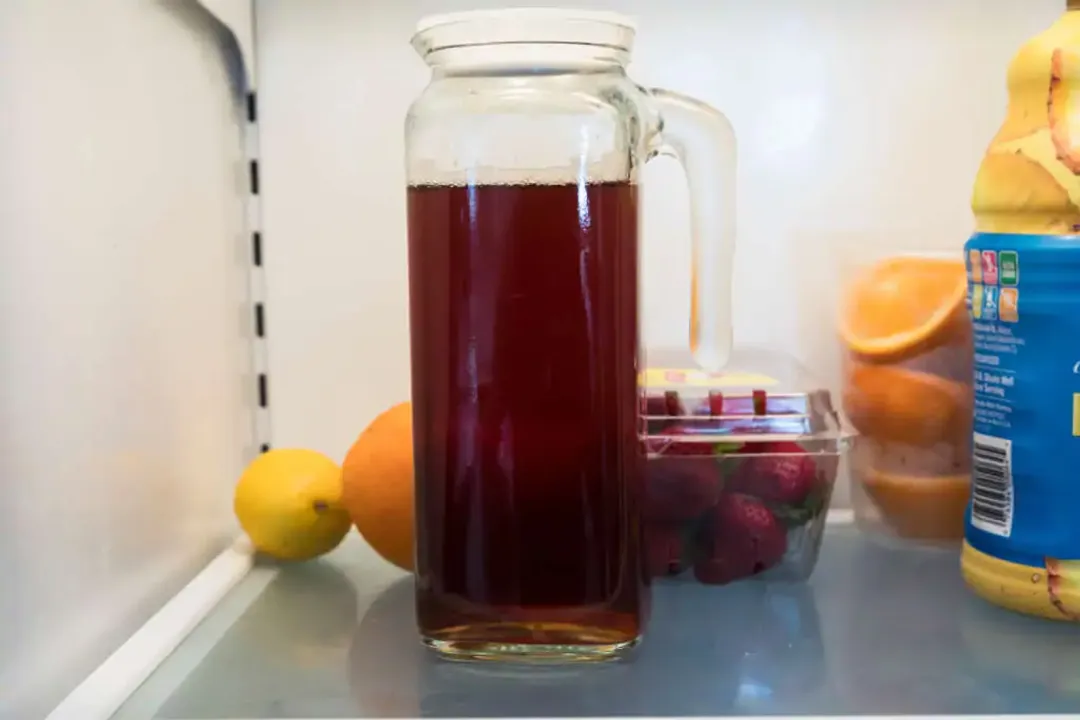
The very name implies a requirement. Sun tea, by definition for many enthusiasts, is tea brewed using only the sun's ambient energy over several hours, rather than boiling water on a stovetop. [5][7] Proponents often describe the resulting flavor as superior, noting it is typically smoother and less likely to develop the bitterness associated with tea steeped too quickly or too hot. [5][9] This smoother profile is attributed to the slow, low-temperature extraction process the sun facilitates. [5] People who grew up with this method often feel a strong connection to the process itself, seeing the sun not just as a heat source, but as the method that defines the drink. [7]
# Heat Factor

For tea to properly extract its compounds—the tannins that give it body and the caffeine—it needs warmth. When people talk about sun tea, they are referring to an environment where the water is heated slowly, often taking several hours to steep. [7] Some sources describe the goal as letting the tea sit in direct sunlight for four to five hours until it reaches a desirable temperature. [2][5] In many regions, this slow warming is what differentiates it from a standard cold brew, which relies on refrigeration or room temperature steeping over a much longer period. [9]
However, the actual temperature reached varies wildly depending on location, container material, and ambient weather. A person making sun tea in a very hot, arid location, like those reporting from Phoenix, might see their water get quite warm, perhaps reaching temperatures well over () relatively quickly due to the intense solar radiation. [7] In contrast, someone trying the same method on a cooler, slightly overcast day might only achieve lukewarm water, essentially performing a very slow room-temperature steep outdoors. [6] The flavor outcome is tied to this thermal reality: if the water doesn't get hot enough, the extraction might be weak or simply mimic a standard cold brew, regardless of the sun’s presence. [6]
If we consider that proper hot brewing generally requires water near (), sun tea operates in a vastly different thermal space. [2] This low-heat steep is what prevents the quick release of certain compounds, leading to that characteristic mellow taste. [5]

# Safety Concerns
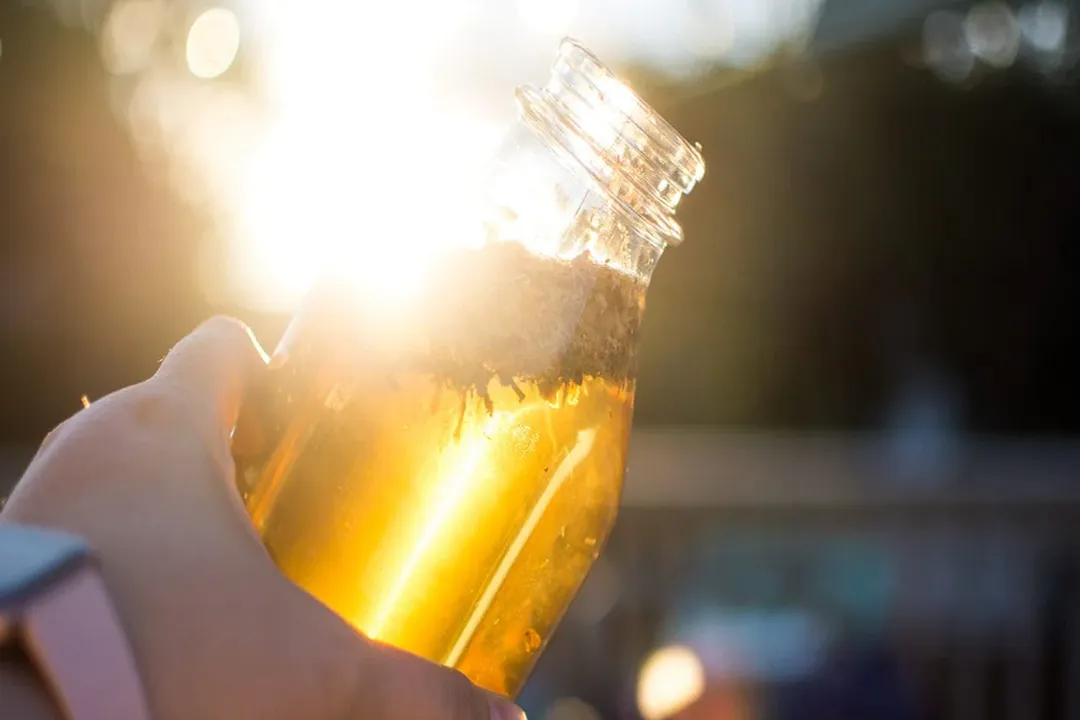
This is where the debate shifts from preference to precaution. The primary concern surrounding sun tea is food safety, specifically the growth of bacteria. [2][4] The United States Department of Agriculture (USDA) defines the temperature danger zone for food as between and ( and ). [2] When tea is left in the sun, the water temperature can easily hover in this zone for extended periods—perhaps the first hour or two as it warms up, or if the sun isn't intense enough to push it past . [2][4]
If bacteria are present in the water, the tea, or the container—which is always a possibility—this lukewarm environment allows them to multiply rapidly. [4] Because the water is not being brought to a boil, any existing pathogens are not killed, creating a potential risk. [2] Food safety experts often advise against this method precisely because of the prolonged time spent in the danger zone. [2] This caution is a significant reason why many modern guides pivot toward the cold brew method, which keeps the brewing container refrigerated, entirely bypassing the bacterial risk. [8]
# Sunless Alternatives
If the goal is a smooth, non-bitter iced tea, the sun is not the only pathway; in fact, it may not even be the most reliable one. [8] The recognized alternative is cold brewing, which involves steeping tea in cold water in the refrigerator for an extended period, usually 8 to 12 hours. [8][9] This method achieves the low-temperature extraction that sun tea enthusiasts seek, but it does so under controlled, safe, chilled conditions. [8]
The comparison between sun tea and cold brew often comes down to timing and certainty. Cold brewing requires planning the night before, ensuring the tea is ready the next day. [8] Sun tea, conversely, is an impromptu affair, relying on the day’s weather. [5] If you are prioritizing safety and consistency, the refrigerator is the more dependable vessel. [2][8]
| Method | Primary Heat Source | Typical Steep Time | Flavor Profile Tendency | Safety Consideration |
|---|---|---|---|---|
| Sun Tea | Sunlight (ambient heat) | 3–6 Hours | Smooth, less bitter | Risk of time in the Danger Zone (–) [2][4] |
| Cold Brew | Refrigeration | 8–12+ Hours | Very smooth, light | Very low risk; kept below [8][9] |
| Hot Brew | Boiling Water | 3–5 Minutes | Full-bodied, potential bitterness | Kills bacteria instantly [2] |
This comparison highlights that "sun tea" is often more about the low and slow process than the physical solar radiation itself. If a sealed pitcher of tea is placed in a very hot, non-solar environment, like a dark, warm storage shed on a hot day, it would technically replicate the temperature curve of sun tea without the direct sun exposure—though this introduces its own set of container and heat management issues. [6]

# Practicality Check
For those dedicated to the sun method, local conditions dictate success. In climates where the sun is intense and dependable, the process works as intended: a few hours of strong light provides enough energy to steep the tea effectively and quickly. [7] This rapid heating in intense sun may even push the water past the upper limit of the danger zone and closer to a hot steep, potentially negating the "smoothness" advantage while still not reaching a true boil. [2]
Conversely, for regions with less reliable solar power, relying on the sun mandates a longer incubation period. If a jar is left out all day on a mildly sunny day, the tea might only steep minimally, requiring several days or intervention to become drinkable. [7] This ambiguity is why many longtime drinkers who enjoy the flavor profile have shifted to a hybrid approach. They might briefly heat the water on the stove—just enough to get it above () to kill potential initial bacteria—and then place it in the sun to finish the extraction. [5][9] This modified approach honors the traditional flavor goal while injecting a critical, safety-focused heating step that the traditional, pure sun method often lacks.
When thinking about optimizing the setup, consider the vessel. Glass jars allow for maximum light penetration, whereas plastic may absorb more heat but could potentially leach materials if not specifically rated for high temperatures, even if those temperatures are only ambiently achieved. [2] Selecting high-quality, clear glass containers is an excellent way to ensure you are getting the most effective solar energy transfer for your steep time.
# Defining Sun Tea
So, does sun tea have to be in the sun? If we adhere strictly to the definition implied by the name, then yes, the solar radiation is the process that defines it. [5] If you put tea in the fridge overnight, you have cold brew. If you boil water, you have standard iced tea. [9]
However, if we define sun tea by its result—a smooth, mellow, low-tannin infusion—then the sun is merely the most romantic, yet least reliable, tool to achieve that flavor. [5][6] The critical takeaway from comparing traditional practice with modern safety advice is that the desired flavor profile comes from low, extended heat, not the sun itself. [8] The sun is simply an environmental heater that, in some places and on some days, happens to be hot enough to steep tea reasonably well while remaining cool enough to avoid scorching the leaves. [5][7] For the home brewer seeking reliability, the sun is optional; safety and a lengthy steep time are not. If you are brewing on a cloudy day, or if you are in a hurry, the sun has effectively become a placeholder for a slow, non-boiling steep, and you might be better served by adding just a little stovetop assistance before moving the jar outside for its cool-down steep. [2][6] Ultimately, the best sun tea is the one that tastes good and doesn't make you sick, a balance best achieved by understanding the temperature fluctuations the sun imposes on your brew.. [2][4]
Related Questions
#Citations
Can someone explain sun tea to me? : r/tea - Reddit
How To Brew the Ultimate Sun Tea - Serious Eats
The safe way to make sun tea - FoodHero
Is 3-4 hours enough time to brew sun tea in 100° weather? - Facebook
How To Make Sun Tea - Young Mountain Tea
Is sun a necessary component of sun tea? | Ars OpenForum
Making Sun Tea - Steepster
How to Make Sun Tea and Cold Brew Iced Tea - Luzianne Tea