What is the name of shaded green tea?
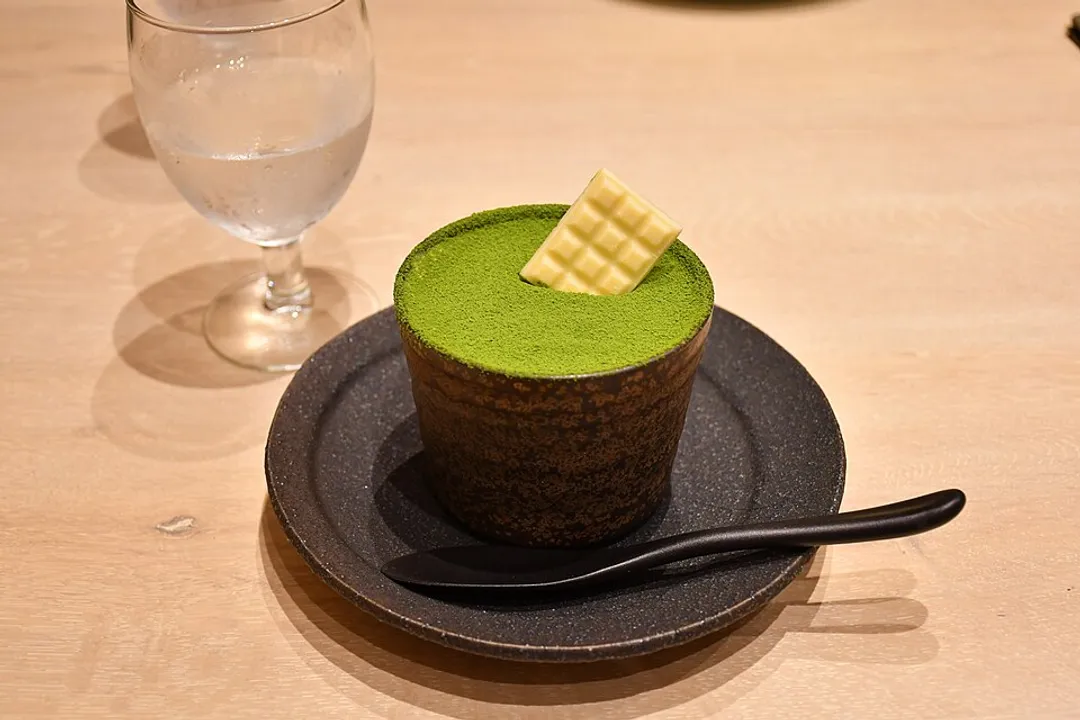
The green teas that undergo intentional shading are some of the most revered and distinct offerings from Japan, commanding attention not just for their vibrant color but for their complex, savory flavor profiles. When people inquire about the name of shaded green tea, they are usually pointing toward two primary categories that dominate the high-end market: Matcha and Gyokuro. [2][7] Both of these esteemed teas share the fundamental characteristic of having their leaves shielded from direct sunlight for a period leading up to harvest, but they differ significantly in the final processing and preparation methods. [2]
# Shading Process
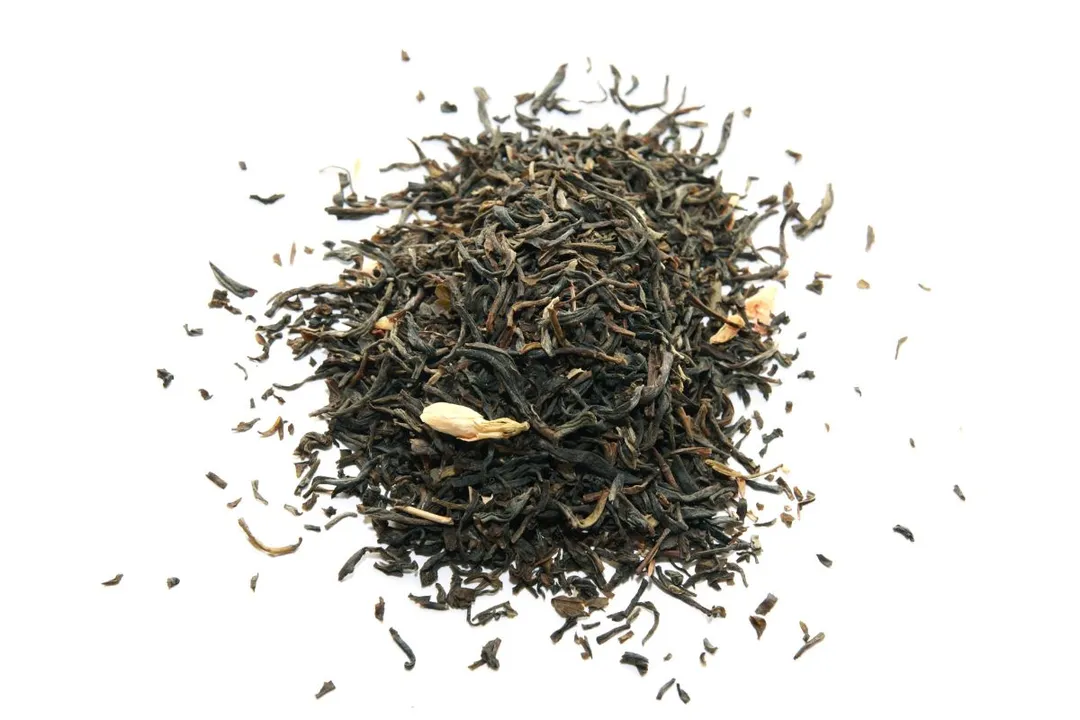
The cultivation technique itself is what separates these premium varieties from standard green teas like Sencha. [7][4] Shading is not merely an aesthetic choice; it is a precise agricultural intervention designed to manipulate the chemical composition of the tea leaf. [5] In the traditional cultivation of Gyokuro, for instance, the tea bushes are covered for approximately three weeks before picking. [7] For Matcha production, the leaves destined to become tencha (the base material for Matcha) are shaded for an even longer duration, often closer to three or four weeks. [5][1]
The primary physiological response to reduced light exposure is the plant’s attempt to maximize the capture of the limited light available. This leads to a dramatic increase in the production of chlorophyll, which gives the final product its deep, striking green hue. [1] More importantly for taste, the plant halts or slows the conversion of L-theanine, an amino acid, into catechins. [5] Catechins are the compounds responsible for the astringency or bitterness often associated with green tea. [5] By inhibiting this conversion, the shading process results in leaves that are naturally richer in theanine, yielding a flavor profile dominated by umami—that savory, deep, satisfying taste. [1][5]
# Tea Names
The umbrella term for tea leaves that have been shaded is descriptive, but the specific names—Matcha and Gyokuro—signal distinct end products derived from this shared cultivation method. [2]
# Gyokuro
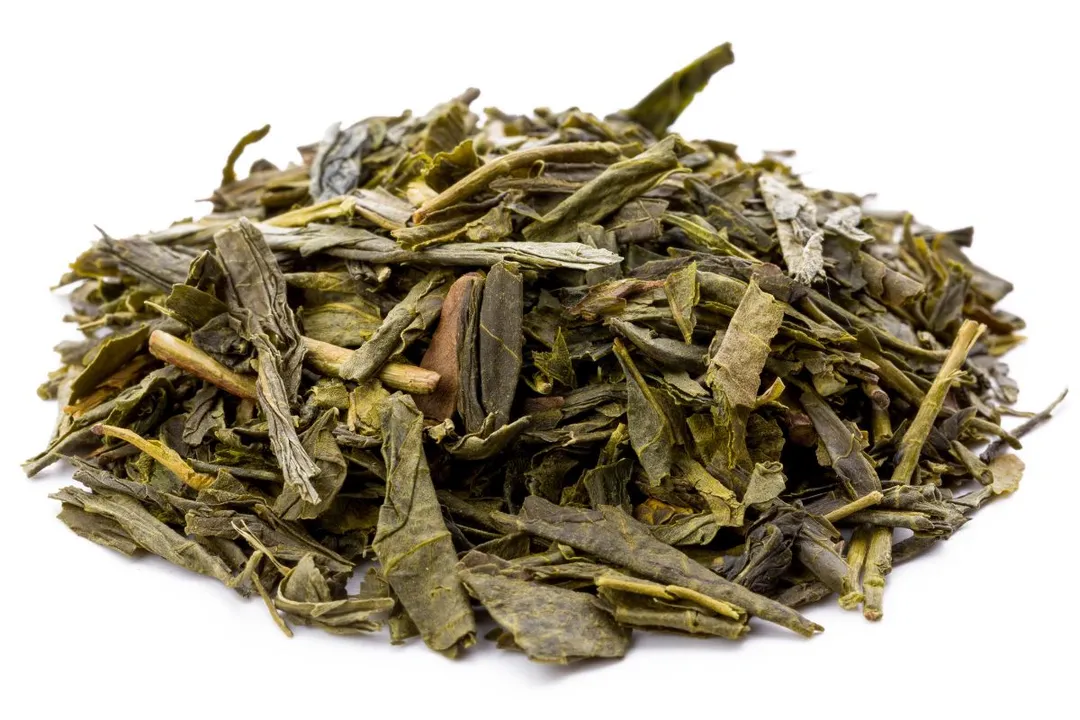
Gyokuro translates literally to "jade dew" or "pearl dew". [7] It is characterized as a high-grade, shade-grown Japanese green tea. [7] While it is shade-grown, the key difference between Gyokuro and Matcha lies in how the leaves are processed after harvesting. Gyokuro leaves are steamed, withered, rolled, and dried, retaining their leaf shape, much like Sencha. [7] The resulting tea is brewed as an infusion, where the steeped leaves are discarded, and the drinker consumes only the liquid. [7] Because of the specialized care, the precise shading duration, and the resulting flavor intensity, Gyokuro is often among the more expensive Japanese green teas. [9]
# Matcha
Matcha represents the most extreme application of the shading technique. The leaves that are shaded become tencha. [5] Unlike Gyokuro, tencha leaves are dried without being rolled, resulting in brittle, flat flakes. [1] These dried tencha flakes are then meticulously stone-ground into an extremely fine powder. [1][3] When consuming Matcha, the drinker consumes the entire leaf material suspended in water, rather than just an infusion. [3] This method of consumption means that the full chemical load of the leaf—including all the concentrated chlorophyll and theanine boosted by the shade—is ingested. [3]
# Kabusecha
A third, less common but significant category is Kabusecha, which sits between Sencha and Gyokuro in terms of shading intensity. [2] Kabuse means "covered". [2] Kabusecha is shaded for a shorter duration than Gyokuro, typically for about one to two weeks. [2] This results in a cup that possesses more umami than standard Sencha but retains a brighter, slightly more astringent quality than the deeply savory Gyokuro. [2] It offers a gentle introduction to the world of shade-grown teas for those who find the full umami profile of Gyokuro or Matcha overwhelming initially. [2]
| Tea Type | Shading Duration (Approx.) | Final Form | Consumption Method | Primary Flavor Note |
|---|---|---|---|---|
| Sencha | None | Whole leaf | Infusion | Fresh, grassy, slightly astringent |
| Kabusecha | 1-2 Weeks | Whole leaf | Infusion | Balanced Umami and Freshness |
| Gyokuro | ~3 Weeks | Whole leaf | Infusion | Deep Umami, Sweetness |
| Matcha | ~3-4+ Weeks | Fine Powder | Suspension | Intense Umami, Vegetal |
| [2][7] |
# Flavor Chemistry
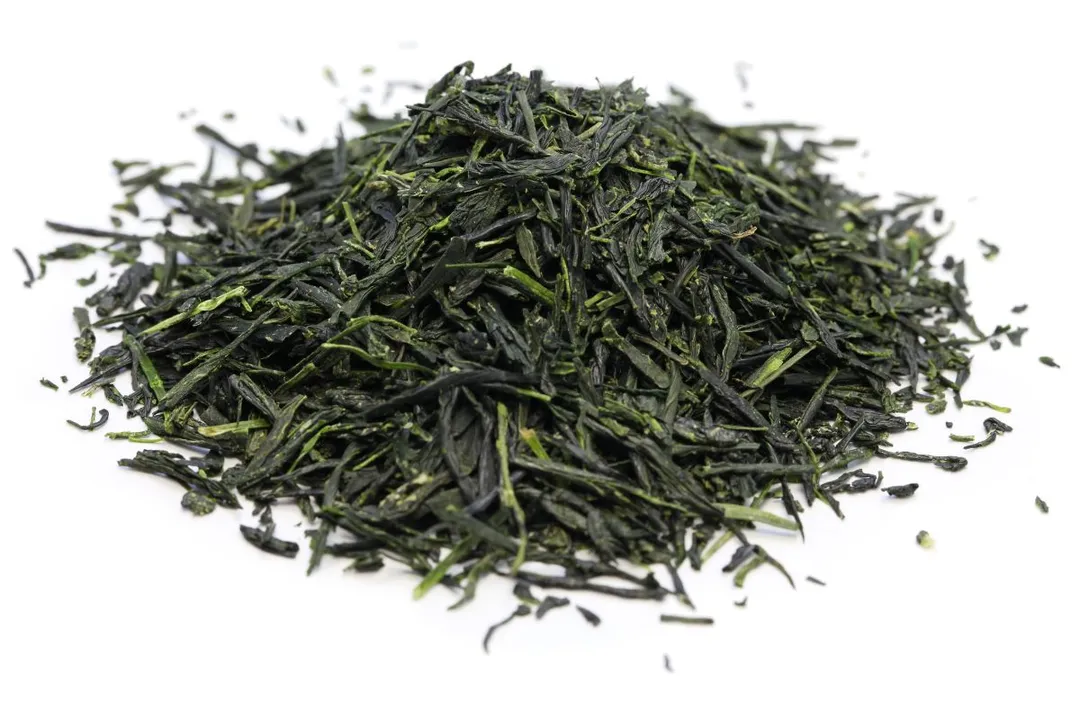
The change in flavor profile stemming from the shading process is profound, moving the taste experience far away from the typically bright, sometimes sharp notes of sun-grown green tea. [4][7] When the plant is starved of sunlight, its metabolic processes shift gears to concentrate certain desirable compounds. [5]
The increase in theanine directly correlates with a perceived sweetness and depth. [1][5] In a properly shaded tea like Gyokuro, this savory character is often described as ooika, referring to the rich, deep marine or seaweed-like undertones that develop. [7] The tea's liquor often takes on a more intense, jade-like green color compared to the yellow-green of unshaded teas. [7]
The parallel decrease in catechins minimizes the drying sensation on the tongue. [5] For consumers accustomed to the bracing astringency of some teas, a high-quality Gyokuro or Matcha can feel surprisingly smooth and thick on the palate, a texture often referred to as body. [7] This chemical distinction underscores why shade-grown teas are treated with such reverence; they are not just greener versions of their sun-grown cousins—they are fundamentally different flavor experiences born from the same bush. [5]
When comparing the two primary shaded teas, the preparation method dictates the final flavor impact. Because Gyokuro is brewed as an infusion, the concentration of flavor compounds is limited by the water temperature and steeping time. [7] The goal is to extract the delicate umami without pulling out too much residual bitterness. [7] Matcha, on the other hand, forces the entire leaf mass into the liquid. This inherently results in a more potent, concentrated delivery of the shaded compounds than any infusion can achieve, making the quality of the grinding and the initial shade level even more critical for a pleasant final drink. [3]
# Quality Markers
For the informed consumer, the name of the tea is often just the first clue; the next step is understanding what denotes high quality within that category. In the world of shaded teas, expertise in cultivation translates directly into expense. [9] The process is labor-intensive and yields less product overall, as the plants produce less biomass under shade and require more delicate handling. [9]
A practical consideration for appreciating these teas is the water temperature used during brewing. For standard Sencha, brewing around 175°F (80°C) is common to balance flavor and minimize bitterness. [4] However, for the more intensely shaded teas, especially Gyokuro, a lower temperature is almost mandatory, often recommended between 122°F and 140°F (50°C–60°C). [7] The high concentration of delicate theanine needs lower heat to be released effectively without shocking the leaf and releasing unwanted bitter compounds, a nuance that a casual drinker might overlook when first trying a high-end shaded tea. [7] Understanding this temperature sensitivity reveals a deeper layer of expertise required by the preparer, differentiating it from the more forgiving nature of lower-grade teas.
The very process of shade growing, while creating superior flavor compounds, also necessitates a high degree of farmer skill. If the shading is done poorly, the plant can suffer stress that negatively impacts flavor in other ways, or the resulting tea can still taste overly vegetal rather than deeply savory. The fact that Matcha requires the tencha to be ground with stone mills, a slow and costly process that avoids heating the powder, adds another layer of manufacturing expense that distinguishes it from rolling and drying methods used for Gyokuro. [1] Therefore, while both are shaded, the post-shading labor—the milling for Matcha versus the delicate steaming and rolling for Gyokuro—creates two distinct investment tiers in the market. [2] This difference in subsequent labor, rather than just the shading time, creates a visible price stratification even among the highest quality shaded leaves.

# Beyond the Names
While Matcha and Gyokuro are the stars, it is important to recognize that shading is a spectrum applied to Japanese green tea production. [2] Beyond the two heavyweights, there are other varieties that utilize this technique, though perhaps less frequently or intensely. The general classification system acknowledges that shading can be calibrated to fine-tune the final profile. [2] For example, a tea shaded for only a few days might have a slight boost in umami without fundamentally changing its character from a rich Sencha, though such a lightly shaded tea would rarely be specifically marketed by its shade level alone. [2]
When seeking out shaded green tea, the term that defines the process is kabuse. [2] Therefore, any tea labeled with kabuse or gyokuro confirms the use of this technique, whereas Matcha confirms it through its powder form, which necessitates tencha base material, which must be shaded. [1][5] This interconnected naming convention shows that the Japanese tea tradition builds complexity upon shared foundational techniques, offering drinkers a clear path from the lightest shade influence to the most profoundly altered flavor profile. [2] The key takeaway for any enthusiast is to look for the kabuse family of names to identify these sunlight-deprived treasures. [7]
#Videos
How Matcha Gets its Flavour | The Science of Shading - YouTube
Related Questions
#Citations
Matcha - Wikipedia
Comparing Shaded Japanese Green Teas | Kyoto Obubu Tea Farms
5 of the Big Differences Between Matcha and Green Tea - Teabloom
16 Types of Green Tea (With Photos!) - Brew Buch
Tencha: Why Shade-Growing is Essential to Matcha Green Tea
7 Varieties of Green Tea, Explained - MICHELIN Guide
What Is Gyokuro? - Rishi Tea
How Matcha Gets its Flavour | The Science of Shading - YouTube
Why is Gyokuro Shade-Grown Green Tea Expensive?